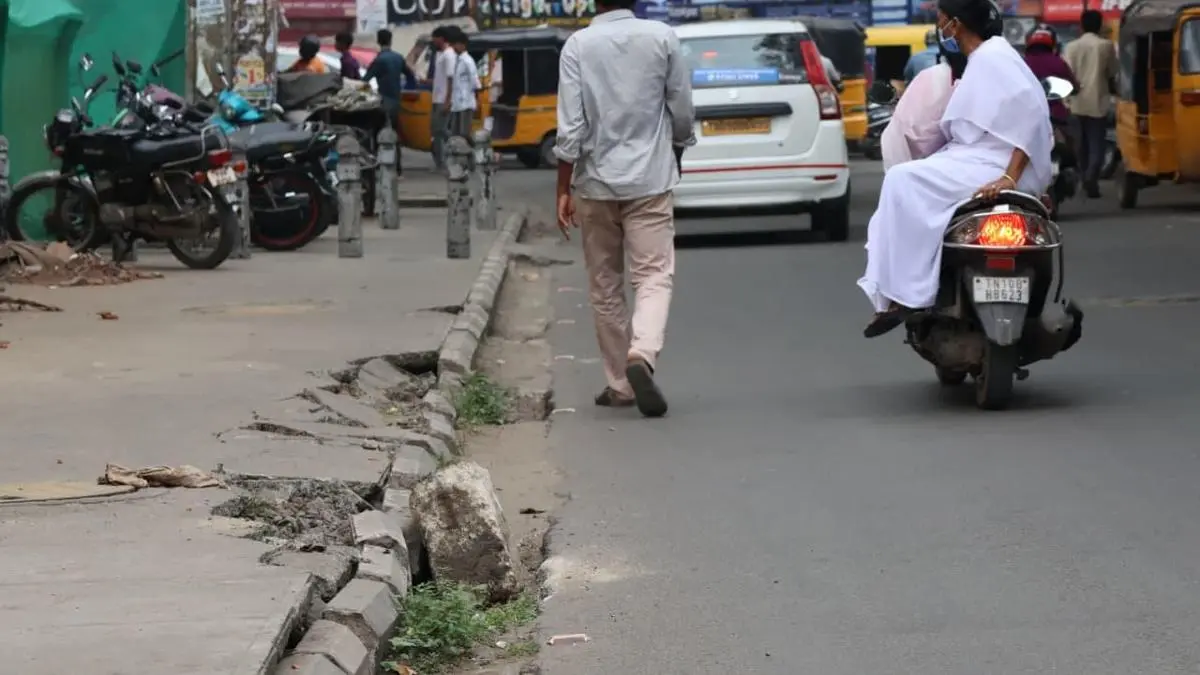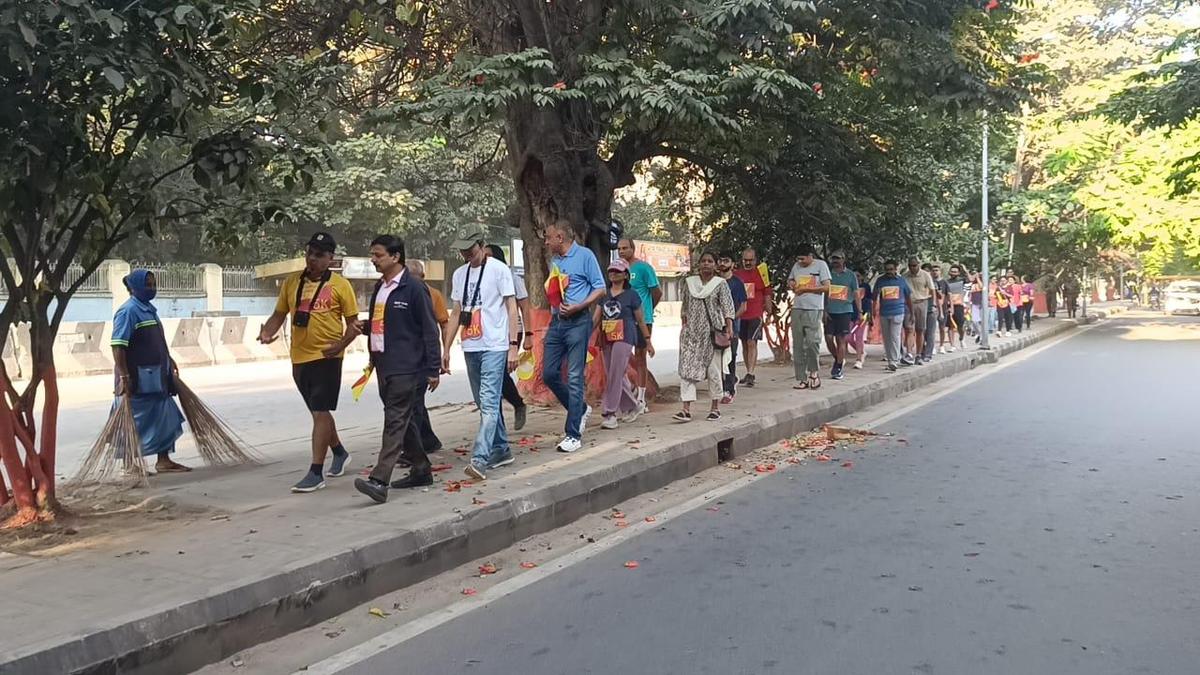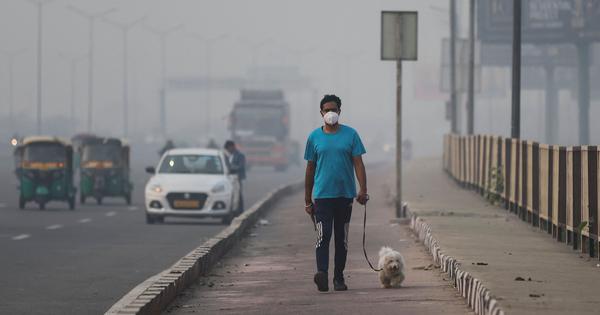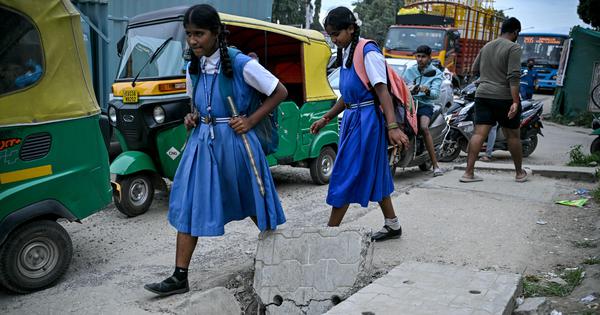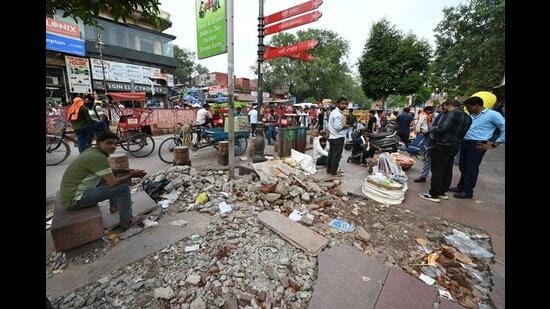
Several countries have laws on pedestrian rights: The Nordic countries have “freedom to roam” and the US has state-level vehicle codes and urban zoning laws. India, on Friday, elevated the right to walk safely and without obstruction on designated paths to a fundamental right. The Supreme Court, while hearing a pedestrian-death compensation case, drew from multiple provisions of Articles 19 and 21 to do this. This marks a paradigm shift: The provision of safe avenues for walking — a governance concern so far — is now a constitutional guarantee. This means local governments are constitutionally obligated to create and maintain safe footpaths. And citizens can seek constitutional and civil remedies against a breach of this right or the failure to facilitate it.The course of action for the authorities is clear. Repairs, upgrades, and maintenance,must be urgently carried out, as needed. (HT Archive)The course of action for the authorities is clear. Repairs, upgrades, and maintenance, must be urgently carried out, as needed. Traffic management must be reorganised, especially in metropolitan settings where the dominance of motor traffic is conspicuous. Encroachments must be cleared and squatters shifted out. Most important, road network planning will need to shed its vehicles-first approach and balance ease of vehicular traffic with pedestrian numbers.None of these will be easy. From jurisdictional issues to the plausibility of retrofitting old, narrow roads to protecting livelihoods of street vendors — many complexities must first be dealt with. But India not only records the highest number of pedestrian deaths globally, it has also failed to meet international commitments on reducing road fatalities. Ensuring safe walking cannot be put on hold any longer.
Walking safely as a fundamental right
India not only records the highest number of pedestrian deaths globally, it has also failed to meet international commitments on reducing road fatalities
TL;DRAI
India's Supreme Court recognized safe walking as a fundamental constitutional right, requiring government maintenance of secure pedestrian pathways. The ruling impacts infrastructure governance and corporate liability frameworks for firms operating in the world's highest pedestrian-fatality country.
271 words~1 min read