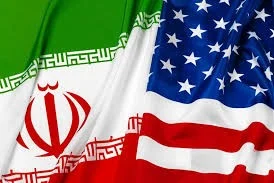
The memorandum of understanding between the US and Iran, signed on June 17, 2026, was supposed to be a diplomatic breakthrough. It laid out a 60-day window to resolve the thorniest issue in Middle Eastern geopolitics: Iran’s nuclear program. Three days later, the timeline was already in jeopardy.
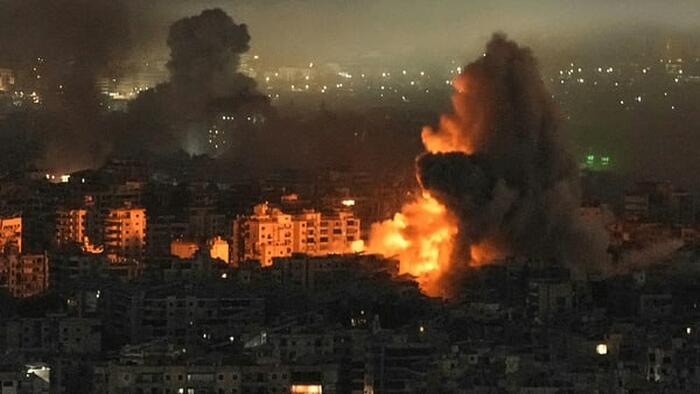
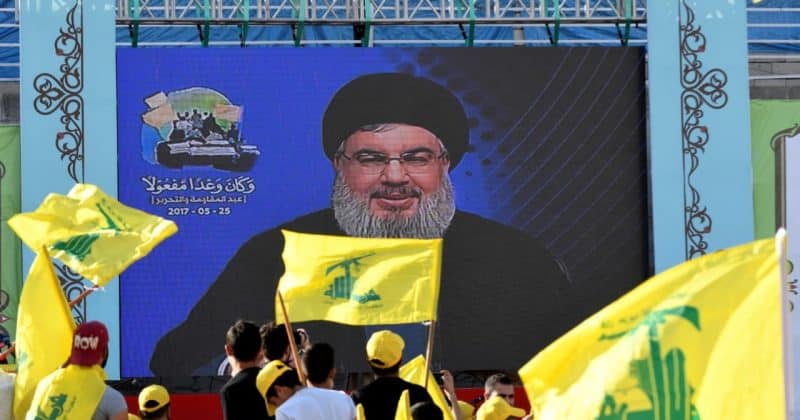
Escalating hostilities between Israel and Hezbollah in southern Lebanon have forced Iran to postpone planned nuclear negotiations in Switzerland. The postponement threatens to unravel months of painstaking diplomacy and introduces a fresh wave of uncertainty into markets that were just starting to price in the possibility of a deal.
What happened and why it matters
The MOU between Washington and Tehran was contingent on two preconditions: a broader ceasefire in the region and the reopening of the strategically critical Strait of Hormuz. Neither condition has proven easy to sustain.
On June 19-20, Israel and Hezbollah agreed to renew a truce after a series of intensified clashes. But the damage to the diplomatic calendar was already done. Iran’s decision to pull out of the Switzerland talks signals that Tehran views the Lebanon conflict not as a sideshow, but as a central obstacle to any nuclear agreement.