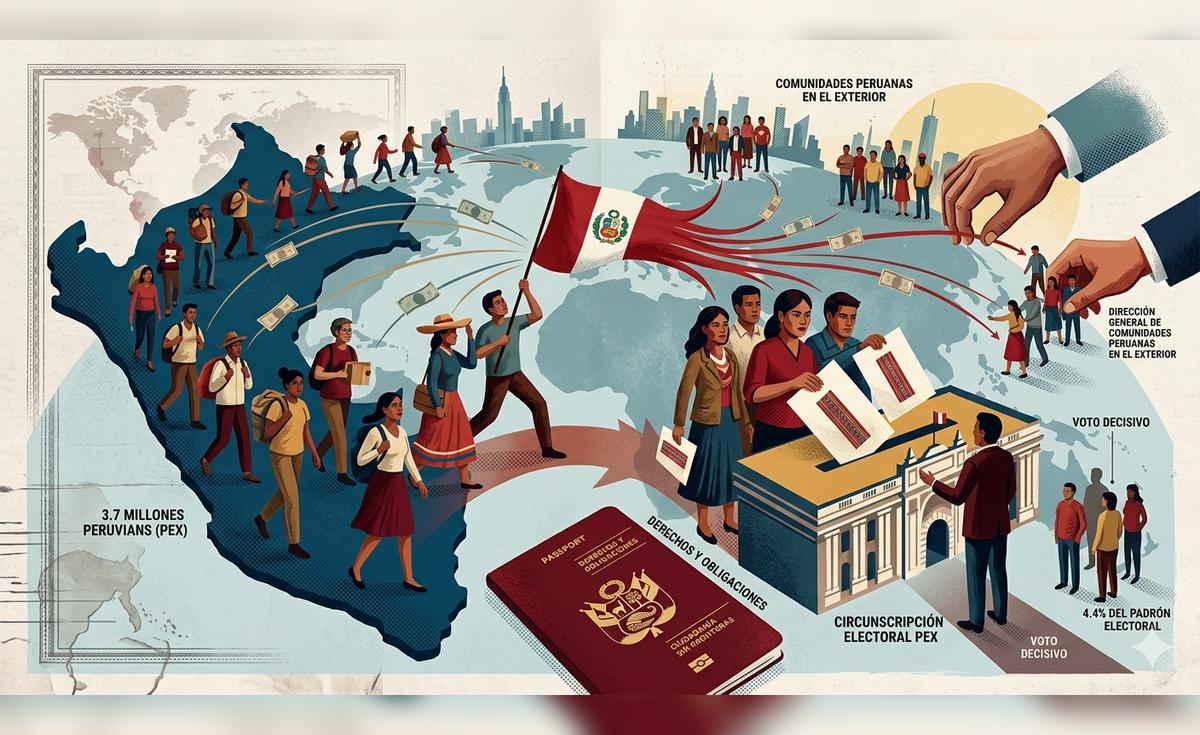
Peru’s emigrant population has swelled to roughly 3.7 million people. That’s more than 10% of the entire country living abroad, and they’re wielding outsized influence on everything from presidential elections to how money moves across borders.
The diaspora, known locally as Peruanos en el Exterior (PEX), has become a decisive voting bloc in the 2026 presidential election cycle. But the political story is only half the picture. The financial one, powered by stablecoins and crypto wallets, is arguably more consequential for the country’s economic future.
Stablecoins are eating Peru’s remittance market
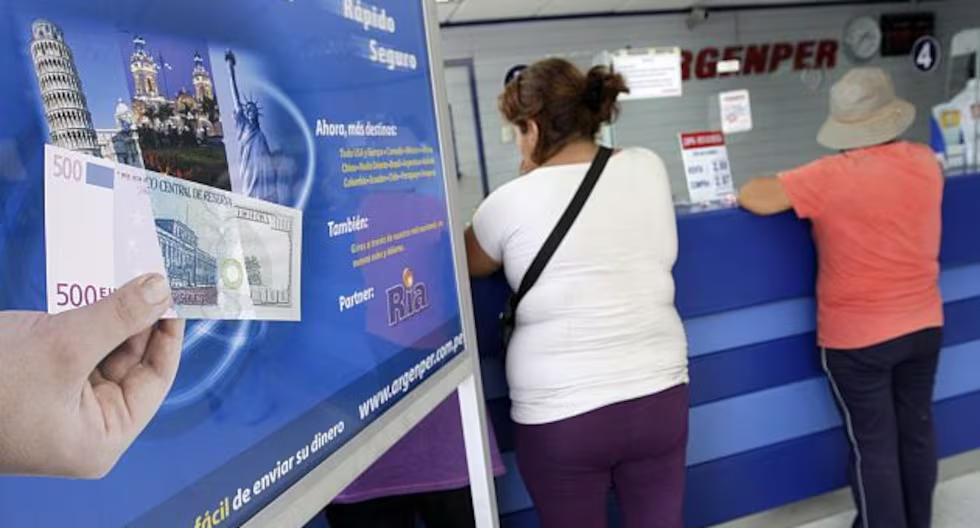
Here’s the thing about sending money home the traditional way: it’s expensive. Peru’s average remittance fee sat at around 6.6%, which means for every $1,000 a worker in Miami or Madrid sent back to Lima, roughly $66 vanished into the pockets of intermediaries.
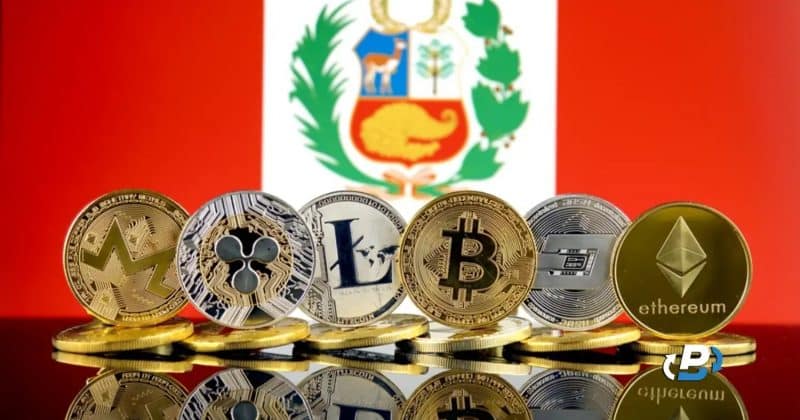
Stablecoins changed that math dramatically. The cost has dropped to under 0.5%, according to research on Peru’s crypto market. In English: a transfer that used to cost $66 now costs less than $5.