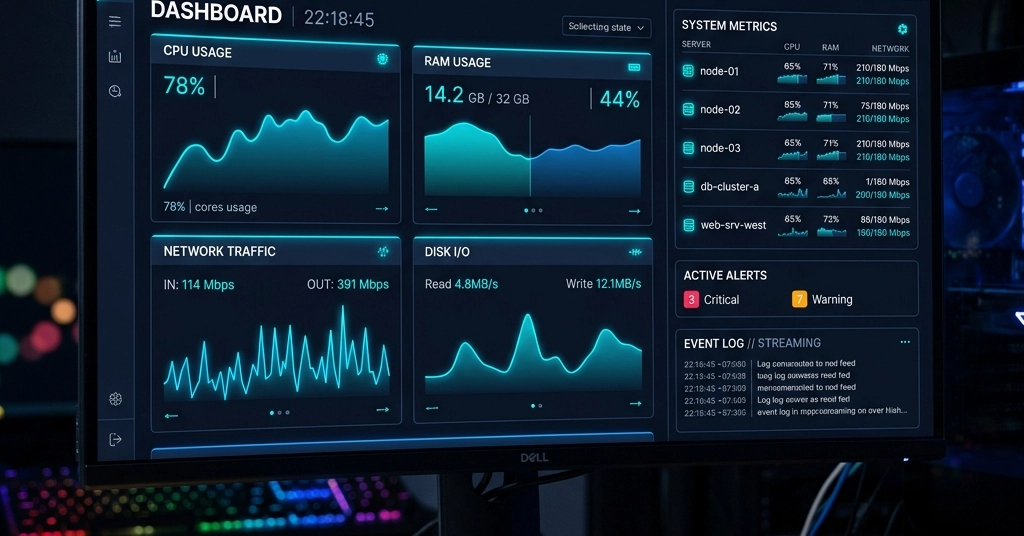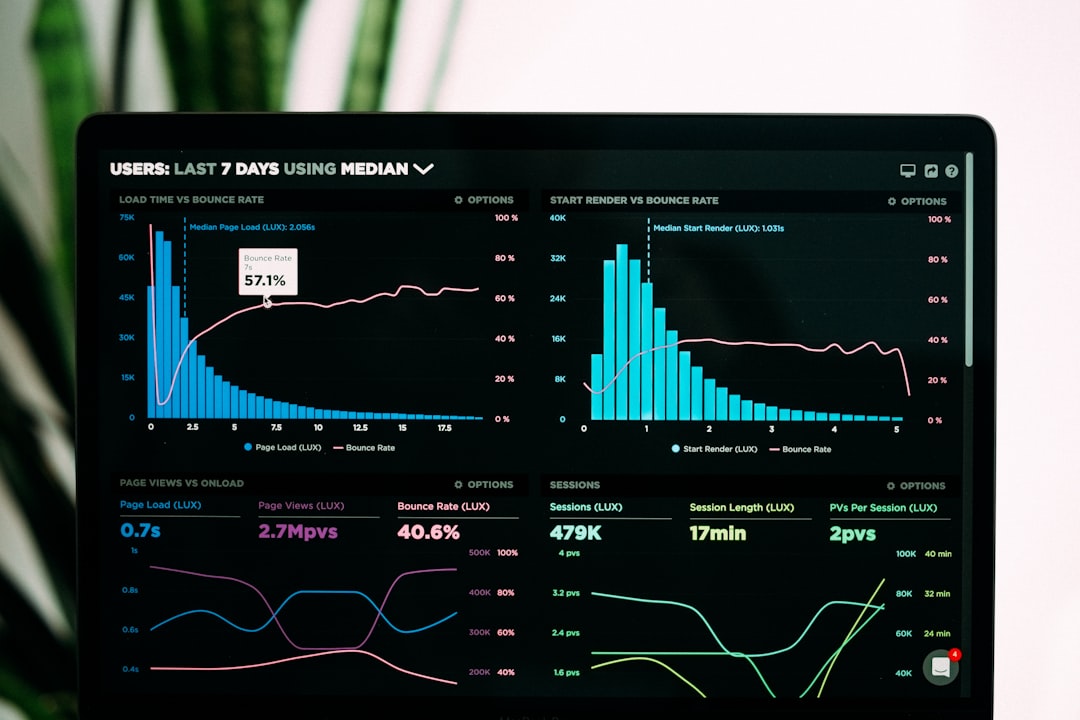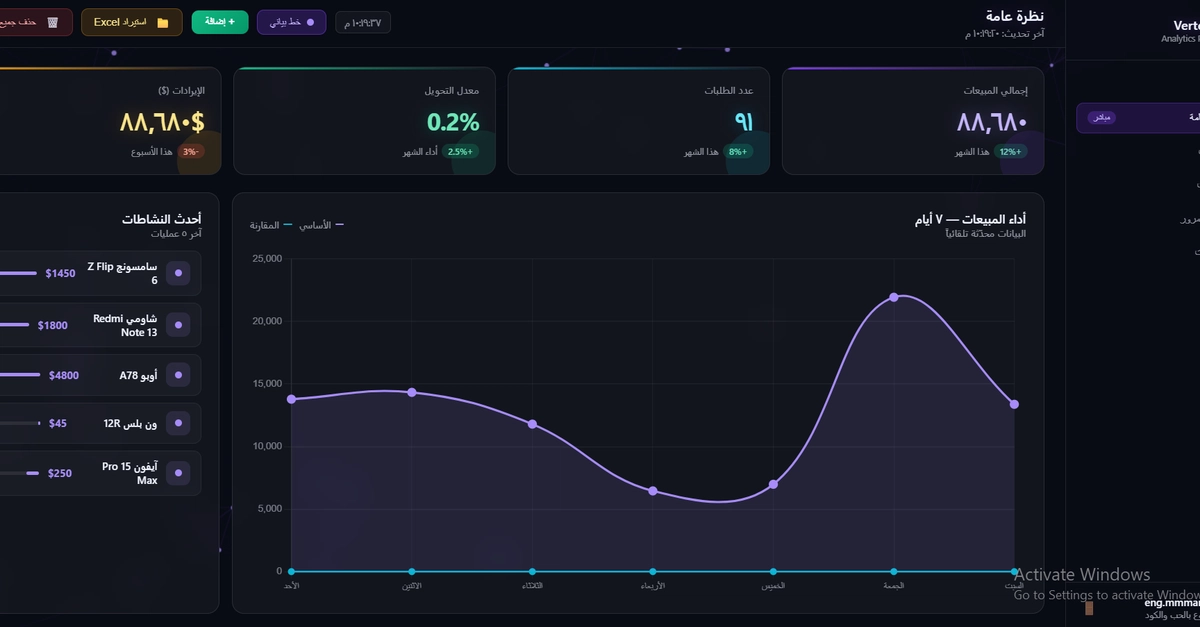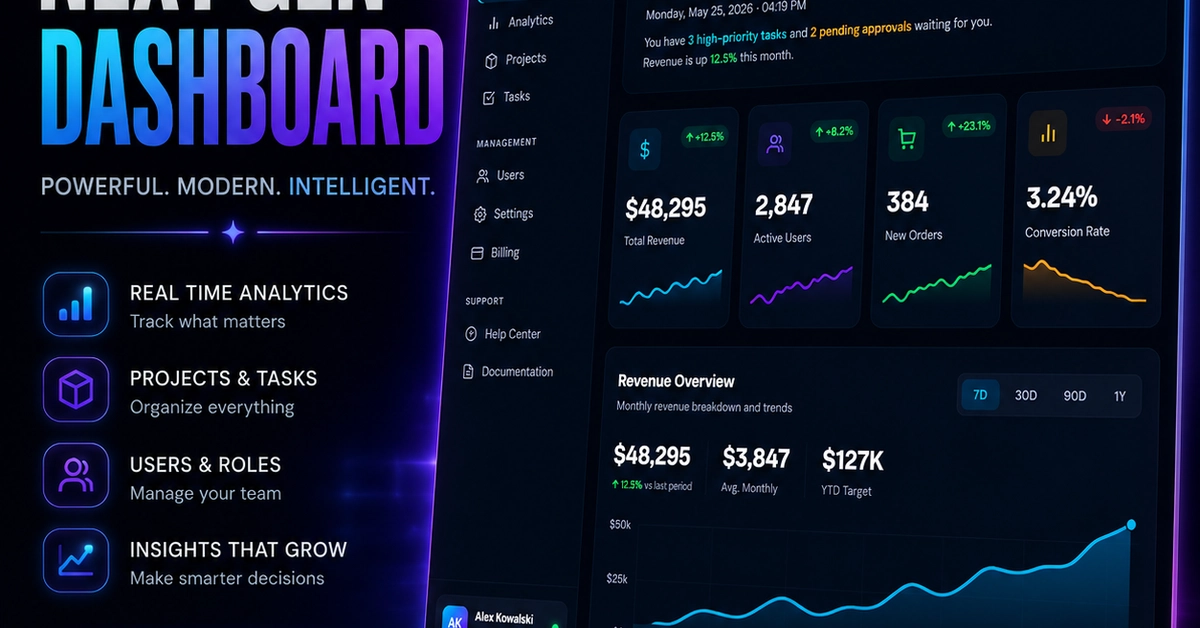
Most dashboards are built the same way: the user lands on the page, data loads, and then... it sits there. Stale. Until the user hits refresh or you set up an awkward polling interval that hammers your server every few seconds.
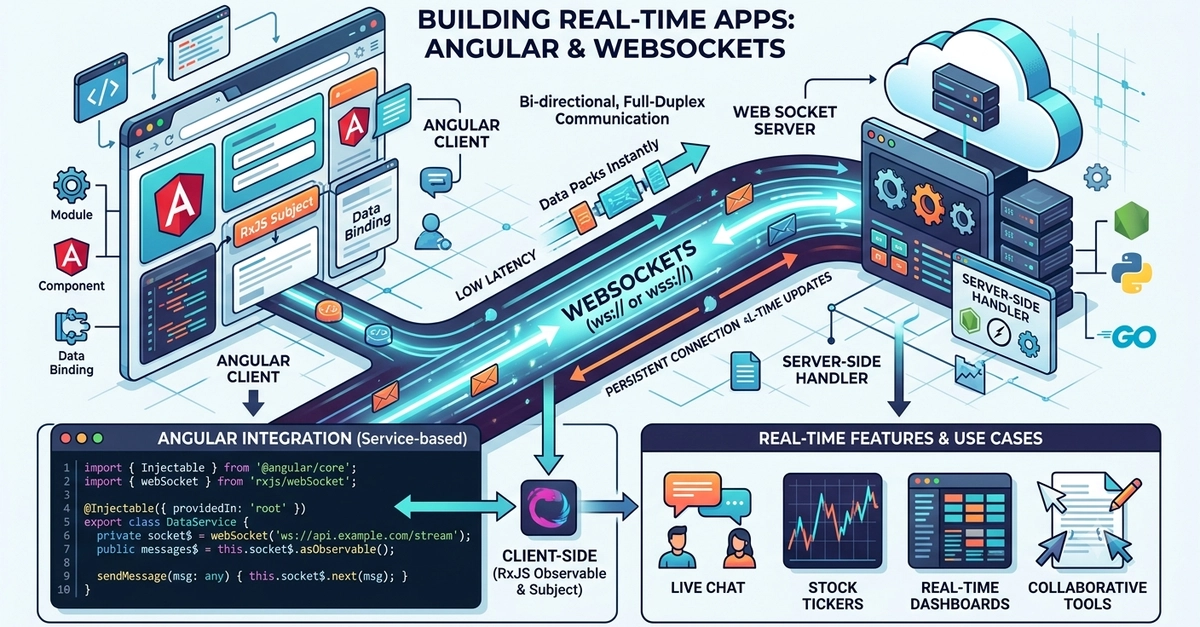
There's a better way. WebSockets give you a persistent, two-way connection between your Angular app and your server — meaning your dashboard updates the moment new data exists, with zero wasted requests.
In this article we'll build a complete real-time dashboard in Angular from scratch — WebSocket service, Signal-based components, auto-reconnection, and production-ready patterns.
How WebSockets Differ From Regular HTTP
Before writing any code, it's worth understanding what makes WebSockets special.