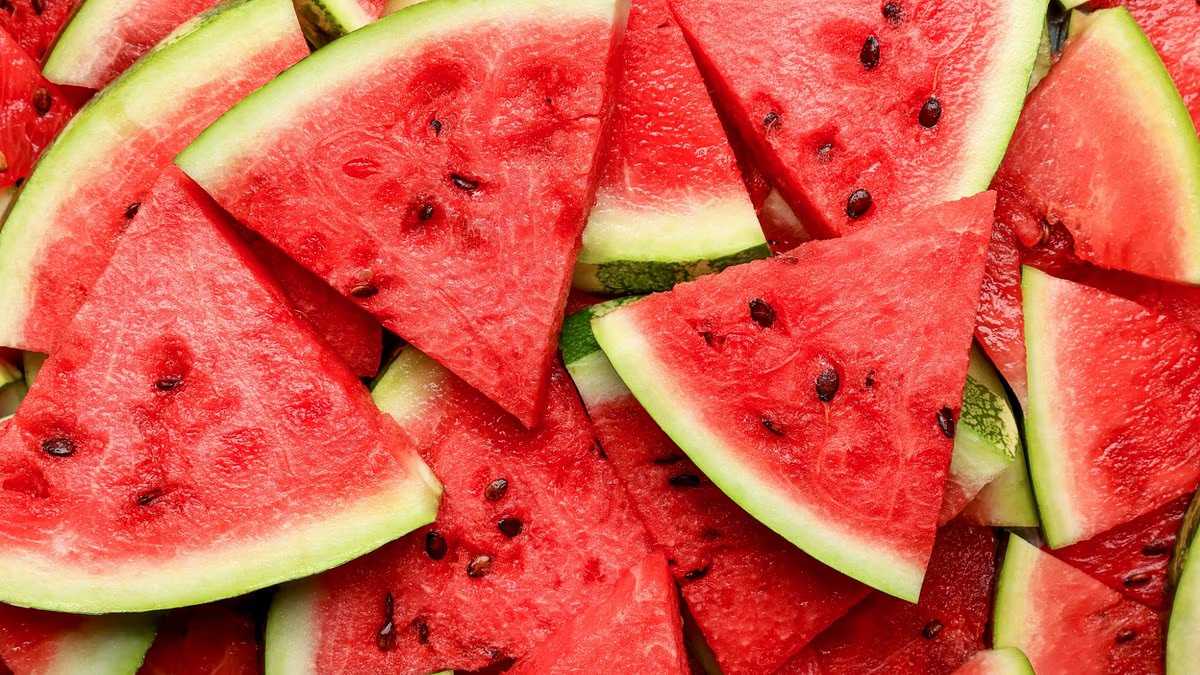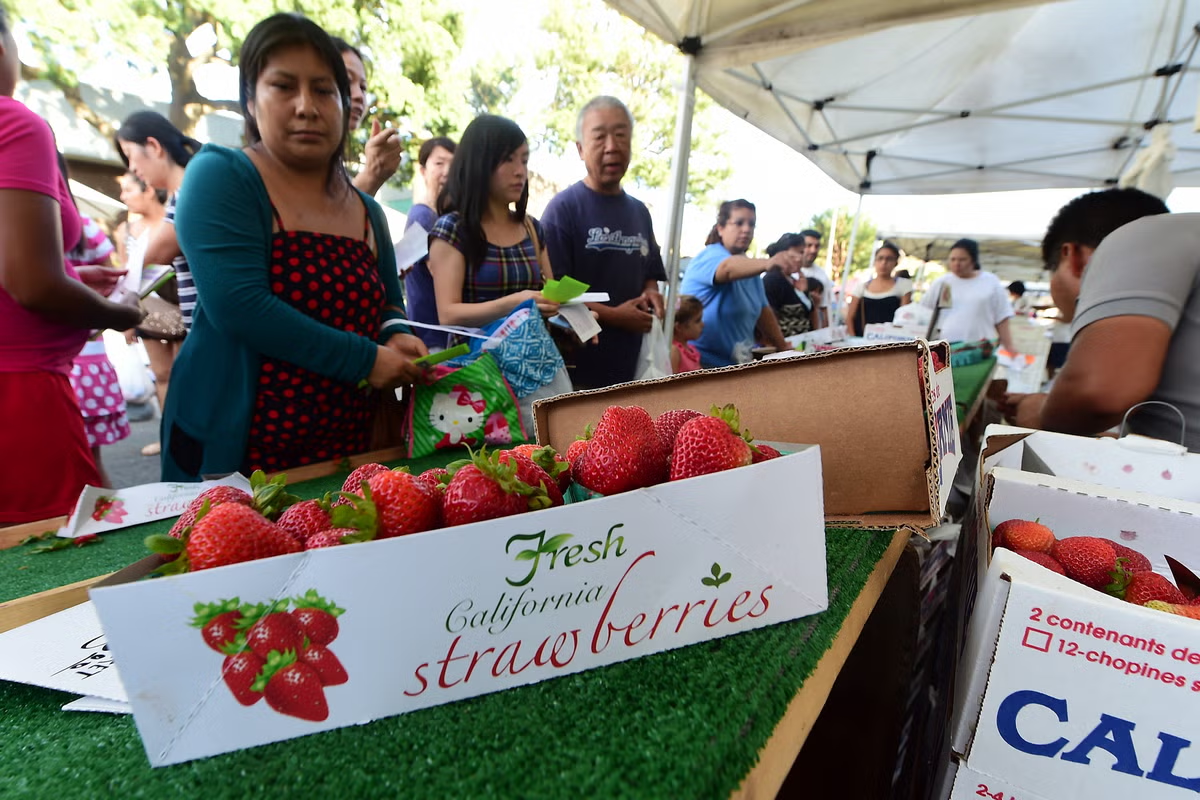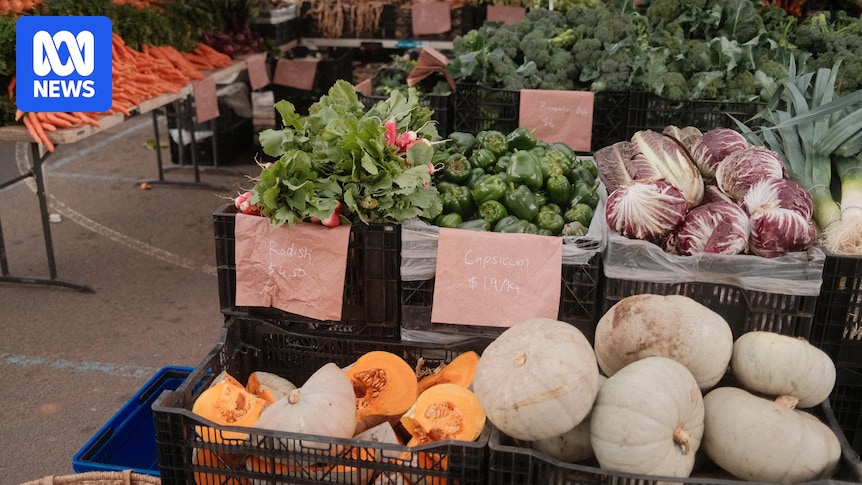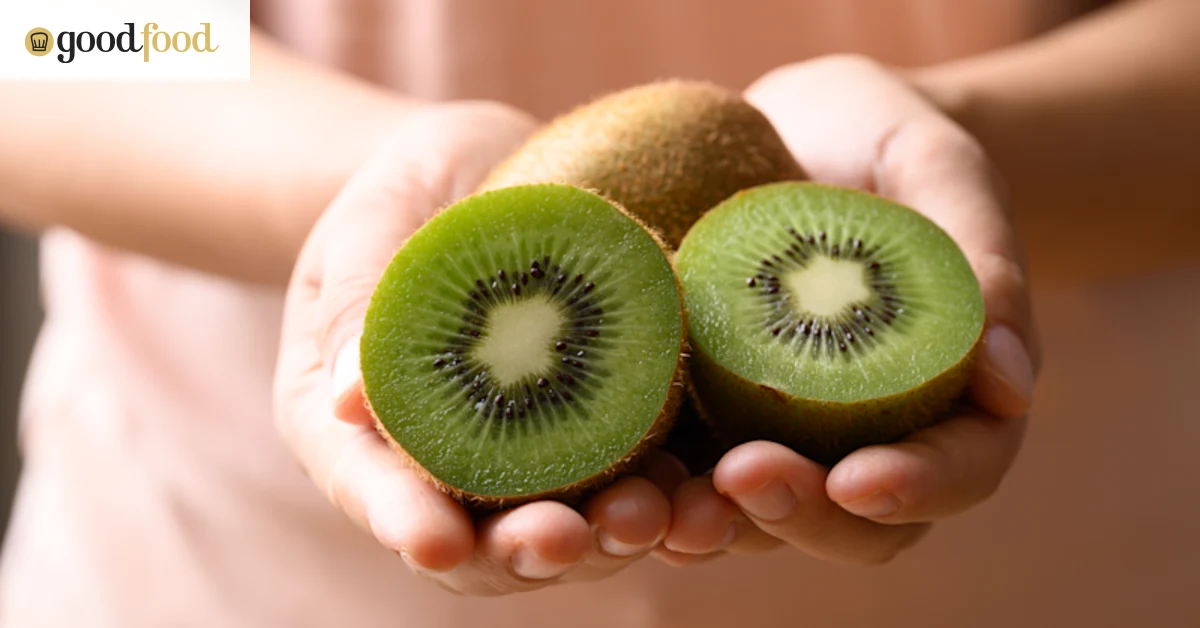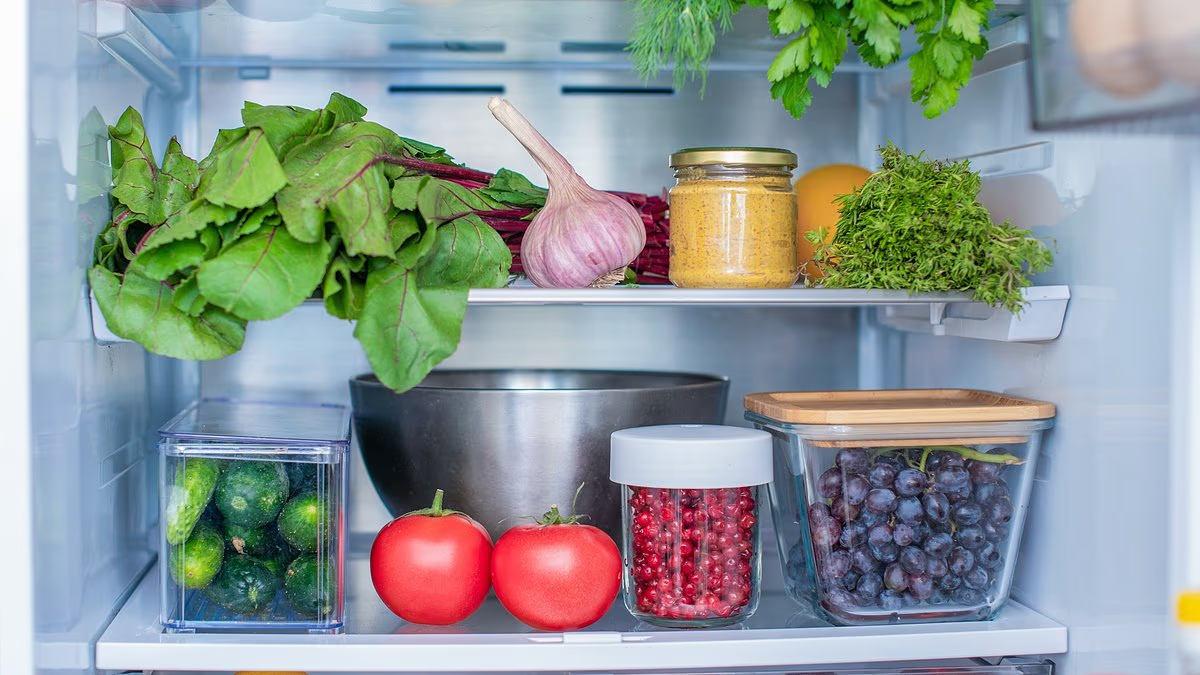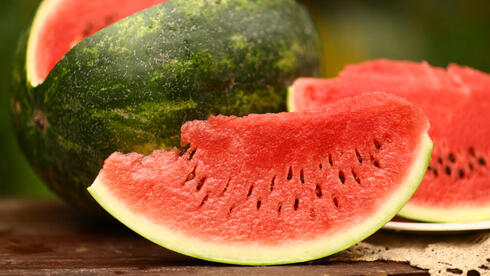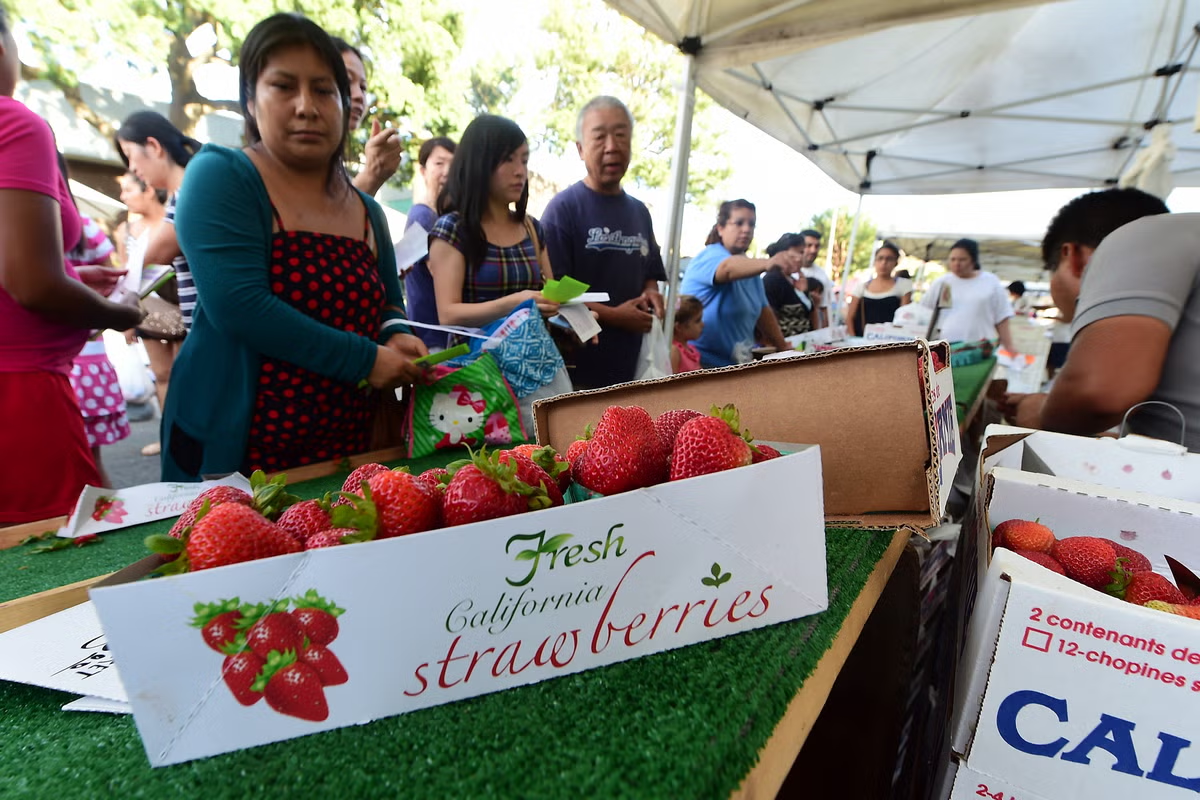
The summer is the best season for fresh produce. Grocery store shelves are lined with juicy pink watermelon, orange-yellow squash and ruby red heirloom tomatoes. Everyone has their favorite fruits and vegetables — but not all are created equal, according to experts. What they consider to be the best of the best may be surprising, too. Instead of snacking on shiny red cherries or hearty eggplant slices, Cleveland Clinic dietitian Julia Zumpano told The Independent she’d pick berries and spinach.“The best to rely on would definitely be berries because berries have the highest antioxidant content,” she explained. Antioxidants help to fight harmful inflammation in the body that can leave us at risk of cancer and other diseases. People shop for produce at a farmers market in Monterey Park, California, in July 2014. Experts say that while fruit and vegetables offer many benefits for our health, they’re not all made equal (AFP via Getty Images)You could eat raspberries, strawberries, blackberries or blueberries, it really doesn’t matter. “Anything in that berry family would be ideal,” said Zumpano.Another big berry benefit is their lower sugar and robust fiber content. A cup of raspberries has around 5.4 grams of sugar and eight grams of fiber, according to Rochester Medicine. Whereas the same amount of honeydew melon has 13.8 grams of sugar and 1.36 grams of fiber.Grapes also have a higher sugar-to-fiber ratio, Zumpano pointed out, with 24.7 grams of sugar and only 1.44 grams of fiber in a cup of red or green grapes, Rochester Medicine says.“Higher sugar fruits tend to be things like the melon family, like cantaloupe and honeydew and papaya,” Zumpano noted. “They tend to have more calories, and more sugar and carbs. And they don’t have as many antioxidants.” Too much sugar in the diet can spike blood sugar levels, raising the risk of heart disease.Versatile veg The best and worst vegetables typically don’t have as much of a sugar problem — and may also help to fight sugar spikes. Leafy greens have been shown to help control blood sugar levels and reduce peoples’ risk of developing Type 2 diabetes, for example.They’re also a great source of the salt-fighting essential mineral potassium, and a cup of kale has nearly 300 milligrams when served raw or cooked.“My number one go-to would be leafy greens and the reason for that is because they are very nutrient dense, tons of vitamins and minerals, very, very low in calories and then very high in fiber,” Zumpano said.A woman checks on Kale plants at the Cropsey Community Farm greenhouse in New City, New York, last April. Kale and other leafy greens help to regulate blood sugar levels (AFP via Getty Images)So, when can vegetables be bad? A lot of the problems with vegetables has to do with the way they are prepared. Zumpano’s worst vegetable pick is a starchy white potato, which is commonly used for fries and hash browns. Starch, a carbohydrate made of sugars, can raise sugar levels in the blood. Peeling potatoes to be served also helps limit the nutrients you get from potatoes, Zumpano said.“You know, most people peel the skin of the potato, so you’re losing some of the nutrients. You’re losing some of the fiber,” she added. Frying potatoes produces a toxin called acrylamide, which is considered to be a cancer-causing substance.Berry good – fresh or frozenStill, that doesn’t mean people need to write off potatoes altogether. Americans love them and consume them more than any other vegetable, according to a 2025 Potatoes USA survey.The tubers are a great source of potassium, iron, vitamin C and beta carotene, which is an antioxidant that is converted into vitamin A, Debbie Fetter, an associate professor of nutrition at U.S. Davis, told The Independent.Vitamins A and C are crucial to safeguard immune health. Berries are a great source of these vitamins and minerals, as well, and one of Fetter’s favorite foods.Georgia State University Head Coach Shawn Elliot is showered by French fries during the Famous Idaho Potato Bowl in Boise, Idaho, in December 2023. Frying potatoes produces a carcinogen, known as acrylamide (Getty Images)They contain plant chemicals that protect our cell health, she said. Their preparation doesn’t matter as much as with vegetables. People can buy them fresh or frozen.“Frozen berries work great. They are oftentimes even higher in certain nutrients,” she said. Although, her message to Americans is less about individual fruits and vegetables and more about the importance of a balanced diet that can provide many benefits for peoples’ health. Around 10 percent of adults aren’t eating enough fruits and vegetables, according to federal data.“My overall message for the best fruits and veggies would be the one that you like and that you’re going to eat on a routine basis,” she said. “The worst fruits and veggies are the ones that you don’t like or the ones that always end up in the back of your fridge.”
These fruits and veggies are the best and worst for your health
Only one in 10 American adults gets enough fruits and vegetables in their diet
817 words~4 min read