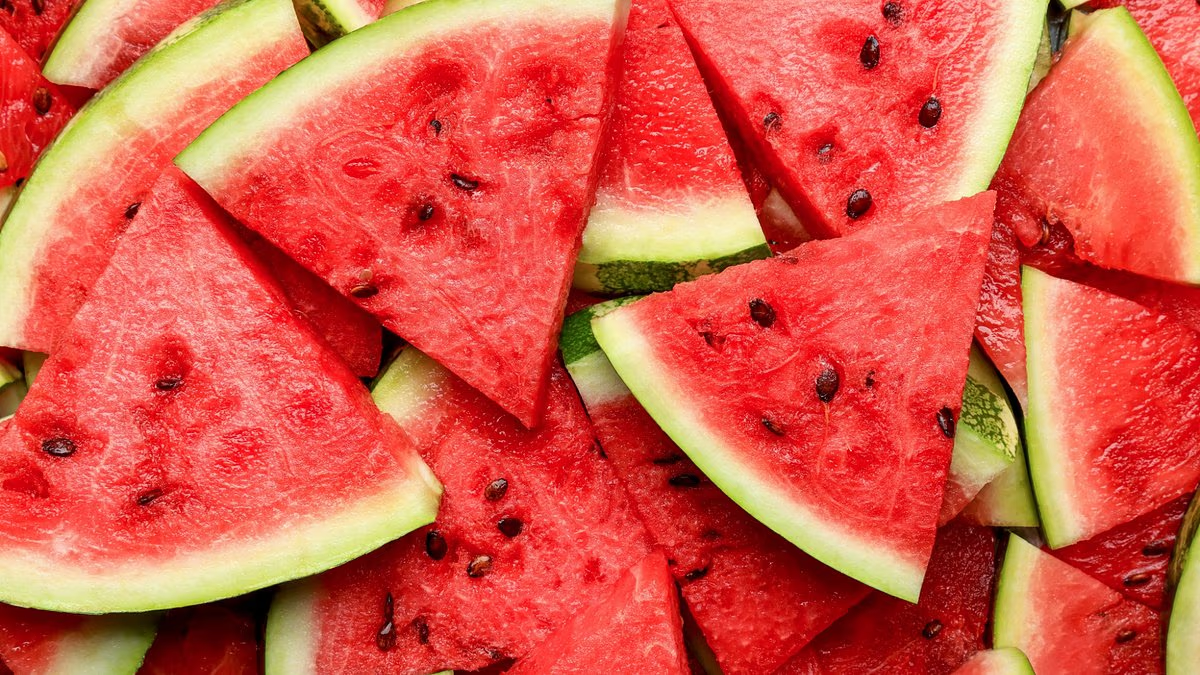
Studies suggest people who eat watermelon tend to consume more fiber, vitamins and antioxidants while taking in less added sugar and saturated fat; researchers also found watermelon juice may help support blood vessel functionynet| Related TopicsWatermelon has long been one of summer’s favorite fruits, but research suggests it may offer more than refreshment. Studies published in the journal Nutrients found that people who regularly eat watermelon tend to have healthier diets overall, and that the fruit may also support heart and blood vessel health.According to researchers, watermelon offers an impressive combination of nutrients, antioxidants and natural compounds that have been linked to heart health and healthy metabolism. Its high water content and relatively low calorie count also make it an easy way to add more fruit to the daily diet.2 View gallery Rich in dietary fiber(Photo: Shutterstock)In one study, researchers analyzed data from the U.S. National Health and Nutrition Examination Survey (NHANES), comparing the diets of people who ate watermelon with those who did not. The analysis found that both children and adults who consumed watermelon tended to have higher-quality diets overall.According to the findings, watermelon eaters consumed more dietary fiber, magnesium, potassium, vitamin C, vitamin A, lycopene and other carotenoids. At the same time, they consumed lower amounts of added sugar and saturated fat.That combination is especially important because many people still struggle to meet recommended fruit-intake targets. U.S. dietary guidelines recommend eating between 1.5 and 2.5 cups of fruit a day, but most adults and children consume only about half that amount.A separate clinical trial conducted at Louisiana State University examined whether watermelon juice could help protect blood vessel function during periods of elevated blood sugar. The study included 18 healthy young adults who drank watermelon juice daily for two weeks. Researchers focused on two natural compounds found in watermelon, L-citrulline and L-arginine, which are involved in the body’s production of nitric oxide. Nitric oxide helps blood vessels widen and relax, an important process for maintaining healthy circulation and supporting heart health.2 View gallery (Photo: Shutterstock)The study found evidence that watermelon juice supplementation helped preserve blood vessel function during hyperglycemia (high blood sugar), and also affected heart rate variability. "We acknowledge that while the sample size was small (18 healthy young men and women) and more research is needed, this study adds to the current body of evidence supporting regular intake of watermelon for cardio-metabolic health. In addition to L-citrulline and L-arginine, watermelon is a rich source of antioxidants, vitamin C and lycopene, all of which can help reduce oxidative stress and play a role in heart disease prevention," said Prof. Jack Losso of Louisiana State University’s School of Nutrition and Food Sciences, according to Science Daily.Since those studies were published, additional research reviews have continued to examine watermelon’s possible effects on vascular health and metabolism. Researchers reported that eating watermelon and taking L-citrulline supplements may improve measures linked to blood vessel flexibility and blood flow.Scientists are especially interested in watermelon because it is one of the richest natural sources of L-citrulline. Recent reviews have highlighted the fruit’s potential to support nitric oxide production, healthy blood flow and heart function, though experts emphasize that larger and longer-term studies are still needed.Watermelon is also rich in lycopene, an antioxidant associated with reduced oxidative stress and potential heart-health benefits.Beyond the research interest surrounding it, watermelon remains a nutrient-rich fruit. A two-cup serving contains just 80 calories and provides 25% of the recommended daily value of vitamin C, along with 8% of the daily value of vitamin B6.The fruit is made up of about 92% water, making it a good option for hydration on hot days or after exercise. In short, eating watermelon can be a simple way to add vitamins, antioxidants and fluids to the diet.Comments
Juicy health secrets: why watermelon may be the smartest fruit of summer
Studies suggest people who eat watermelon tend to consume more fiber, vitamins and antioxidants while taking in less added sugar and saturated fat; researchers also found watermelon juice may help support blood vessel function
626 words~3 min read