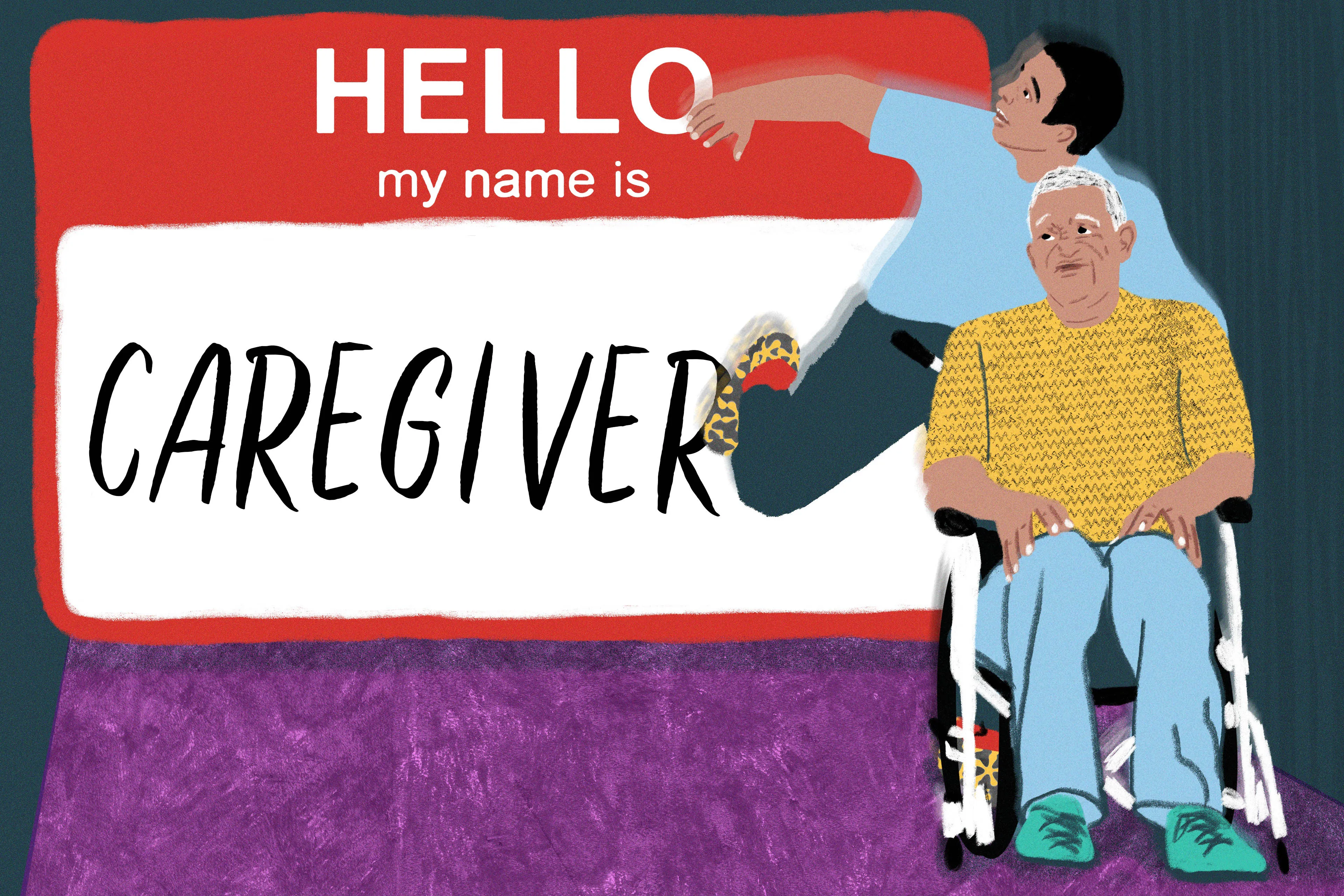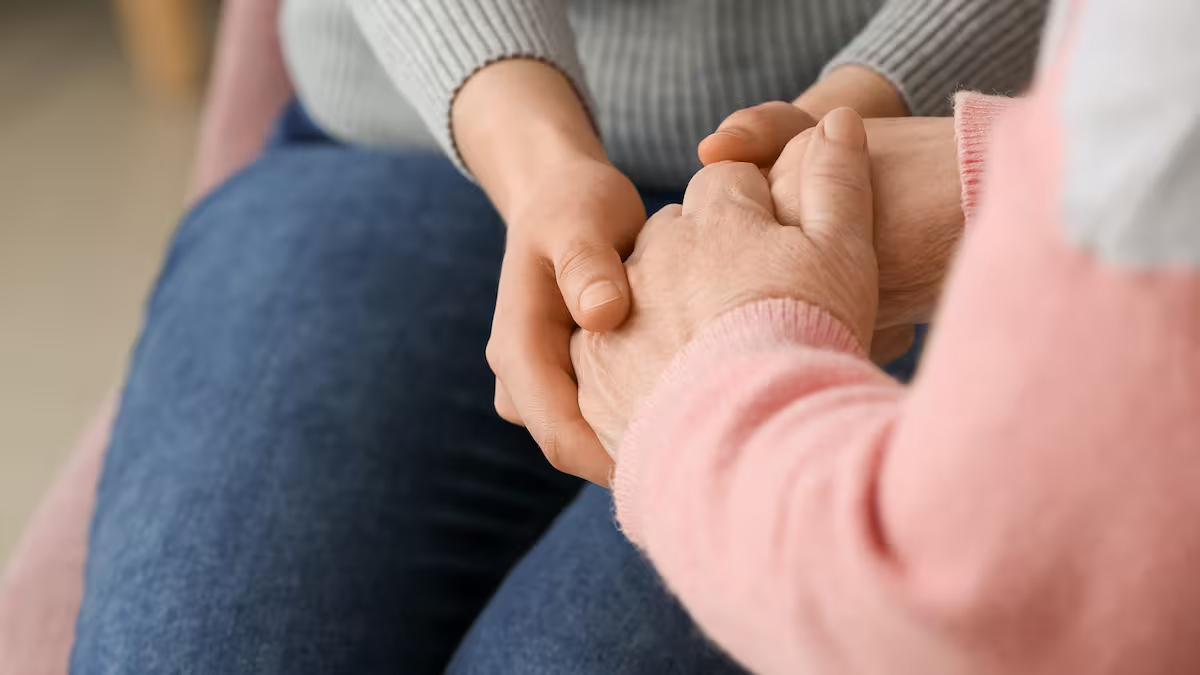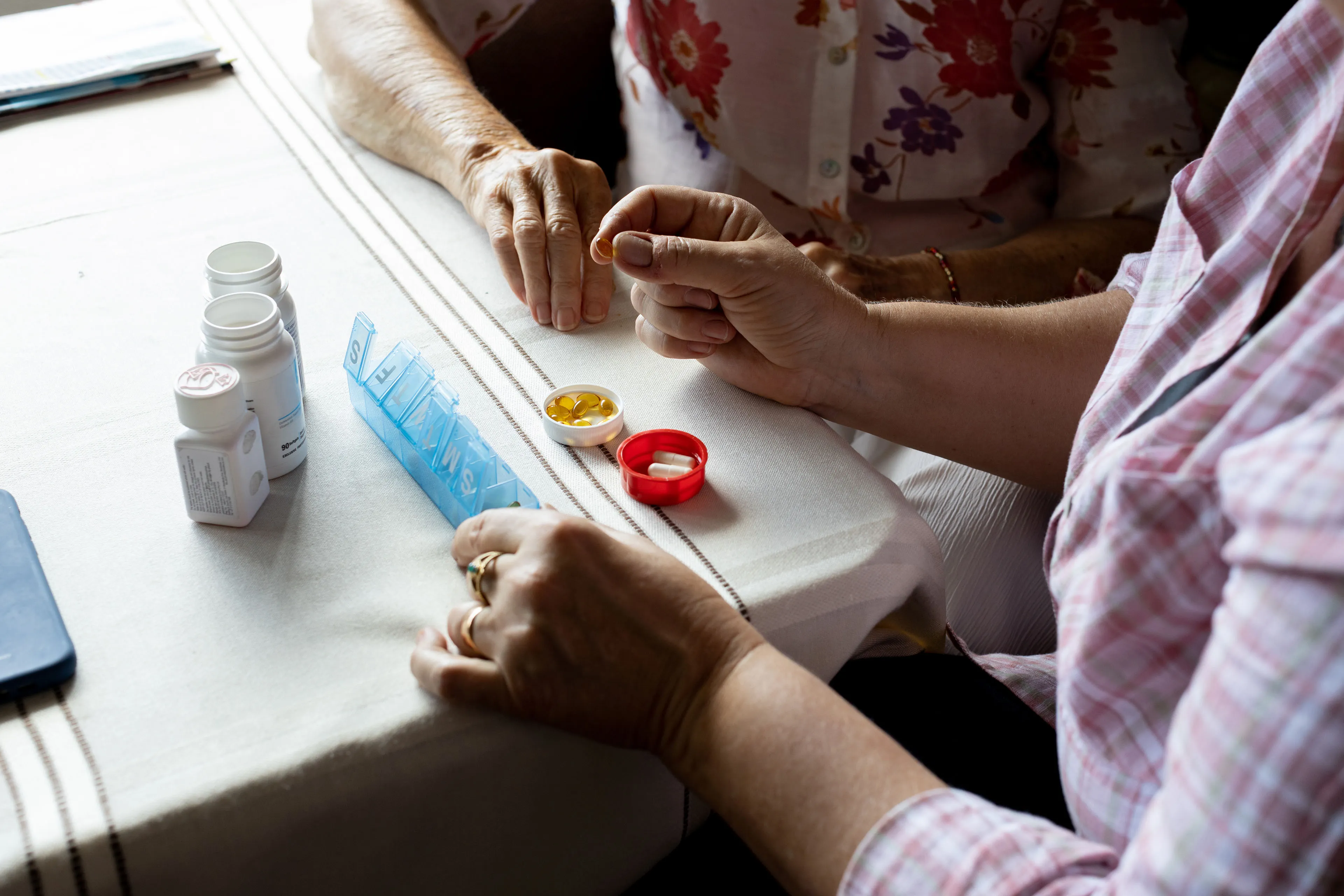
When we hear the word caregiver, we picture a hospital room, a medication chart, someone being helped into bed. The image is clinical and professional. It has little to do with what most caregiving actually looks like, which is a partner noticing that the coffee hasn't been touched, a mother learning to read a particular silence, a friend who knows which calls to answer at 2 am and which ones mean something different.Mental health (Freepik)Many people do not recognise themselves in the word at all. "I'm just being a good partner," they say. "Of course, I'm her mom." Love disguises the role, which is part of why the role so rarely gets named and why the people inside it so rarely get support.After a surgery, through a long illness, or inside a mental health crisis, it is family members and close friends who become the first line of support. They make meals, keep routines, and provide the kind of presence that no hospital can supply. They step into a role without being asked, without training, and often without anyone noticing, including themselves.Mental health caregiving rarely has a visible shape. There is no cast to point to, no wound to dress. What there is instead is attention that is sustained and calibrated, but largely invisible.Over time, caregivers learn the rhythms of another person's interior life, shifts in sleep, speech, energy, and the way a room feels before anything has been said. They learn to offer reassurance without rushing to fix, to sit in silence when silence is what is needed, to know when presence matters more than advice. None of this is instinctive. It is learned, gradually, through proximity and attention.Bipolar disorder is marked by alternating episodes of mania (or hypomania) and depression. During manic or hypomanic phases, a person may experience racing thoughts, reduced need for sleep, high energy, irritability, impulsivity and more. Depressive episodes can bring deep fatigue, hopelessness, and withdrawal. Between episodes, many people live with warmth, humour and stability, which is part of what makes the illness so difficult to explain from the outside. It does not erase the person. But it does make the landscape of a shared life unpredictable in ways that are hard to prepare for and harder to describe.Over time, caregivers learn to watch for early signs of a shift, try to keep things steady, responding calmly to situations that are anything but calm. A systematic review of 39 studies found that caregiver burden and psychological strain were substantial across serious mental illnesses, including bipolar disorder (Cham et al., 2022). A study with family caregivers of people with bipolar I disorder found moderate burden linked to hours spent caregiving and the severity of episodes (Mirhosseini et al., 2024).What these numbers gesture at is something caregivers already live with. The role accumulates. The vigilance does not switch off between hard periods. The fear, the fatigue, the frustration held back because they do not want to make things worse, all of it can go untracked and unnamed. Their own needs, in that process, become the thing no one is watching.Mental illness affects entire relationships, reshaping what a family can hold and how. Research has found that when caregivers receive support, both their distress and the depressive symptoms of the person they care for can improve (Perlick et al., 2018). Supporting the caregiver is also a part of the treatment. It is also one of the things most consistently left out of it.Support does not require a formal programme. It can begin with therapy, a space where caregivers can speak honestly about how hard things feel without worrying about disloyalty. It can mean caregiver support groups or peer support, where the relief is simply being in a room with people who already understand. Practically, it can mean shared responsibility, clearer communication about early warning signs, and help setting limits before exhaustion becomes resentment.Caregiver well-being and patient outcomes are connected. When caregivers receive support, medication adherence improves, episodes are better managed, and the wider network that surrounds recovery becomes more stable. Families that learn together about the illness and its patterns tend to navigate hard periods with less chaos. Crisis plans made during calm stretches mean that when things get difficult, no one is improvising alone.There is a moment many caregivers describe. An ordinary afternoon, nothing dramatic. The diagnosis is not the most important thing in the room. The person they love is just the person they love, the memory, the habit, the humour, the tenderness, everything that was always there and still is. The illness does not erase all that.The demands of caregiving can be considerable. The long stretches of attention, the needs set aside, the feelings swallowed so someone else can stay steady. All of that is real, and it counts, even if it doesn’t feel so.(The views expressed are personal)This article is authored by Dr Poornima Viswanathan, clinical psychologist, psychotherapist and steering council member, IMHA.
Who cares for the caregiver?
This article is authored by Dr Poornima Viswanathan, clinical psychologist, psychotherapist and steering council member, IMHA.
TL;DRAI
Family caregivers of people with bipolar disorder face substantial psychological burden; research shows caregiver support improves patient outcomes. Yet treatment protocols systematically exclude caregiver support, despite evidence it stabilizes recovery and medication adherence.
821 words~4 min read