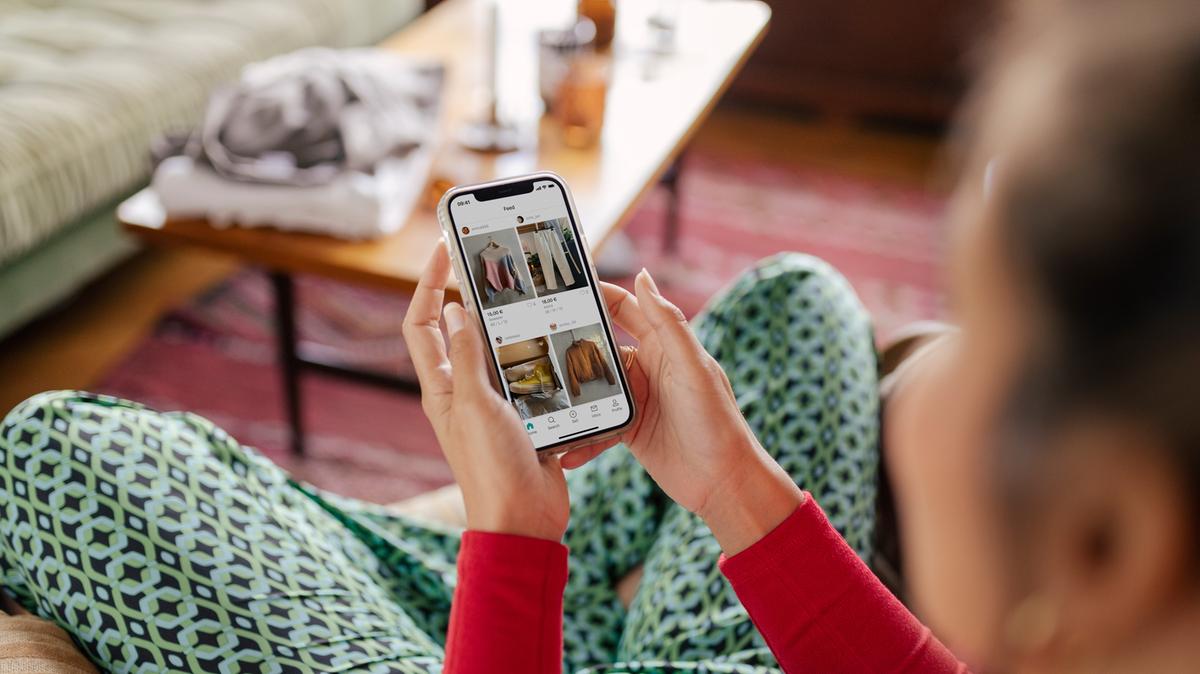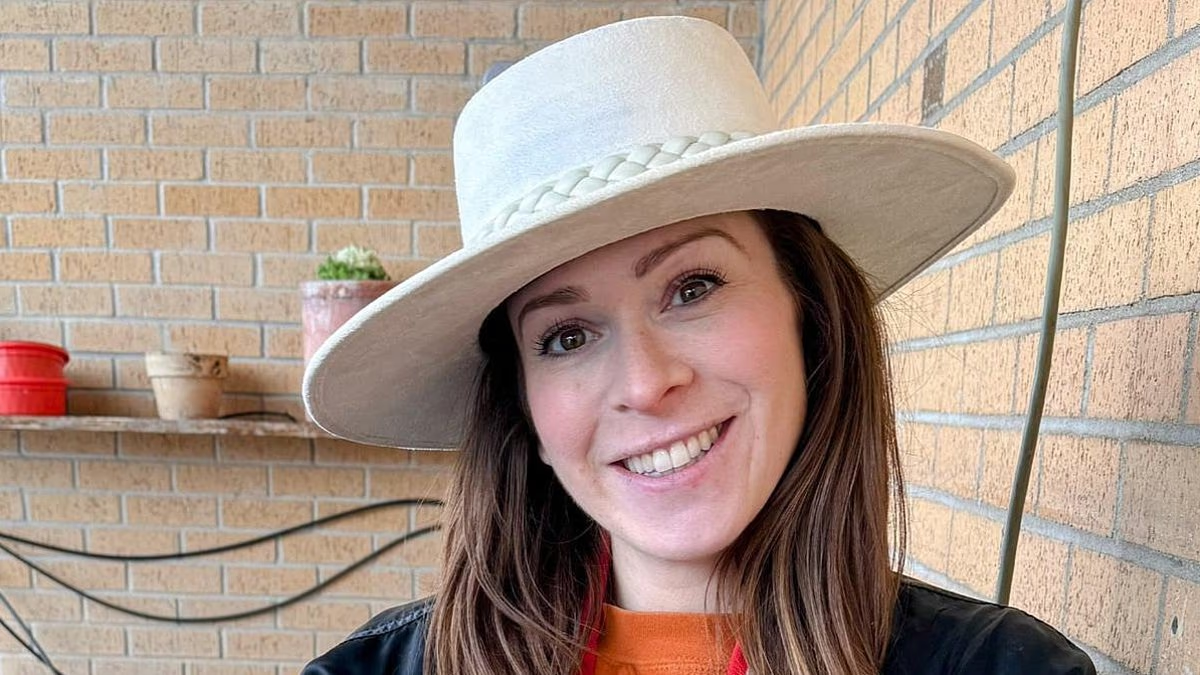
If something is too good to be true, it probably is, as the old adage goes. And nowhere is this truer than online marketplaces.Once the scourge of market stalls, selling platforms have now become the wild west of the counterfeit world.I've been buying and selling on eBay for nearly 25 years, as well as Vinted, Depop and Vestiaire Collective. Depending on what my algorithm pushes out, there are days when my Vinted home page is flooded with fakes disguised as the real deal.Of course I'm not the only one; new government figures reveal one in four second-hand clothing buyers purchased a counterfeit item online in the last year without knowing. Perhaps most alarming is that it's no longer just reserved for high-end designer labels and sought-after sneakers; aspirational brands are also falling victim to the fraudsters.Amongst the fake Fendi, counterfeit Chanel and pretend Prada are knock off versions of premium Scottish label Brora, high-end British high street staples such as ME+EM and Cos, French fashion houses Sézane and Sandro and Danish favourite Ganni. While fakes are not a new problem - who didn't get a bogus Louis Vuitton on holiday as a teenager - advances in technology and drop shipping has further muddied the waters. Add to that the ease and speed of buying from your favourite online marketplace and the result is more fakes than ever.Below are my top tips to avoid buying fakes on Vinted... New government figures reveal one in four second-hand clothing buyers purchased a counterfeit item online in the last year without knowing and almost half of 18-24-year-olds have encountered fraudulent items when buying pre-loved, writes Darryl (pictured)Don't believe 'it's not designer enough to fake'There's a widely held belief that if it's not designer enough, then it's not worth faking. Wrong. As stated above, copies of aspirational labels are now dominating Vinted, from what I see. A quick search on sites like AliExpress and DHgate yields plenty of inauthentic Sézane, ME+EM, Boden and other brands. Official website photos are often lifted and pasted onto phony listings. Because they're not designer, these brands bypass item verification processes therefore completely slipping through the net, meaning they can make huge profit for scammers when sold at scale. Fewer buyers will chase a refund on a £50 fake as opposed to a £500 dupe, with lots of people adopting a 'live and learn' attitude, resulting in a deluge of counterfeit versions on pre-loved sites.Look out for decoy listingsAdding filler listings to camouflage the inauthentic items is a common trick employed by scammers. Often they'll be cheap clothes (a £6 dress for example) with poor quality photos in low resolution or lifted from elsewhere online. Cuddly toys and children's clothes are other decoys and act to trick your brain into thinking the seller is a trustworthy parent. Scam sellers have no intention of ever selling the filler listings, in fact if you tried to buy them the sale would likely be cancelled because they don't exist. The sole purpose is to add credibility to their profile.Avoid label discrepancy Labels should be your first port of call when determining if something is genuine as this will be the biggest red flag – but only if you know the brand well, said Darryl. Pictured left, a fake label, and right, an authentic oneLabels should be your first port of call when determining if something is genuine as this will be the biggest red flag - but only if you know the brand well. To the untrained eye a forged tag will appear legit, but take a closer look. Irregular spacing and wrong fonts will quickly give the game away. Spelling mistakes are another glaring error, especially if written in French like Sézane tags. If you don't already own a piece by the brand, hunt around the internet or in store to find labels for comparison. Always ask for additional photos of the brand, care labels and size tags, front and reverse. If a seller is unwilling to provide these, steer clear and flag to admin.Check the stitching and placementUneven stitching both inside and outside of the garment is an easy giveaway. Stitching, including on care labels and seams, should be even and neat. Decorative stitching and patterns on the outside of a garment will be spaced evenly and identically and buttons need to be uniform and exact. At first glance inconsistencies probably won't be obvious, but examine the finer details and you'll begin to notice.Don't believe the reviewsPositive 5-star reviews should be a failsafe way to determine genuine sellers, but beware of networked accounts where a group of users populate each other's profiles with dummy reviews. The same names will pop up across a number of accounts.It's also worth pointing out that many buyers won't realise they've purchased a dupe and so won't flag in a review. Spend time really going through a user's rating, trying to find any anomalies.Cross reference product codesThe inner labels can sometimes include the code for that specific item. Cross reference online to see if it's genuine. Many of the fakes have a generic code.New users are a major warning signA brand new user selling multiple identical listings is a major warning sign. Even if the seller seems established, having several brand new versions of the same item is a suspect and can be an easy indicator that all is not as it seems.Stock or catalogue photos 'aren't authentic' Genuine sellers, whether that's someone clearing out their wardrobe or a professional reseller, will always upload photos they've taken themselves, writes DarrylGenuine sellers, whether that's someone clearing out their wardrobe or a professional reseller, will always upload photos they've taken themselves. Those selling counterfeit often just use stock pictures.Look out for specific hardwareHigh-end fashion houses use specific hardware and zips so this is the first thing to check when buying second-hand designer accessories because criminals skip small details. Inspect the underside of zips and check online to find out about specific brands. Mulberry, for example, typically uses Riri, YKK or its own branded zips and flat head screws (-) and not a cross versions (x). Genuine sellers will normally include close up photos of zips, screws and padlocks. Again, ask for more photos to help make up your mind.Check the photo backgroundSomething you may never have noticed is what's going on in the background of an item you're checking out. Numerous backdrops always raise my suspicions; most people have one or two places they take their photos, not ten different carpets and floors.Delayed shipping is a major signA delay in posting could indicate the item is being dropped shipped. A slow dispatch time by itself does not point towards fake goods, but have a look at reviews and see if it's a common occurrence. Also, if the seller mentions a one-week delay at lockers investigate further. Couriers, whether it's Evri, InPost or any of the others, collect parcels daily. A delay is an exception, not the norm from the couriers, don't be convinced otherwise.If the price is too good to be true... avoid! The dopamine rush when you find a bargain is intoxicating, but try and keep your wits about you. My number one rule is request more photos, said DarrylAnd last, but by no means least, if the price is too good to be true then it probably is.The dopamine rush when you find a bargain is intoxicating, but try and keep your wits about you. My number one rule is request more photos. Don't bother to ask if it's genuine though – a scammer will never fess up.
Here's how to tell if your Vinted bargain buy is the real deal
DARRYL HANNAH BAKER: If something is too good to be true, it probably is, as the old adage goes. And nowhere is this truer than online marketplaces.
1,262 words~6 min read