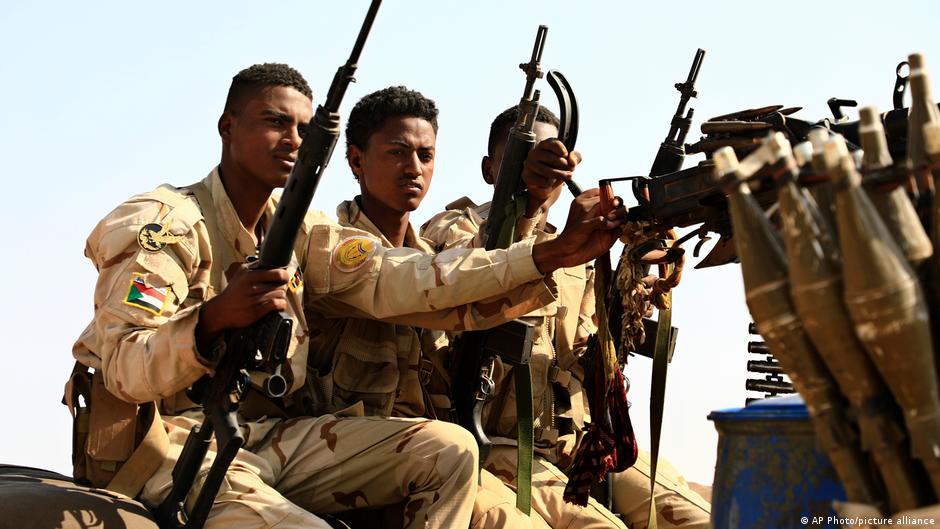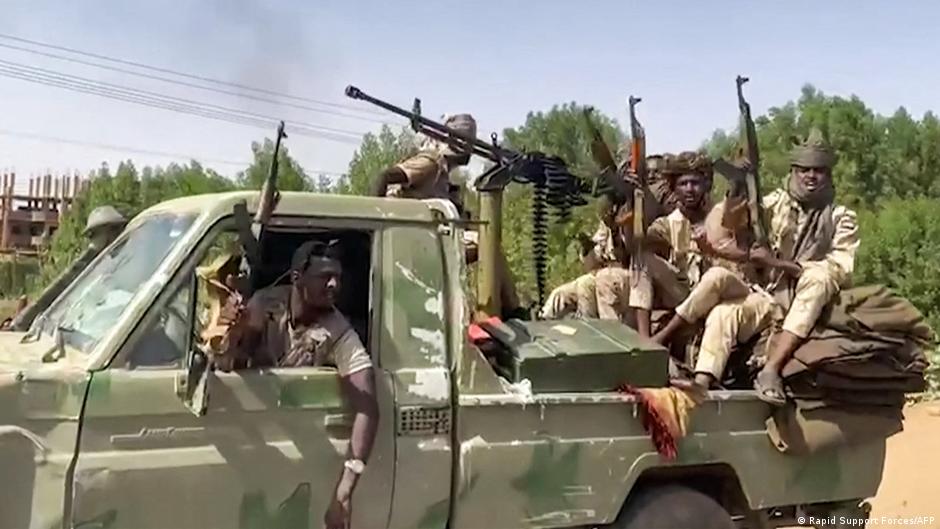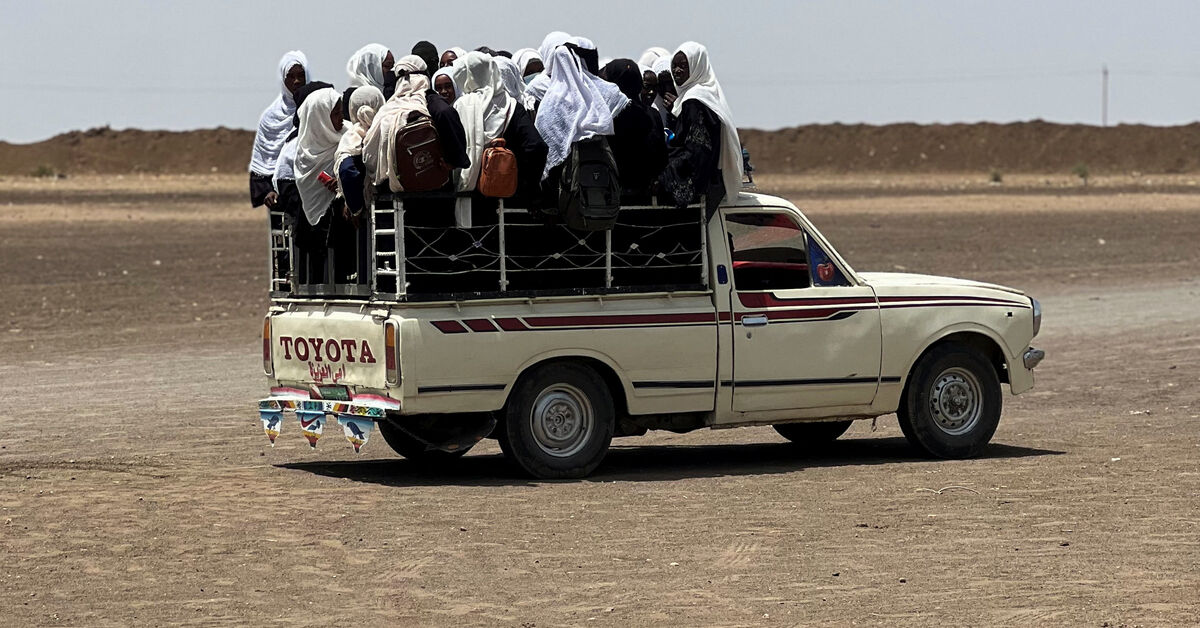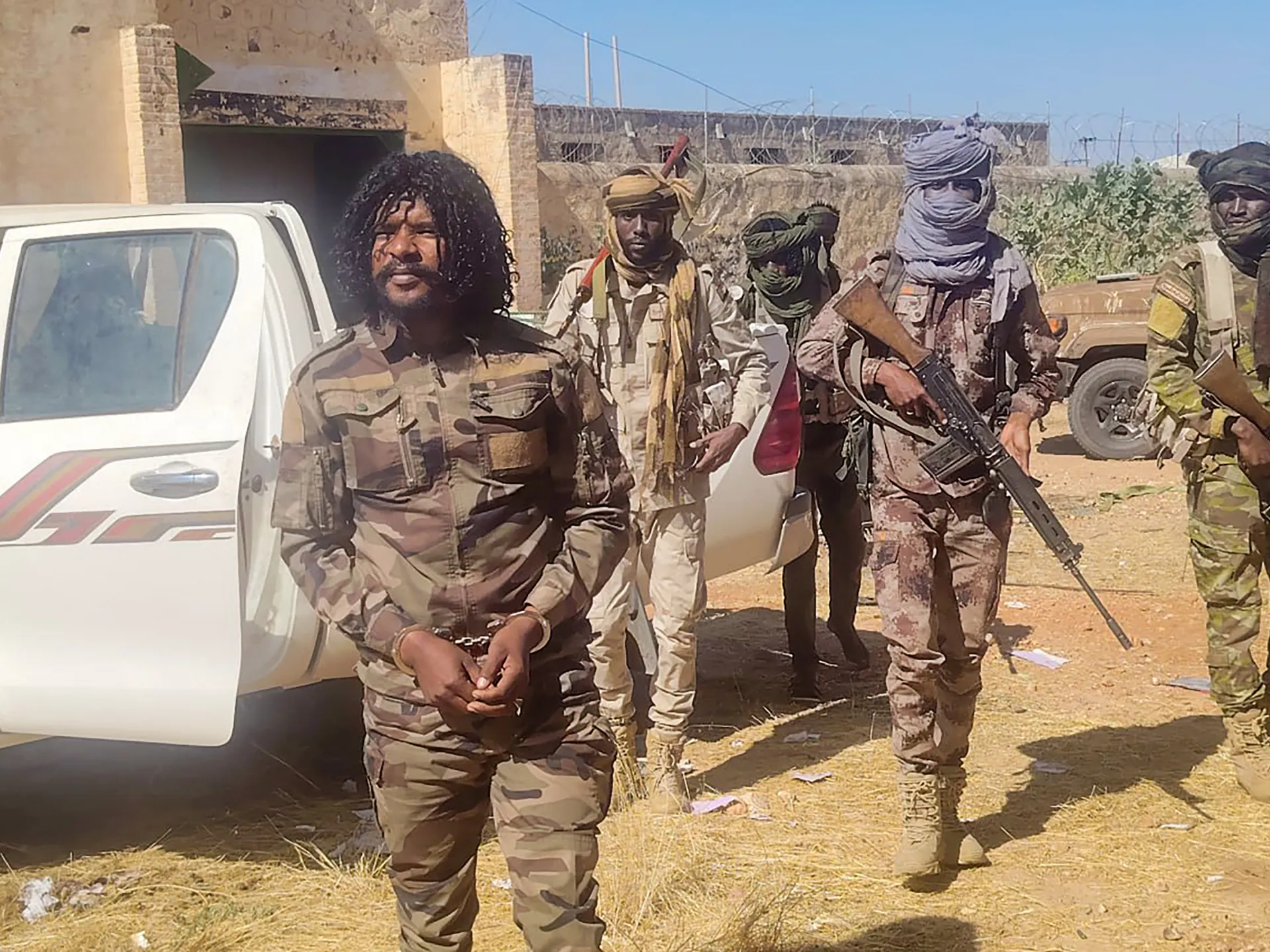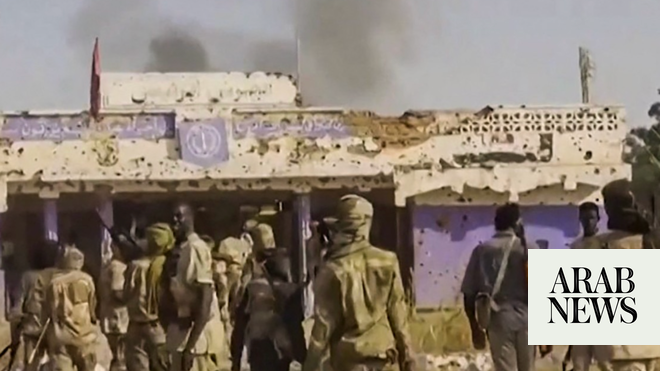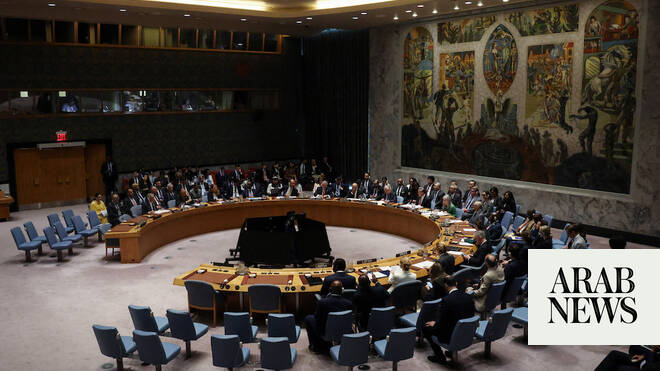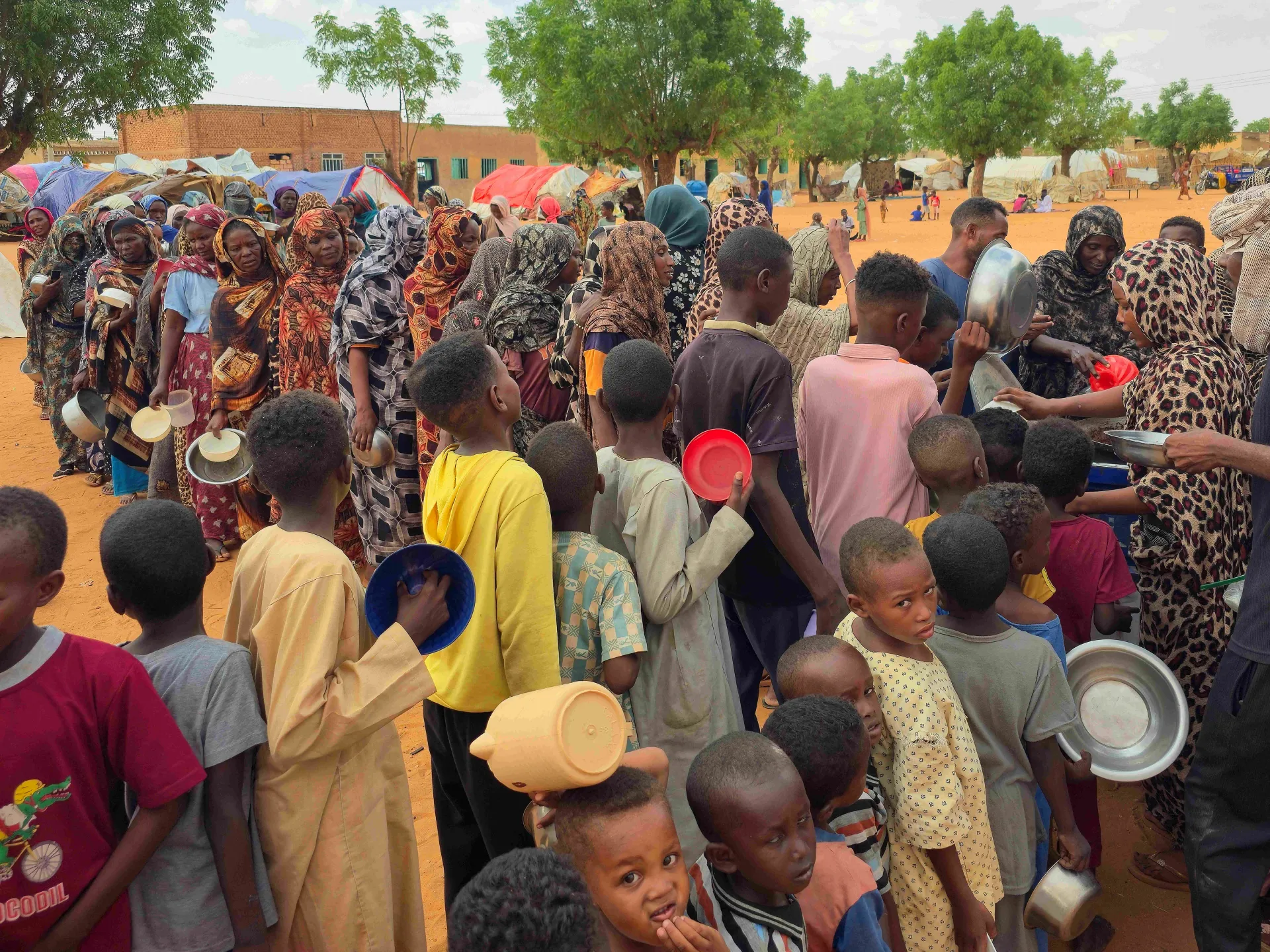
Sudan's Rapid Support Forces is closing in on Al Obeid in the heavily contested Kordofan region as world powers warn of a new wave of atrocities if the paramilitary storms the key city held by the army, its adversary in a devastating civil war.RSF fighters have warned Al Obeid's residents in videos widely shared online to stay clear of military installations inside the city as residents reported daily drone attacks targeting army positions and civilian infrastructure.The city, now home to some 500,000 people, plunged into darkness last week when RSF drones targeted its main power station, residents said. The outage cut water supply to thousands of homes and halted work in several hospitals."Life inside Al Obeid continues at a level that's close to normal," said one resident, Zoheir Hashem. "But we have a fuel shortage because five gas stations were hit and disabled on a single day last week." Another video clip shared online purported to show RSF fighters posing beside a column of new, olive green fighting vehicles. The fighters, carrying rifles and wearing desert camouflage fatigues, spoke confidently of capturing Al Obeid in a matter of days.Gen Mohamed Dagalo, commander of Sudan's paramilitary Rapid Support Forces, signalling the start of high school diploma exams in Nyala in Darfur at a girls school. Photo: RSFInfoAl Obeid sits about 400km southwest of the capital Khartoum. It is home to the army's 5th Infantry Division, a storied outfit with vast combat experience in the country's past civil wars. Militias aligned with the army are also stationed in the city, a major commercial hub. Losing Al Obeid would be a major body blow to the army, much the same way as the loss last October of El Fasher, which was its only foothold in the neighbouring region of Darfur. That defeat left an area roughly the size of France in the hands of the RSF, which also controls parts of Kordofan.The capture of El Fasher was followed by a wave of atrocities, some ethnically-motivated, blamed on the RSF. They triggered an international outcry and a stream of condemnations, prompting the paramilitary's commander, Gen Mohamed Dagalo, to pledge an investigation and the prosecution of the perpetrators.Dozens of countries, including Britain, France and Germany raised the alarm on Thursday at the UN Human Rights Council that the RSF could imminently escalate an assault on Al Obeid, possibly resulting in large-scale atrocities.Senior advisor to the US president for Arab and African Affairs Massad Boulos. AFPInfo“We are deeply concerned at the risk of imminent escalation on the ground, leaving approximately 500,000 civilians at risk of falling victim to large-scale atrocities, including more than 100,000 internally displaced persons,” Tormod Endresen, the ambassador for Norway, told the council in Geneva. Norway shared a joint statement calling on the RSF to immediately cease its assault on Al Obeid. The statement was presented on behalf of the Coalition for Atrocity Prevention and Justice for Sudan, comprising Britain, Canada, France, Germany, Ireland, the Netherlands and Norway, which said they were also joined by 21 other countries. The coalition also urged other countries to apply maximum pressure on the RSF and the Sudanese armed forces to prevent atrocities and protect civilians. It also reiterated the need for unhindered humanitarian access.Like the RSF, the army is also accused of war crimes, including the use of chemical weapons and indiscriminate bombing that has killed thousands. Sudan's army chief Gen Abdel Fattah Al Burhan. Photo: Sudan's Sovereign CouncilInfoThe army controls the capital as well as the nation's eastern, northern and central regions. The two foes have their own governments, with the army's sitting in Port Sudan on the Red Sea and the RSF's in Nyala in Darfur.The war broke out in April 2023 when months of tension between Gen Abdel Fattah Al Burhan, the army chief and de facto ruler of Sudan, and Gen Dagalo boiled over into open warfare, first in Khartoum but later elsewhere in the vast, Afro-Arab nation. There is no exact or reliable death toll in the war, but tens of thousands are believed to have been killed and about 14 million displaced. The war also created the world's worst humanitarian crisis, with nearly half the population - or 25 million - struggling against hunger.
Sudan's RSF closes in on strategic army-held Al Obeid as world powers warn of fresh atrocities | The National
The battle for the Kordofan hub could prove a major test for Sudan's army after a string of setbacks in Darfur
704 words~3 min read