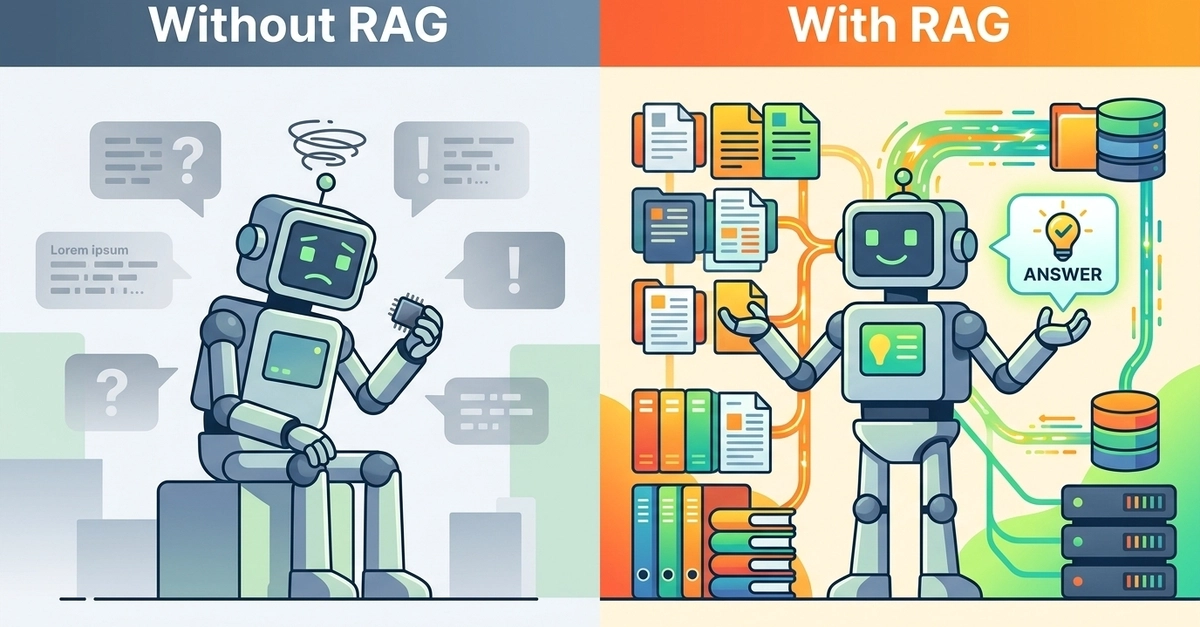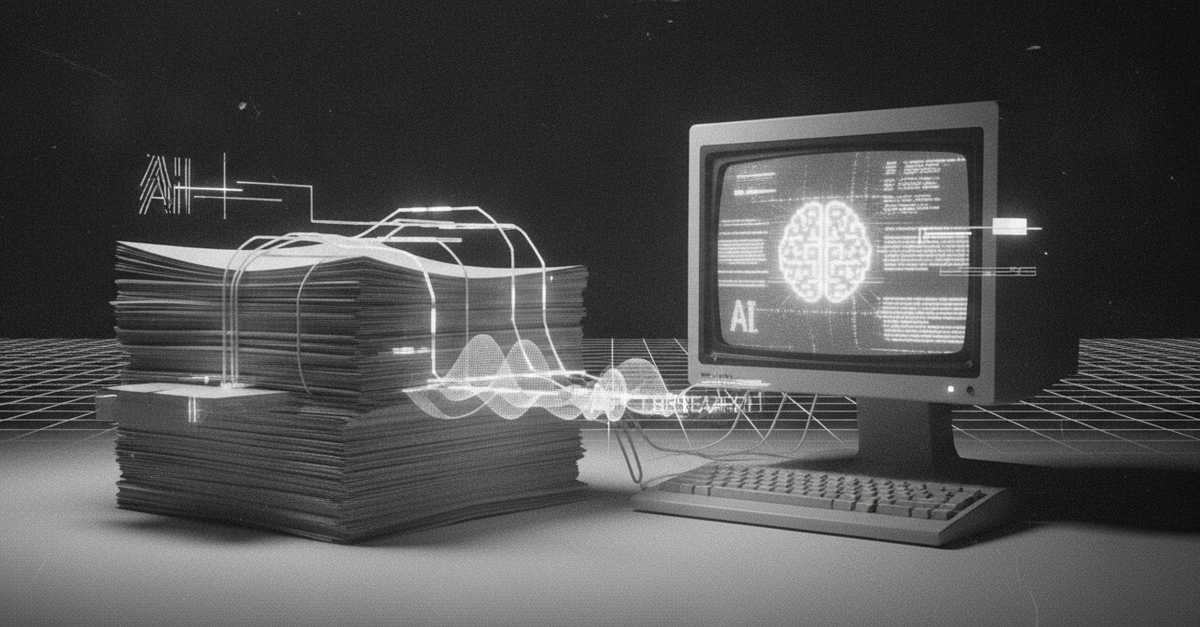
Every RAG tutorial promises the same thing: hook a vector database up to an LLM, and suddenly your model is "grounded" and "won't hallucinate anymore." Then you actually build one, point it at real research papers, and watch it confidently cite a claim that isn't anywhere in the source document. RAG doesn't eliminate hallucination by default — it just gives the model more rope to hang itself with, dressed up as "context." Fixing that, for PaperMind, came down to two unglamorous things: chunking well, and refusing to hide the model's uncertainty from the user.
The retrieval pipeline
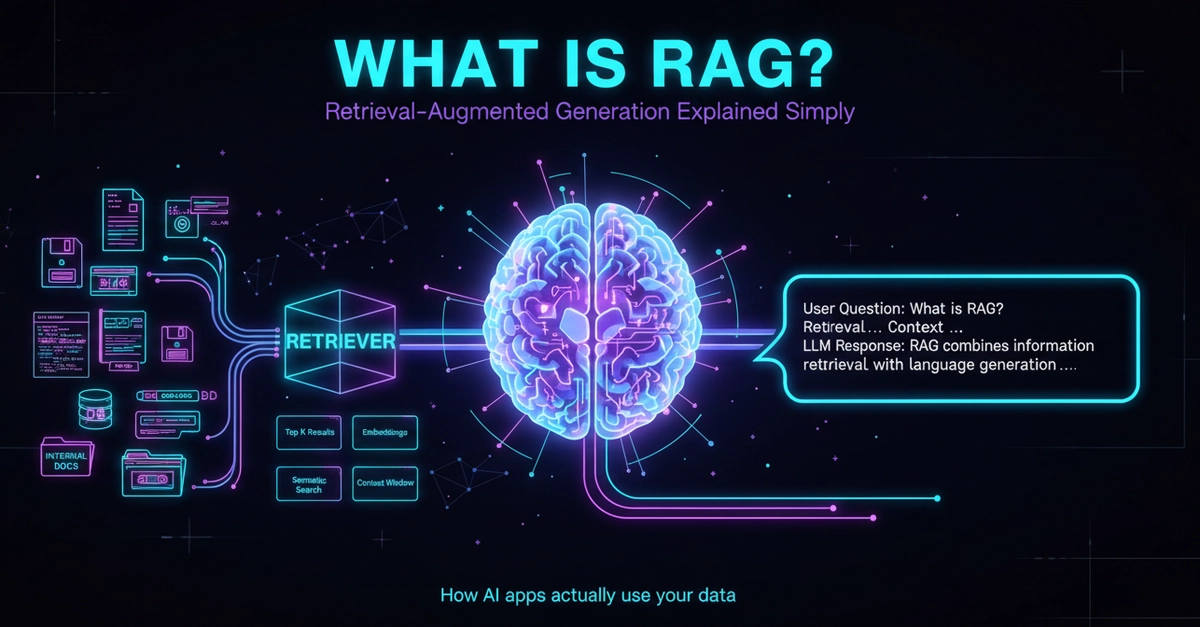
PaperMind's job is to let someone ask questions against a corpus of research papers and get answers grounded in the actual text — not in whatever LLaMA 3.1 happens to remember from pretraining. The pipeline behind that is a fairly standard RAG shape on the surface: documents get chunked, embedded, and stored in Pinecone; a query gets embedded the same way; the most relevant chunks get retrieved and stuffed into the prompt; LLaMA 3.1, served through Groq, generates the answer from that context.
The standard shape is also where most RAG systems quietly fail, and it's worth being specific about where.
Why naive chunking breaks things