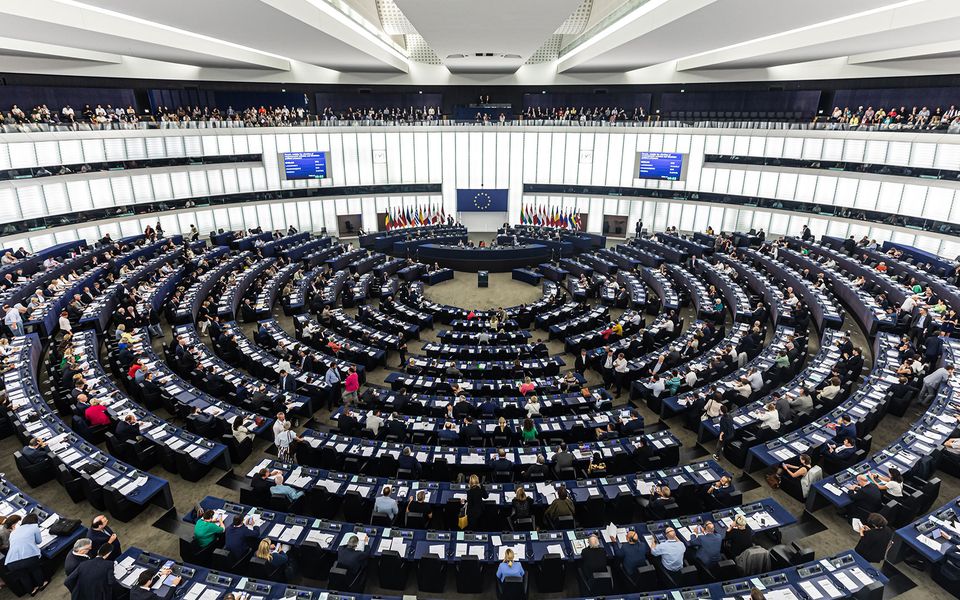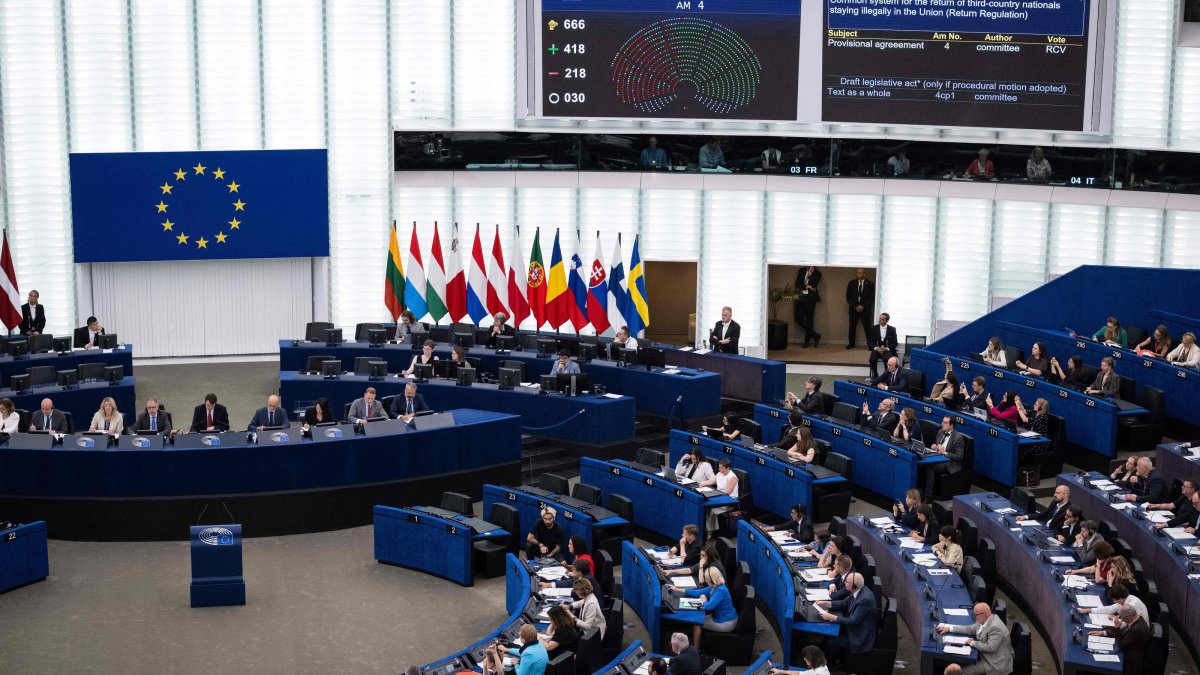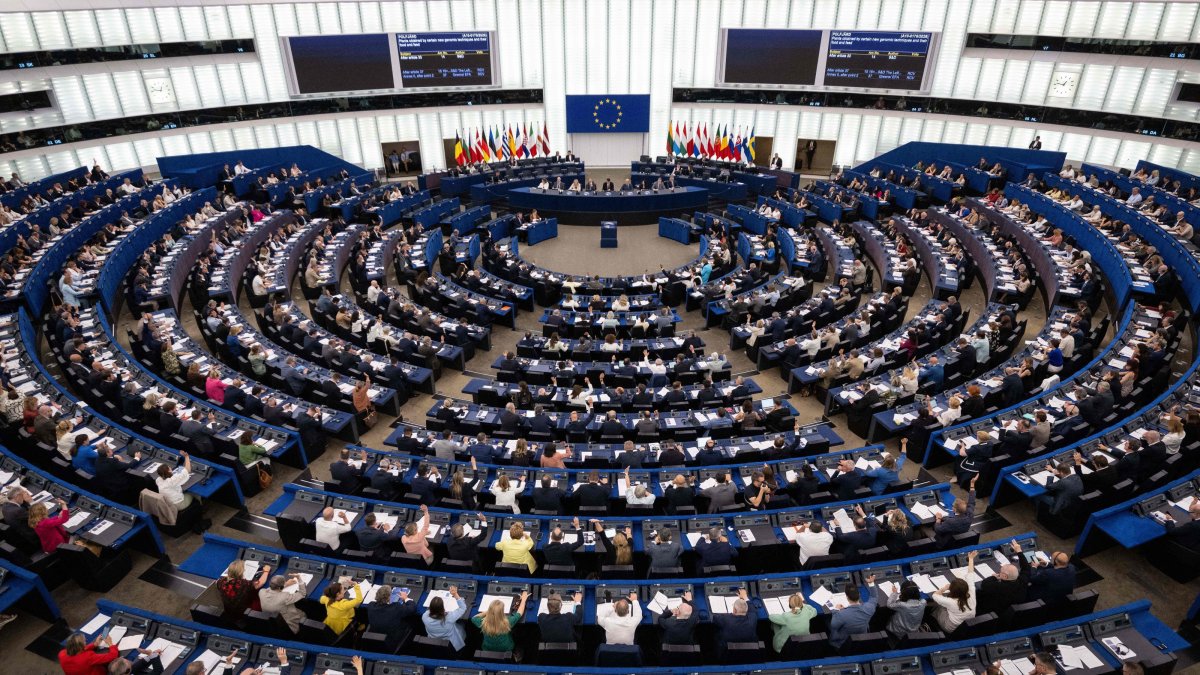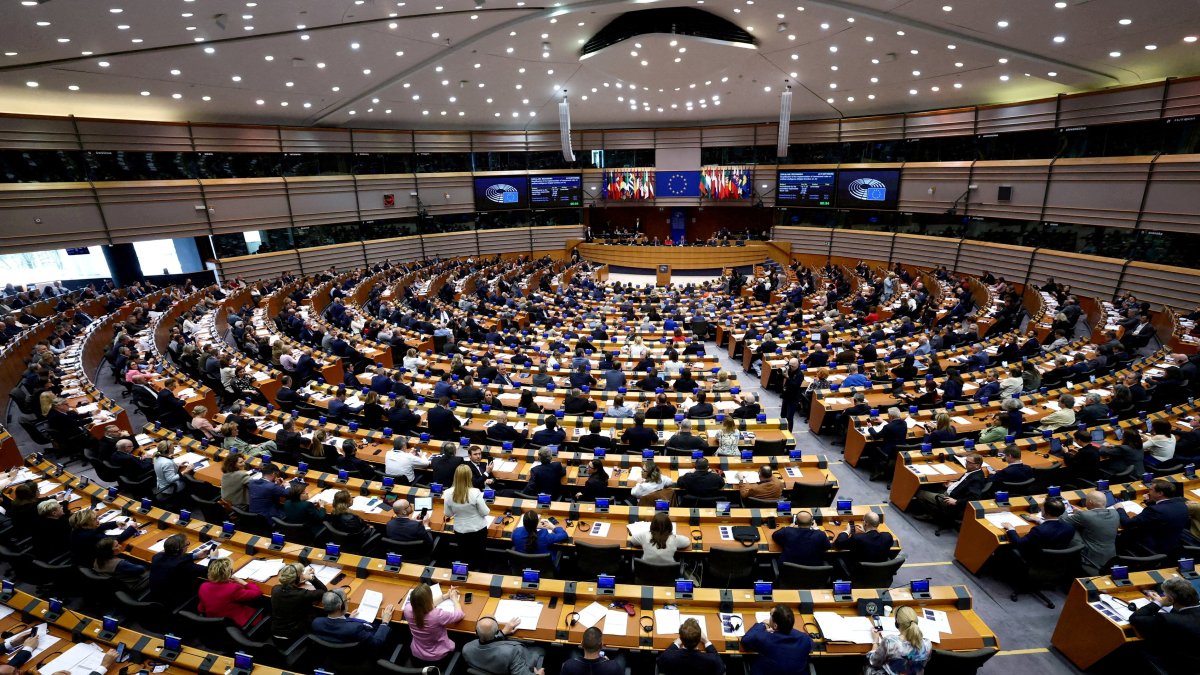
The European Parliament’s latest report on Türkiye once again raises an uncomfortable question: Is the Parliament genuinely interested in strengthening Europe’s relationship with a key strategic partner, or has it become trapped in a cycle of ideological posturing disconnected from geopolitical realities?
The report adopted on June 17 reflects a familiar pattern. It contains sweeping political judgments, selective interpretations of domestic developments and recommendations that exceed the institution’s practical influence while offering little that can contribute to a constructive Türkiye-European Union agenda.
This is not a new phenomenon. For more than a decade, successive EP reports on Türkiye have increasingly evolved from objective assessments into political declarations shaped by partisan preferences and ideological assumptions. As a result, their credibility has steadily eroded among large segments of Turkish society, including many who remain committed to Türkiye’s European vocation.
The fundamental problem is structural. Unlike the European Commission, which is tasked with managing accession negotiations and maintaining institutional dialogue, the EP is inherently political. Its resolutions often reflect the domestic agendas of political groups, election cycles and ideological alignments rather than a balanced evaluation of candidate countries.