A life close to the earth.
| Photo Credit: Getty Images
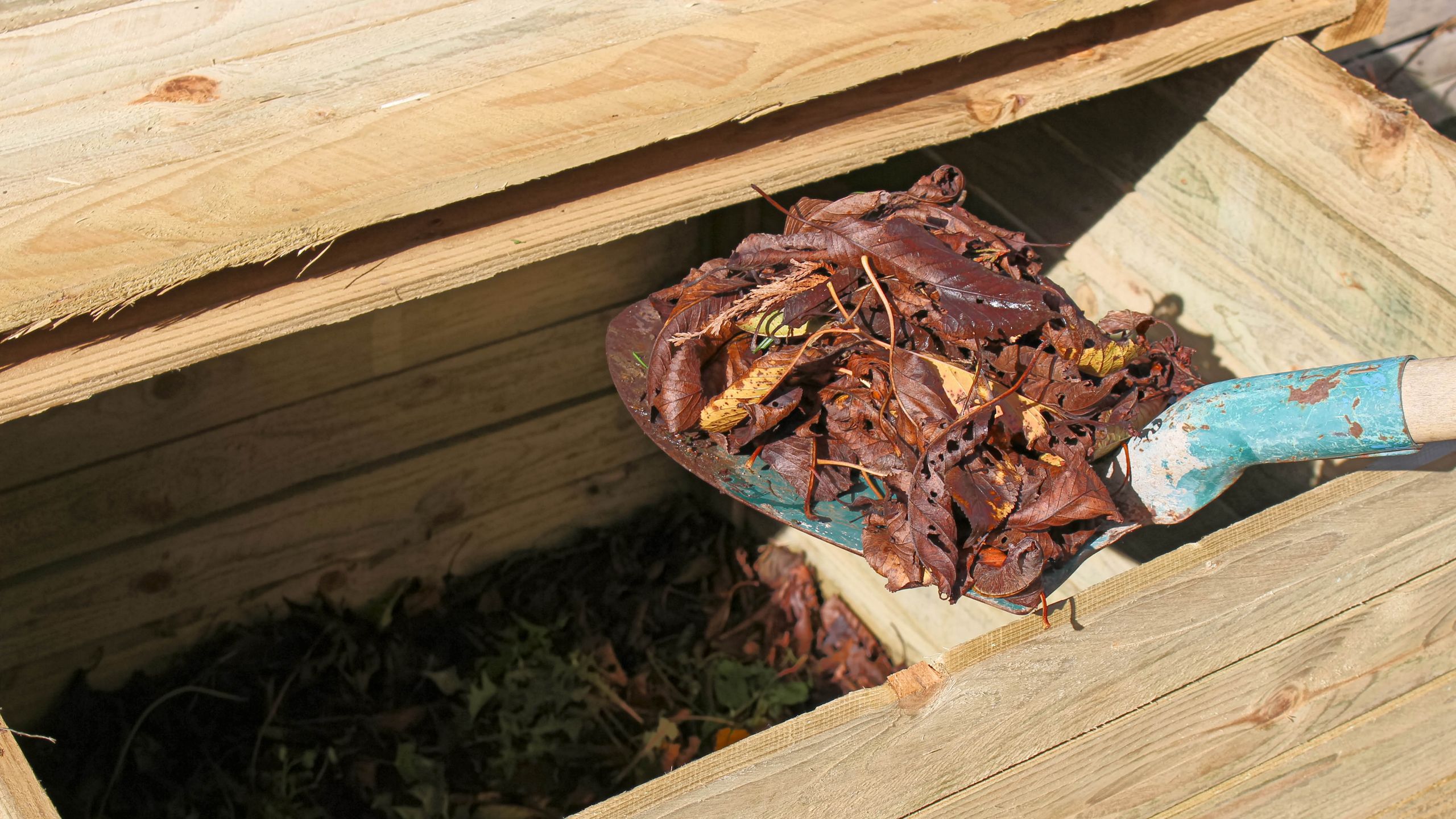
At a storytelling session, I could hear a voice telling eager listeners, “There could be tales hidden in every nook and corner, even in the most unlikeliest of places, if only you care to look for them.”The ubiquitous compost pit in the farthest corner of my garden, nestled amid the coconut, drumstick, jackfruit, and gooseberry trees, is not eye-catching like the flowering plants occupying the rest of the garden space, but it keeps doing its work silently, coming up with new tales, now and then.Fruit and vegetable waste in small buckets from the kitchen, and piles of dry leaves, flowers, and chopped grass are added to it together with some cow dung slurry. Months later, a day would arrive when the contents of the pit would be transformed into nutrient-rich, chemical-free compost, giving me a sense of satisfaction that the waste generated in the garden did not reach a landfill.A visit to the backyard to pluck some drumsticks or its leaves or fallen gooseberries would mean there would inevitably be a “you know what happened” narrative such as a long piece of snake skin found lying on the heap causing a “jaw-dropping” moment or a sudden “thud” caused by a falling coconut, landing right in the centre of the heap, making it literally a “jump out of the skin” moment.As I stepped over the heap to collect the coconut, I could feel the heap going down in the middle, telling me that the decaying process was ongoing. A huge jackfruit lying split wide open in the middle of the pit, with its insides ravaged, meant that the local troop of monkeys had made their daily visit.Often birds such as coucals, bulbuls, woodpeckers, treepies, mynahs, crows, yellow-billed babblers, pigeons, drongos, koels or robins would land on the trees surrounding the heap, at various times of the day and regale us with their music but you had to practise tiptoeing to catch a glimpse of them. The sound of a mobile ringtone would have them take wings in a jiffy.They would even jauntily take a walk over the heap and poke around for worms and insects. I even spotted a mean-looking kestrel perched amidst the branches, sharpening its talons.Ants arrived in hordes and if you wanted to study ants this was the place to be. Occasionally, when a rake was used to turn over the pile after watering, I could spot slimy worms of varying sizes making me wish I was elsewhere but the end result after several months would be powdery compost, adding a handful of which would make the chilli plant grow by leaps and bounds.The pile was a a sort of mini science lab. Some magic spell was at work here for one morning, I could spot a handful of tomato seedlings on the heap, thanks to some rotten tomatoes in the kitchen waste added to the heap. There were some neem seedlings and a yellow pumpkin creeper too, adding a touch of green to the heap. A white feather with patches of grey and black collected from the heap would be another addition to an ever-growing bird diary.A closer look at the pile revealed many earthworms burrowing their way into the pile, a sort of master-class by itself but even this was eclipsed by the sight of a brood of peacocks foraging around the pile.Months later, the pit is dug up and the contents removed. Next to the pit sits a mound of dark coloured compost leaving me with a sense of elation plus contentment.Meanwhile, the wind is busy. It has blown a pile of leaves near the heap and along with it a plastic cover. I pick up the intruder. The whole process will start again. The koel on the drumstick tree strikes a melodious note. It seems to be saying, carry on and spread the word.vidyav123@gmail.com Published - June 21, 2026 03:46 am IST