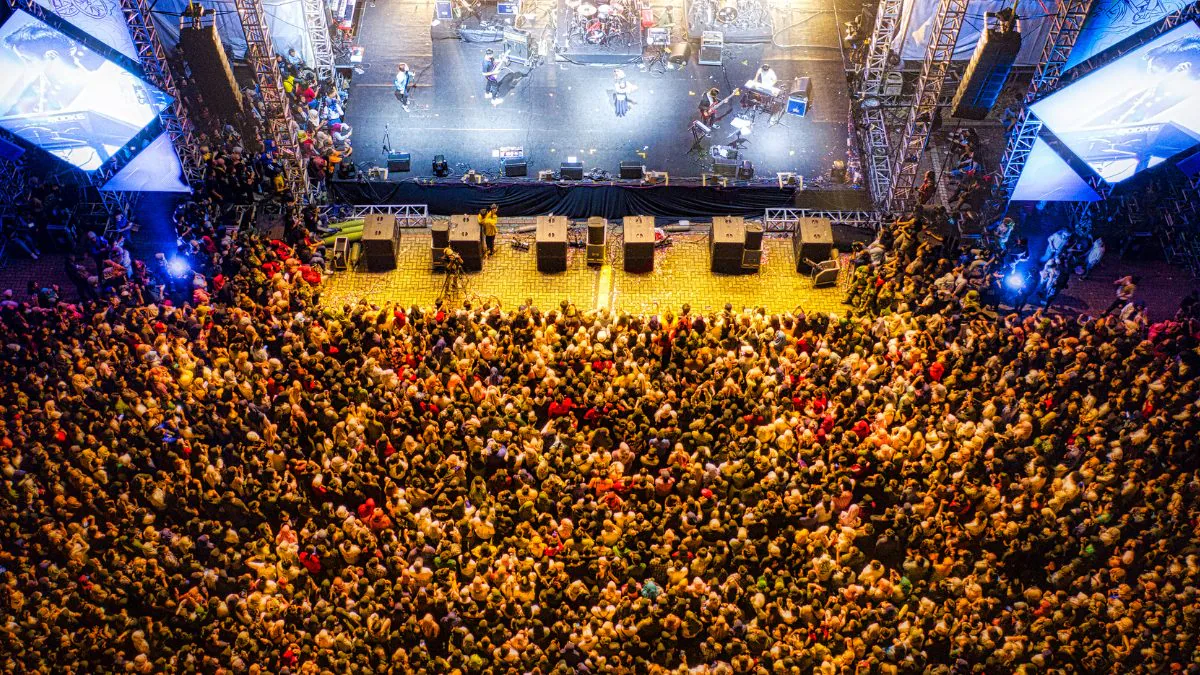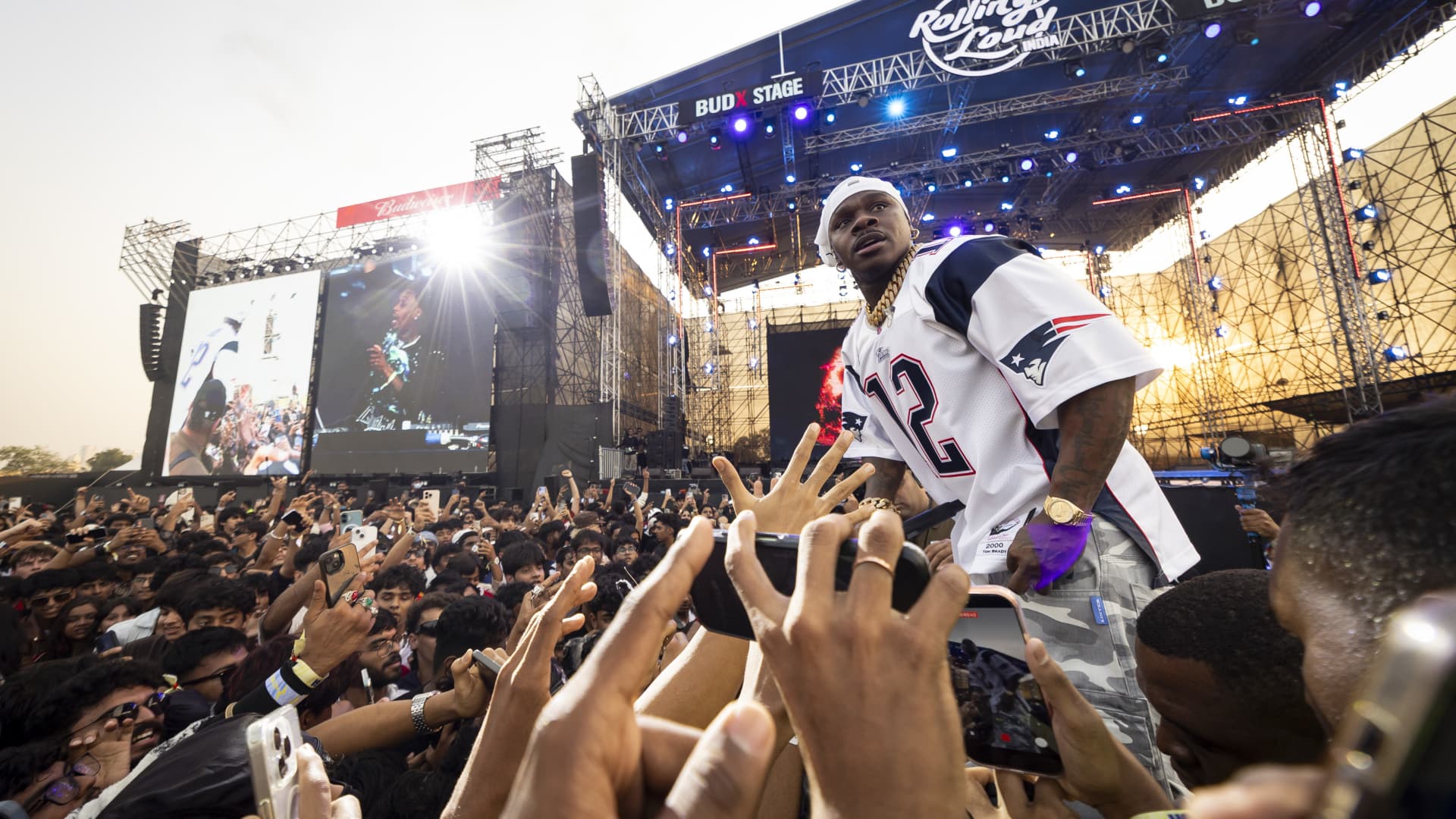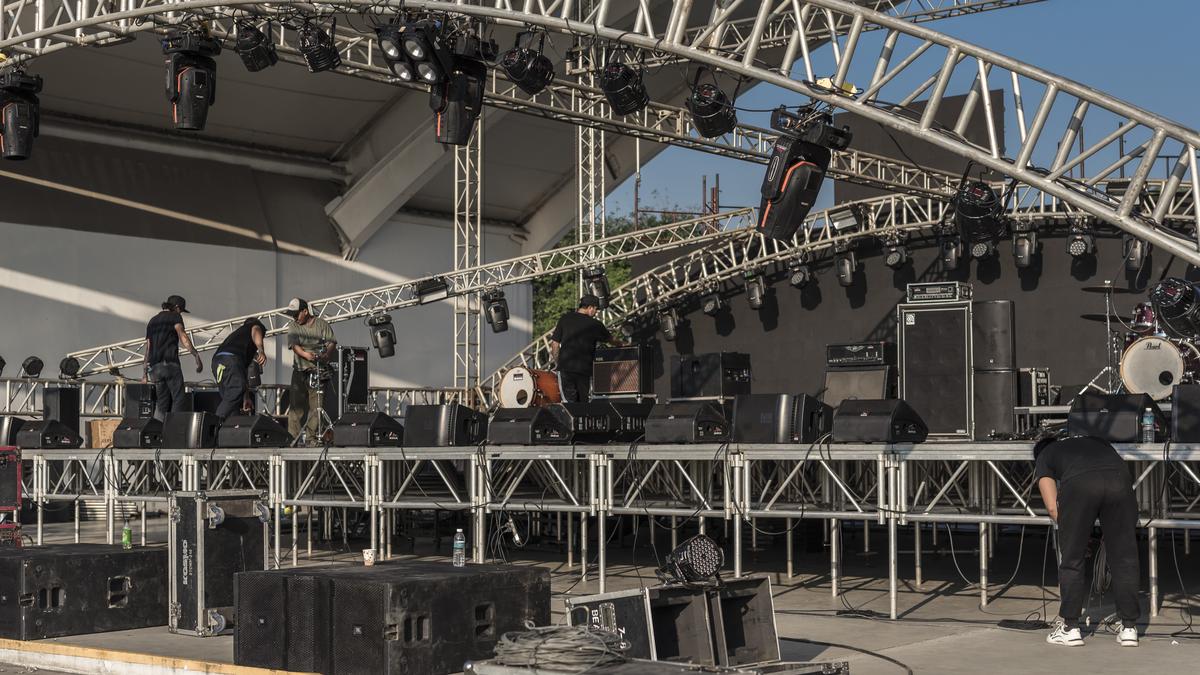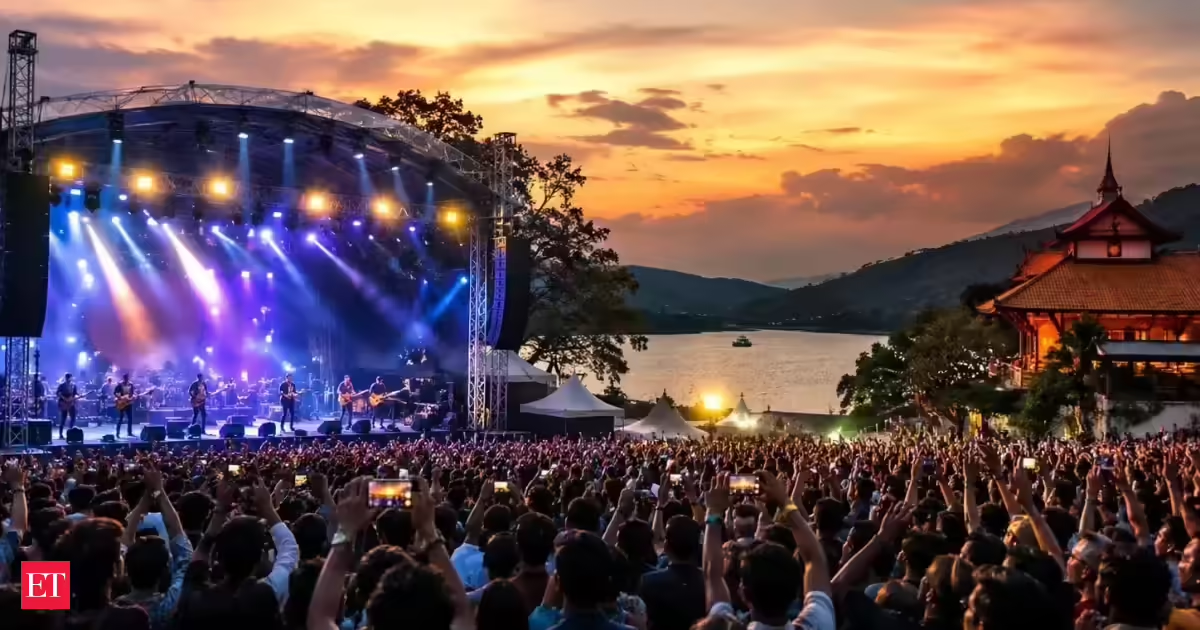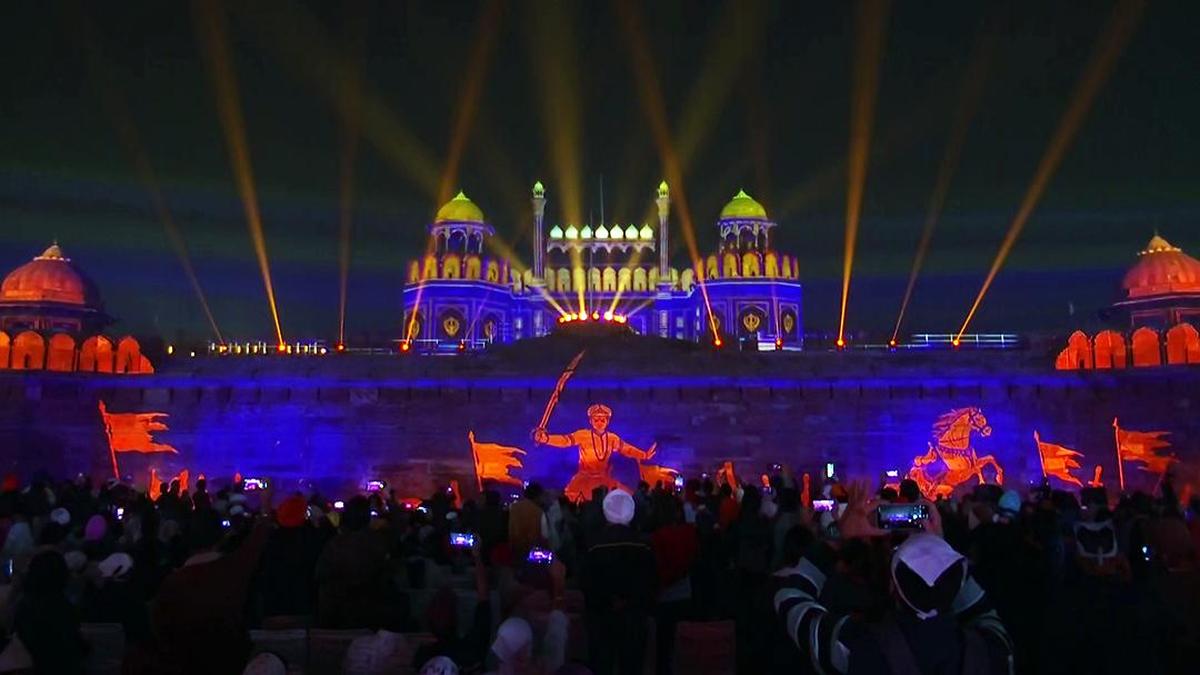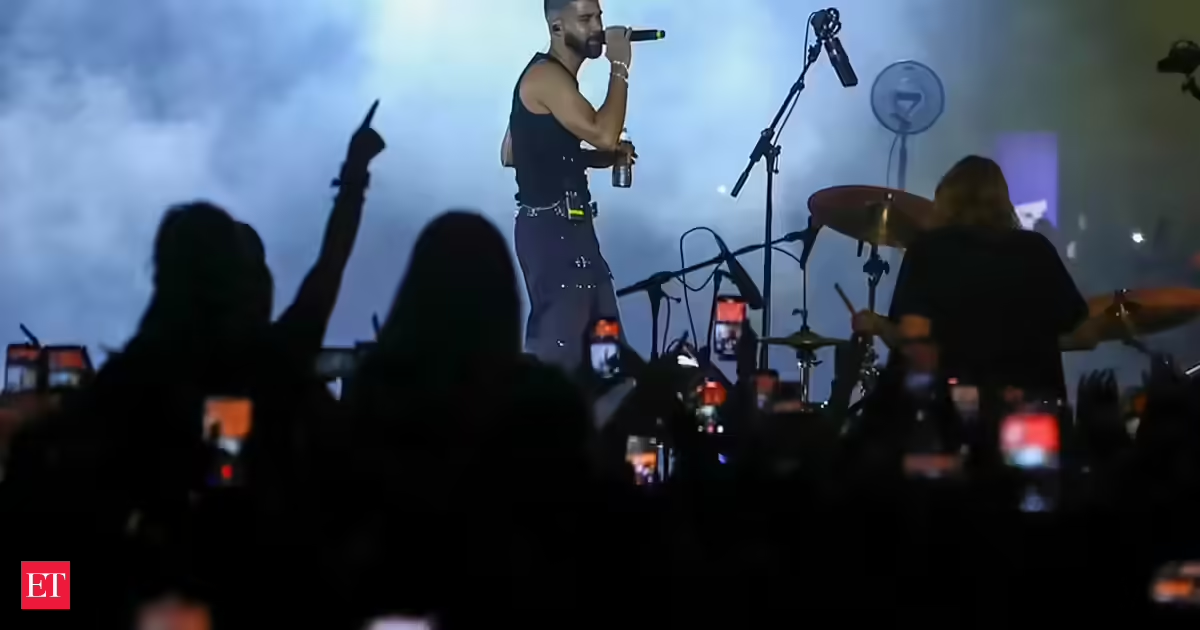
When tickets for rapper Travis Scott’s 2025 Delhi concert went on sale, over 1 lakh seats were snapped up in a couple of hours, Indian music lovers had spent close to Rs 100 crore.Similar scenes have played out for global stars such as Ed Sheeran and Coldplay and for Indian performers, including Diljit Dosanjh and Arijit Singh, which makes one thing clear: India has arrived as a serious live entertainment market.About time too. For far too long, fans of music have had to travel to Singapore, Bangkok, or Dubai, for shows of their favourite artists. That spending power can now stay in India.The fandom is here. International artists have taken notice. Brands are interested. But the stage, it seems, is not ready. A fundamental weakness is inhibiting the current boom from going to the next level: lack of purpose-built concert venues.As promoters build temporary arenas from scratch for every major show, costs remain high, profits are thin and the fan experience is inconsistent. Industry insiders argue that solving this infrastructure bottleneck is critical if India wants to transform a concert boom into a sustainable entertainment economy.ET BureauLive entertainment shows in India face a venue problem as concert economy growsAlso read: India's new drama is about the fight for your 1-minute attentionGROWTH INHIBITORThe momentum is clear. EY pegs the country’s live events economy, including con - certs, at Rs 17,000 crore and growing at a fast clip. Alongside ticket sales, concerts are driving tourism, hospitality and local spending. For brands, too, live entertainment is emerging as an intentional experiential marketing stream.“India has evolved into an indispensable market for international talent,” says Alaap Gosher, cofounder, TM Ventures, an entertainment consultancy and artist management agency. “As India gives streaming numbers and followers that even three-four countries together cannot provide, it has become a compulsory stop for any artist touring Asia,” says Gosher, who is a talent manager for Arijit Singh and other Bollywood musical talents.However, India’s venue problem can kill that momentum. “There is hardly a venue in India meant purely for live entertainment,” says VG Jairam, founder of Hyperlink Brand Solutions and the force behind Mahindra Blues Festival.“Every (concert) promoter in India basically acts like a construction company,” says Anmol Kukreja, cofounder of Skillbox, a live entertainment, ticketing and artist management platform. “They build an entire arena in a day and then tear it down.”As Sabbas Joseph, event industry veteran and cofounder of Wizcraft Group, says, “The opportunity arrived before every - thing else was in place. This is currently hurting the development of the concert economy. Rather than growing, it is probably in danger of de-growing.”India’s concert boom is happening decades after live entertainment became a mature business in the West. And unlike mature concert markets where plug-and-play entertainment arenas are standard, most large concerts in India continue to be staged on sports grounds, in exhibition centres or open plots that must be transformed into temporary venues.The result is higher costs, higher risk and often an inferior consumer experience—adding up to an increasingly fragile business model. Insiders estimate that venue and production expenses account for 30-40% of the cost of putting up a show. Artist fees often consume 50%. This leaves little room for profitability even when concerts sell out.CASH BURNAlthough India offers demand, many stake - holders point out that artist fees, especially for international acts, are often out of step with the Indian market’s ticket-paying capacity. The lack of permanent concert arenas only amplifies this problem.“A lot of cash is burnt on live concerts,” says Jairam. This is money that could otherwise be spent on improving the fan experience, booking more artists or expanding the market. Instead, it is spent on recreating the same basic infrastructure over and over again.“If there is a plug-and-play venue, all these costs will come down and it will become economically viable for any promoter to do a show,” says Kukreja.Vincent Samuel, managing partner of Bengaluru-based event services company Greenstone Entertainment, says India’s challenge isn’t just venue infrastructure, it’s city infrastructure. Many world-class stadiums here lack road access needed to support large scale concerts. He was involved in the creation of Terraform in Bengaluru touted to be the only outdoor plug-and-play live concert venue in India.A plug-and-play venue, such as The O2 or Wembley in London or MSG in New York, eliminates the need for most temporary construction by providing permanent stages, roofing, backstage facilities, utilities and audience infrastructure from day one. “Almost 60% of the infrastructure is ready at Terraform. What takes seven days at another venue can be built in two days at Terraform. So, you save time, manpower and production costs. You are saving at least Rs 30-40 lakh here compared with building in a no-facility venue,” says Samuel.ET BureauAlso read: Walmart's Flipkart plans foray into India's ticketing market as live events boom, sources sayCHICKEN-AND-EGGThe problem is investors hesitate to build dedicated arenas until there are enough concerts to justify them. Meanwhile, promoters struggle to stage more concerts be - cause dedicated arenas do not exist.The problem is investors hesitate to build dedicated arenas until there are enough concerts to justify them. Meanwhile, promoters struggle to stage more concerts be - cause dedicated arenas do not exist.The result is familiar to anyone who has attended a major concert in India long queues at food and beverage counters, inadquate washroom facilities, parking bottle - necks and crowd-management challenges.Rahul Ganjoo, CEO, District by Zomato, says venue limitations do not show up as failed negotiations with artists, but as con - versations that never begin. “An artist’s production team sends a technical rider. No venue in the target city qualifies, and the cost of building a temporary structure to meet that rider pushes the show past the point of viability. India drops off the routing plan before any public announcement is made.” For brands, venue quality directly influences crowd size and concert experience. The suitability of a sponsorship also often depends as much on the venue as on the artist performing there.“Experience matters and venue matters,” says a senior marketing executive, who has led sponsorship partnerships across major music properties. For instance, a packaged water brand may benefit from large outdoor festivals where most audience members will be looking for water to drink, while premium fashion, luxury and financial services brands often prefer highly con - trolled environments where exclusivity and hospitality can be carefully curated. “A lot of thought has to be put into the venue to match the category,” says the executive quoted above.Lalita Nayak, chief marketing and communications officer of Mitigata, who was earlier in-charge of marketing for RuPay, which has sponsored live concerts, says, “We absolutely need great venues. The experience goes up. The propensity and probability of bigger brands associating with them will also go up as experience takes centre stage.”As more brands are going in for experiential marketing, these considerations are becoming important . An EY Parthenon BookMyShow report from January 2026 says that one-third of the brands invested in experiential marketing allocate 11-40% of their total marketing spends to the category.Industry estimates suggest sponsorship can contribute anywhere between 20% and 50% of an event’s revenue. Yet, brands are only able to scratch the surface of what is possible. “The moment predictability comes in, suddenly the expressways for growth come in,” says Joseph. Naming rights, VIP lounges, digital experiences, connectivity partnerships and year-round experiential activations suddenly become possible.Also read: Assam emerges as concert hub; Rs 700 crore opportunity seen in 5 yearsLOUD & CLEARUltimately, venue infrastructure bottleneck limits not only today’s economics, but also tomorrow’s ambitions. Although global artists are interested in India, highly experiential concerts such as those of Hans Zimmer are hard to execute because India’s temporary venues don’t offer the stage and tech capacities to pull them off.Jairam argues that India’s infrastructure deficit is now the single biggest obstacle to creating a sustainable concert economy. India needs a network of purpose built entertainment venues across major cities, ranging from intimate 4,000 seat arenas to large-format venues that can accommodate up to 1,00,000 fans. “The moment you have 10 such venues, you can turn to an artist and say: I can offer you a 10-city tour,” he adds. “Then the conversation changes. You can structure pricing differently because the market economics change.”Ganjoo says if India had two-three good venues across major cities, it would improve routing certainty. “India would become a default multicity stop on a world tour, not an exception that requires a separate business case.” Everything else better margins, broader price tiers, more artists follows from that.There are signs that policy makers are recognising the opportunity. Joseph points to efforts to create single-window clearances, streamline licensing process - es and the government’s Live Events Development Cell.Several state governments are also considering policies for the sector. Samuel says at least three-four companies want to build venues now, and brands are interested in picking up naming rights. District by Zomato, for instance, has acquired the naming rights and operational management of Terraform Arena for a few years. The venue now operates as District Arena at Terraform.It looks like the next chapter belongs to those who build the stages.Unlike mature concert markets where plug and play entertainment arenas are standard, most large concerts in India continue to be staged on sports grounds, in exhibition centres, or open plots.Promoters have to build everything from scratch, racing against time. The result is long queues at food counters, inadequate washroom facilities, parking bottlenecks and crowd-management challenges.Nearly 80-90% of a concert’s economics is consumed by artist fees and venue-production costs before a single ticket is sold. That leaves very little room for profit.
Critical Stage: India's concert boom has a venue problem
India's booming live entertainment scene, evidenced by massive ticket sales for global and local artists, faces a critical hurdle: a severe lack of purpose-built concert venues. Promoters are forced to build temporary arenas, inflating costs and limiting profitability. This infrastructure gap hinders India's potential to become a sustainable entertainment economy, despite strong fan demand and international artist interest. Addressing this bottleneck is crucial for future growth.
India's Rs 17,000 crore concert market surges (Travis Scott sold out in hours), but rebuilding temporary venues for each show burns 30-40% of budgets. Absence of dedicated arenas traps growth in chicken-and-egg deadlock: investors won't build without demand, promoters can't scale profitably without infrastructure.