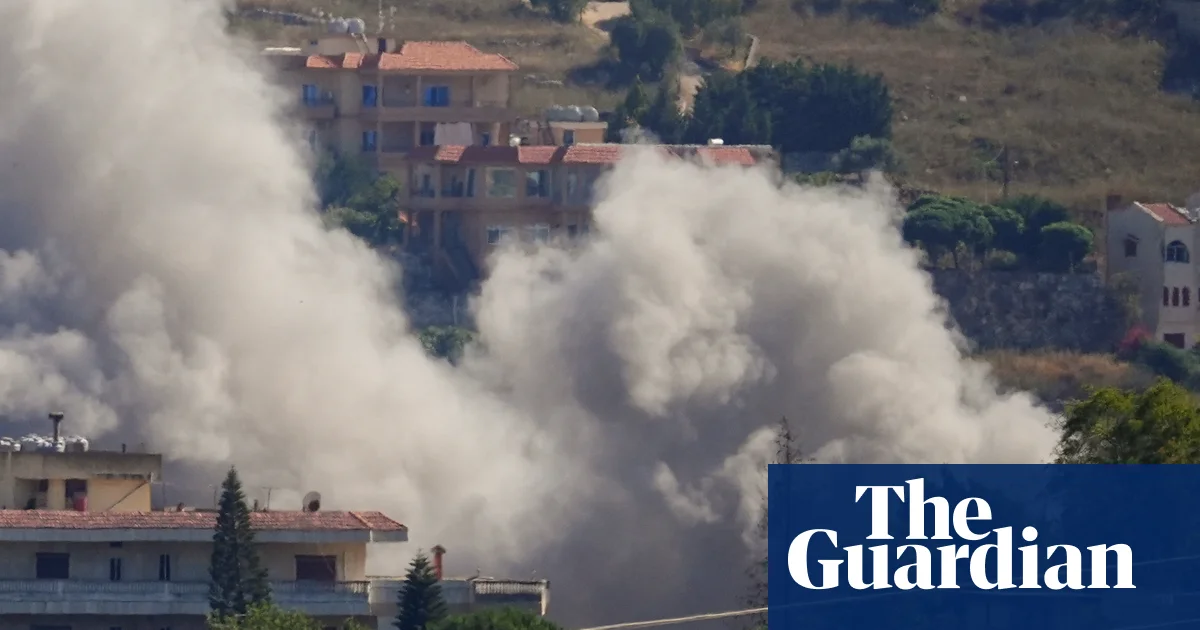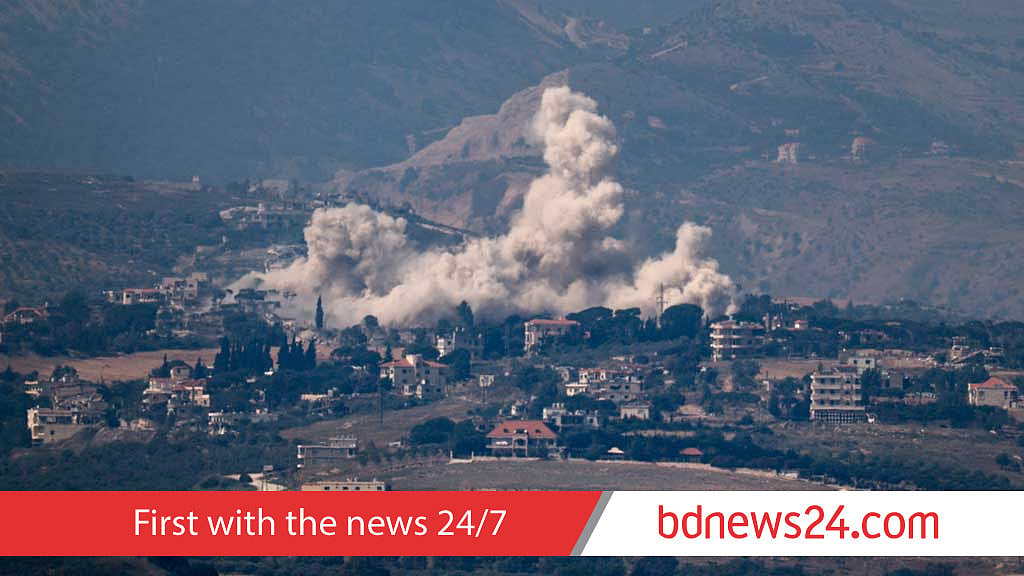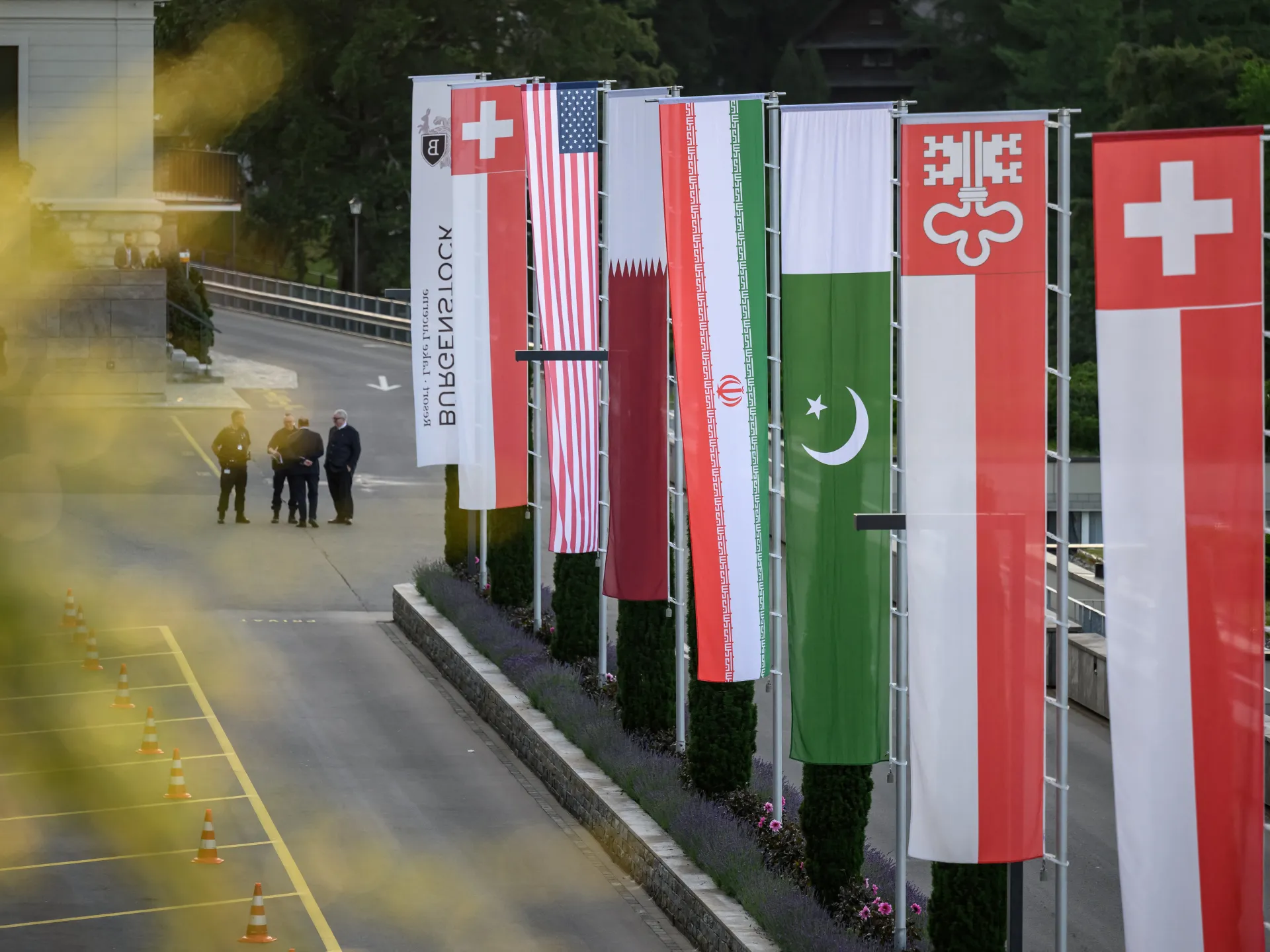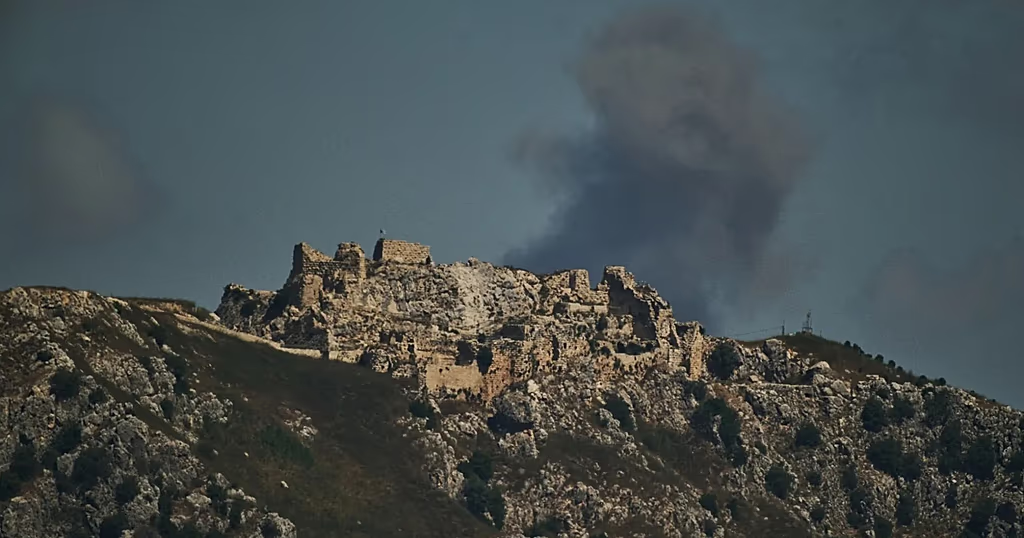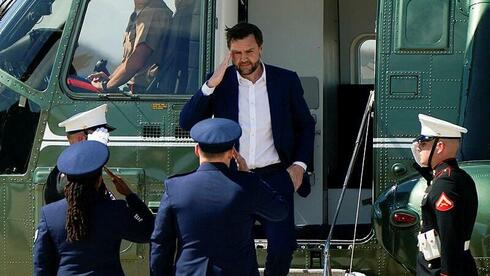
After five Israeli soldiers were killed over the weekend, Lebanon reported a ‘cautious calm’ in the south and a halt to Israeli strikes; IDF says no withdrawal order was issued, while Iran appears to be pushing a new equation linking Lebanon to negotiations Related TopicsThe reports came after the United States declared for the fifth time on Israel’s behalf that a cease-fire agreement had been reached in Lebanon. The IDF said that while the advance of forces had stopped in accordance with political directives, fire had not stopped and no withdrawal order had been issued.2 View gallery JD Vance arrives at the Maryland airport en route to negotiation talks in Switzerland (Photo: REUTERS/Elizabeth Frantz/Pool)For now, however, Iran appears to have succeeded in forcing what Israel has long warned against: the unification of fronts and a new equation for the fighting.Despite the threats, Iranian and U.S. teams are expected to meet on Sunday in Switzerland. Israeli officials believe Tehran is trying to deepen the rift between Jerusalem and Washington and to lock in a new equation that limits Israel’s ability to operate in Lebanon.U.S. media reported overnight that talks between Washington and Tehran would open with an “emergency discussion” on the confrontation between Israel and Hezbollah.A diplomat expected to take part in the talks told CBS that the issue had been added to the schedule for the first day. “The topic will be the first one discussed, and it will open the negotiations between the countries,” the diplomat said, in what appears to signal Iran’s success in advancing its agenda.2 View gallery Top left to right: Nir Ben Ari, Nave Habshoosh, Dor Gedalia Ben Simhon, Yoav Klein, Liav Kababia (צילום: דובר צה"ל, באדיבות המשפחה )U.S. Vice President JD Vance, who departed Saturday for Switzerland, and the Iranian delegation are already at the site. Qatar and Pakistan will again serve as mediators. Pakistan’s delegation will be led by Prime Minister Shehbaz Sharif and army chief Asim Munir.Israel, Hezbollah and the Lebanese government are not parties to the talks. But the decision to allow Iran to raise the Lebanon issue first marks a shift in U.S. strategy.Before leaving for Switzerland, Vance delivered a message similar to Iran’s, saying that “one of the priorities is to make progress toward a cease-fire in Lebanon.” An Iranian official later told CNN: “Ending the confrontation in Lebanon is the most important issue on the Iranian delegation’s agenda.”According to Vance, the United States will use the talks to shape the framework for negotiations with Iran and “perhaps even make progress on the nuclear issue.” The future of Iran’s nuclear program will stand at the center of the new stage of negotiations, though according to the Iranians, the discussions are not part of the formal talks. Under the initial agreement, Tehran agreed that it “will not acquire or develop nuclear weapons.”On Saturday, Iran announced that it was closing the Strait of Hormuz, the strategic waterway that has become its most important bargaining chip since the outbreak of the war and now in the negotiations as well.The U.S. military rejected Iran’s claim that it controls the strait. U.S. President Donald Trump said that even after the 60-day cease-fire, Iran would be barred from charging transit fees in Hormuz.“Unless imposed by and for the USA, if the deal is not completed, as payment for services rendered as the ‘guardian angel’ of the Middle East countries, for reimbursement of past, present and future costs,” Trump said.Comments
US-Iran talks in Switzerland to open with Lebanon crisis, reports say
After five Israeli soldiers were killed over the weekend, Lebanon reported a ‘cautious calm’ in the south and a halt to Israeli strikes; IDF says no withdrawal order was issued, while Iran appears to be pushing a new equation linking Lebanon to negotiations
574 words~3 min read