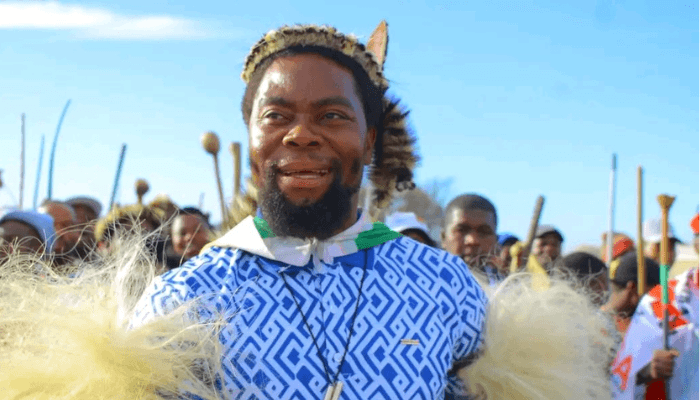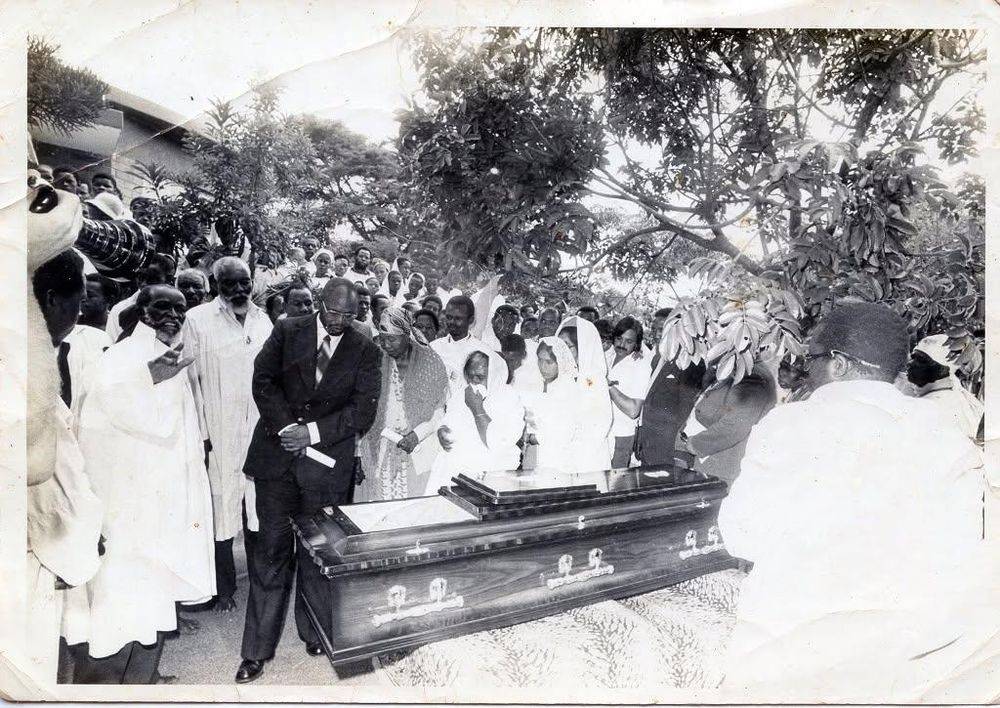
Indians who lived at Ekuphakameni at the funeral of the second leader of the Nazareth Baptist Church, JG Shembe.
GOODWILL between Indians and Africans spans centuries of trade partnerships, cultural exchange, and shared struggles against colonialism and apartheid.
In KwaZulu-Natal, there has been a long history of a shared humanity of care, compassion and love between people, historic figures and monarchs, who have tirelessly bridged communal divides to foster reconciliation and simple humanity.
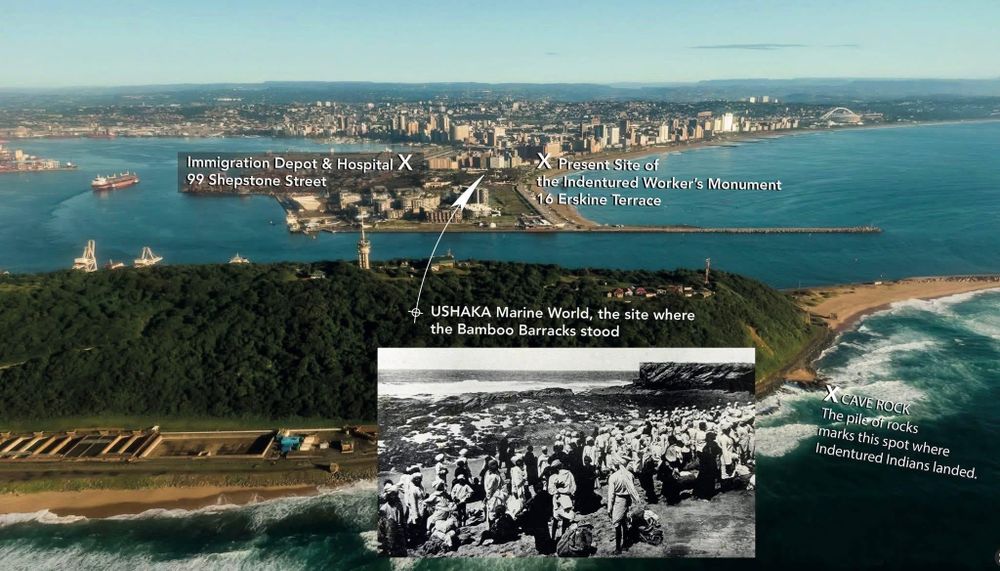
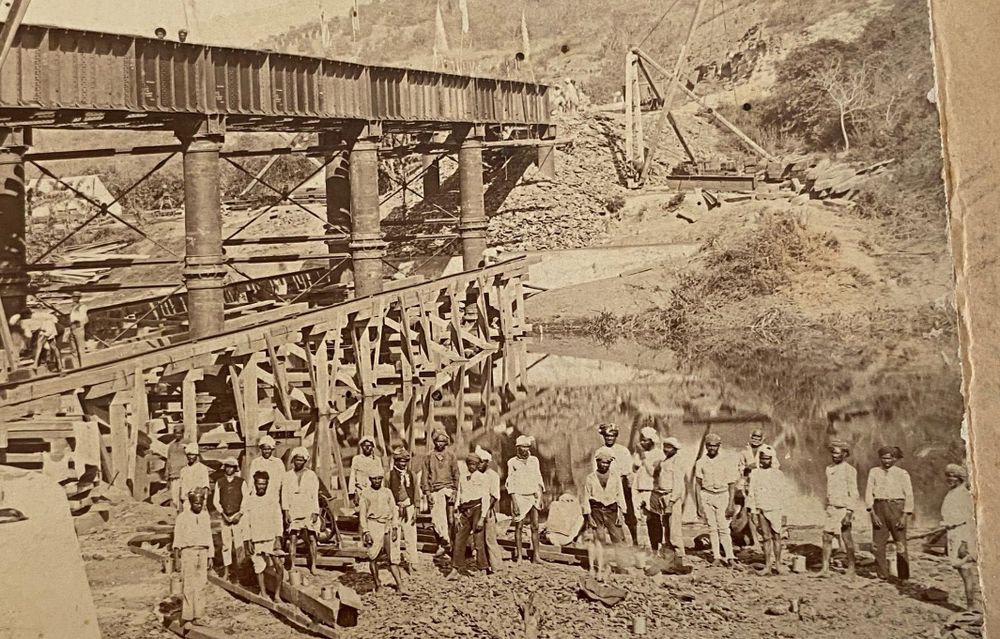
Indians came into contact with the AmaZulu people of KwaZulu-Natal when they were brought as indentured workers to provide their labour in growing an ailing colonial economy. Globally, labour acquisition, free and unfree, to advance colonial capital from the 17th to 20th century was key in the matrix of slavery and indenture.
Historically, it was always understood that Zulus were unwilling to provide the labour to grow the sugar cane plantations. This theory was debunked by Edmund Morewood, the founding father of sugar cane cultivation in Natal, who argued in 1855 that, despite African labour being readily available, colonial farmers wanted the cheapest form of labour from India.