If the title triggered Mr & Mrs Smith, the 2005 action-comedy starring Brad Pitt and Angelina Jolie as married assassins who are contracted to kill one another, that’s not where I’m going.
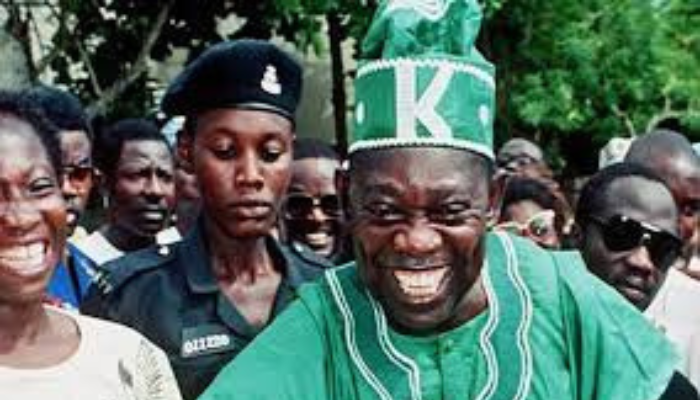
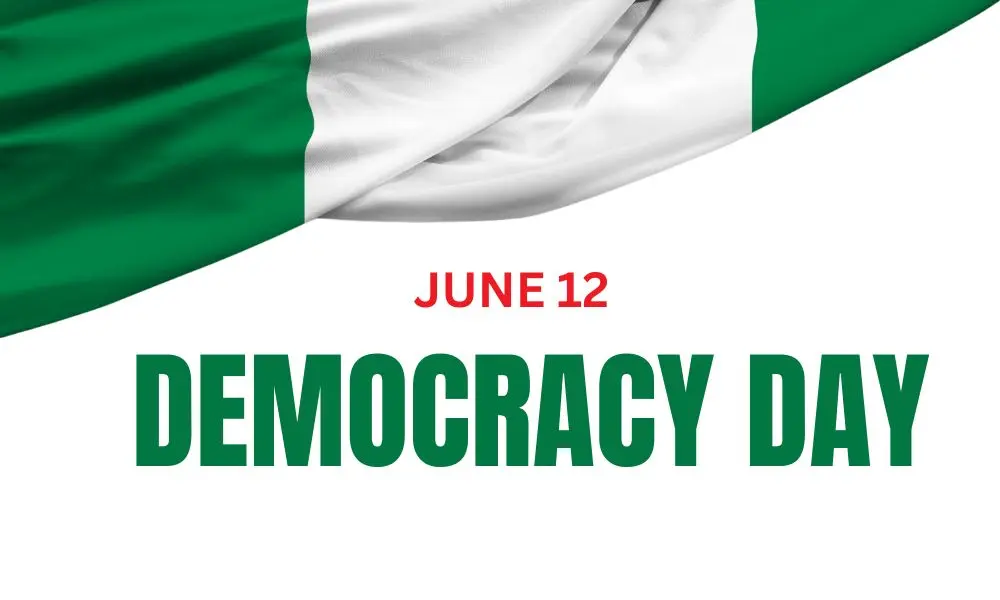
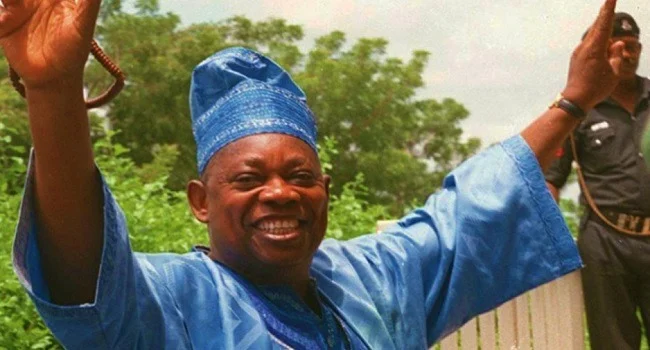
Last week Friday was June 12, Nigeria’s Democracy Day. It started as a public holiday in Lagos in 2000, under then-Governor Bola Tinubu, to honour MKO Abiola, the winner of the June 12, 1993 presidential election. States in the south-west soon followed. The 1993 elections were annulled by Ibrahim Babangida (alive), who stepped down in August and handed power to Ernest Shonekan’s (dead) Interim National Government (ING). Sani Abacha overthrew the ING in November. On June 11, 1994, almost a year to the anniversary of the election, Abiola declared himself president. He was arrested on June 23rd by Abacha and charged with treason. Abacha died on June 8, 1998, and Abiola followed on July 7th of the same year. The 1993 election and the 1998 deaths led to the 1999 elections, which brought Olusegun Obasanjo (alive) to power. He was sworn in on May 29th, which served as the national “Democracy Day” to honour Nigeria’s return to democratic rule.
Unfortunately, President Obasanjo failed to honour MKO Abiola during his eight years in office. Listening to counsel from different people, including Pastor Tunde Bakare (who is from Ogun like Abiola, Shonekan & Obasanjo), President Buhari posthumously awarded MKO Abiola the Grand Commander of the Federal Republic (GCFR) on June 6, 2018. He was also to be given all the benefits of a former head of state, in effect acknowledging that Abiola had won the 1993 elections. In addition, June 12 became the official national “Democracy Day”.