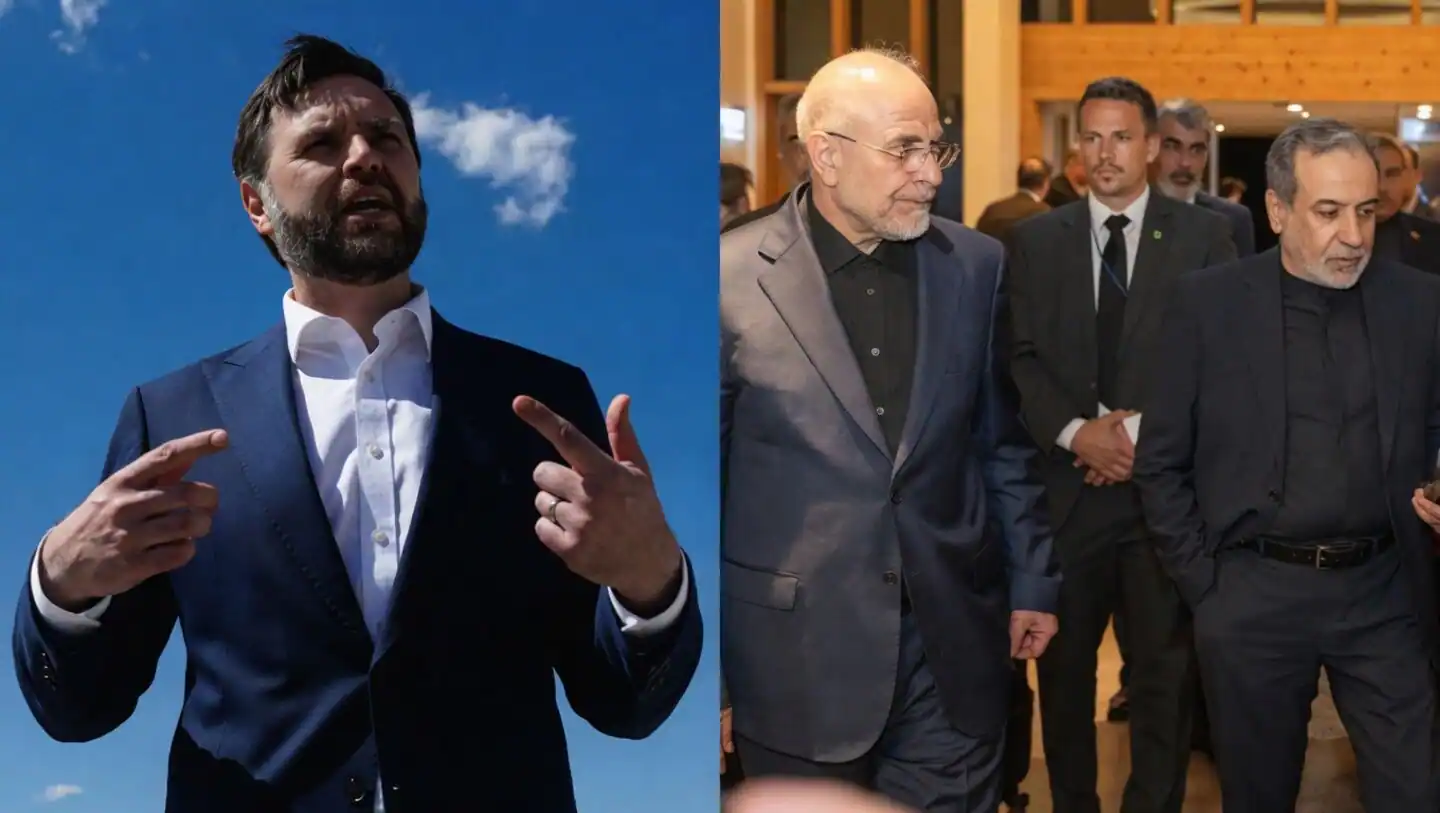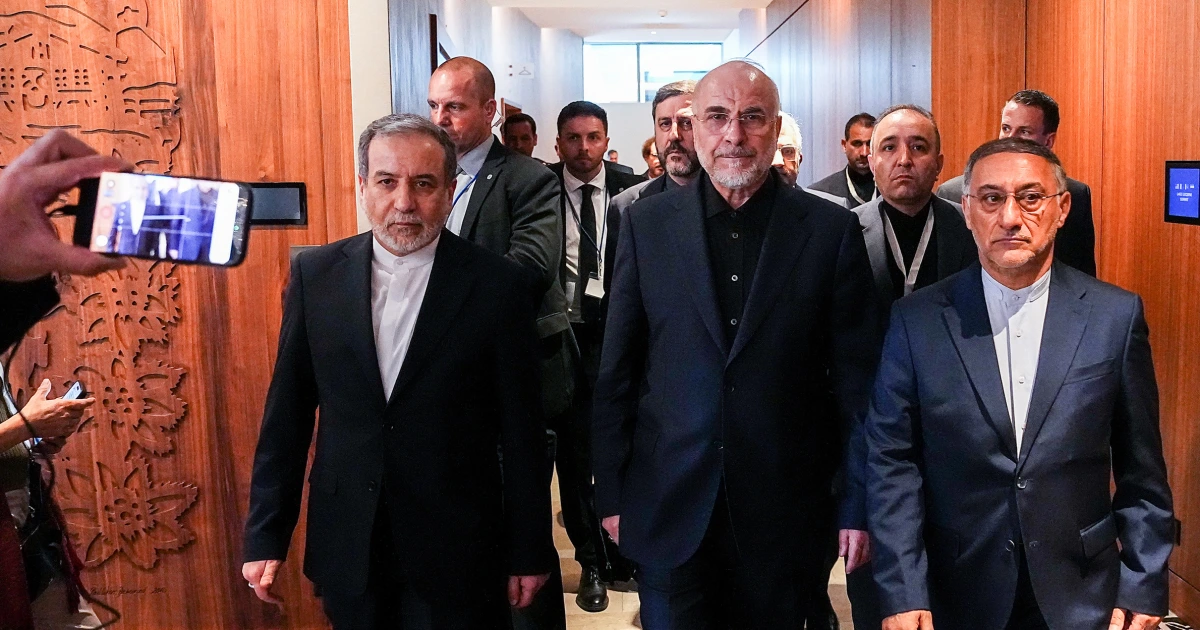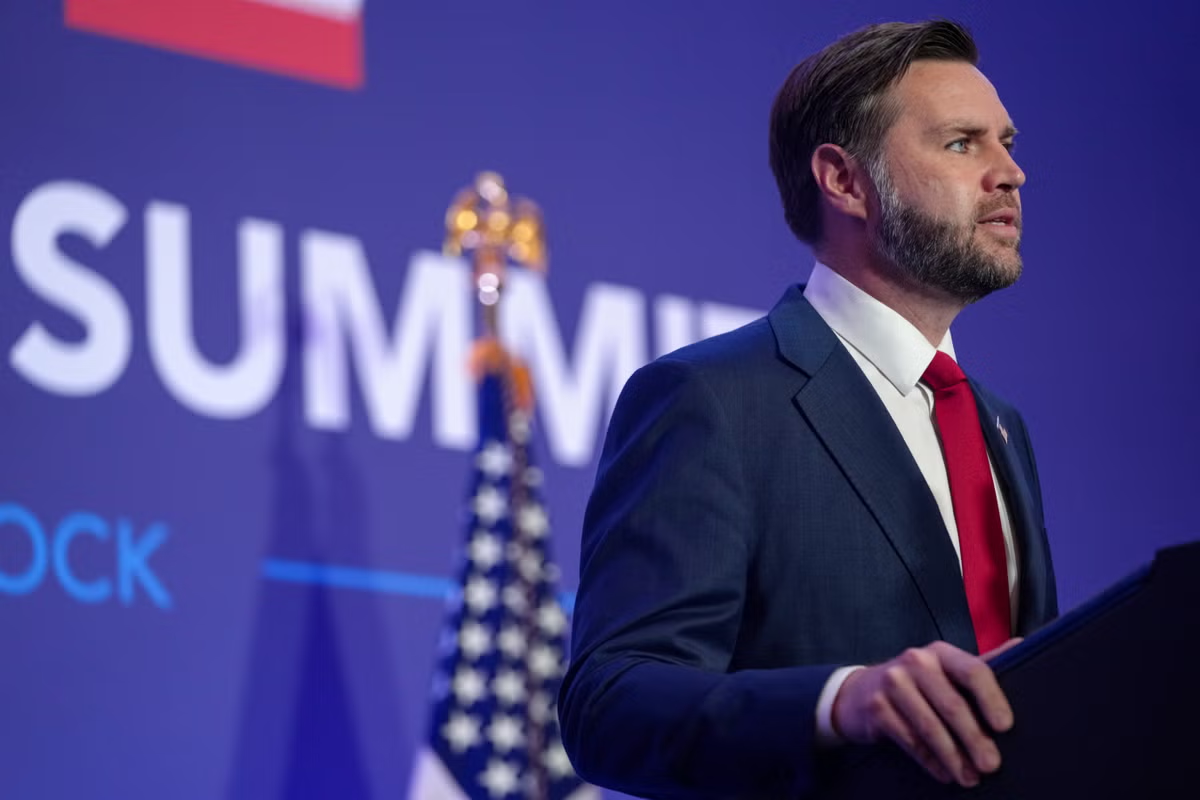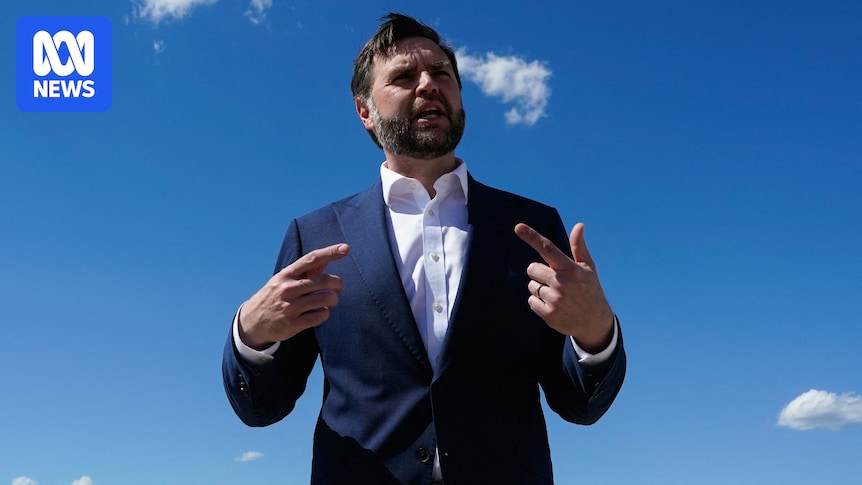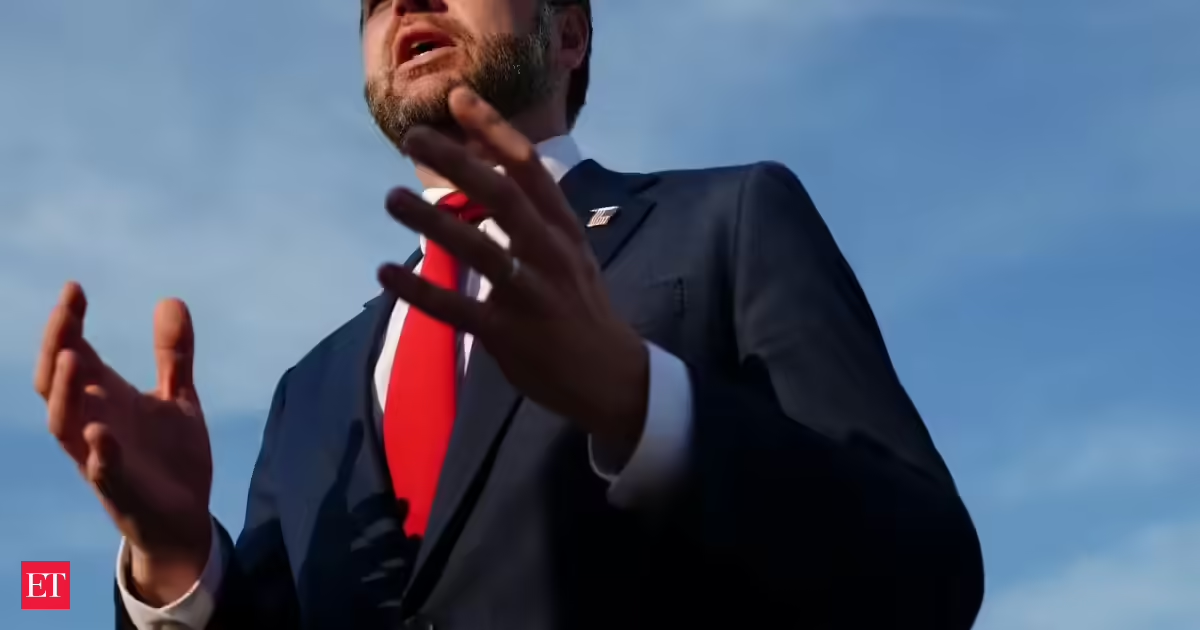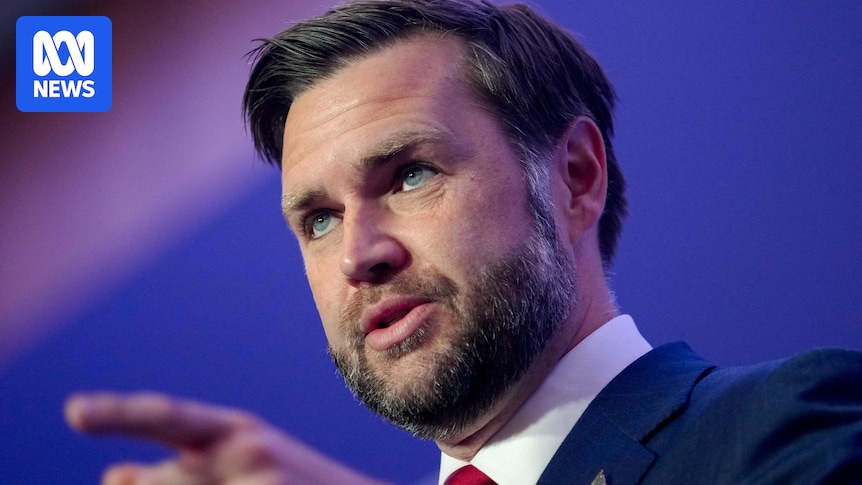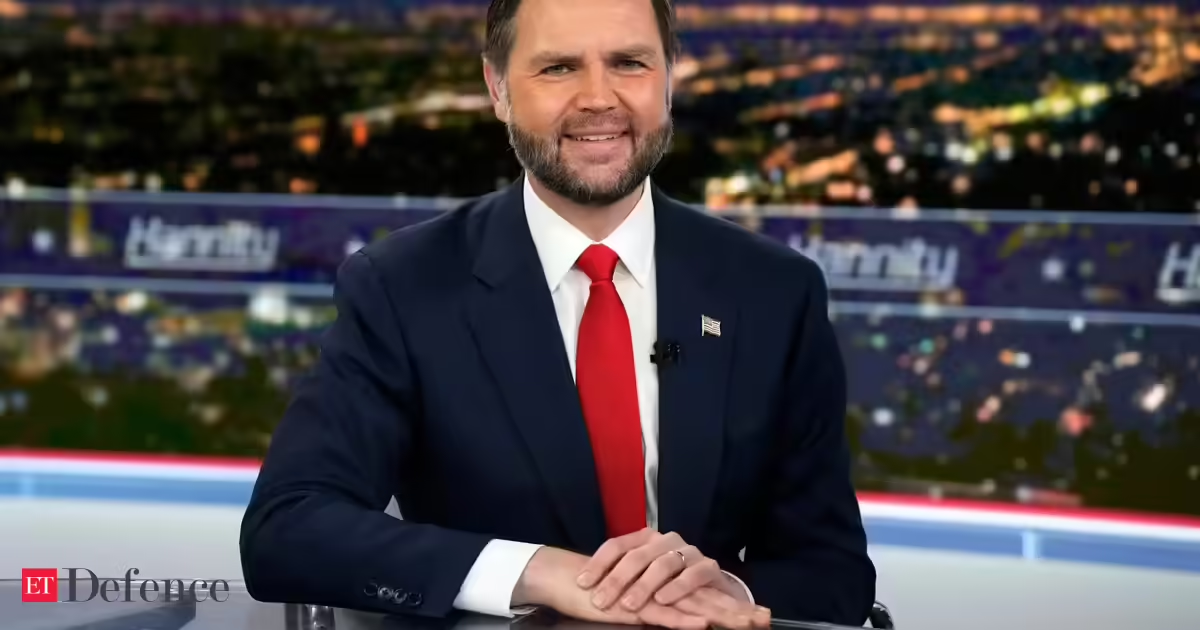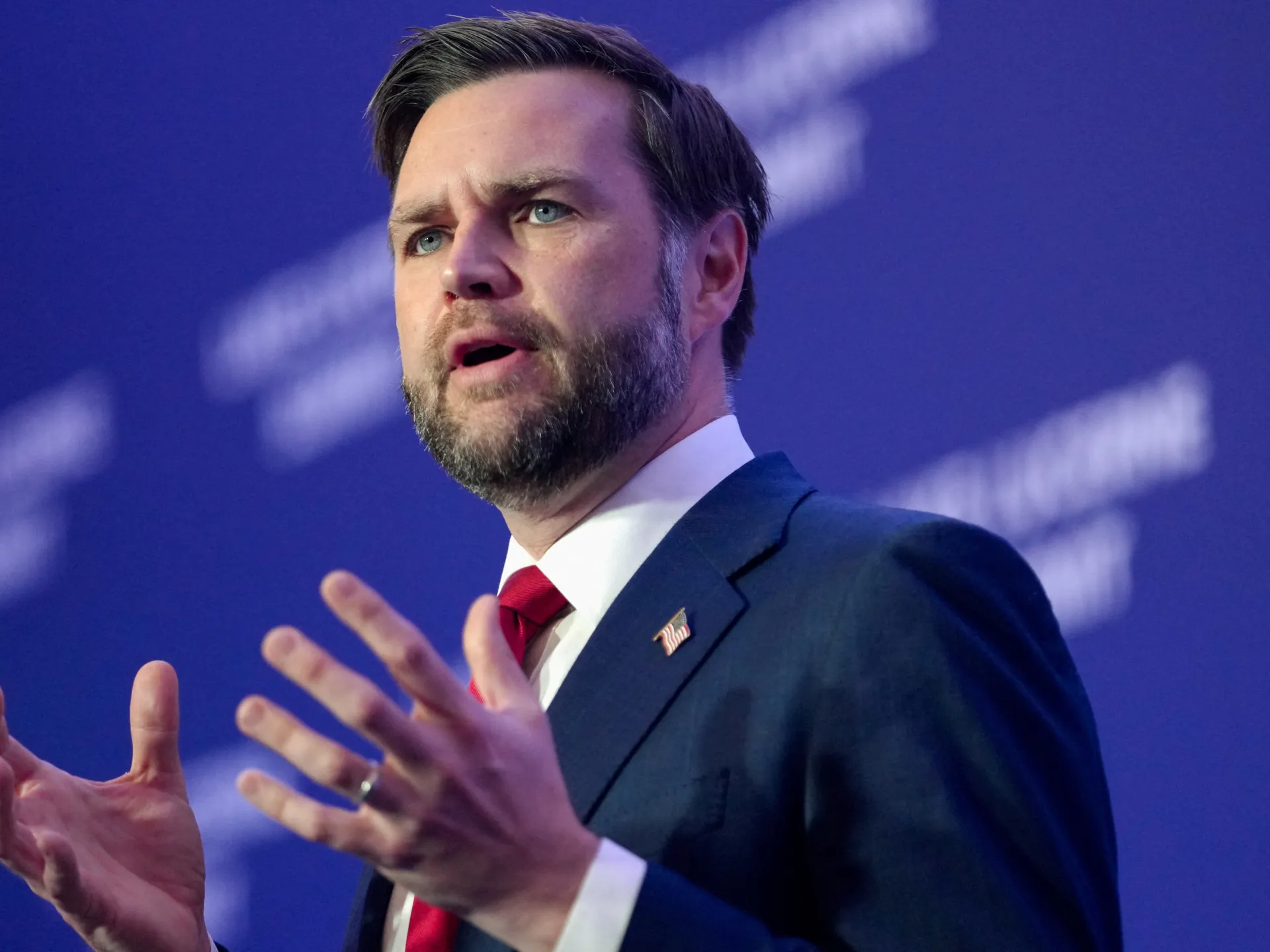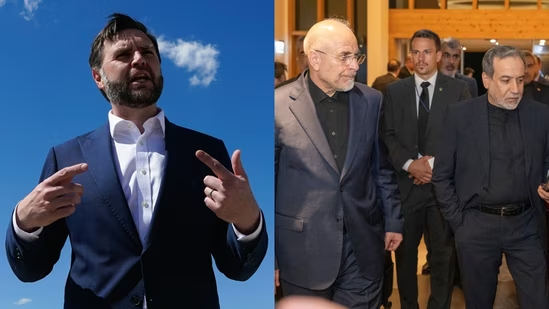
After an initial delay at the beginning of the US-Iran peace talks last week, US Vice President JD Vance is on his way to Switzerland for the first round of negotiations with Tehran. For the talks, likely scheduled for Sunday, there are some give-and-take expectations regarding Iran's nuclear capabilities and frozen funds.The hard-won interim peace deal, signed by US President Donald Trump, gives a 60-day window for negotiations. (AFP/AP)Washington wishes for the first round of negotiations to conclude with Iran's invitation for UN inspectors to visit its nuclear sites, earlier bombed by the US and Israel, Axios reported, citing two regional sources. Follow US-Iran war news live updatesWhat will Iran get in return? The US is reportedly willing to release some of the Islamic Republic's frozen funds, starting with a $6 billion account in Qatar. This money would be used to buy humanitarian produce, the report mentioned.The hard-won interim peace deal, signed by US President Donald Trump and Iranian president Masoud Pezeshkian, gives a 60-day window for negotiations. However, this is only the beginning of a process to end the long-running war. Meanwhile, the risk of a possible Israeli disruption looms over the US-Iran peace talks.US, Pakistan en route to SwitzerlandWhile JD Vance left Washington on Saturday, mediator country Pakistan's prime minister, Shehbaz Sharif and Army chief, Field Marshal Asim Munir, left for Burgenstock to participate in the peace talks.A statement from Pakistan's foreign affairs ministry said, “Pakistan will continue to support the implementation of the understandings between Iran and the United States,” Reuters reported.ALSO READ | Iran floats ‘insurance fees’ as it asserts control over Strait of HormuzVance, on the other hand, said he will be in Switzerland just for a couple of days. Speaking to reporters before flying out of Washington, he said, “I can only be there for a day or two. I think we're going to hopefully make progress on the nuclear issue, make progress on the Lebanon ceasefire issue.”Notably, the Iranian delegation includes Parliament Speaker Mohammad Bagher Ghalibaf, foreign minister Abbas Araghchi and central bank governor Abdolnaser Hemmati, state-media IRIB reported.What first round of US-Iran talks may look likeAn interim peace deal signed by the US and Iran last week allows a 60-day negotiation period between the two sides.The first round of peace negotiations is likely to be held on Sunday at the Burgenstock ski resort in Switzerland. Vance hoped for progress on matters including Iran's nuclear programme and the Israel-Lebanon ceasefire issue.JD Vance said the goal in the first round of talks is to establish an "actual structure" for the negotiations.Two regional sources with direct knowledge of the matter, as cited by Axios, said the US would like the first round of negotiations to end with Iran inviting United Nations' inspectors to visit its nuclear sites, which were earlier attacked by Israel and the US.The last visit made by UN inspectors to the Iranian nuclear sites was in June 2025.In return for the visit, the US is reportedly willing to allow Iran access to some of its frozen funds, beginning with a $6 billion account in Qatar.Vance expressed hope over the talks, saying that despite the headlines, things are actually "getting better, and things are "slowing down a little bit."Bibi may hinder Iran talks: Intel reportA US intelligence report has said that Israeli prime minister Benjamin Netanyahu may hinder the US-Iran peace talks amid growing domestic pressure over the country's situation with Lebanon.'Bibi' is facing domestic political pressure to continue the conflict in Lebanon against Iranian proxy group Hezbollah, Washington Post reported, citing the intelligence report. The US intel has reportedly warned that Netanyahu's fate in the elections in Israel depends on showing people that he will not withdraw troops from Lebanon.ALSO READ | Strait of Hormuz closed again as Lebanon fighting threatens to sink US-Iran talks, which begin SundayAn Israeli official, as cited in the WaPo report, said, "Israeli military activity in Lebanon is for the sole purpose of defending Israeli citizens from continuous attacks by Hezbollah."If Netanyahu chooses to keep up the Israeli presence in Lebanon, it would not only hinder the US-Iran peace talks, but also his relationship with Trump.While Israel claims to be committed to the ceasefire and halted attacks in Lebanon, American officials said the intelligence assessments are sceptical whether Israeli commitments will hold.Trump's latest warning over HormuzTensions over the Strait of Hormuz appear to persist, despite an interim peace deal signed by Iran and the US.Earlier this week, the crucial waterway reopened after the signing of the interim deal. Later, the US lifted its naval blockade on Iranian ports, ending a closure that kept the strait unstable and unusable for months. However, Tehran maintained that throughout that no vessel could cross Hormuz without its permission.The reopening didn't last for long as Iran's joint military command said it was shutting the strait in response to Israel's continued strikes on Lebanon and what it described as Washington's "bad faith" in failing to end the war -- a "clear breach" of its commitments in the interim deal.Iran further warned that if aggression continues, "subsequent steps have been planned."Meanwhile, US President Donald Trump on Saturday took to Truth Social and said there will be no toll charged for passage through the Strait of Hormuz during or after the 60-day negotiation window.However, he also threatened to impose levies if the US-Iran peace talks fail.His post read: "There will be NO TOLLS in the Hormuz Strait for 60 days during the Cease Fire Period, and there will be NO TOLLS after the 60 day period has expired, unless they are imposed by and for the United States of America, should the deal not be completed, for services rendered as the Guardian Angel to the countries of the Middle East for purposes of both past, present, and future reimbursement of costs."
$6 billion funds release in turn for nuke sites inspection: What US wants from first round of peace talks with Iran
US Vice President JD Vance said the goal in the first round of talks is to establish an "actual structure" for the negotiations. | World News
966 words~4 min read