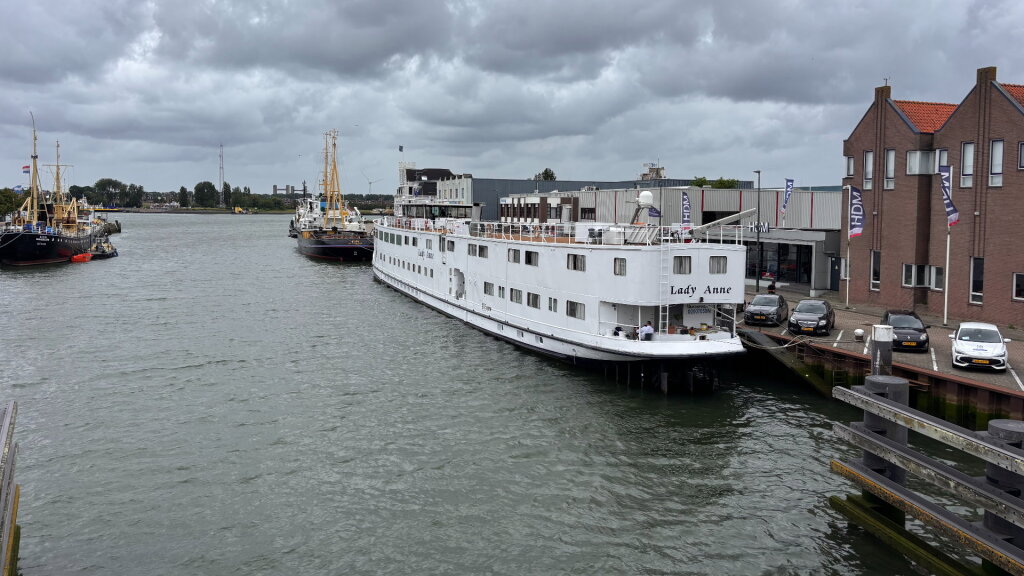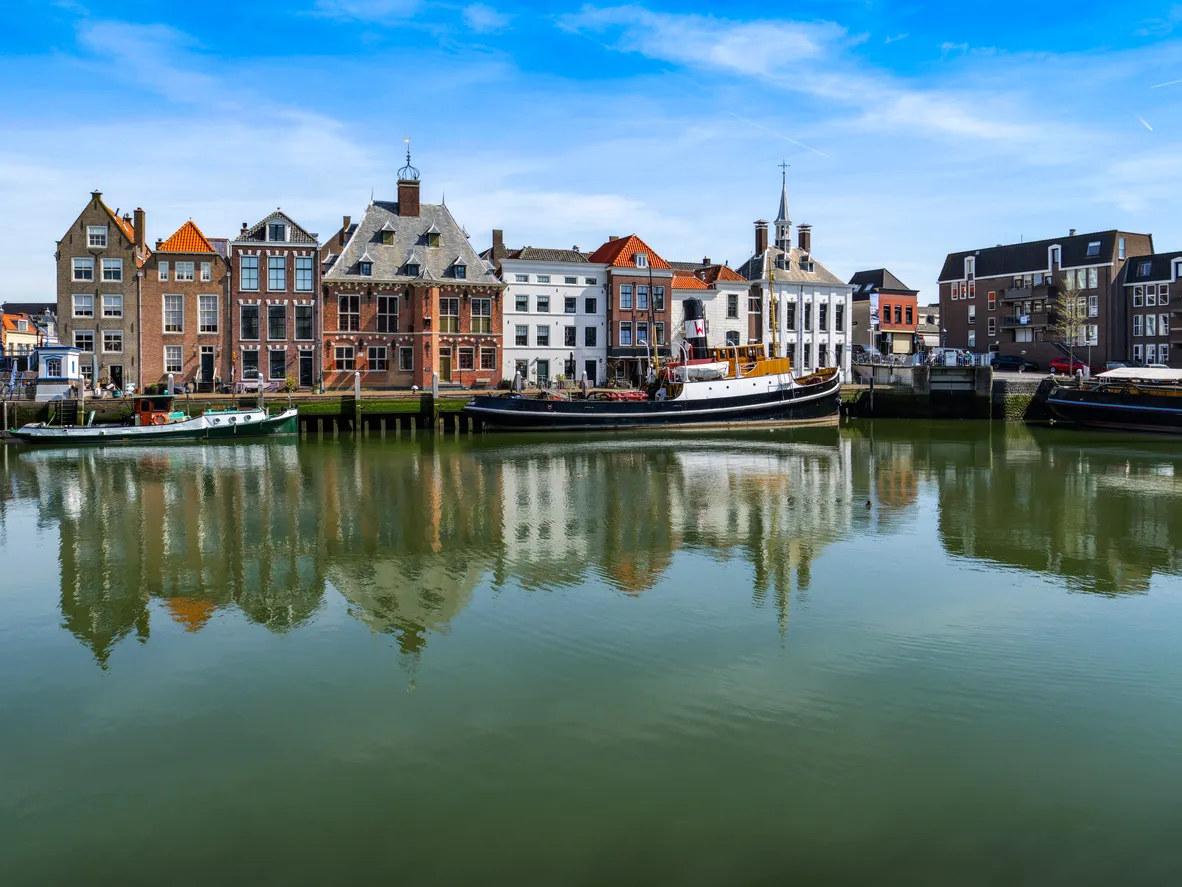
A political crisis is unfolding in the small Dutch town of Maassluis, a former fishing village which sits between Rotterdam’s vast port and industrial complex, the glasshouses of the agribusiness powerhouse known as the Westland, and the historic fishing town of Vlaardingen.
Despite what some may claim, it is not a far-right insurgency, just a group of local politicians responding to concerns widely shared by their electorate
The natives of Maassluis were once nicknamed ‘snails’. They acquired the name in the 1770s, when the parliament of the Dutch Republic decreed that Psalms should be sung at a faster tempo in church. The citizens of Maassluis and Vlaardingen refused to comply, continuing – like snails – to sing at the slower pace that had been customary for more than two centuries, dating back to the Dutch Revolt against Spanish rule. A minority, reportedly from the local elite, embraced the new rules and began singing more briskly, resulting in chaotic Sunday services in Dutch Reformed churches across the region.
Today, the snails are at it again.
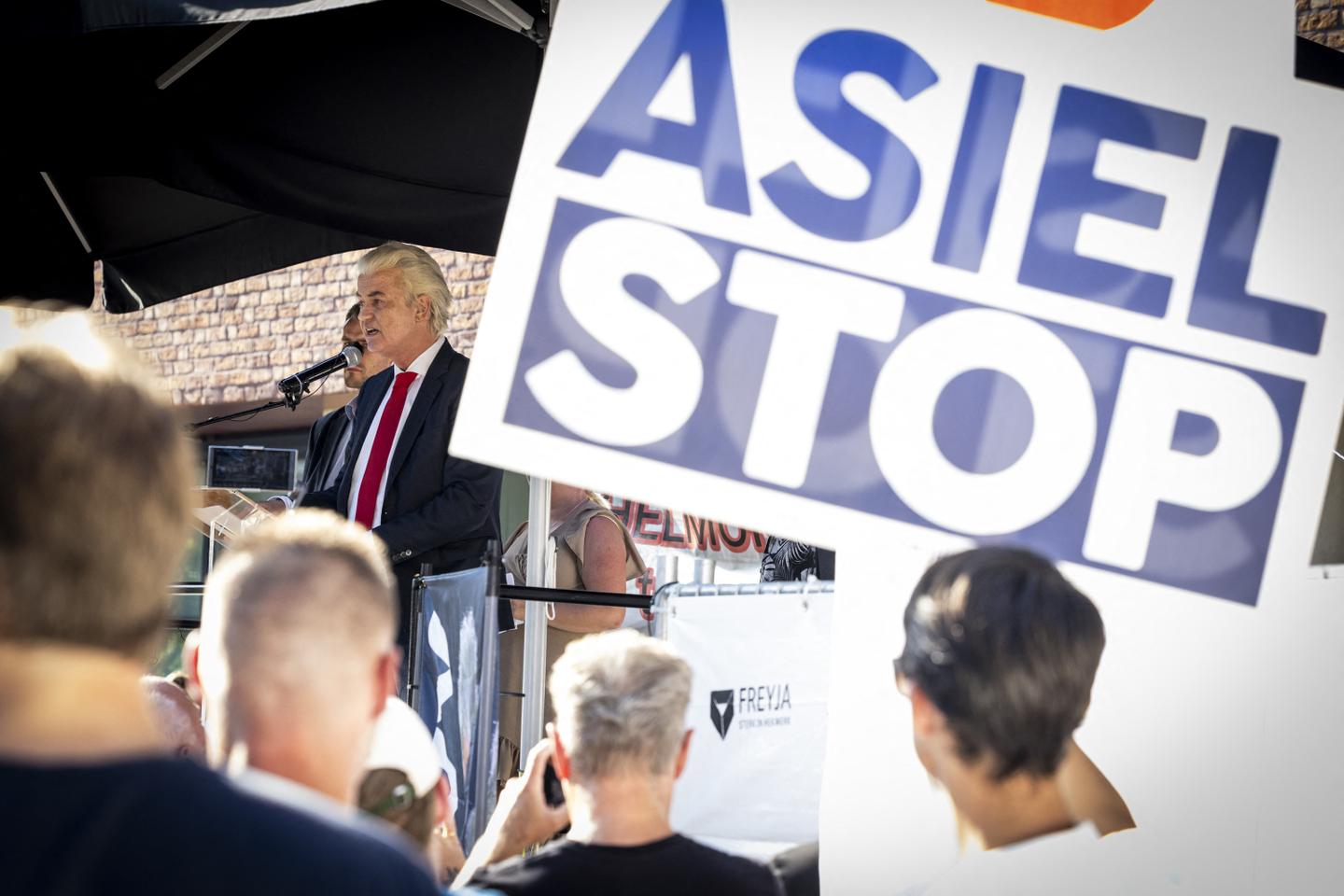
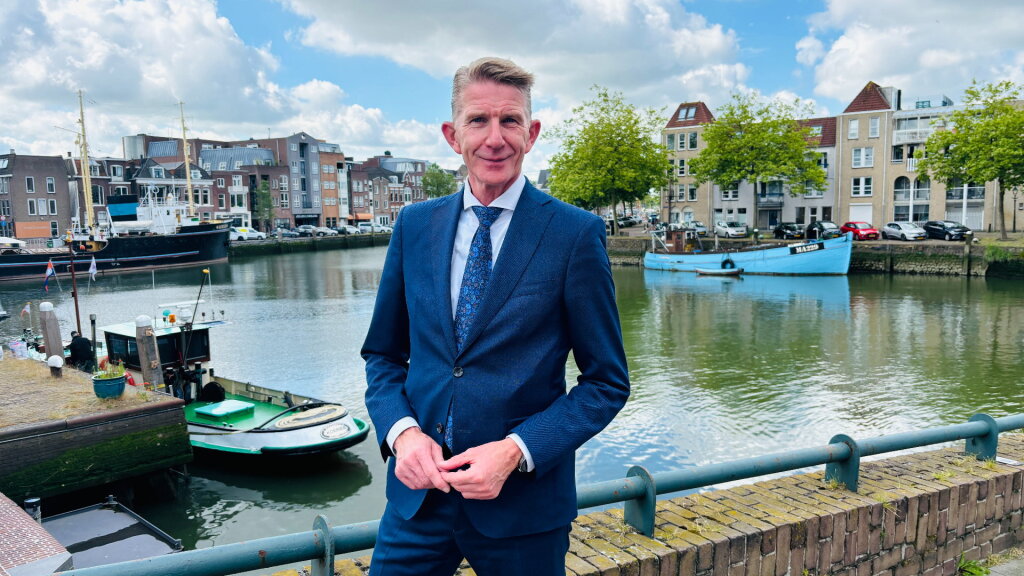
The town’s recently installed municipal executive, comprising the local party Leefbaar Maessluys and the conservative VVD, has produced a coalition programme aimed at ending the town’s role in hosting asylum seekers and reducing the impact of large-scale labour migration.