(Image credit: Getty Images/Westend61)
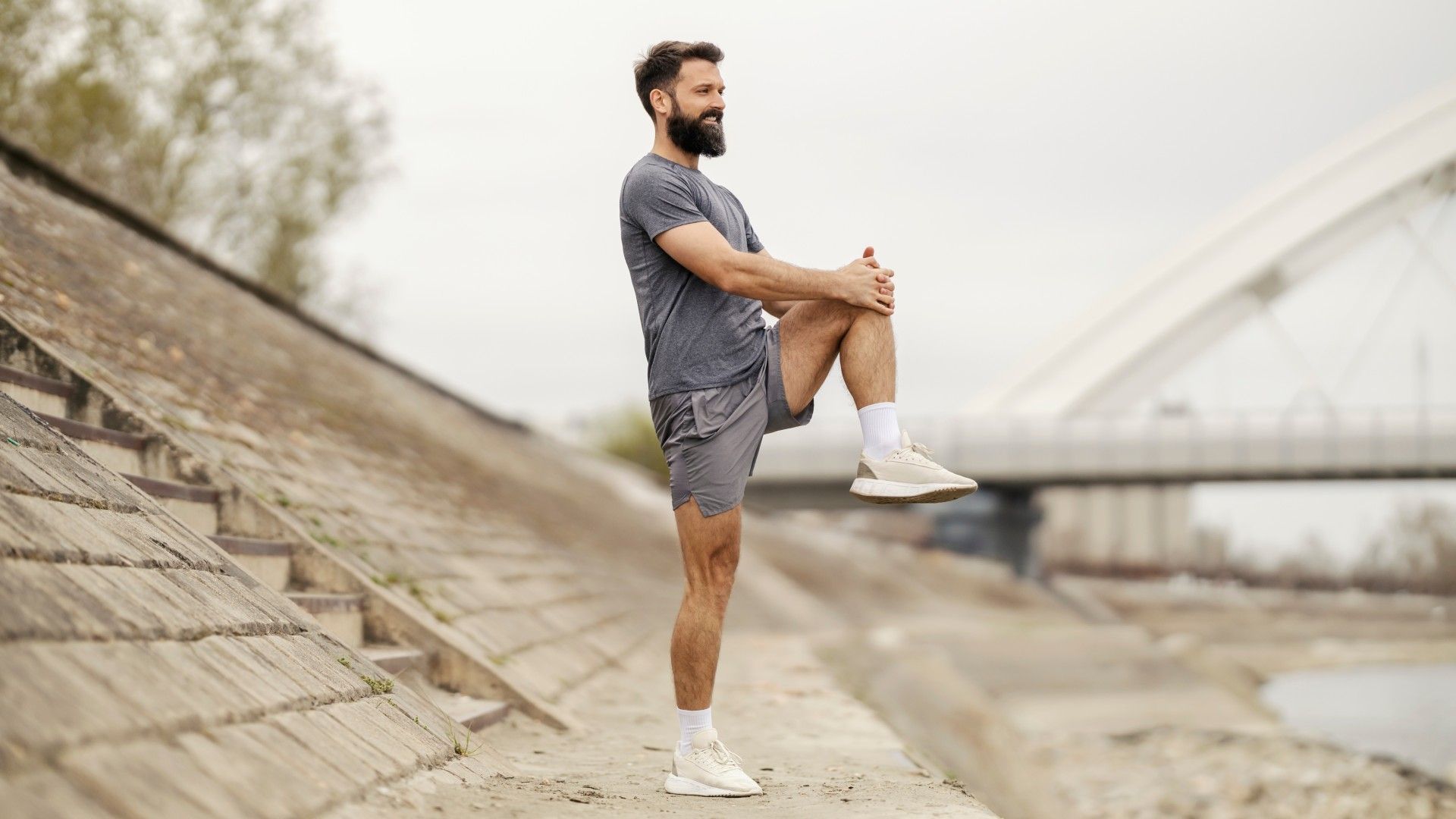
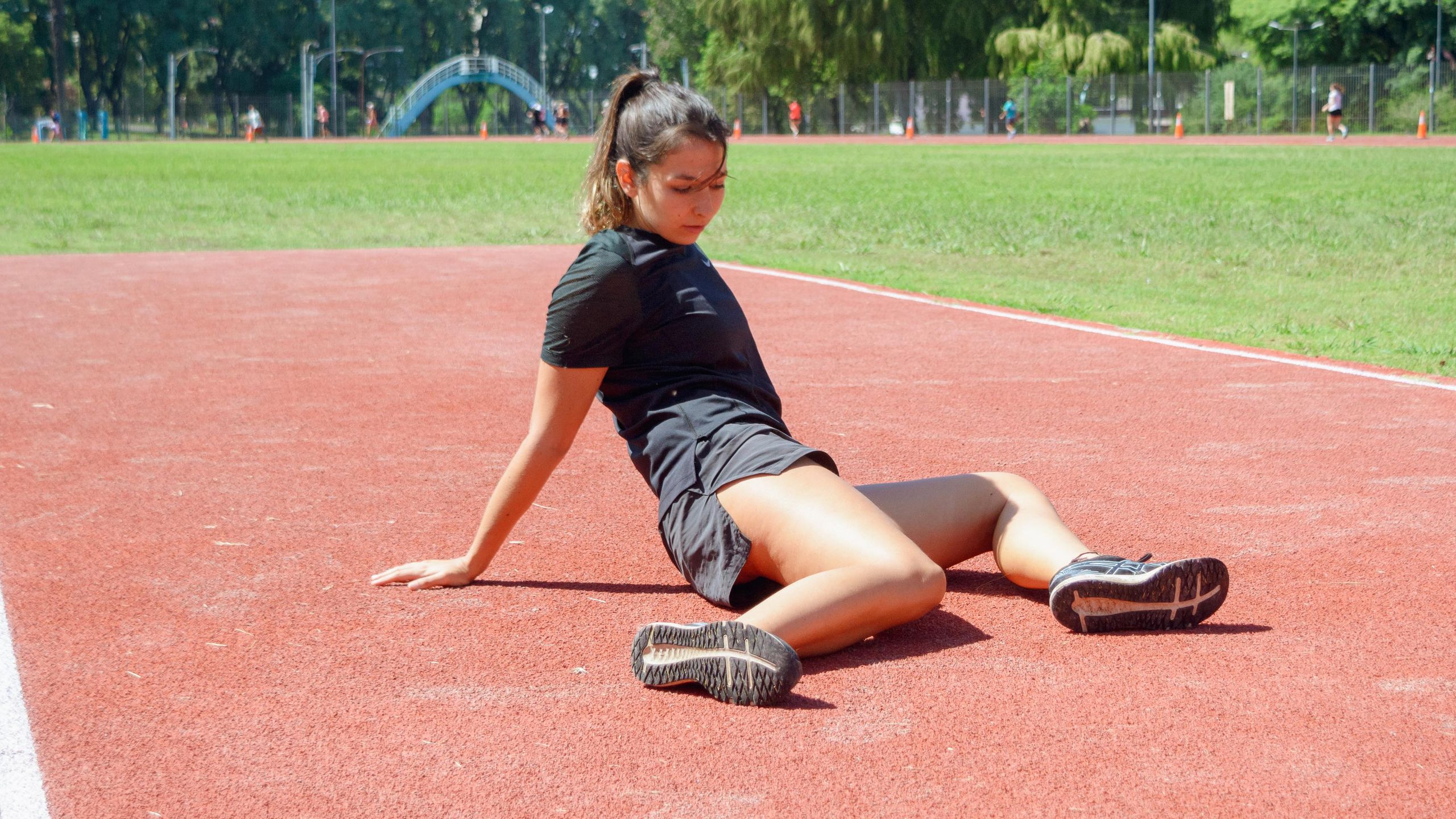
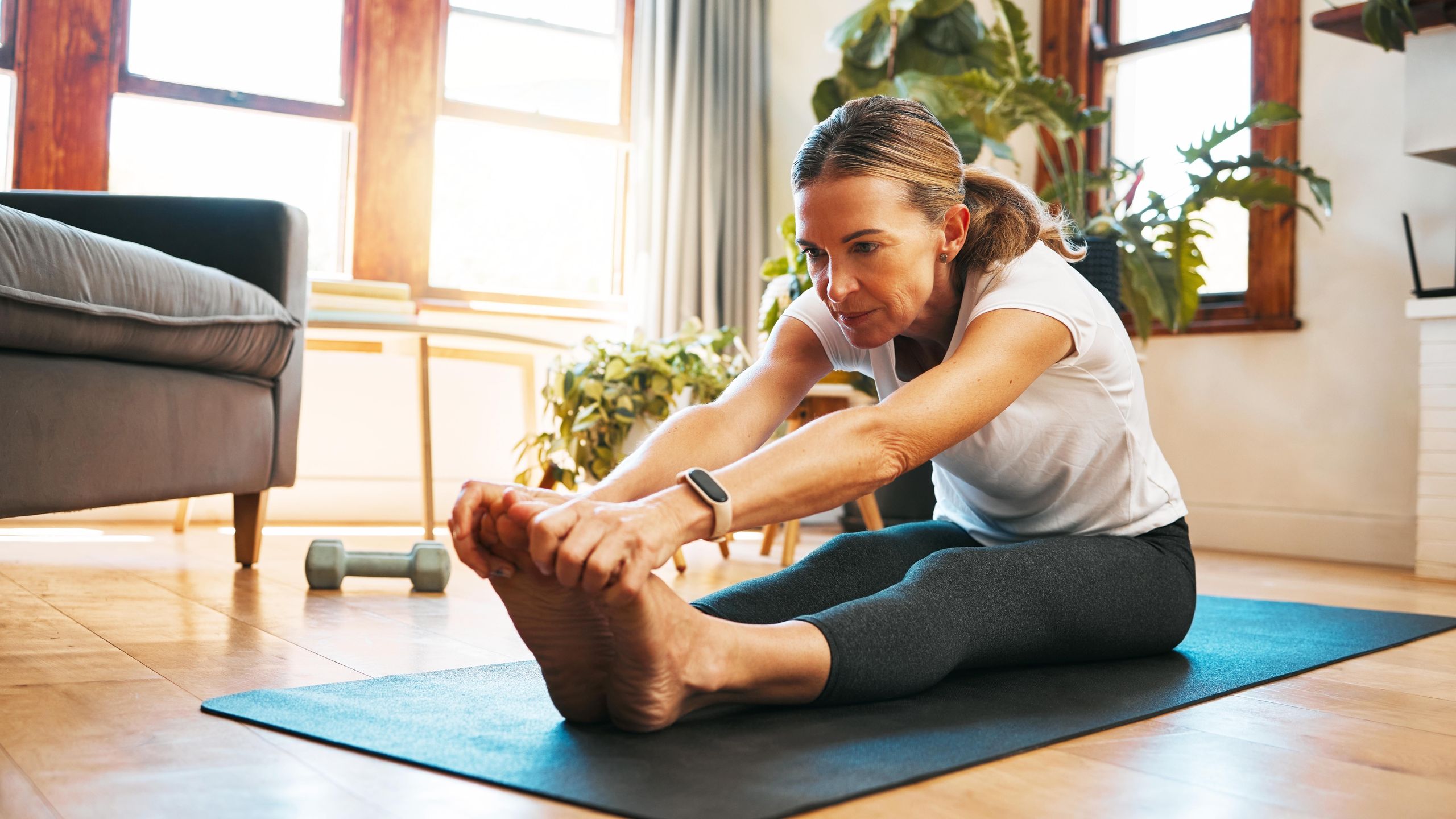
Don't get me wrong, I love walking. I have a little rescue pup who loves nothing more than taking me for a walk, whether it's 6 am or 11 pm, so I spend a lot of time on my feet.The benefits of walking are well-documented, too: stronger bones, joints, ligaments, and muscles (especially if you enjoy increasing your pace or intensity through power walking, hiking, or rucking); a higher resting metabolism, decreased sedentary time, and a little boost in mobility. It's also a great form of aerobic exercise for building a stronger heart and lungs.Although walking can contribute to anti-aging by working the muscles you use for balance and stability, a consistent mobility routine coupled with your daily walks is where the real magic lies.Below, I show you how to do three of the best low-impact mobility exercises for functional strength, stability and balance. You can use a set of weights or stick to using your bodyweight. Regardless, one of the best yoga mats is useful to have.If you experience pain at any time, stop and rest. If you're working with an injury or health condition, or you're currently pregnant or postnatal, I recommend seeking advice before starting these exercises.Watch: 3 low-impact moves to try anywhereImproving mobility isn't about stretching; it's about being dynamic and moving the joints through a range of movement alongside strengthening exercises that load the muscles to work through resistance. The result? Strong muscles and joints.This is also important for your fascia, which is like a web of connective tissue responsible for holding everything in place, like your bones, muscles and organs. Tight fascia increases friction, which is why plenty of stretching, movement, foam rolling and mobility work is important for improving the overall quality of your movements.Get instant access to breaking news, the hottest reviews, great deals and helpful tips.It also responds brilliantly to low-impact and gentle movement, so a consistent mobility routine is certainly helpful.The routine: 3-4 sets, 8-10 reps for the first and third exercises, and a 45-50-second effort for monster walks.Stiletto squat x heel raises: Stand with your feet hip-width apart, then rise onto your tiptoes and squeeze your core muscles for balance. Bend your knees and send your hips backward to lower into a squat, keeping your back straight and chest proud. Focus on something unmoving. At the bottom of the squat, lower your heels, then press upward through both feet to stand. Reverse this by lowering into a standard squat first, then transfer the weight to your tiptoes and press upward to stand, resting your heels down.Monster walks: Stand with your feet wider than shoulder-width, toes pointed out slightly. Sit back into a squat so that your thighs are almost parallel to the ground. Keep your back straight, chest proud and core engaged. Place your hands lightly behind your head and pull your elbows back, knitting both shoulder blades together. Take a few steps forward and outward, then backward, sitting the weight back toward your heels.Warrior III: Stand with your feet hip-width apart. Shift your weight into your left leg and place your hands either in prayer or on your hips. Engage your core. Place a soft bend in your left knee, then hinge forward at the hips and raise your right leg behind you as you lower your chest parallel to the ground. Keep your hips square to the mat and gaze slightly forward to the top of your mat. Keep your hands where they are, or try to extend them in front of you. With control, slowly transition back to standing, then switch sides.What are the benefits?