From malaria to energy: Why solutions from the Global South aren’t reaching the people who need them most
Malaria wasn’t on Masaki Umeda’s mind when his drone startup, SORA Technology, launched in 2020 in Nagoya, Japan.Back then, he and his colleagues were focused on getting medical supplies to hard-to-reach parts of Africa but, after talking to health ministries, they realised their AI-powered solutions would be more useful in the fight against the devastating disease, which kills over half a million people on the continent every year.
© SORA Technology
Masaki Umeda, co-founder of SORA Technology.
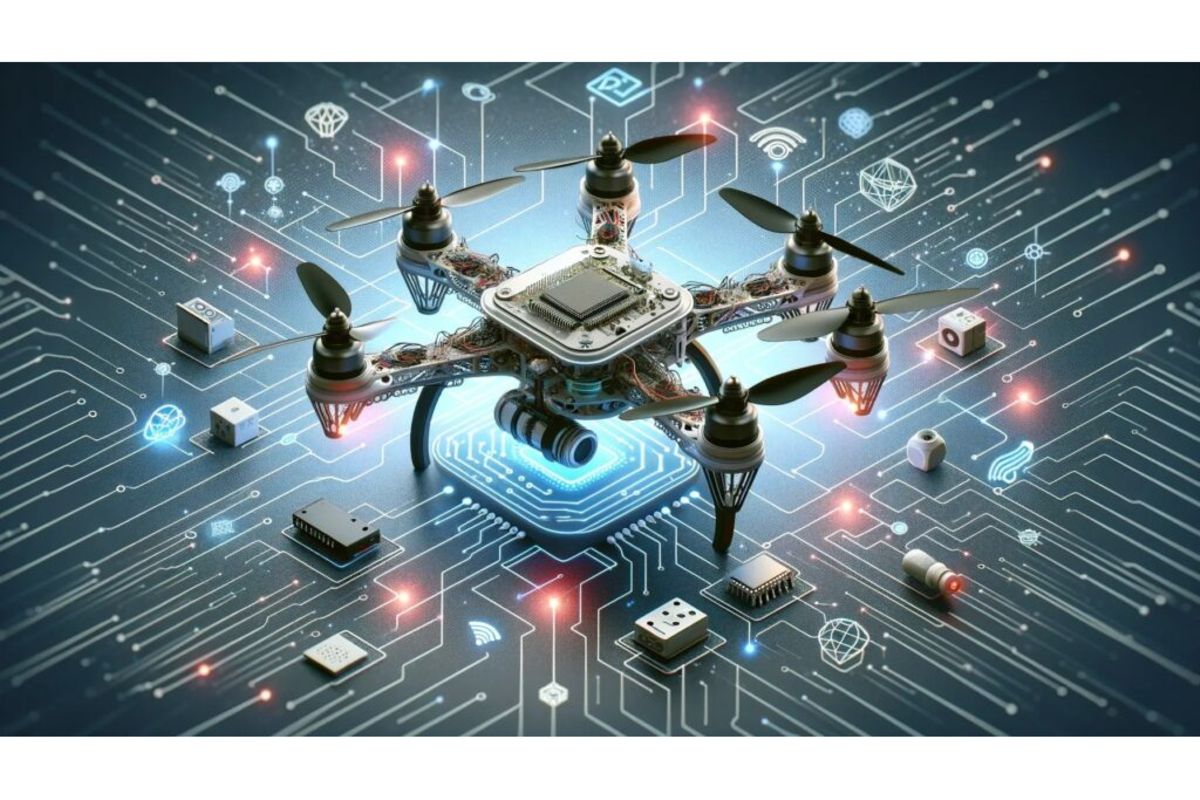
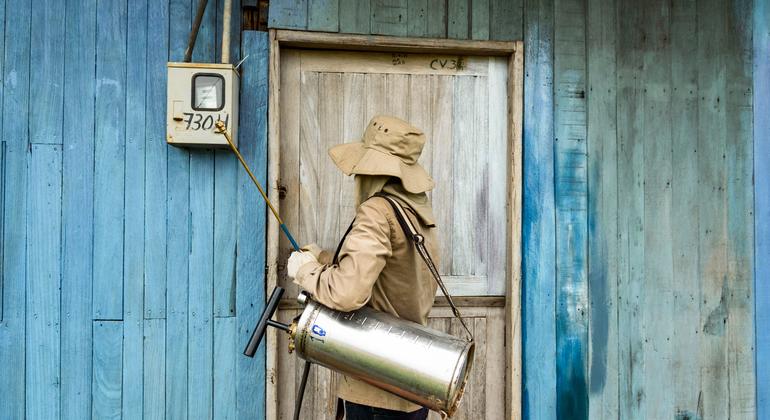
“We fly drones in targeted areas and collect raw data,” explains Mr. Umeda. “Then the AI tools identify the location and characteristics of bodies of water such as turbidity (cloudiness due to the presence of particles like algae or micro-organisms), temperature ranges and nearby vegetation, all of which allow us to classify the risk of breeding sites.”When shared with government agencies, this information enables them to instruct ground spraying companies to focus their activities on particular high-risk spots, rather than simply blanketing large-scale areas. In a world of shrinking aid and international budgets, cost-effectiveness is a top priority for cash-strapped countries, and the solutions offered by innovators and start-ups are more important than ever.SORA Technology’s potential to save lives (and money) led to Mr. Umeda being invited to take part in the UN’s 2026 Science and Technology Forum as a “featured innovator,” along with several other early-stage solution developers from diverse backgrounds dedicated to solving real-world challenges.