As software engineers, we often architect solutions in a virtual ideal: fast networks, elastic resources, and servers that never physically degrade. But what happens when your carefully crafted systems need to interact with the messy, unpredictable physical world? Think factory floor monitors, real estate camera networks, or remote tracking devices. Suddenly, those cloud assumptions about infinite uptime and perfect connectivity crumble.
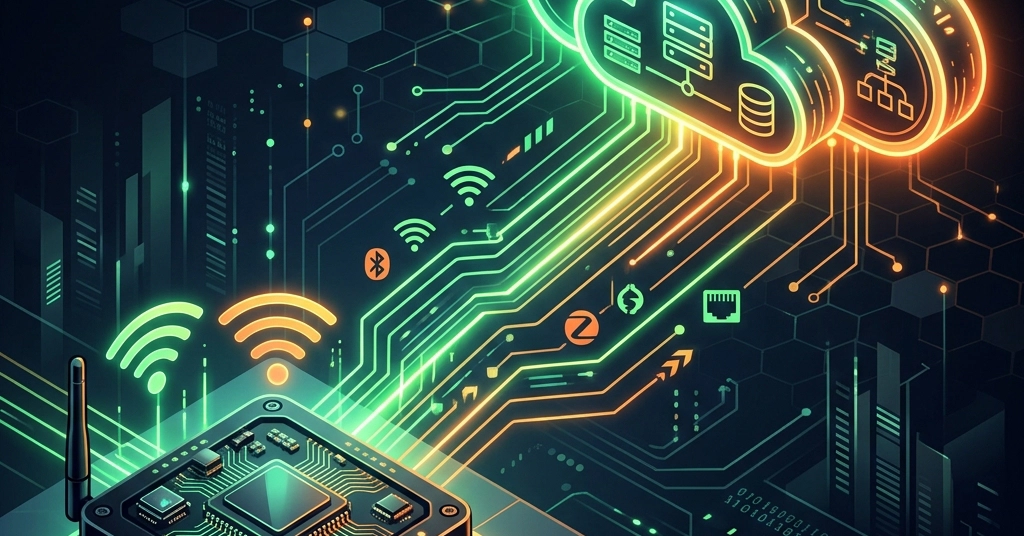
My journey, particularly architecting and maintaining a continuous 24/7 camera livestream for a real estate group over six years, has been a masterclass in this reality. It's revealed that true reliability in the physical realm demands a hybrid approach – one that intelligently merges the power of edge computing with the scalability and data insights of the cloud. This isn't just about connecting devices; it's about building resilience into the very fabric of your architecture.
In this article, I'll share the battle-tested strategies and design principles that enable systems to not just survive, but thrive, despite the harsh realities of physical deployment.
1. The Core Strategy: Smart Edge, Simple Cloud
One of the most common pitfalls in hybrid architecture design is treating the edge device as a mere 'dumb' terminal, solely responsible for streaming raw data to a powerful cloud backend. This approach creates a critical single point of failure: if the network drops, the entire system grinds to a halt.