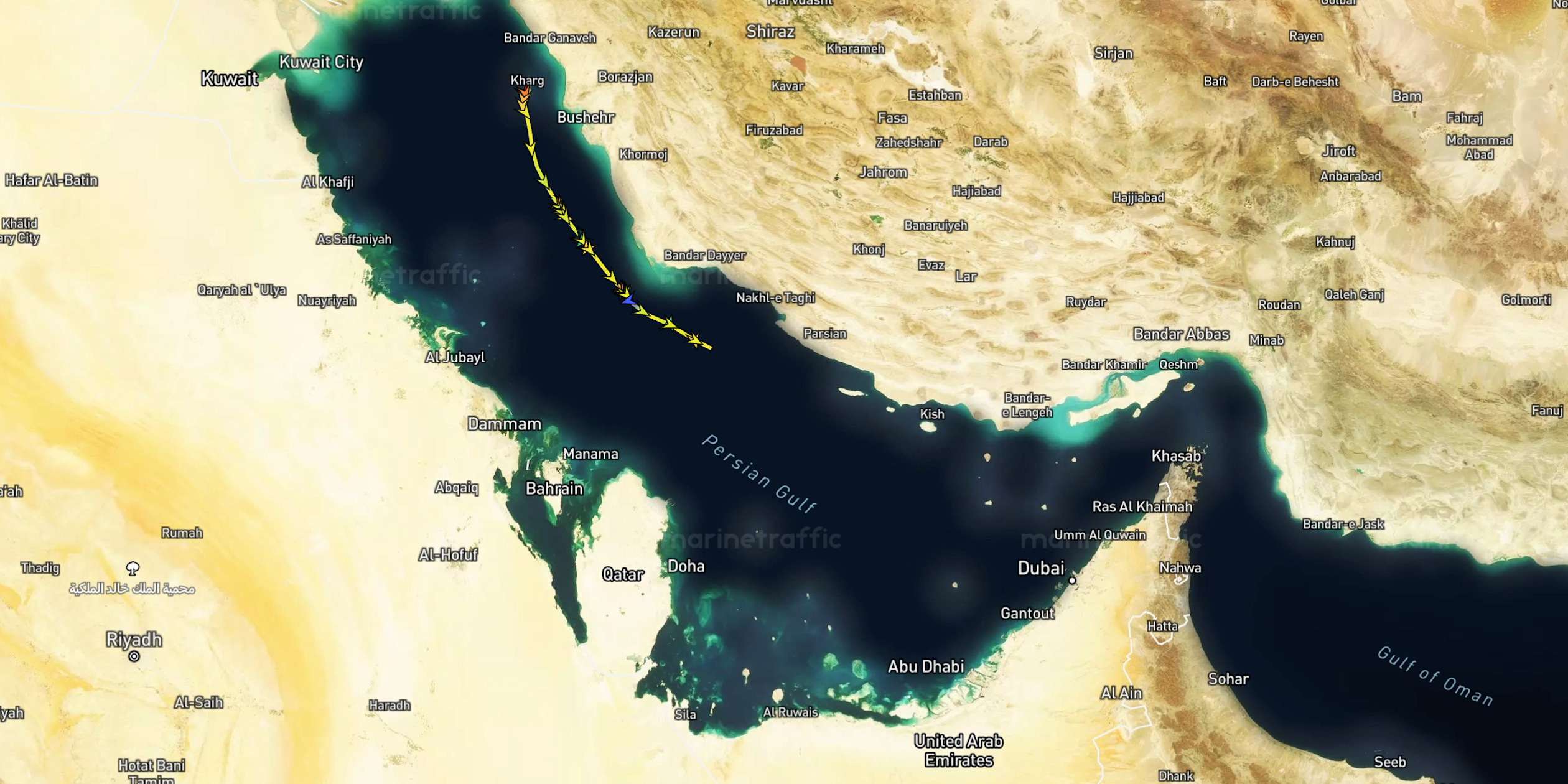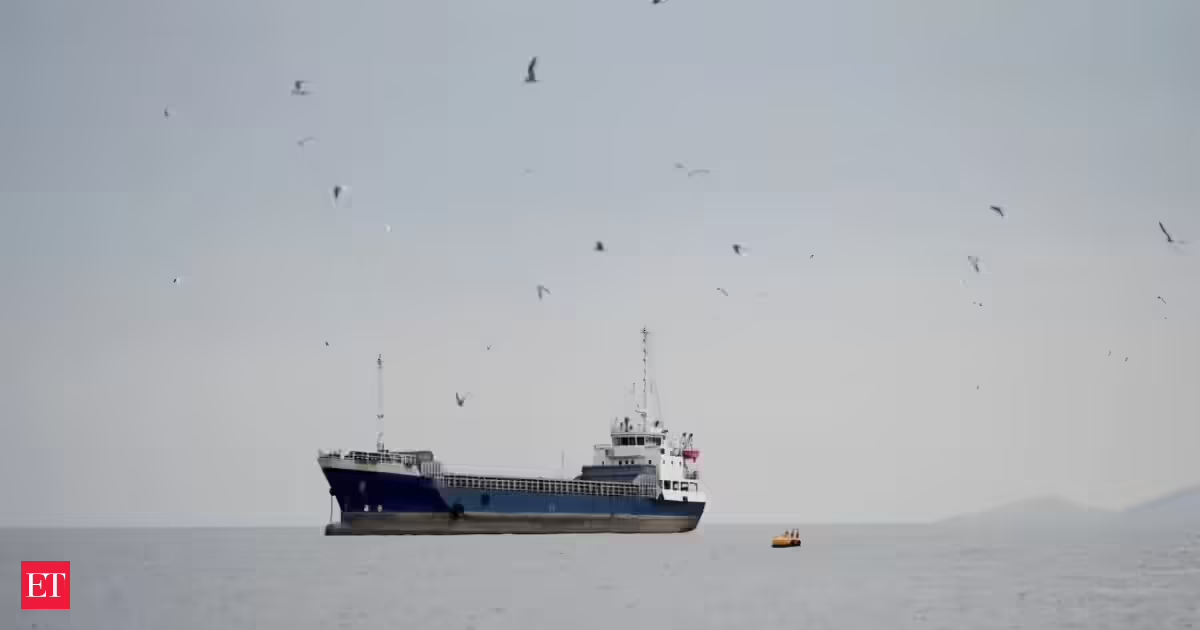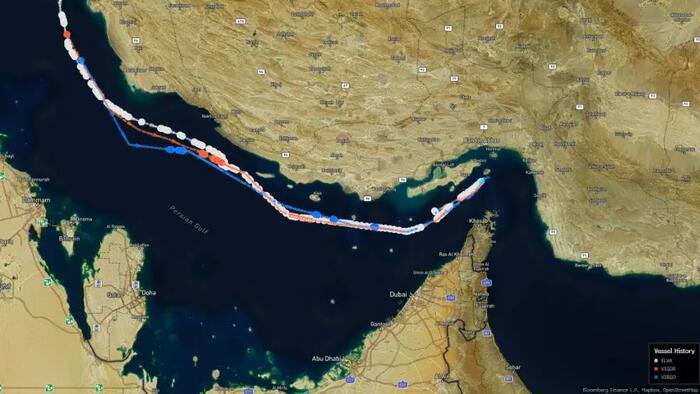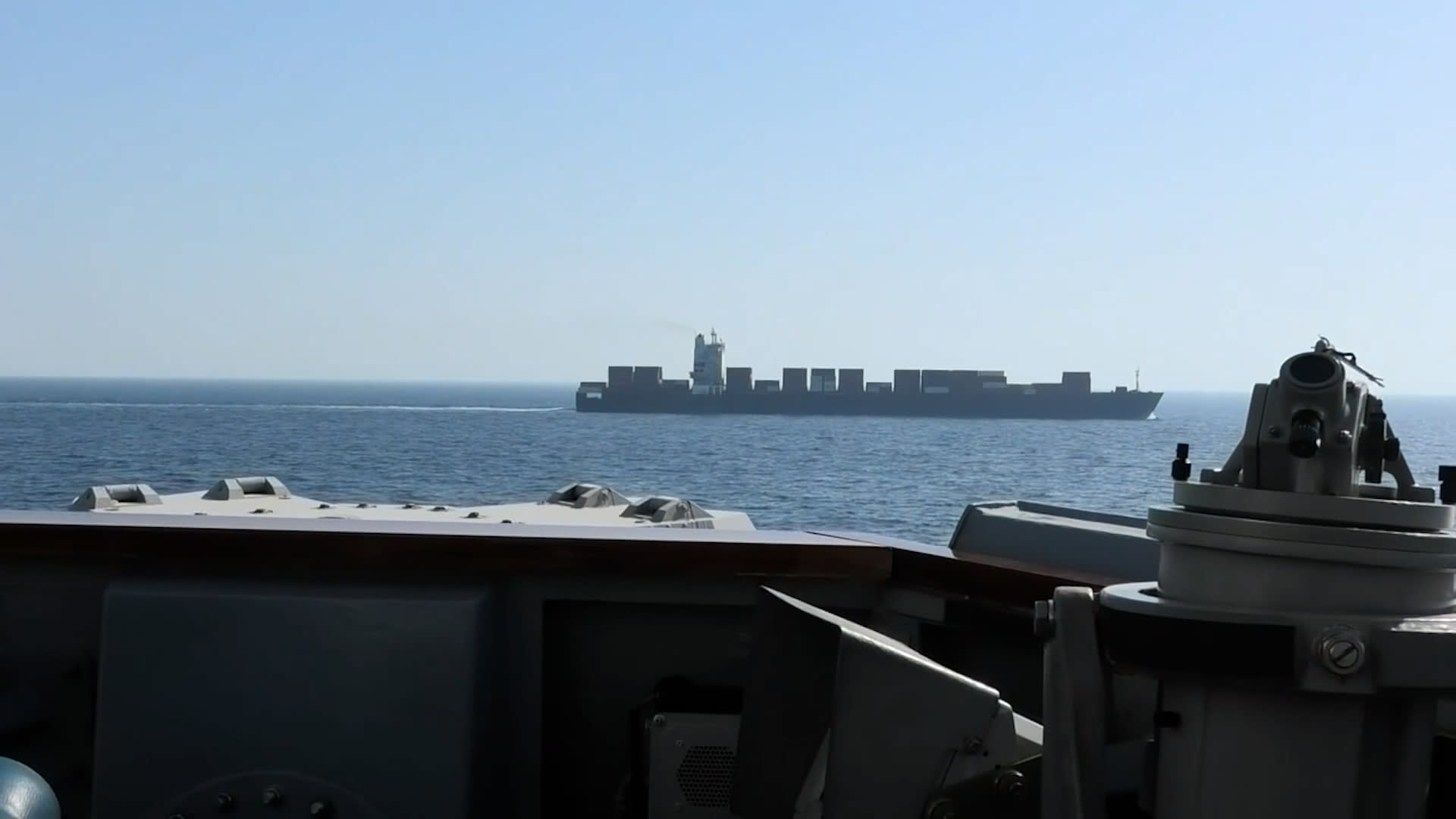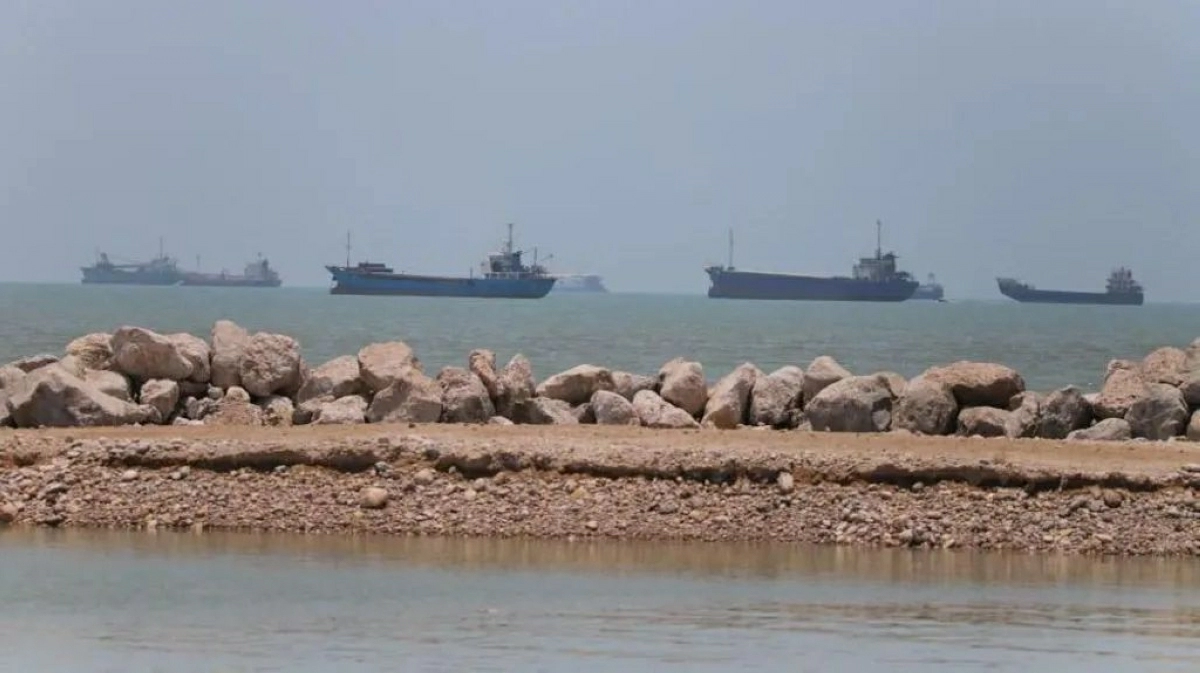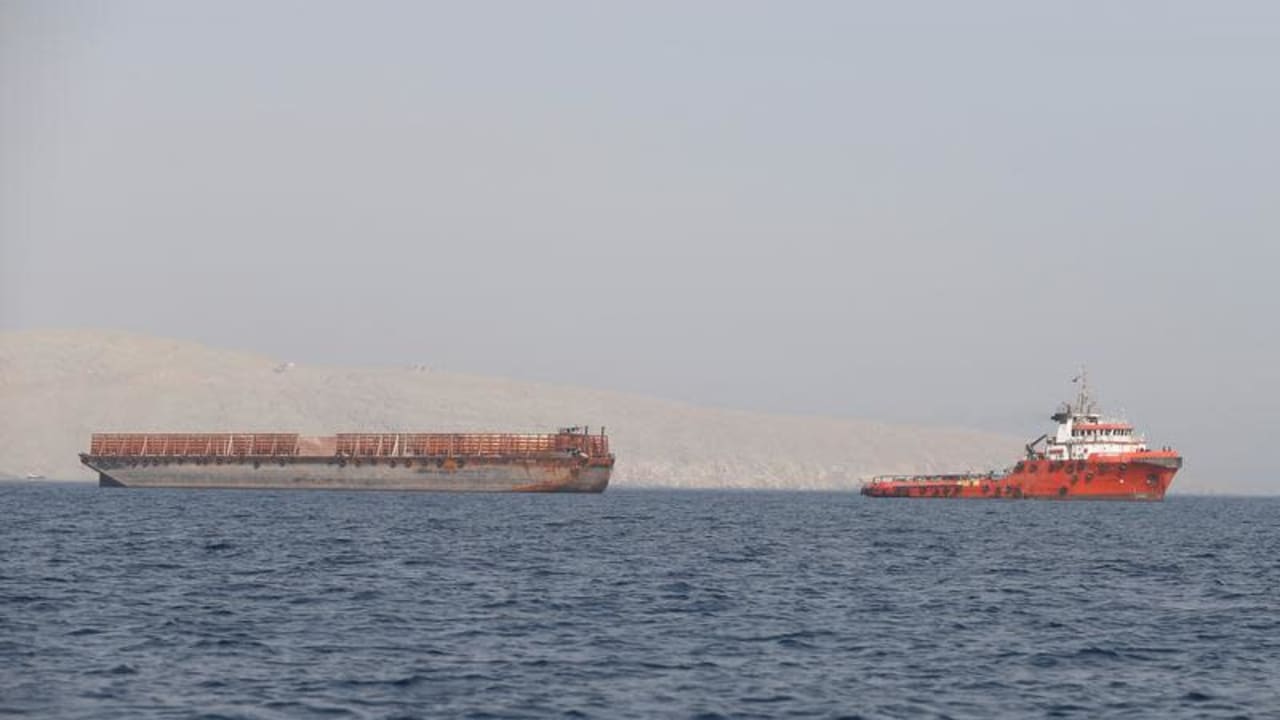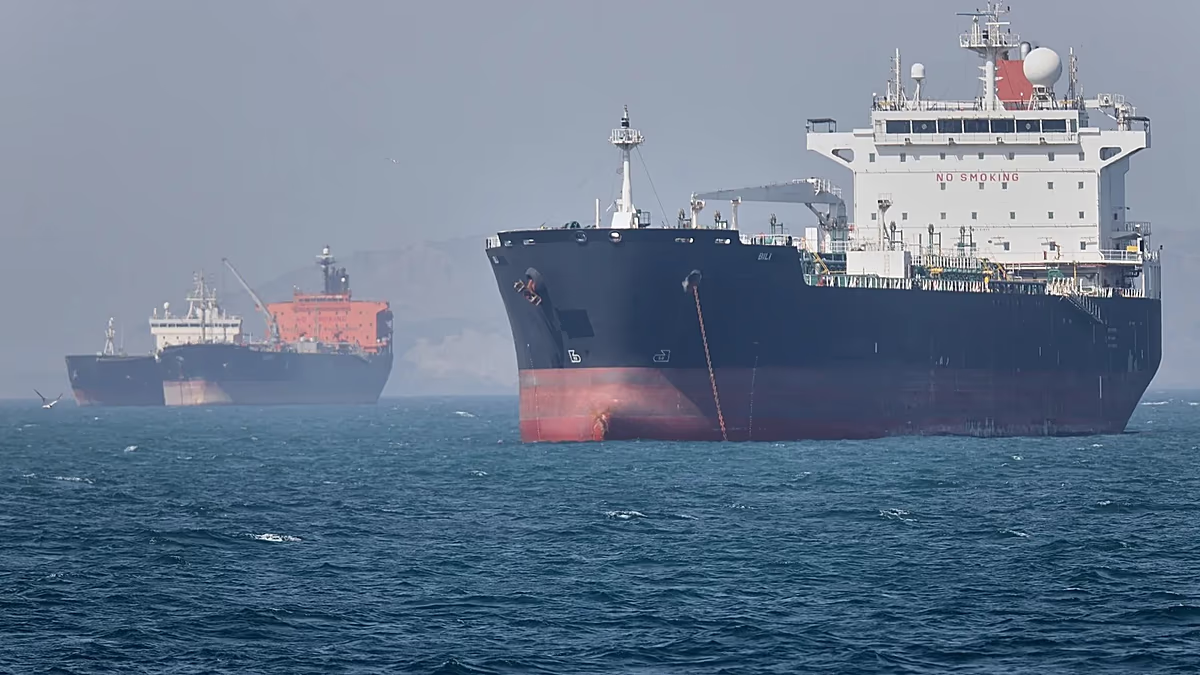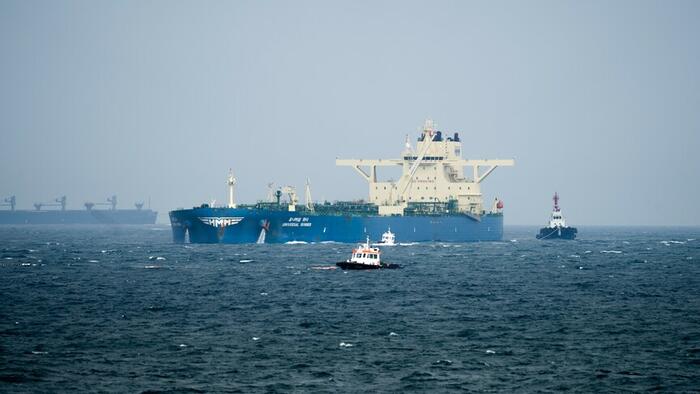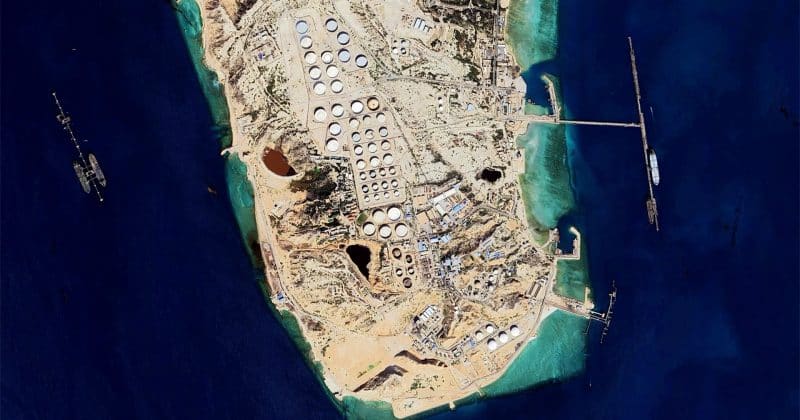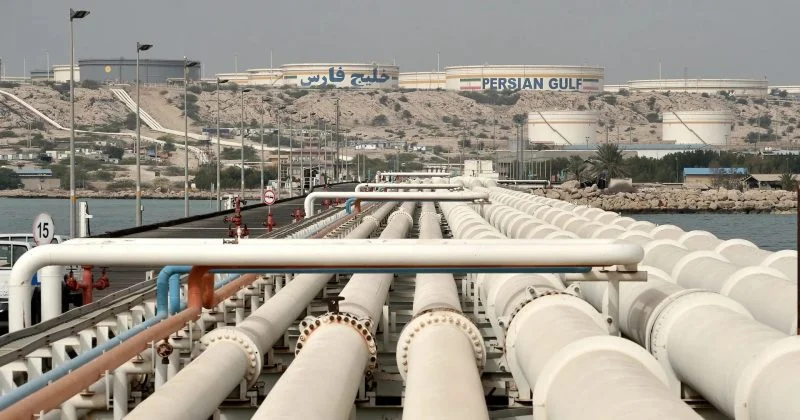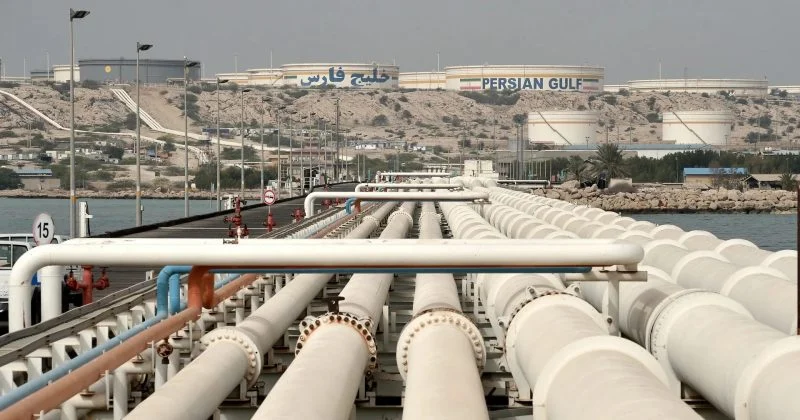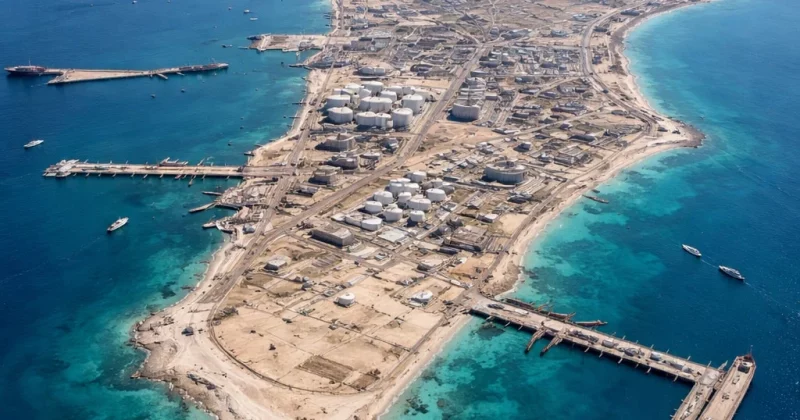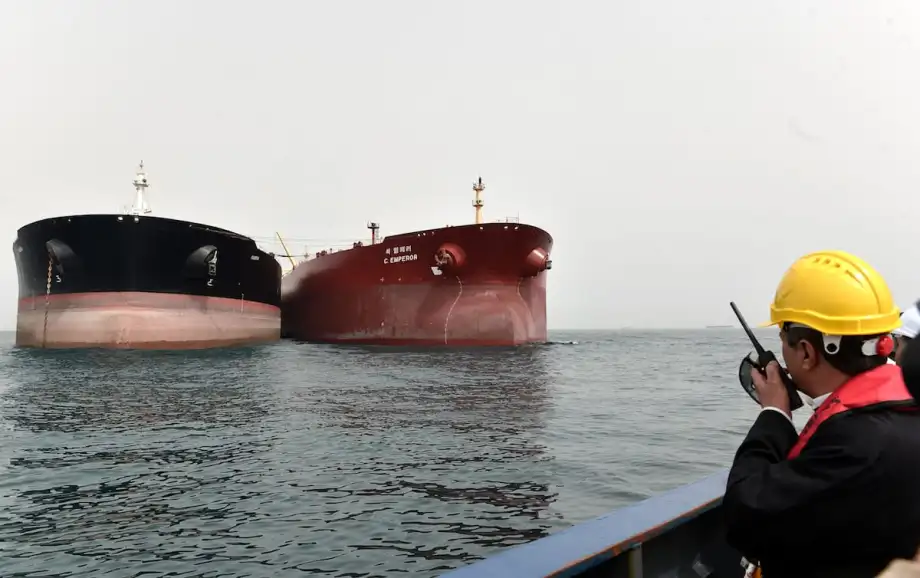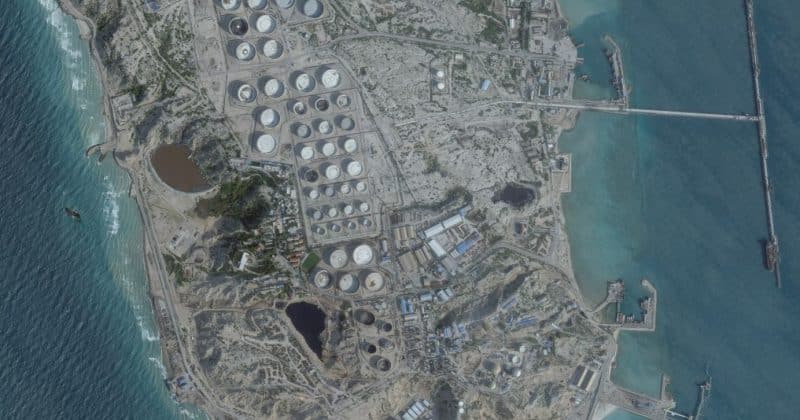
Iran’s Kharg Island terminal is back in business. After six weeks of sitting idle under a US naval blockade, the facility that handles roughly 90% of Iran’s crude exports resumed loading operations on June 20, with three very large crude carriers docking at the terminal.
The reopening follows an interim agreement between Washington and Tehran, one that includes provisions for Strait of Hormuz transit and export waivers.
What the blockade actually did
The terminal has a loading capacity of roughly 7 million barrels per day, making it one of the most strategically important oil infrastructure sites on the planet.
Before the US Navy blockade began, Iranian crude loadings averaged about 2.1 million barrels per day. That number collapsed to approximately 567,000 barrels per day by mid-April 2026. The six-week disruption sent prices spiking toward $100 per barrel during March 2026, squeezing refiners and consumers across Asia, where the bulk of Iranian crude finds its buyers. China, the largest consumer of Iranian oil, felt the pinch most directly.