Iran’s Supreme Leader Mojtaba Khamenei has signed off on a memorandum of understanding with the United States that Tehran reportedly dislikes but accepted anyway. The reason is straightforward: economic relief worth $300 billion in reconstruction funding, sanctions rollback, and a path out of diplomatic isolation. The price tag for Iran includes reopening the Strait of Hormuz and pledging not to develop nuclear weapons.
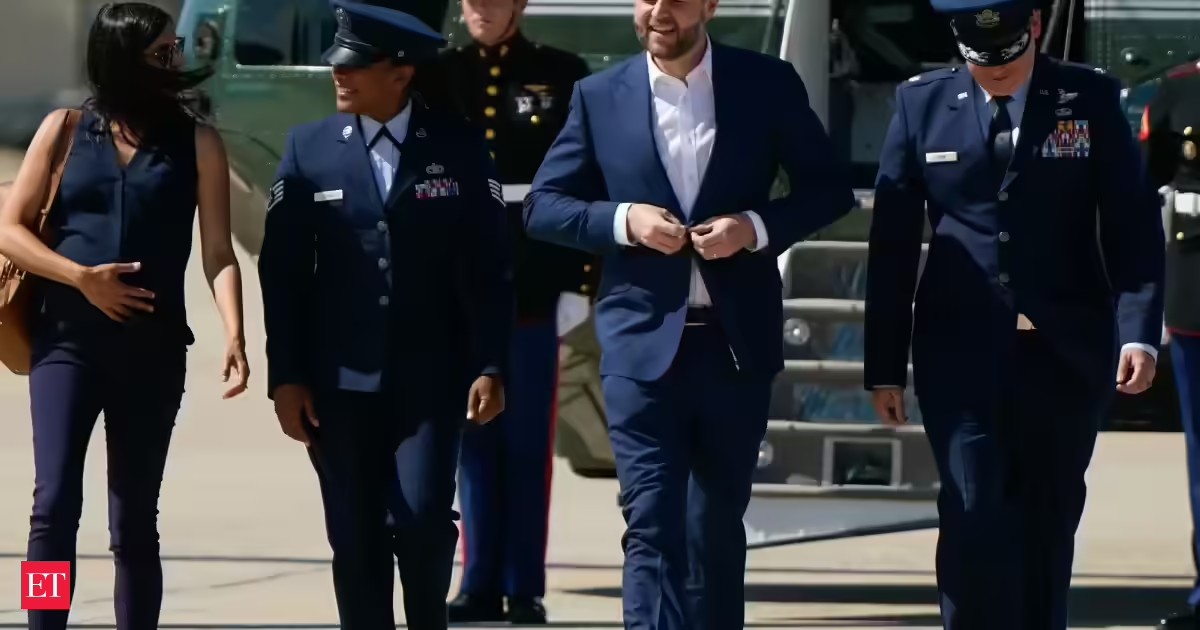
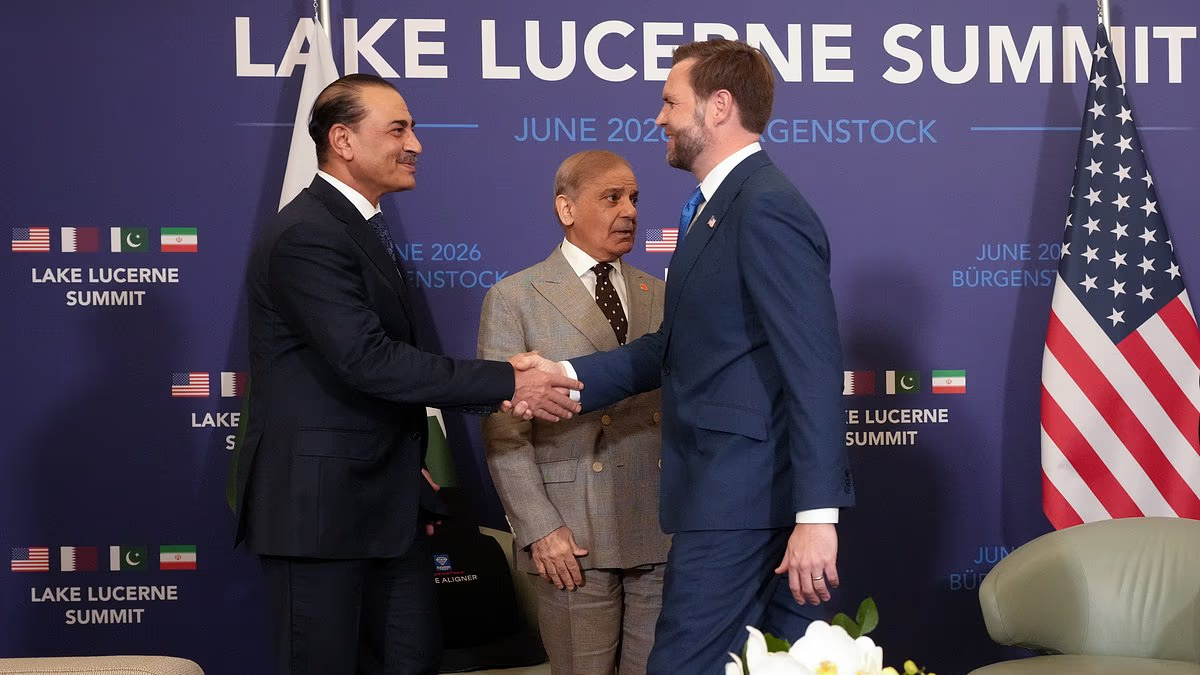
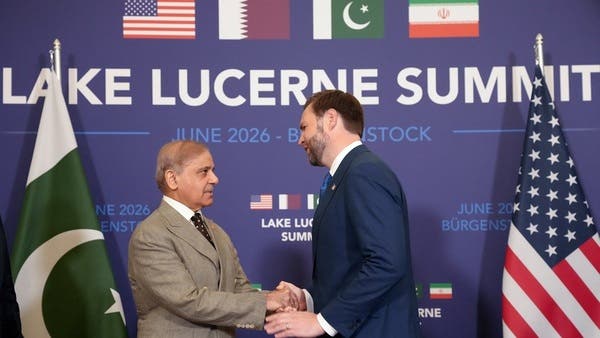
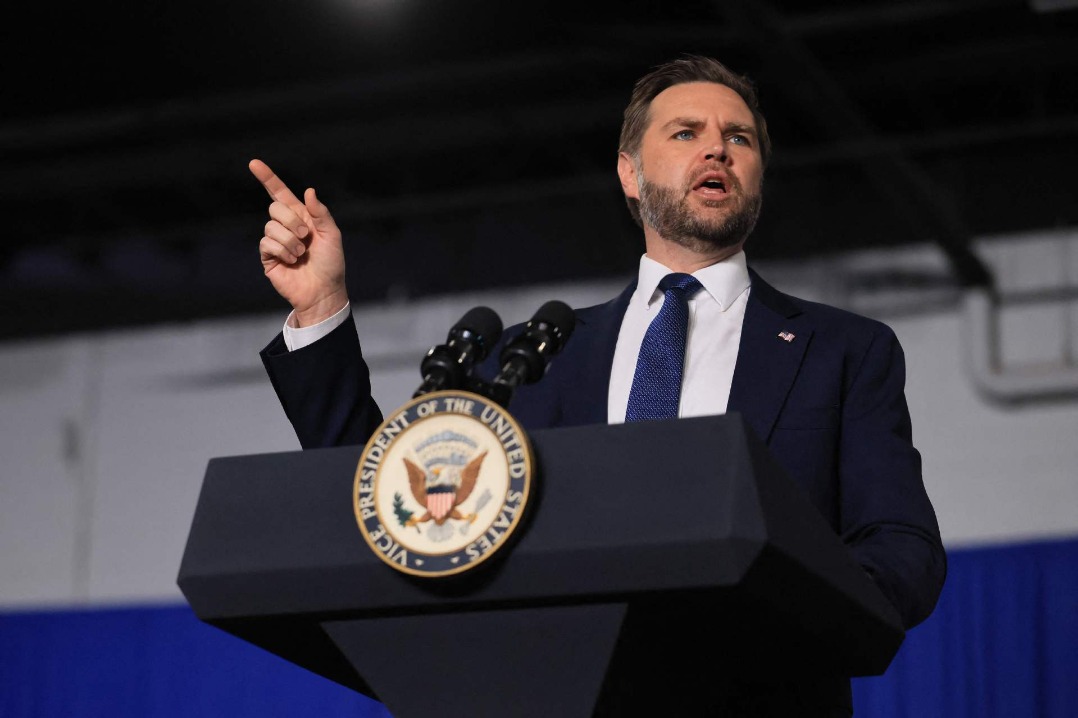
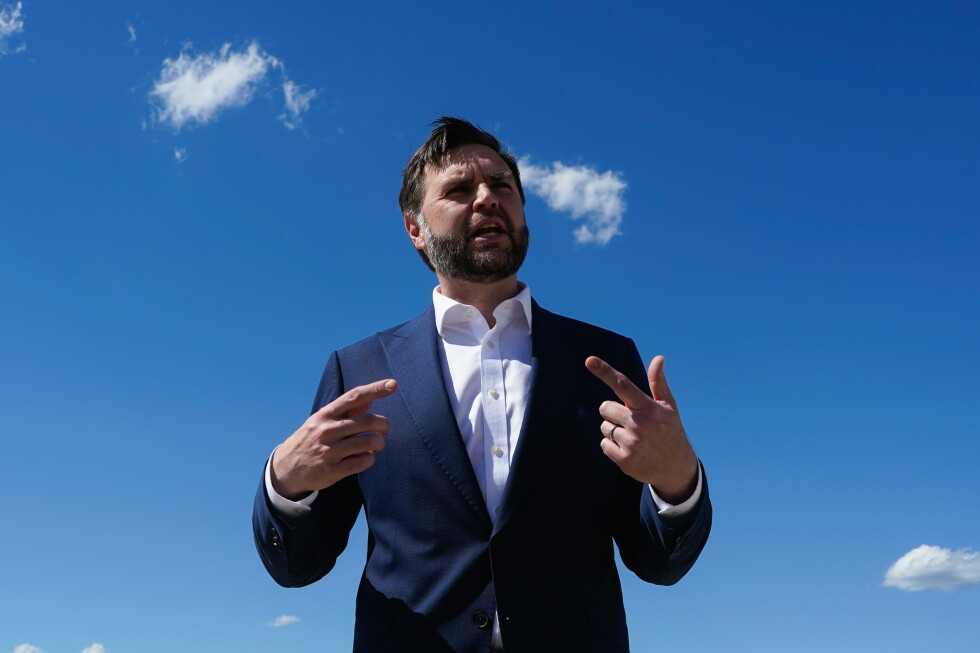
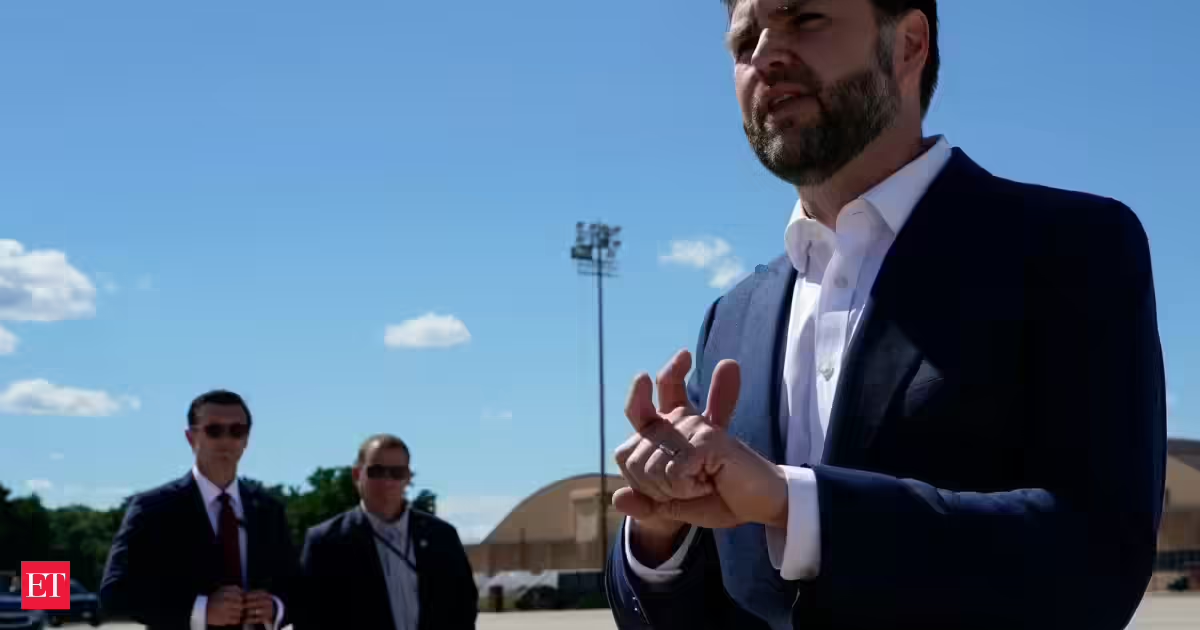
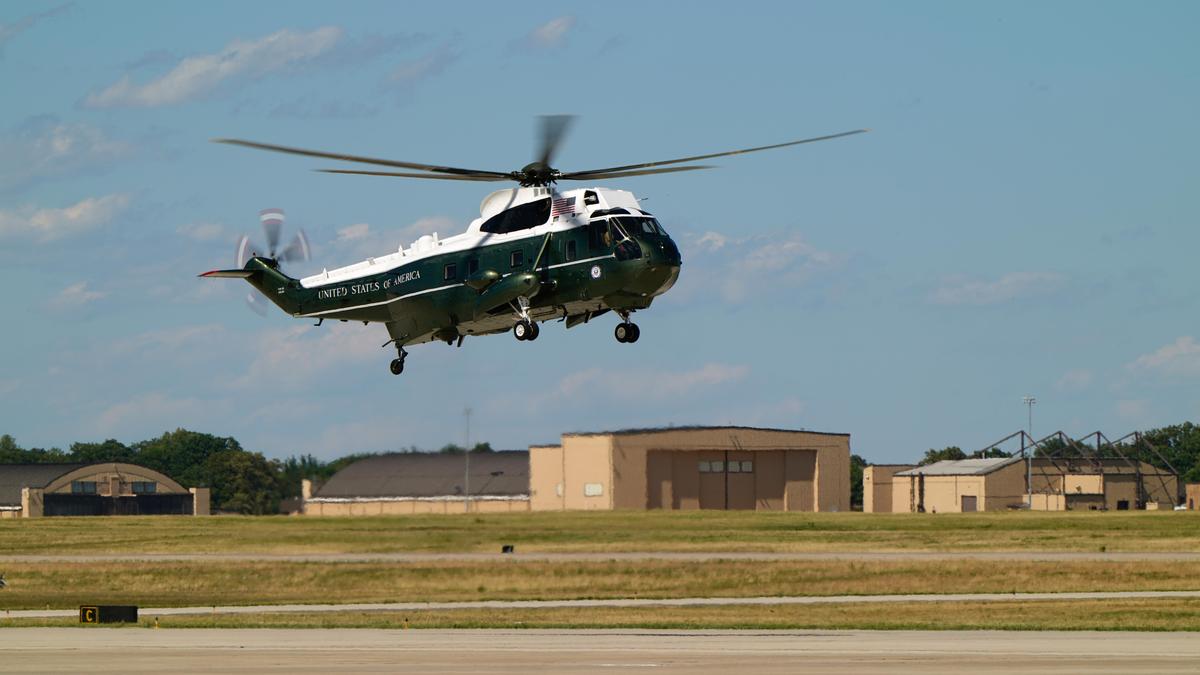
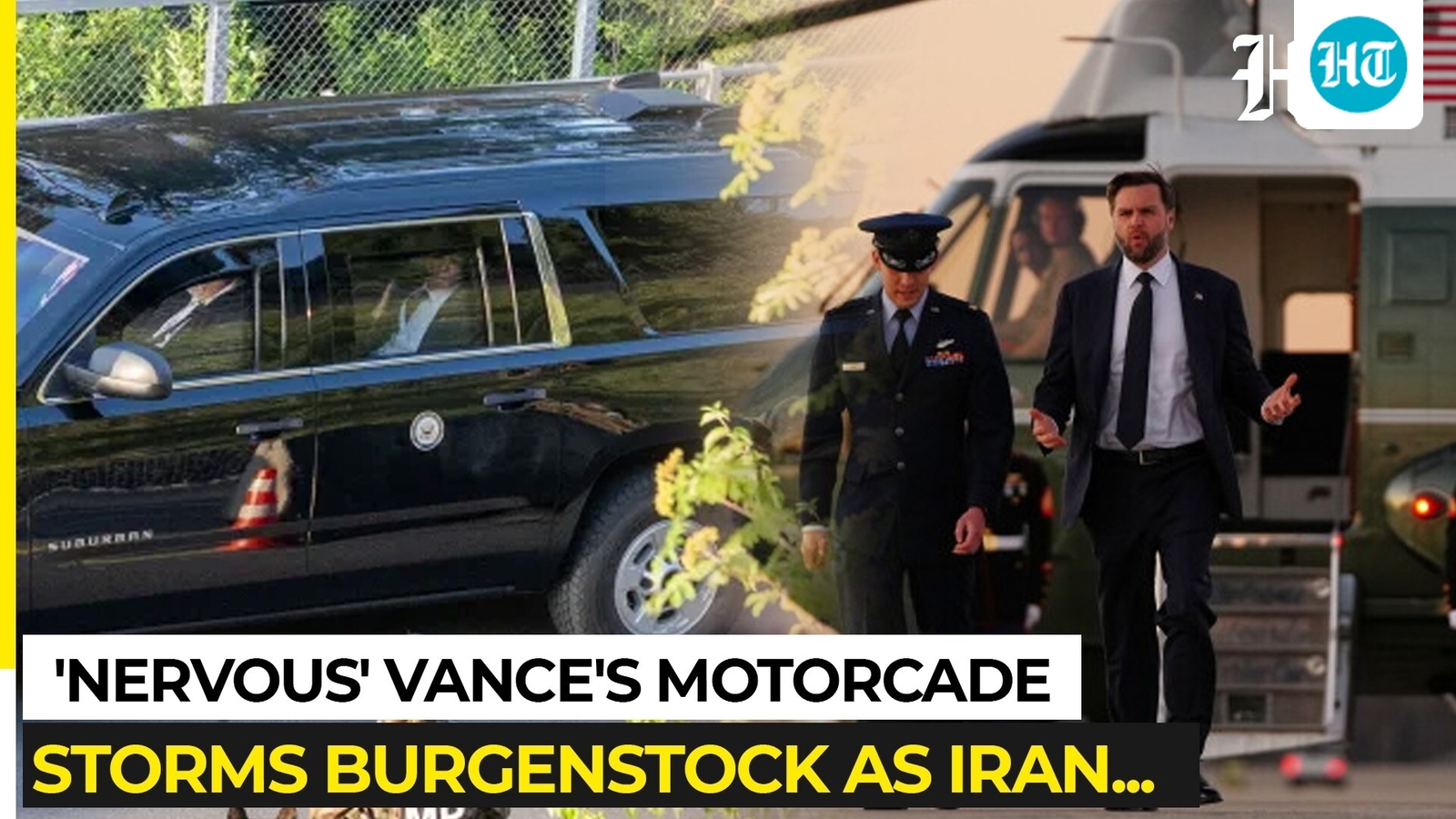
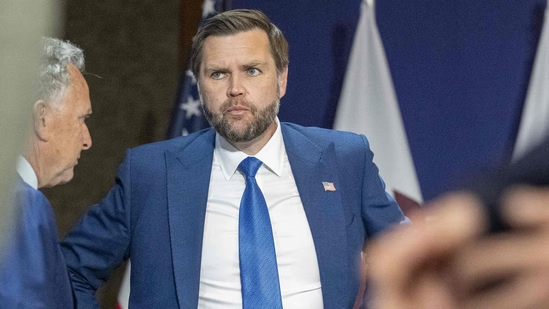
Vice President JD Vance is now preparing to lead follow-up negotiations in Switzerland, where an Iranian delegation arrived on June 20. The original plan had Vance departing on June 19, but logistical complications and ongoing conflict between Israel and Hezbollah pushed the timeline back.
A deal nobody loves but everyone needs
Here’s the thing about the MOU signed around June 18: Khamenei approved it despite expressing doubts. The supreme leader reportedly received assurances from Iranian officials that the country’s core interests would remain protected under the agreement’s terms.
The deal’s architecture is built on a simple exchange. Iran gets a $300 billion reconstruction plan and meaningful sanctions relief. In return, Washington gets two things it has chased for decades: a formal commitment from Tehran not to pursue nuclear weapons and the reopening of the Strait of Hormuz, the narrow waterway through which roughly a fifth of the world’s daily oil supply passes.