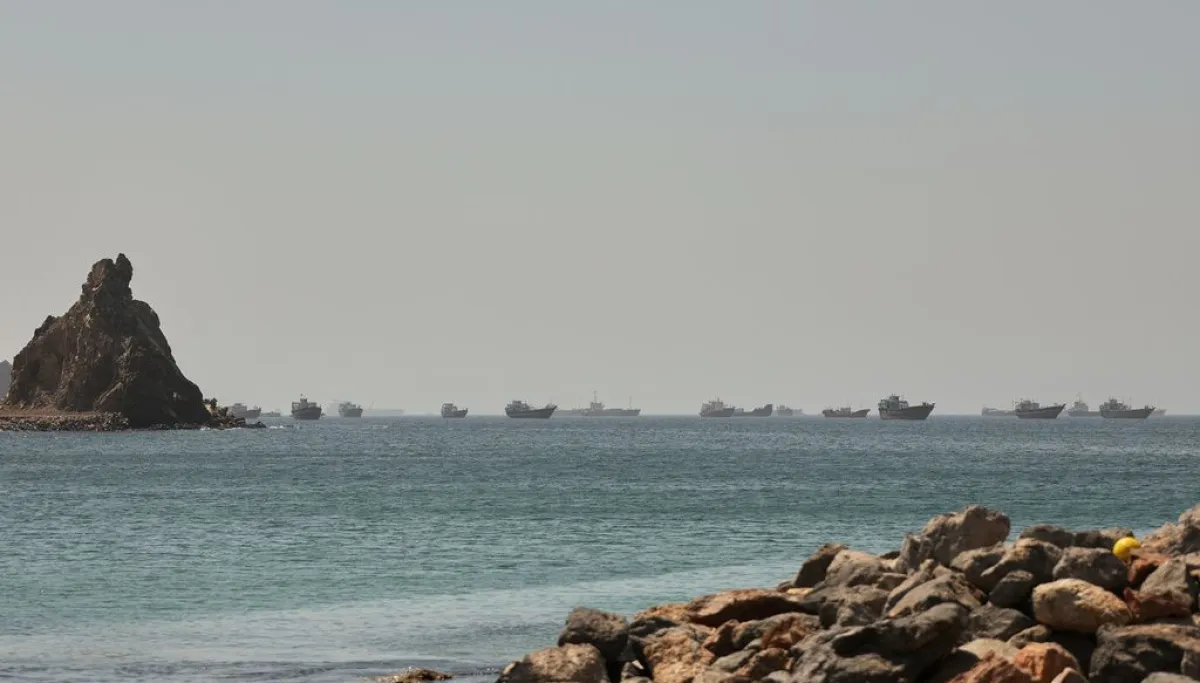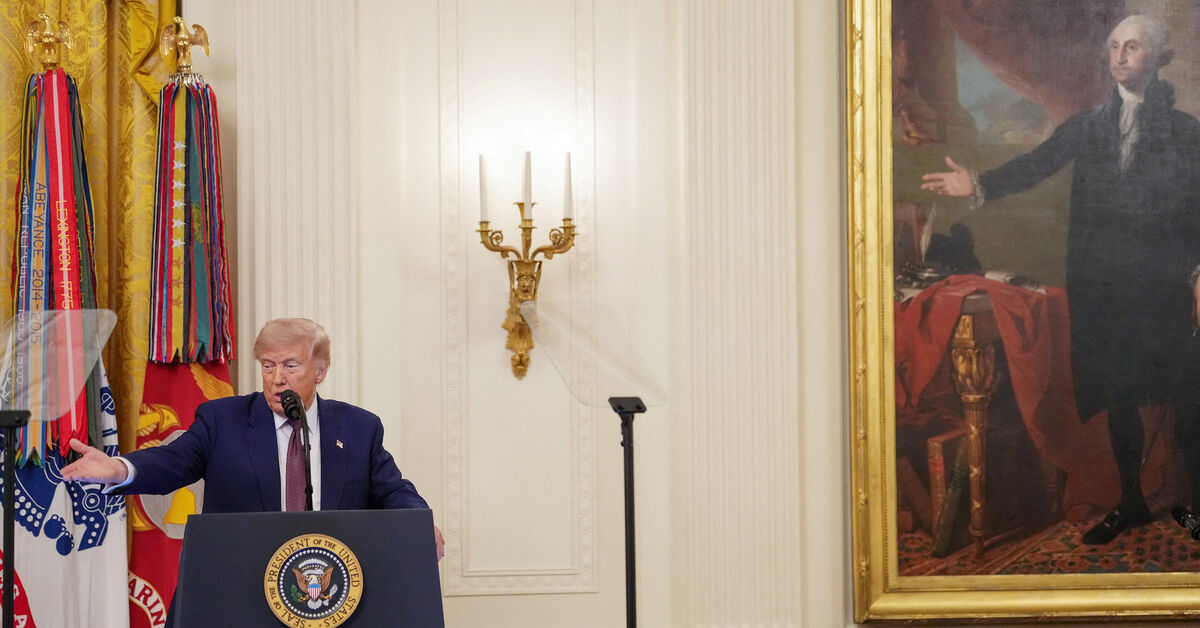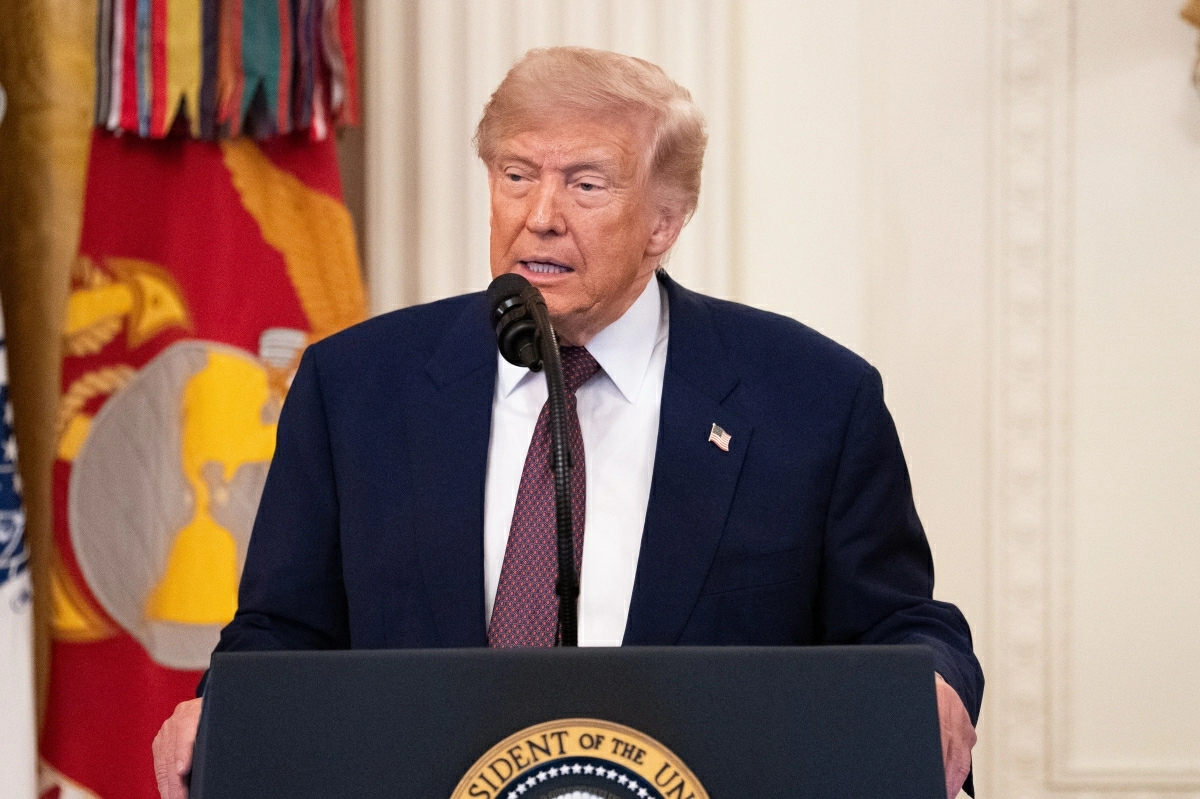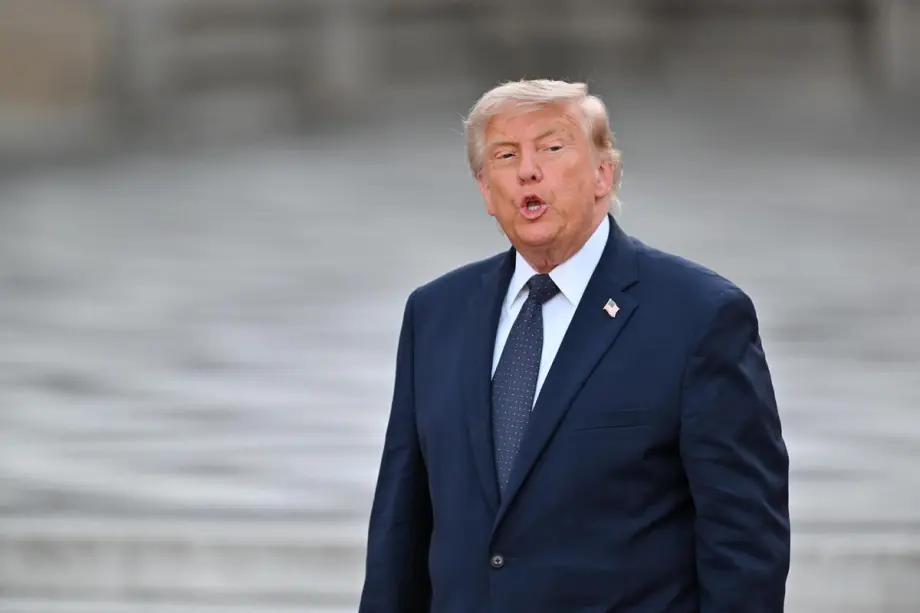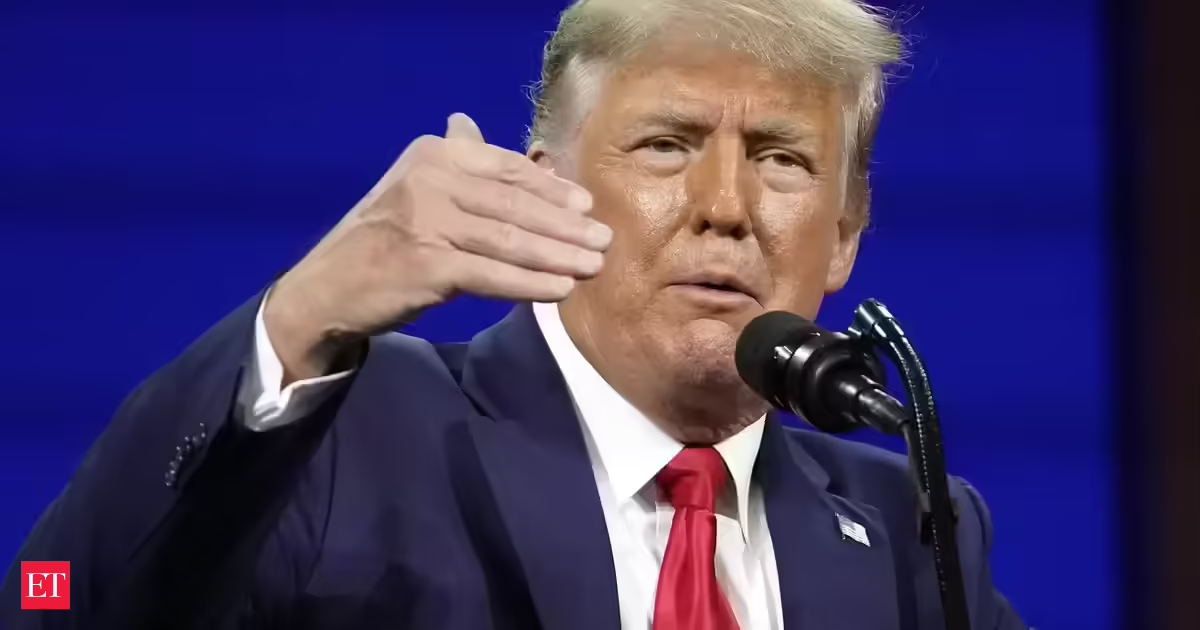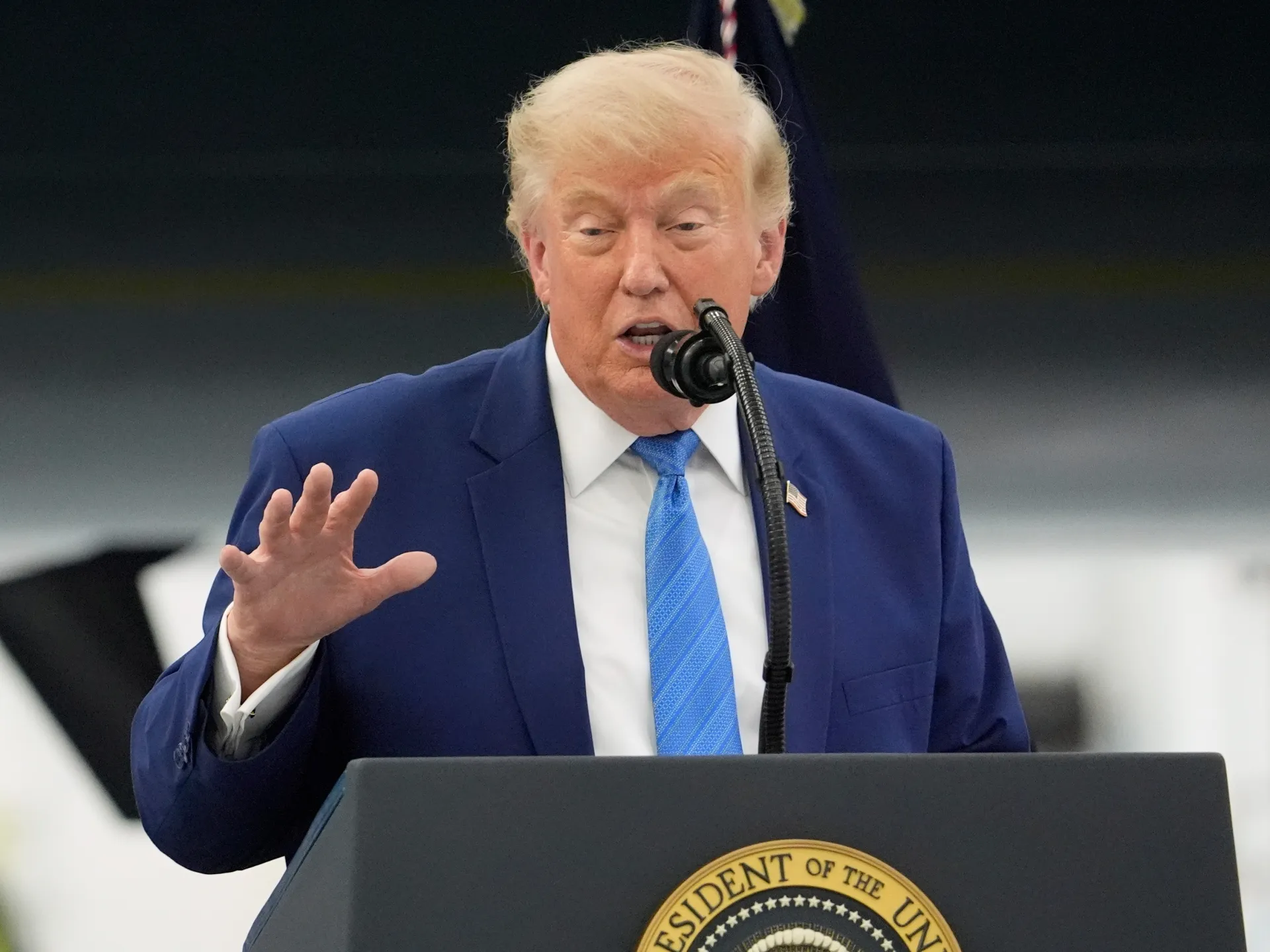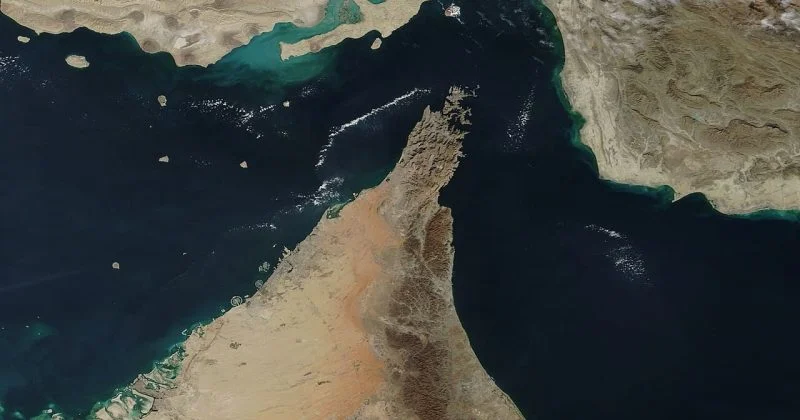
The White House announced that the Strait of Hormuz will not have tolls implemented during a 60-day ceasefire period, and no tolls will be imposed afterward unless by the United States. President Donald J. Trump made this statement, suggesting a shift in the strategic maritime dynamics of the crucial shipping route. This announcement comes during a tense ceasefire between the U.S. and Iran amidst ongoing negotiations over traffic restrictions in the strait. The Strait of Hormuz, a critical passage for global oil shipments, has seen varying levels of control and access charges, previously considered by Iran, leading to heightened geopolitical tensions.
The development appears to affect market perceptions about the likelihood of normalizing traffic levels in the strait by the end of June. Currently, markets show a 6.5% probability that traffic will return to normal by June 30, down from 24% a week ago. This market movement reflects uncertainty despite the ceasefire, as the geopolitical environment remains volatile. The U.S. and Iran’s diplomatic strategies and maritime enforcement policies will be key factors influencing the strait’s operational status in the coming weeks.
Key Takeaways