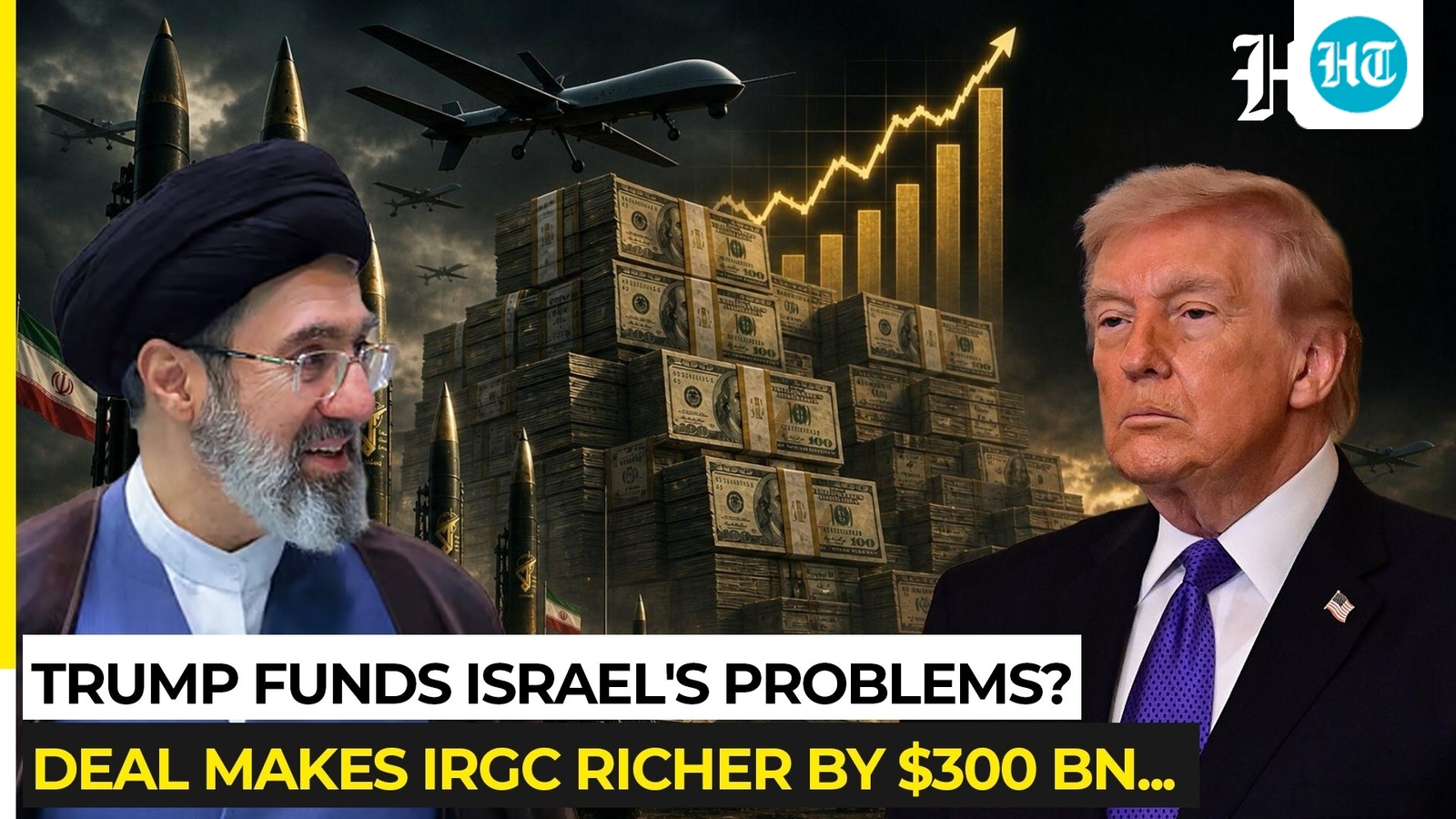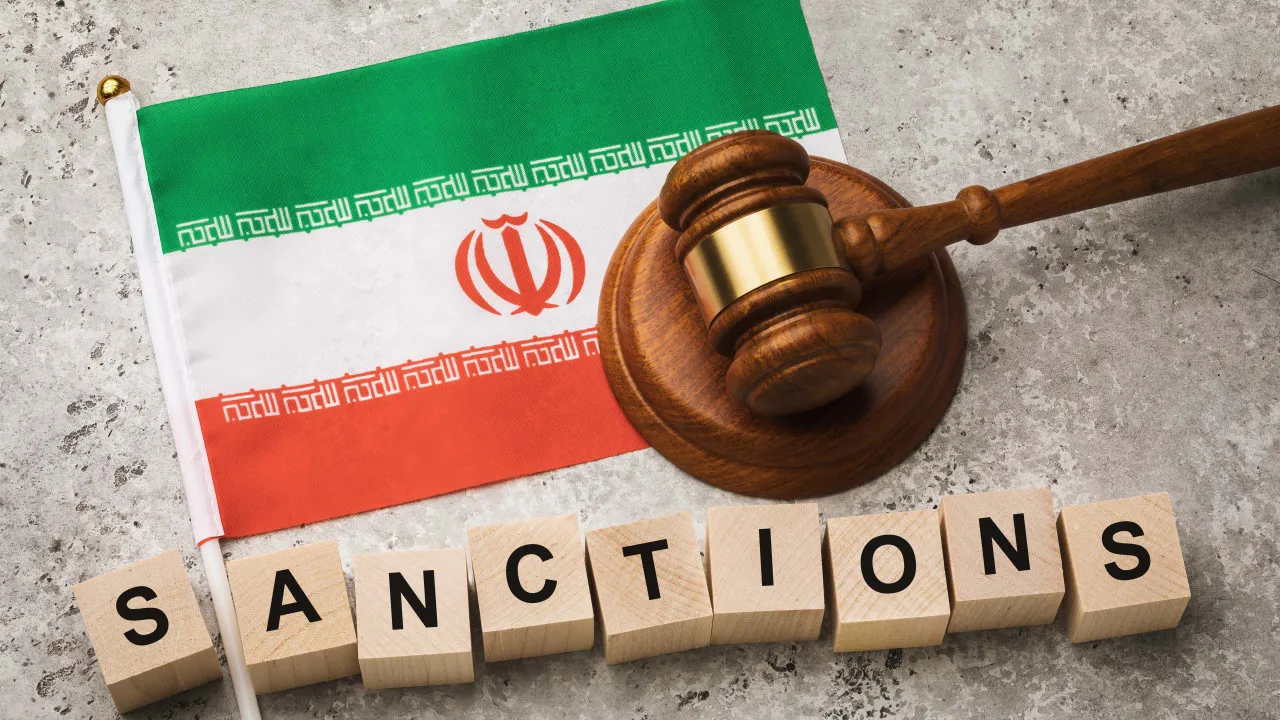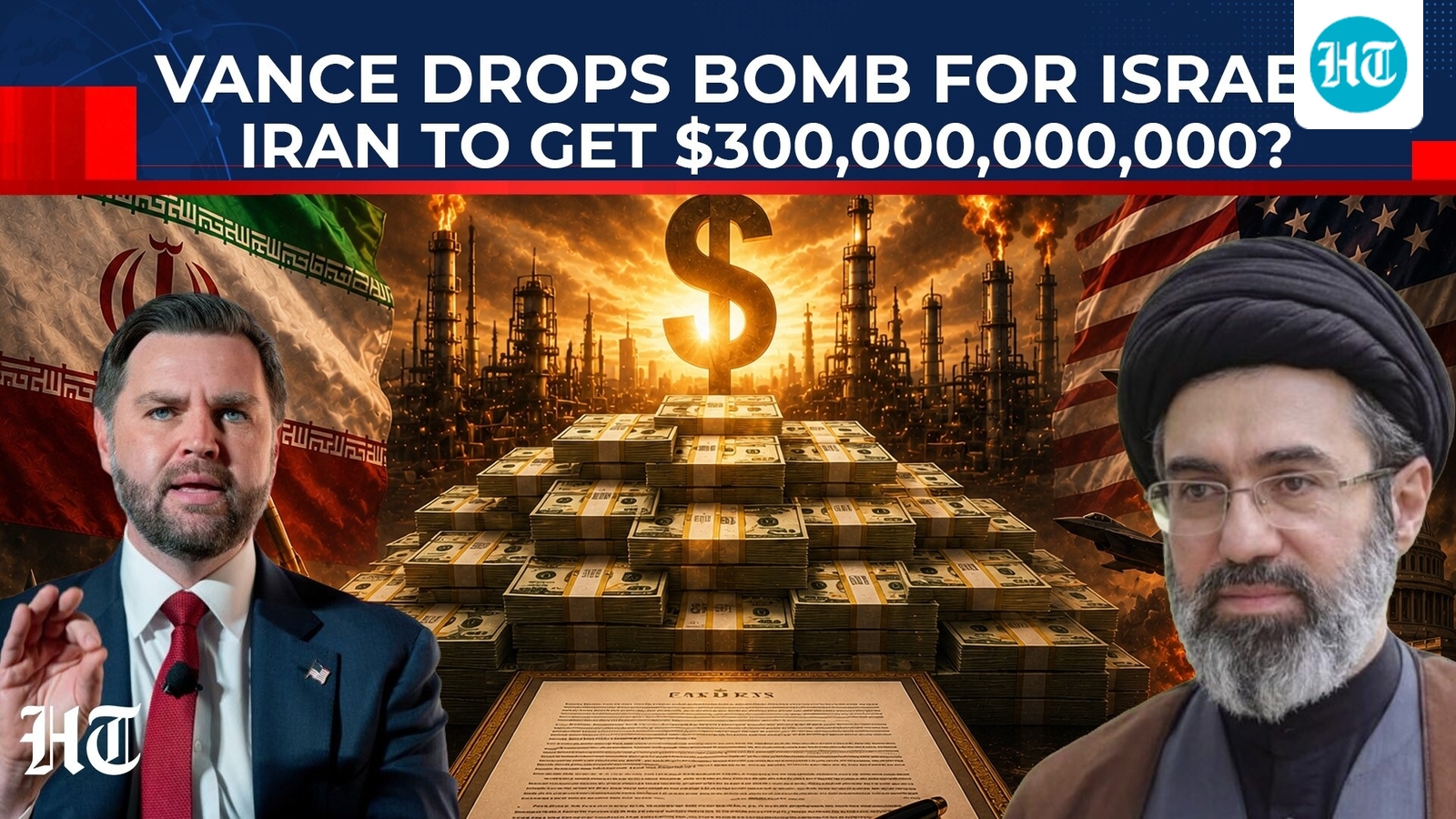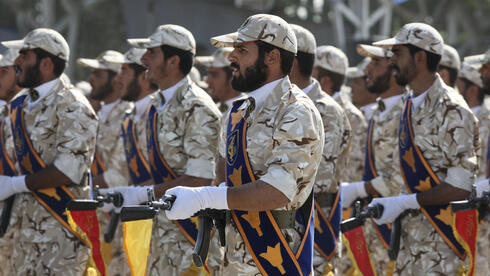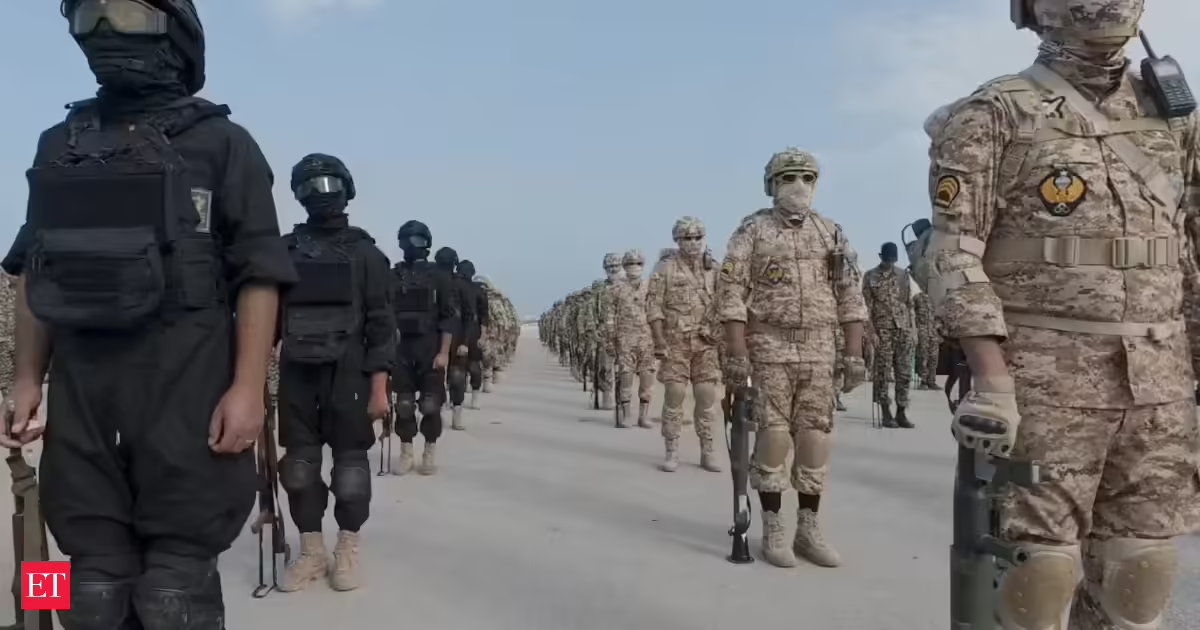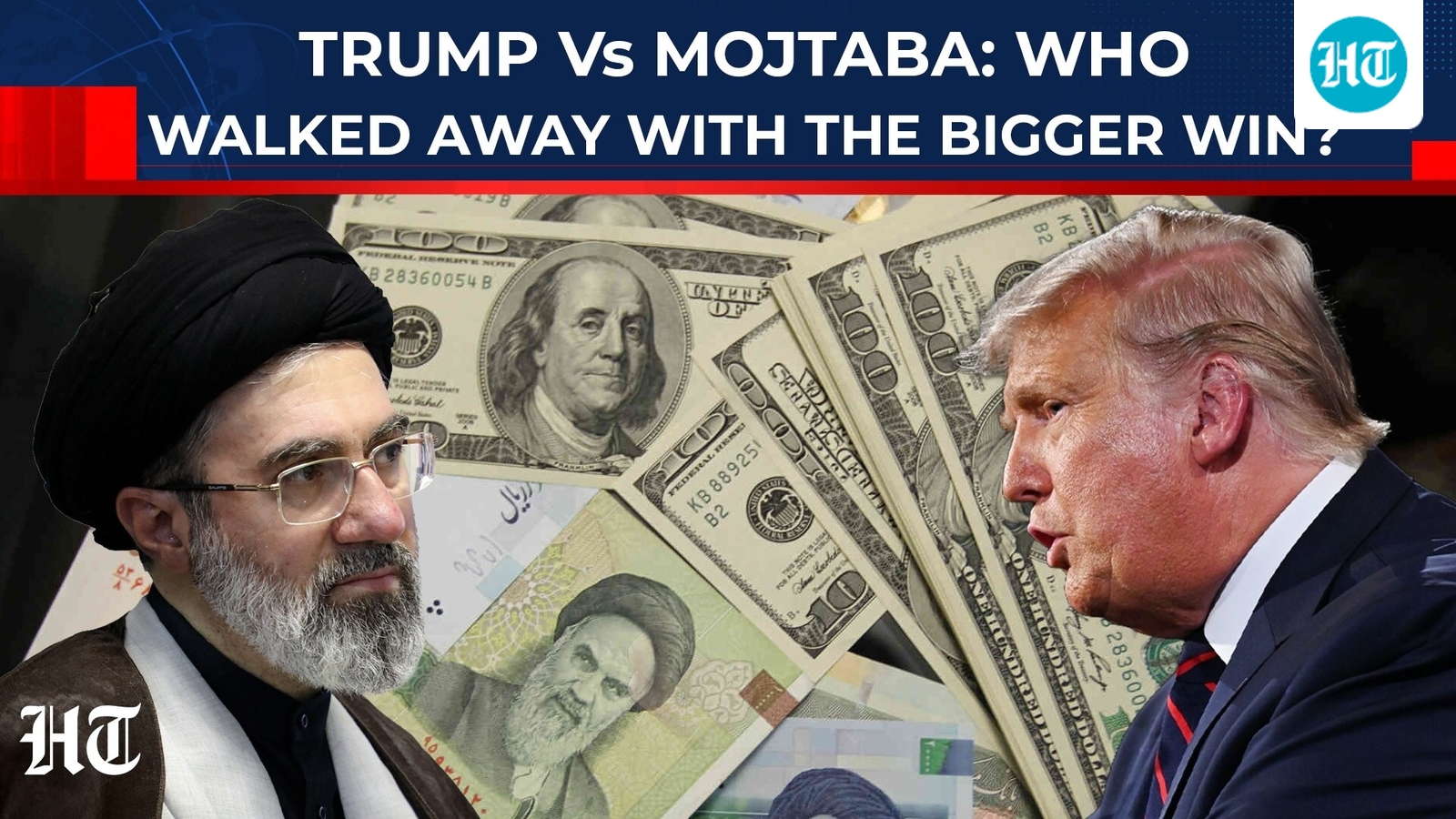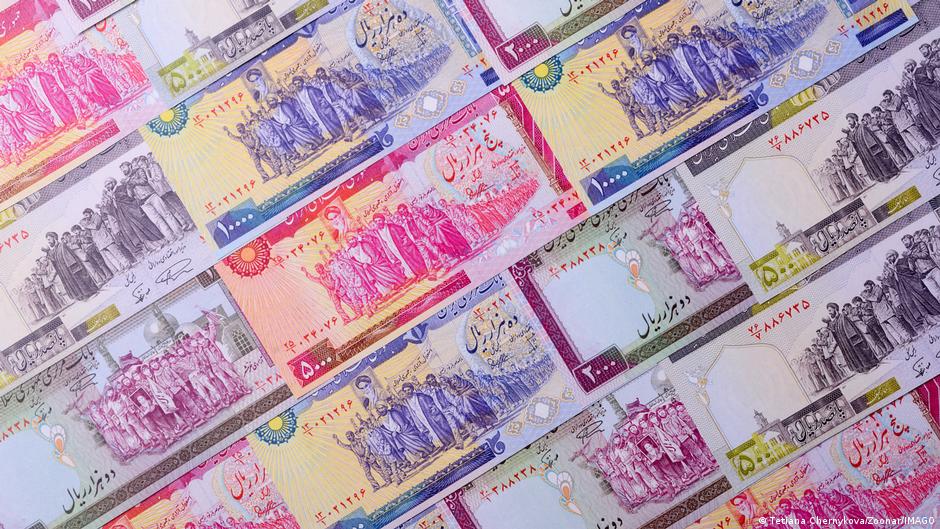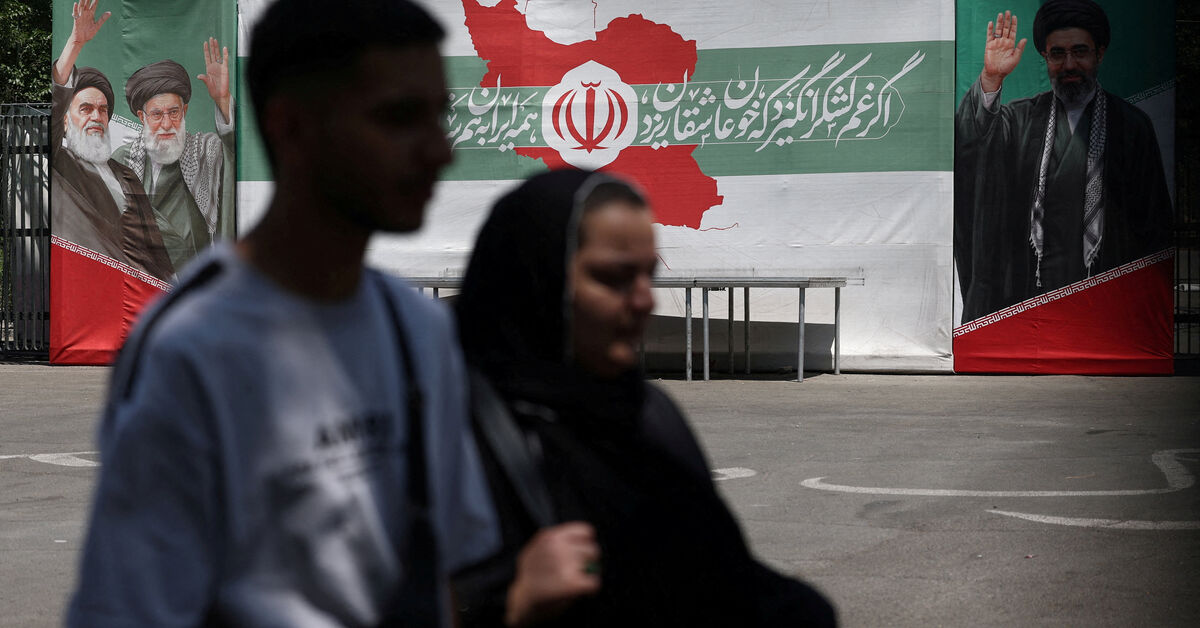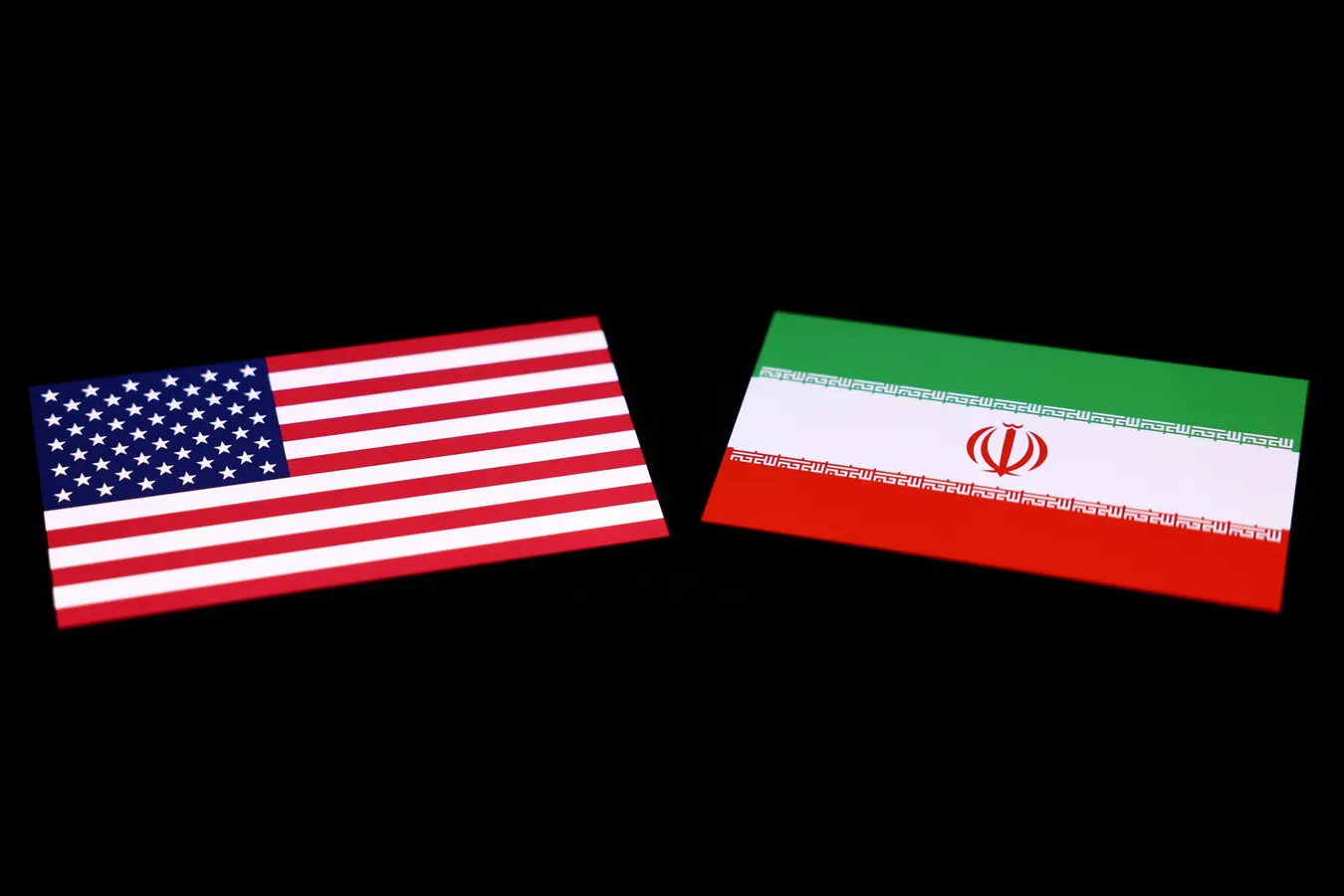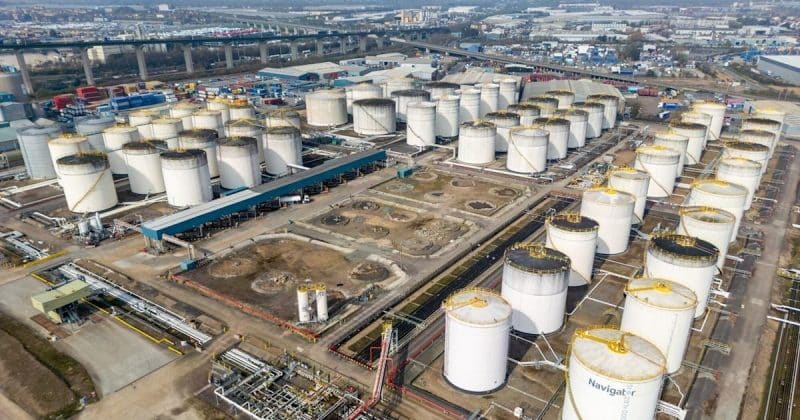
As U.S.-Iran negotiations move forward, questions are growing over who stands to gain the most from sanctions relief and economic recovery. Senior Iranian sources told Reuters that the Islamic Revolutionary Guard Corps could emerge as one of the biggest beneficiaries of a broader agreement. A future deal could unlock oil revenues, foreign investment and even a massive reconstruction fund estimated at $300 billion. Analysts note that the IRGC already maintains deep ties to sectors ranging from energy and shipping to telecommunications and construction. Critics warn that renewed business activity could further expand the Guards’ economic and political influence.
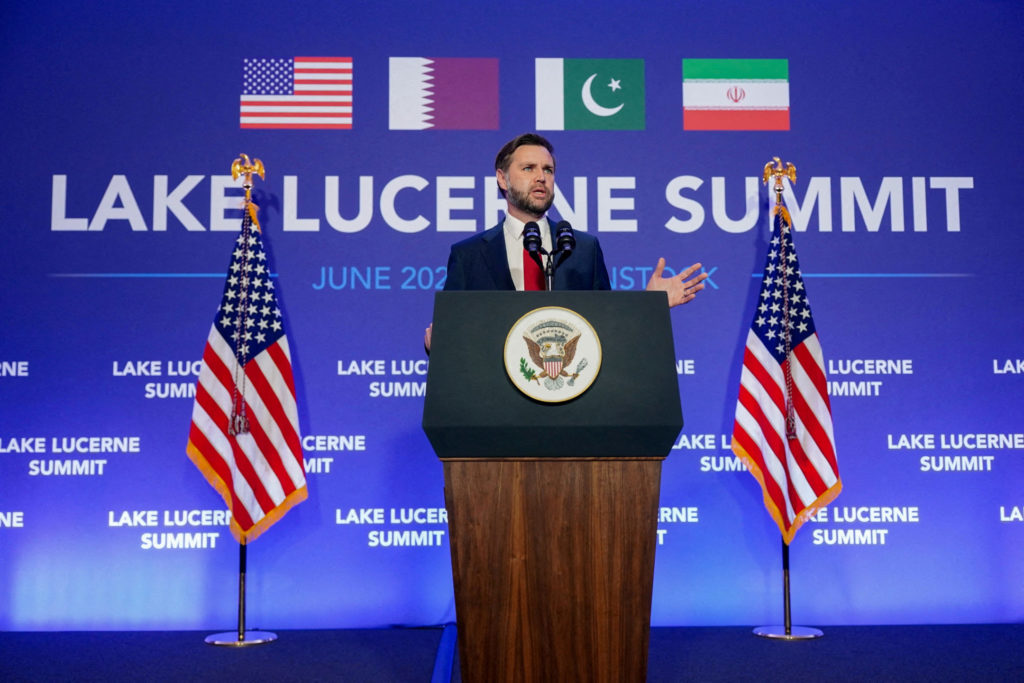
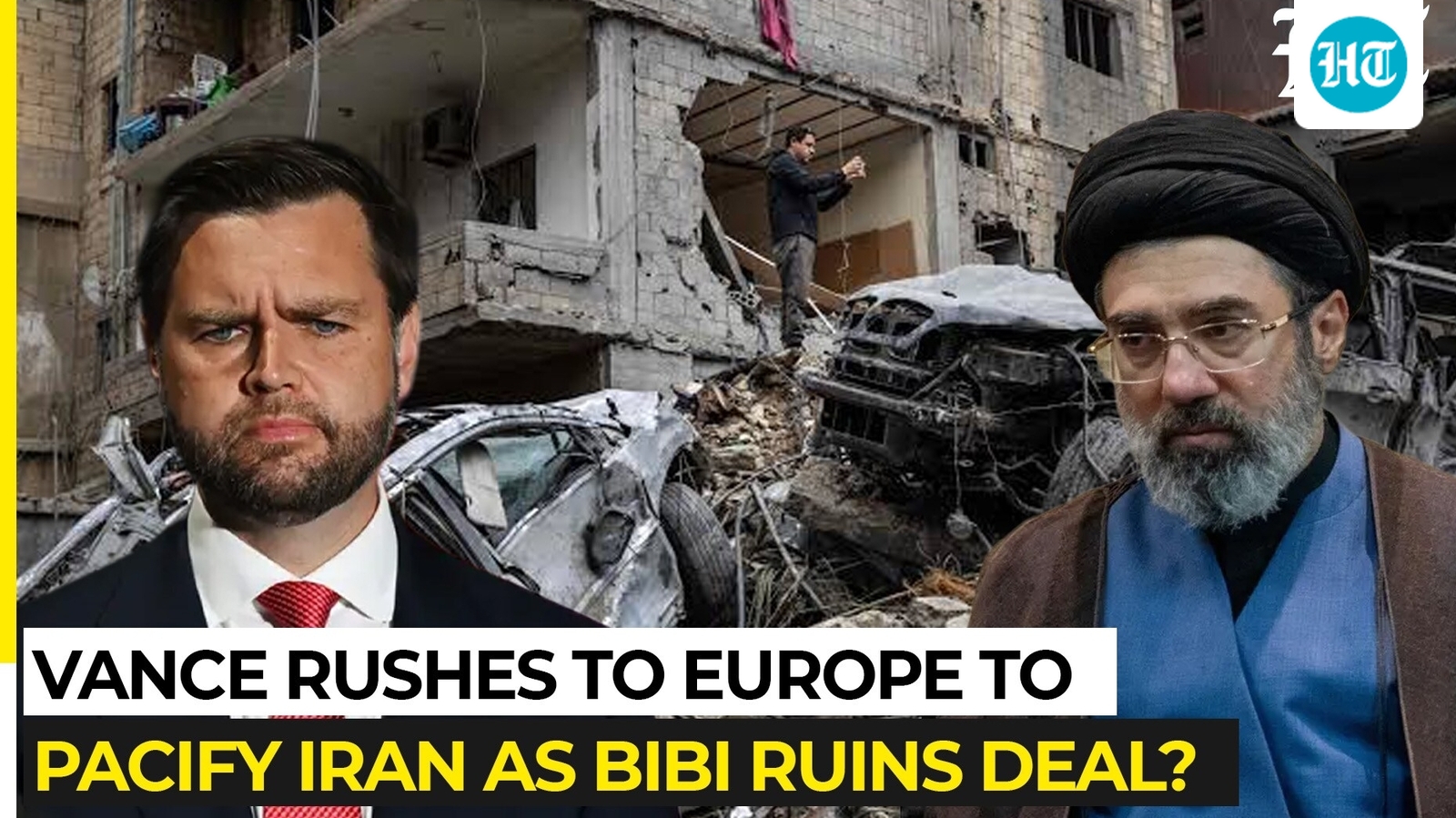
Vance rushes to Switzerland to pacify angry Iran as Netanyahu's strikes on Lebanon ruin peace deal?
As U.S.-Iran negotiations move forward, questions are growing over who stands to gain the most from sanctions relief and economic recovery. Senior Iranian sources told Reuters that the Islamic Revolutionary Guard Corps could emerge as one of the biggest beneficiaries of a broader agreement. A future deal could unlock oil revenues, foreign investment and even a massive reconstruction fund estimated at $300 billion. Analysts note that the IRGC already maintains deep ties to sectors ranging from energy and shipping to telecommunications and construction. Critics warn that renewed business activity could further expand the Guards’ economic and political influence.
TL;DRAI
Iran-U.S. sanctions relief could unlock $300B in revenues with IRGC as primary beneficiary across energy, shipping, and telecom. Growing control of critical infrastructure creates governance and compliance risks for Western operators in the region.
98 words~1 min read