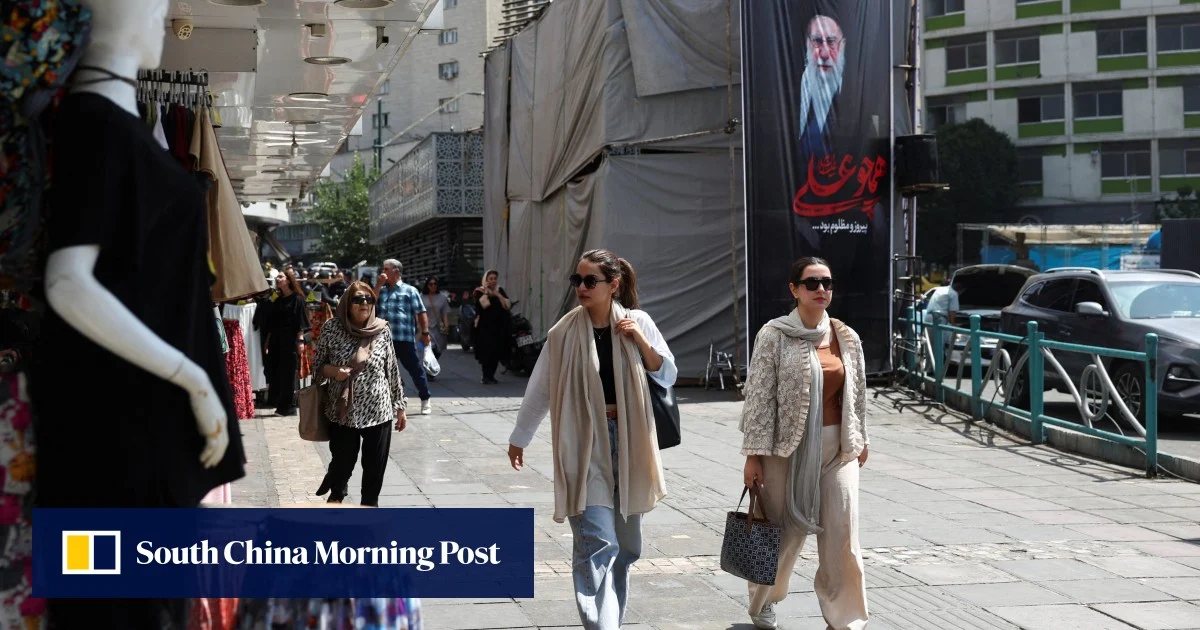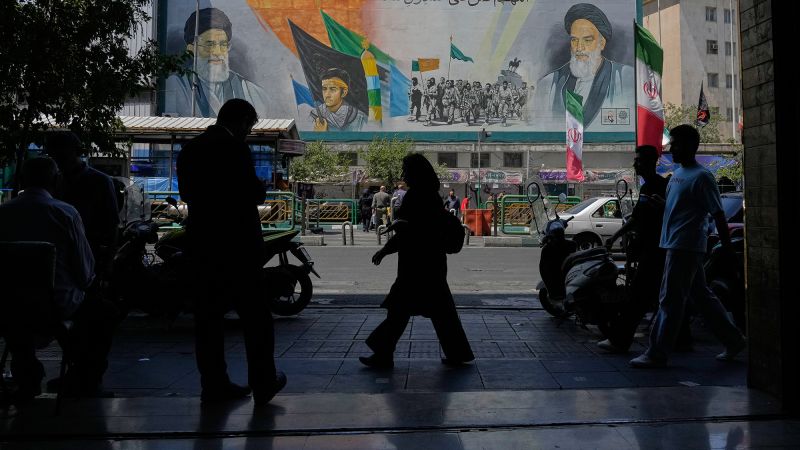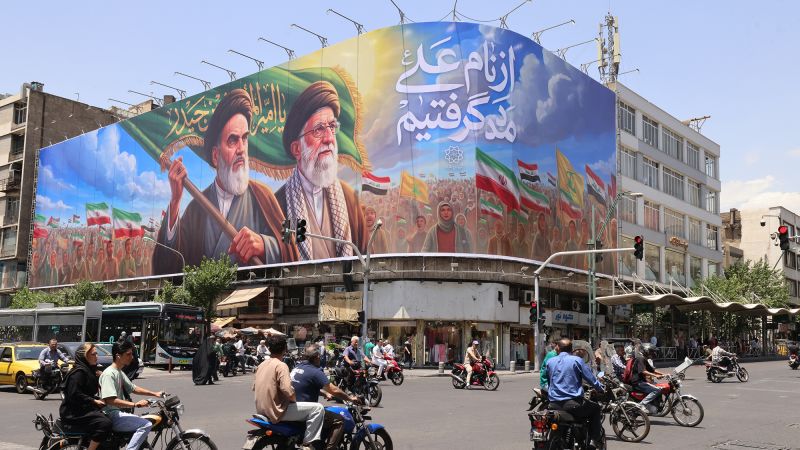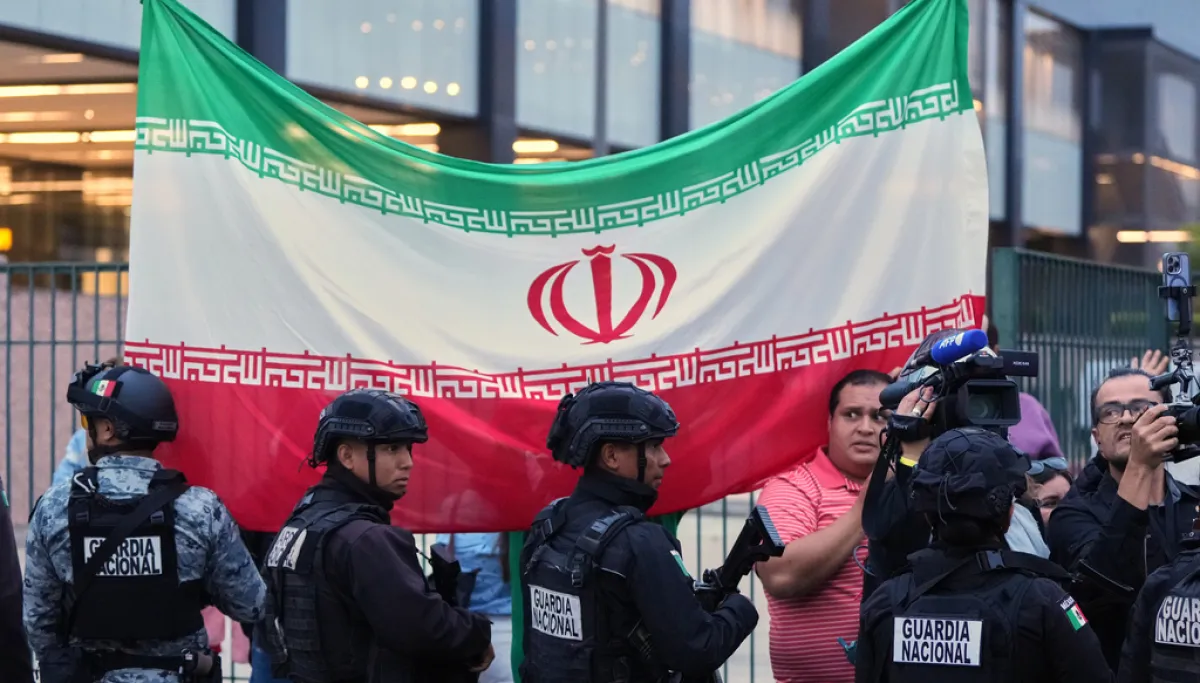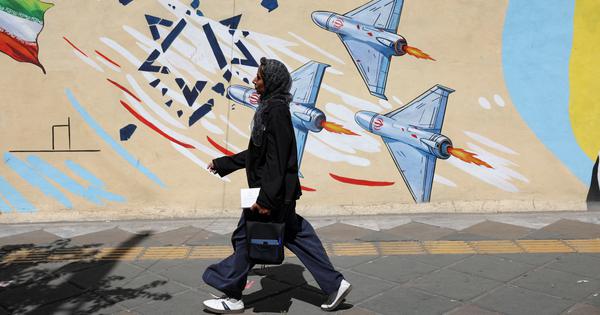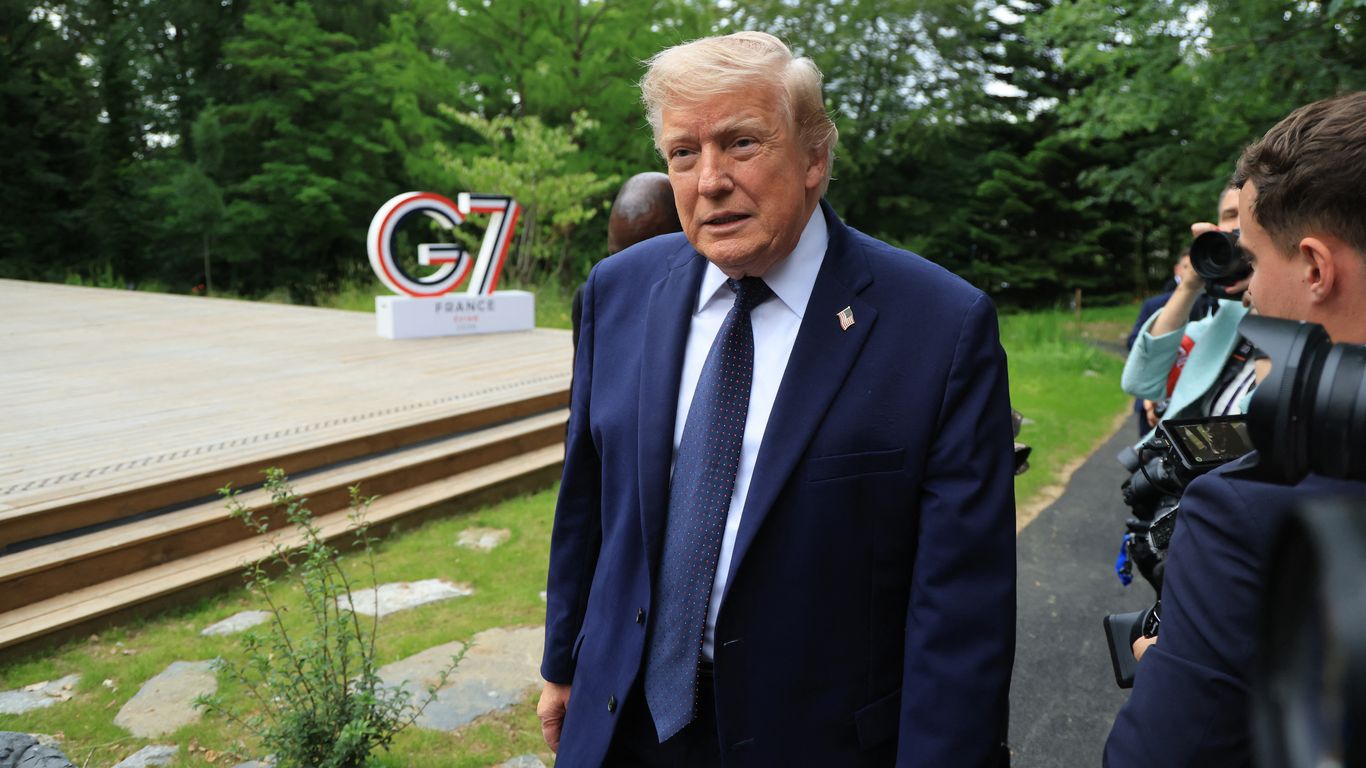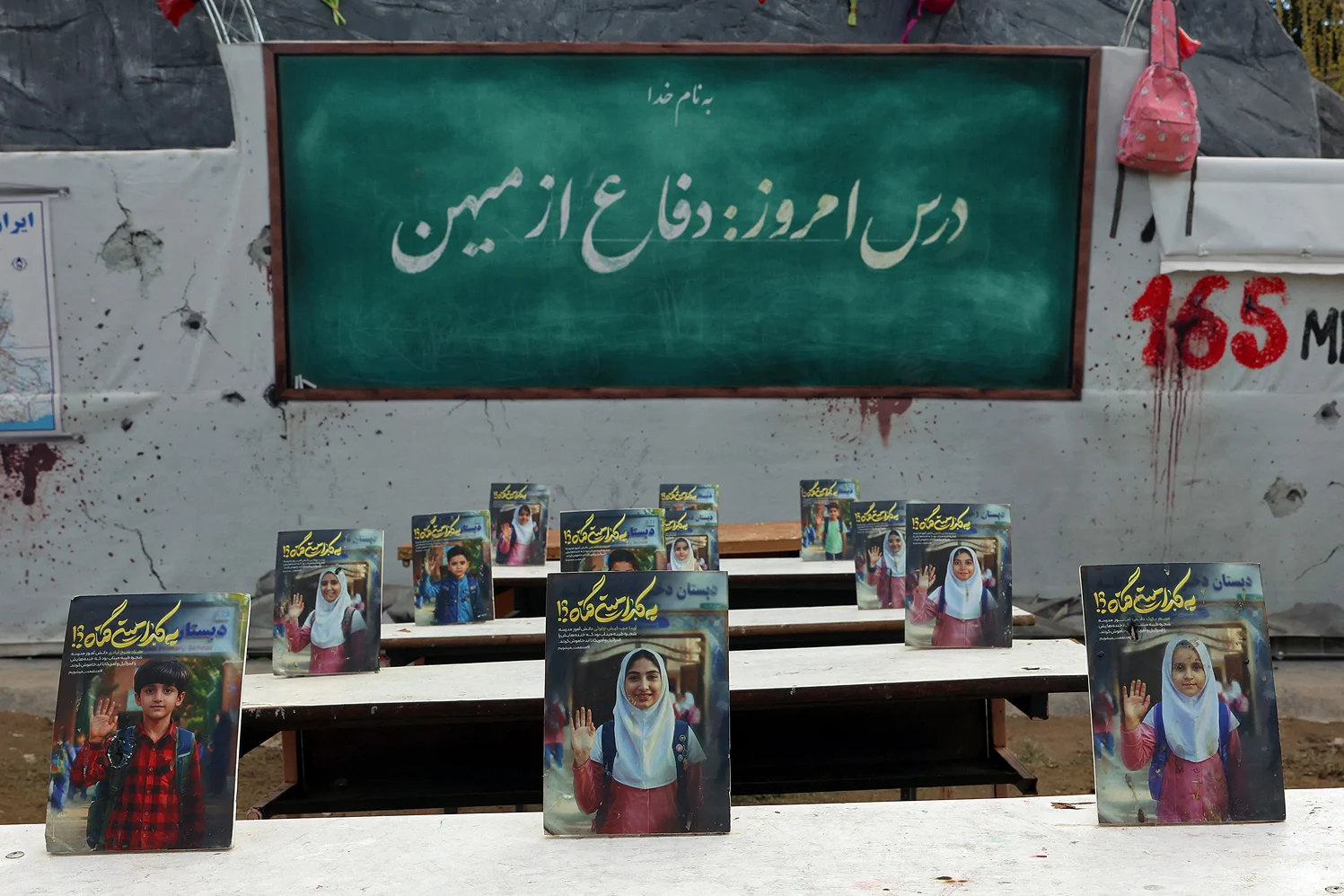
The memorandum of understanding between Washington and Tehran may allow both governments to claim victory after a relatively short but destructive war. Oil markets will eventually calm, and shipping routes will reopen. But the biggest losers of this war—the people of Iran—will be forgotten.
U.S. President Donald Trump and Israeli Prime Minister Benjamin Netanyahu both promised support for Iranians after thousands of unarmed protesters were massacred by the Islamic Republic in January.
But the war that followed undermined Iran’s ability to function even further, with the United States and Israel destroying critical infrastructure necessary for sustaining the lives of tens of millions of Iranians.
The war has exacerbated all the national crises that Iranians faced before the war, from water and food shortages to electricity blackouts. It has also led to greater medicine shortages, fuel disruptions, international isolation, psychological trauma, and more frequent repression than ever before.
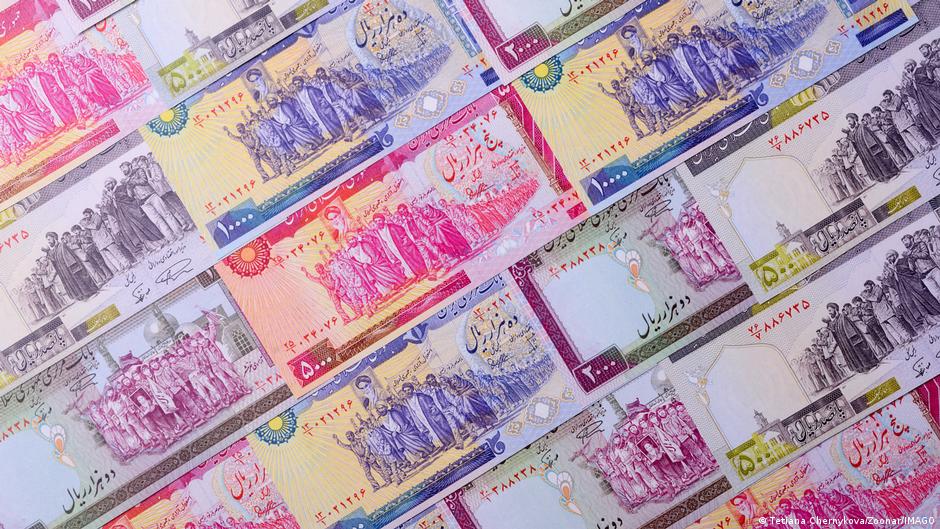
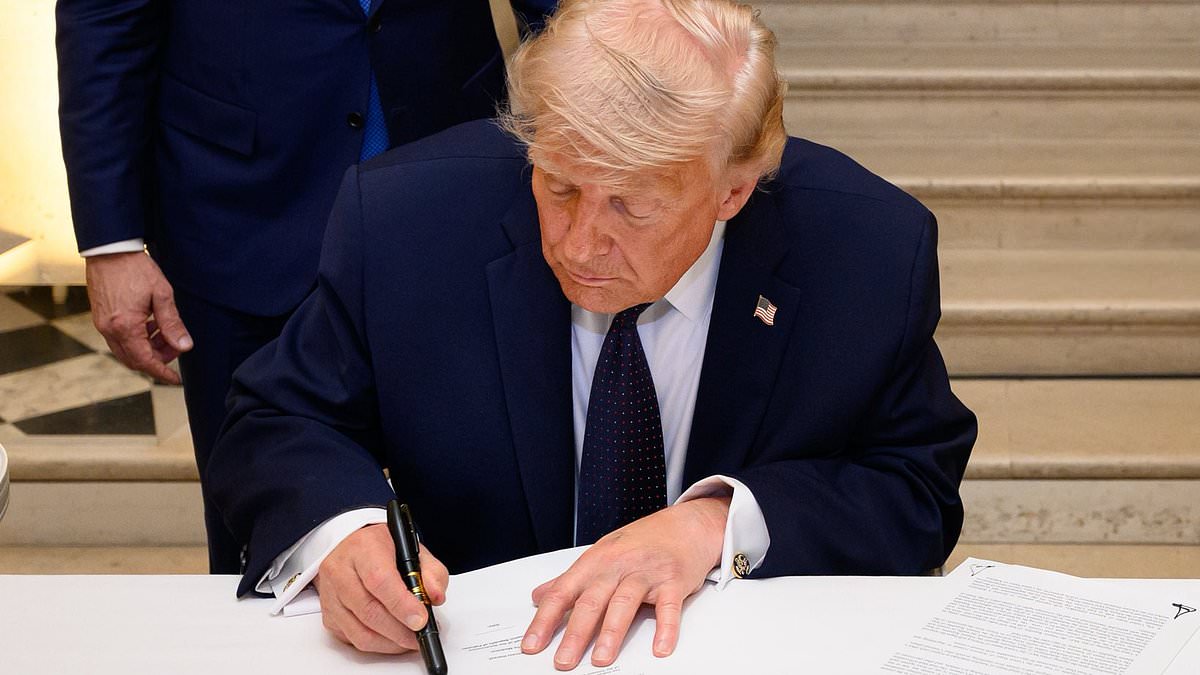
And now that the guns have quieted, the Trump administration appears to have adopted policies that will empower the Iranian government and help it continue its brutal repression of the Iranian people. U.S. Vice President J.D. Vance has even spoken of the potential for a $300 billion fund that the notoriously corrupt regime, now even more dominated by the Islamic Revolutionary Guard Corps (IRGC), can use to “rebuild” the country after the war.