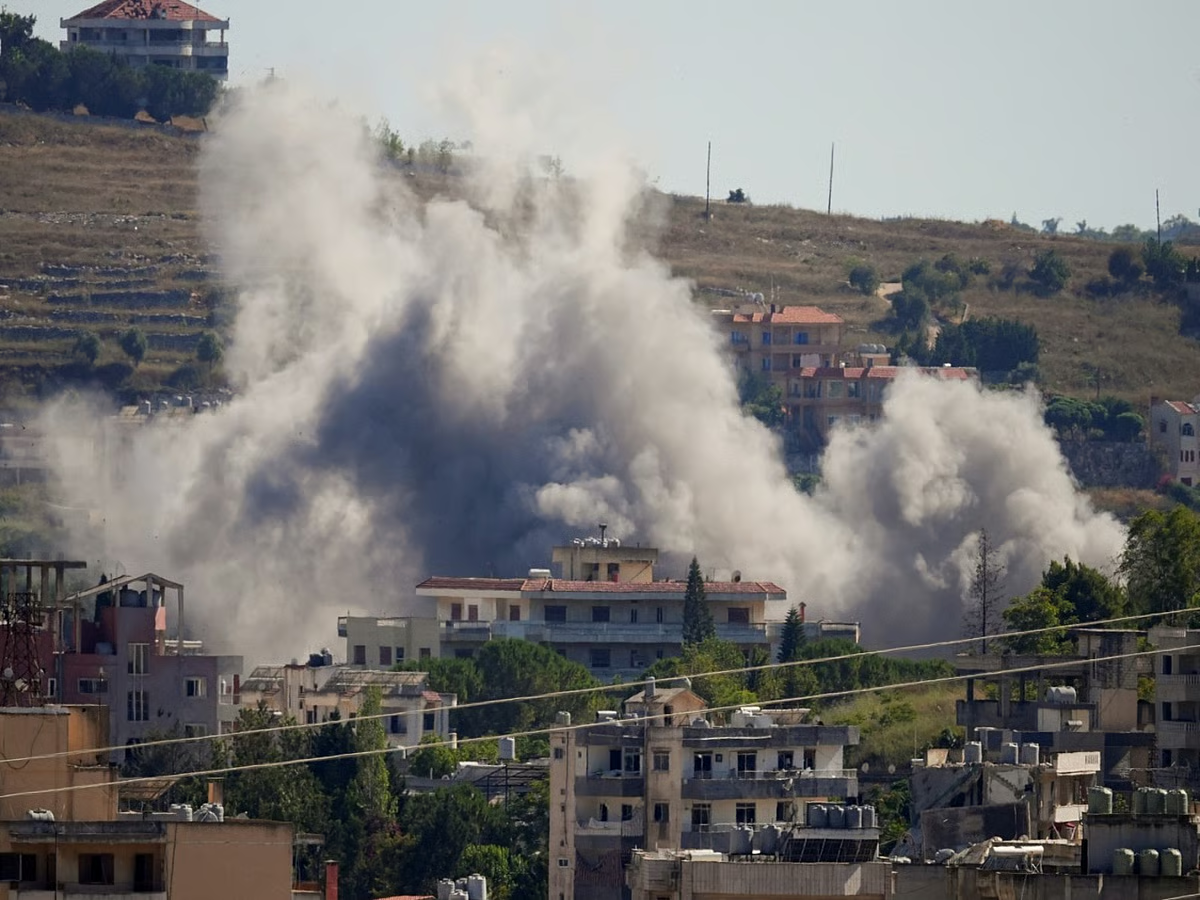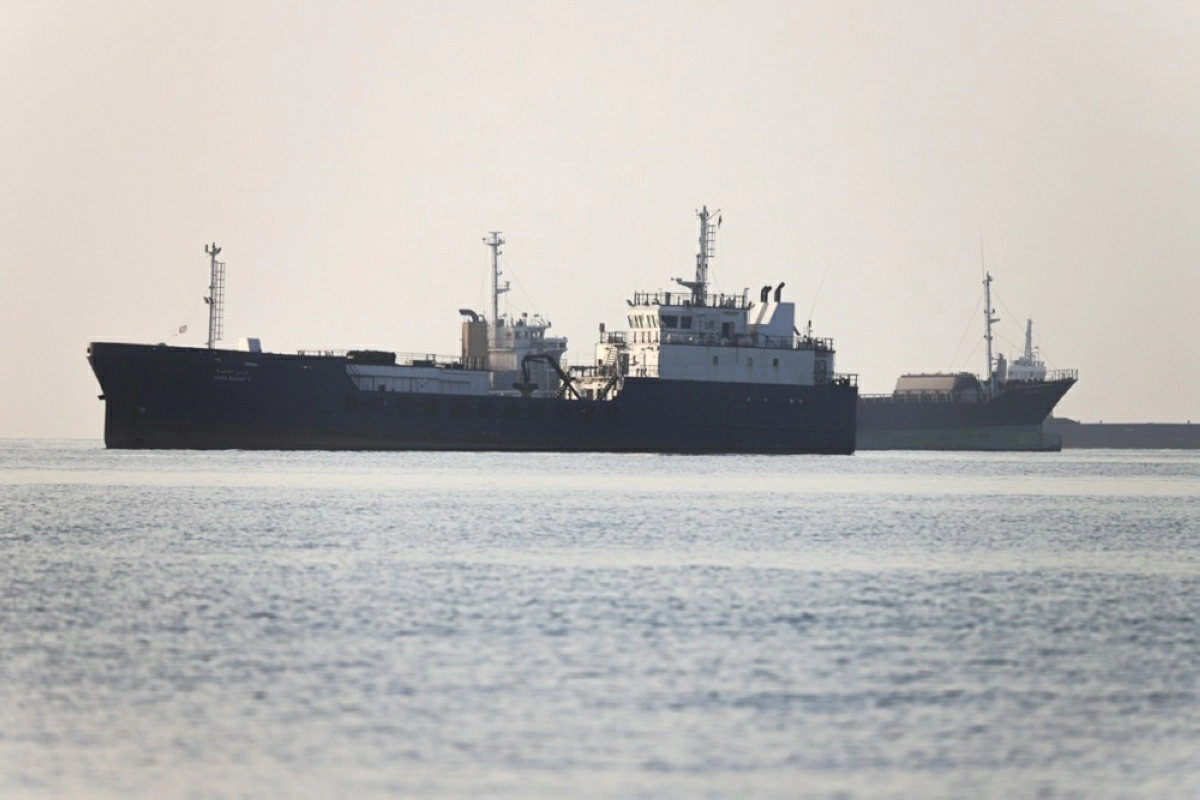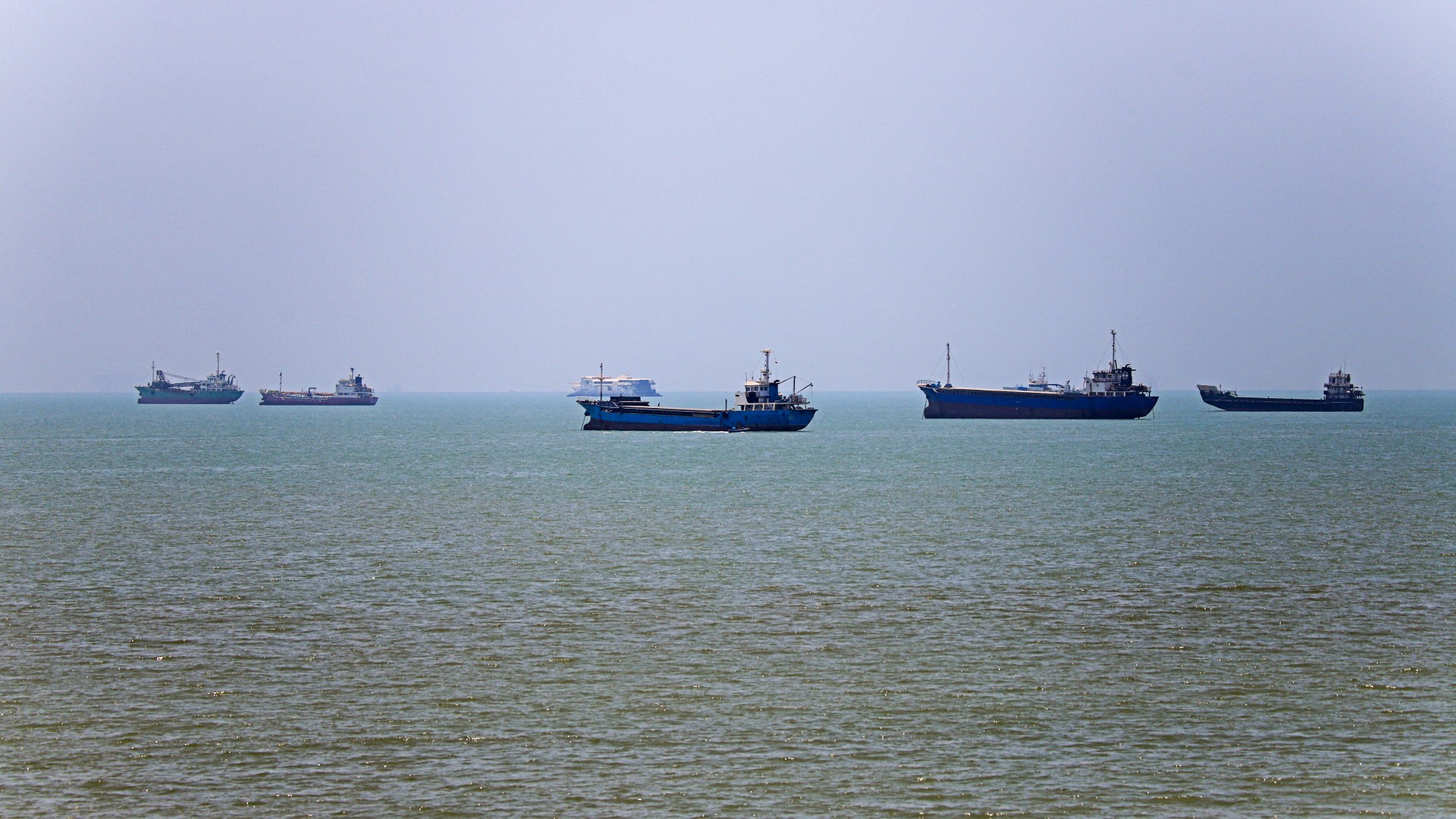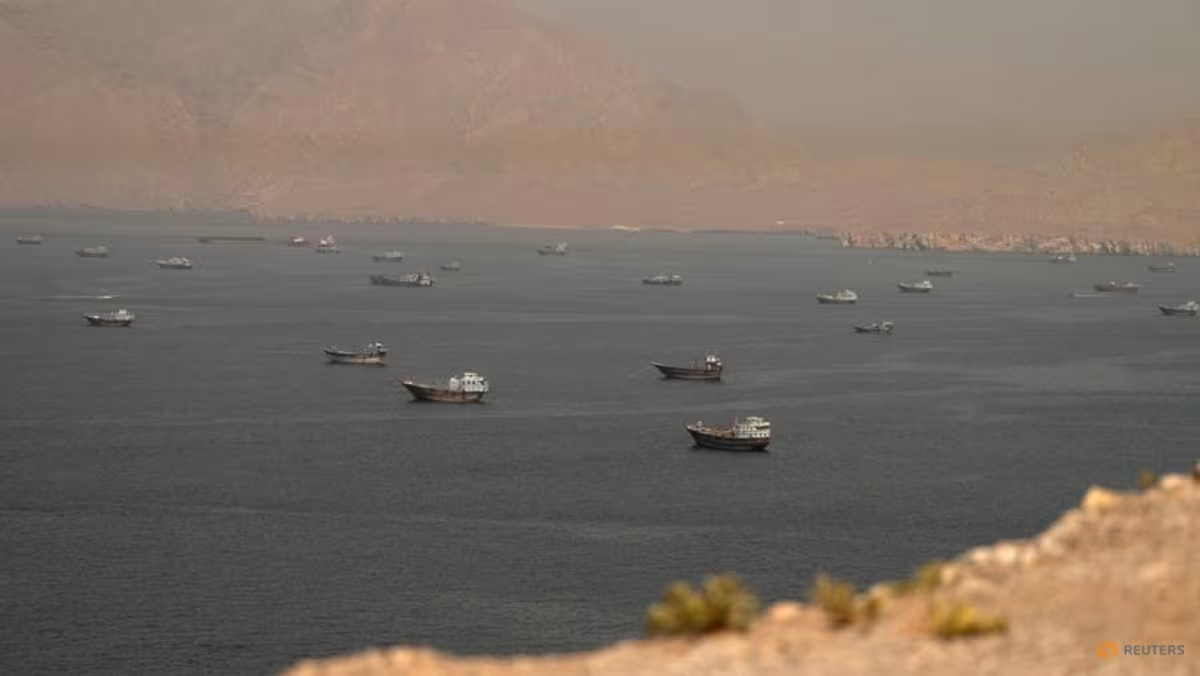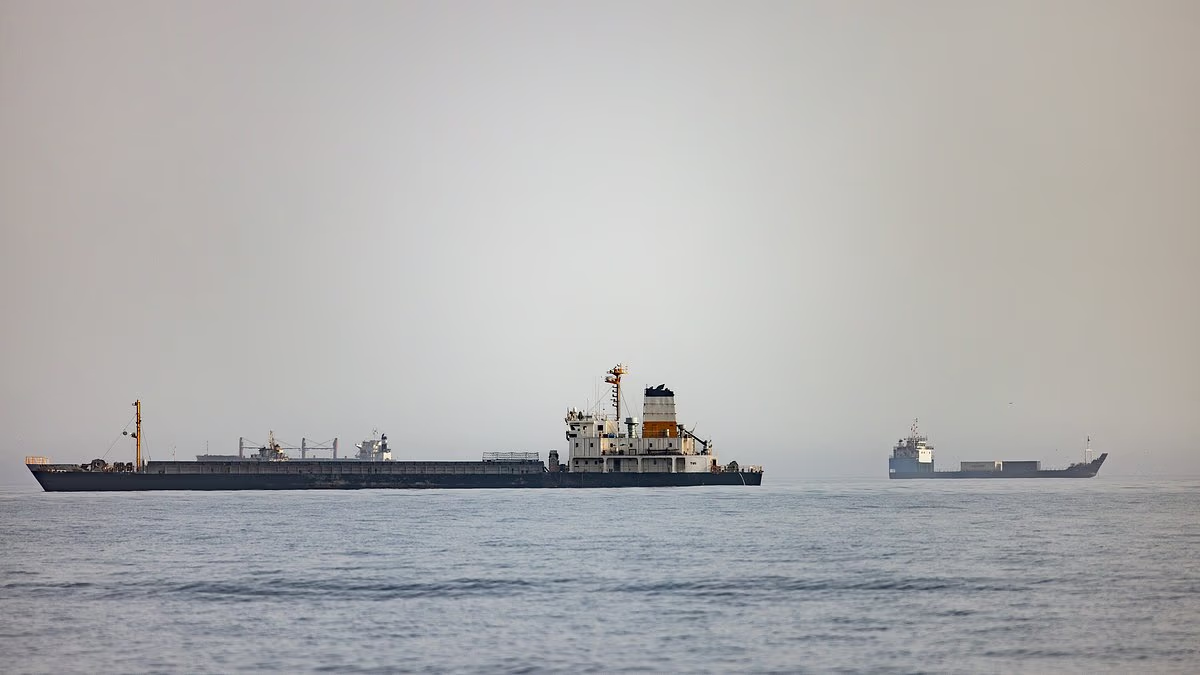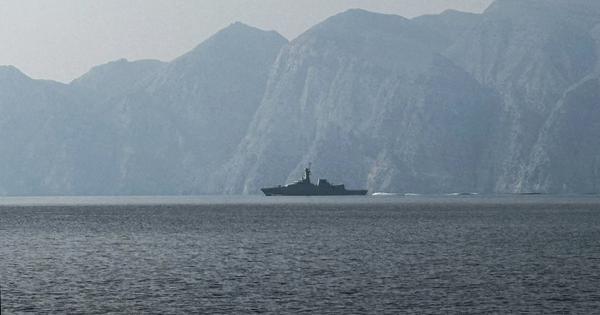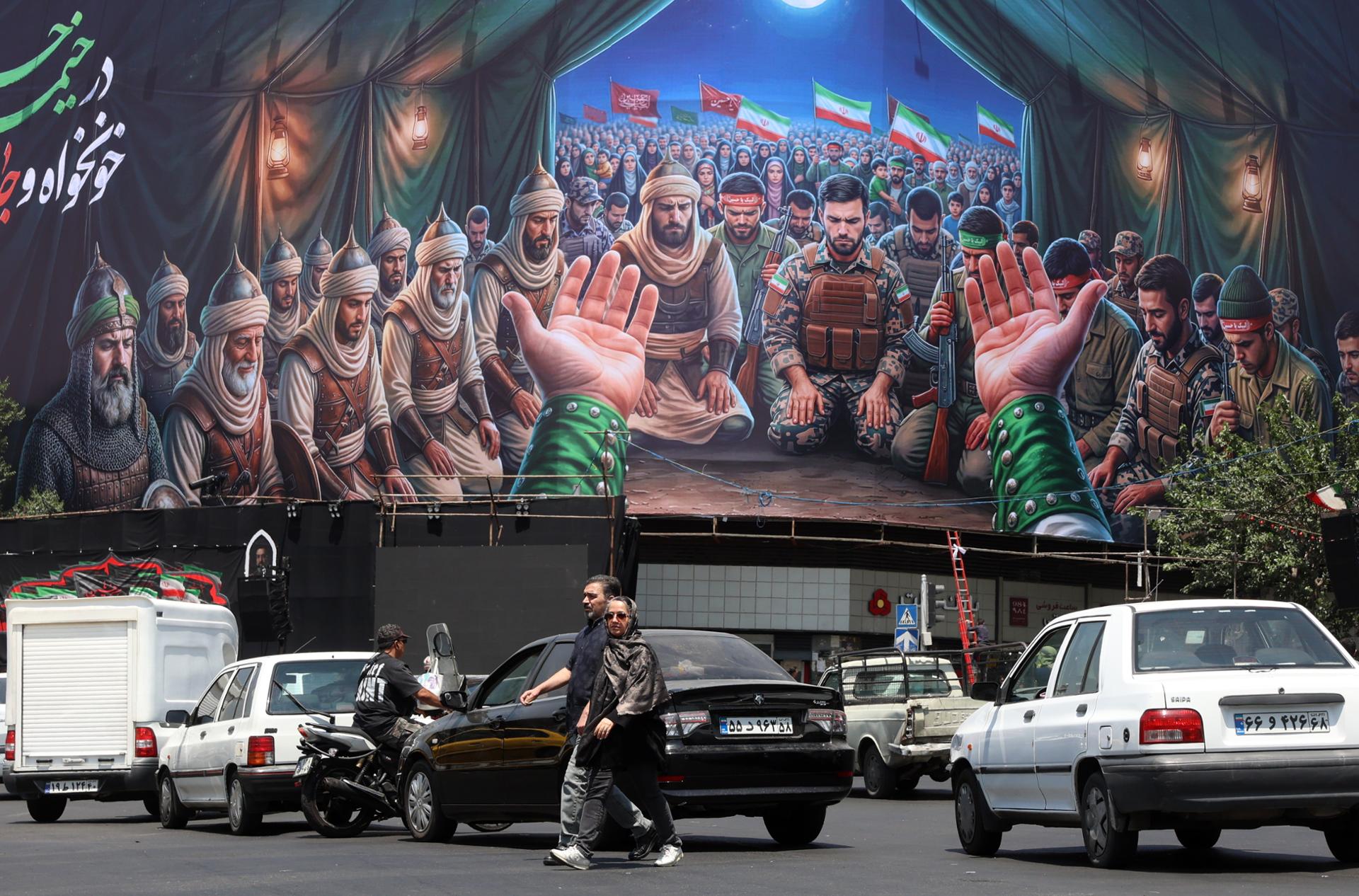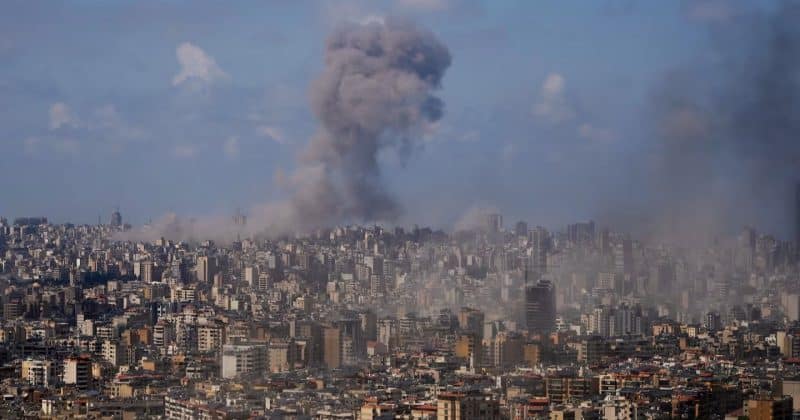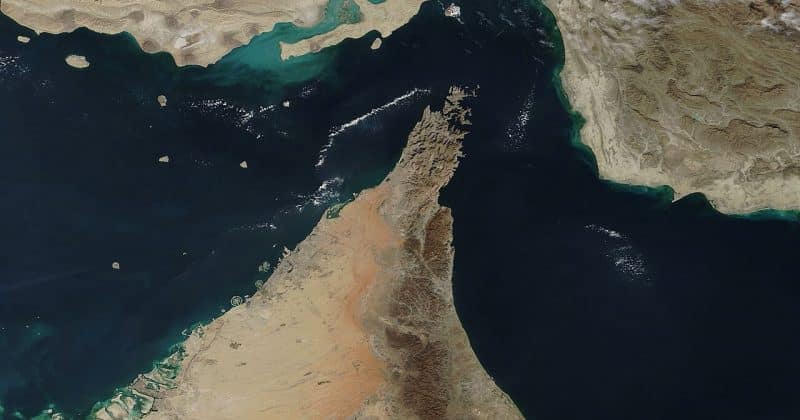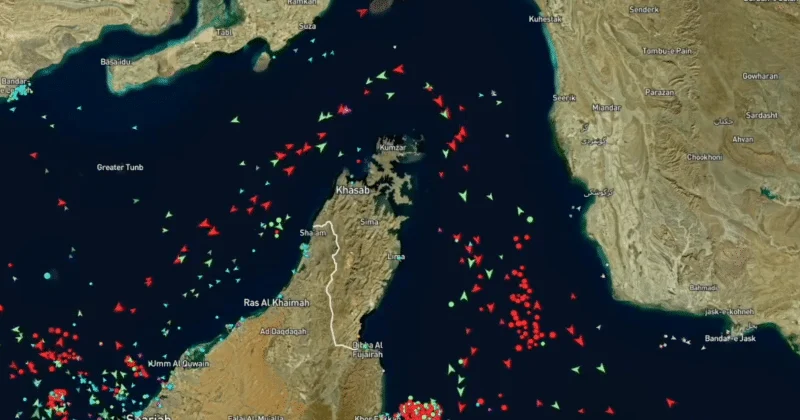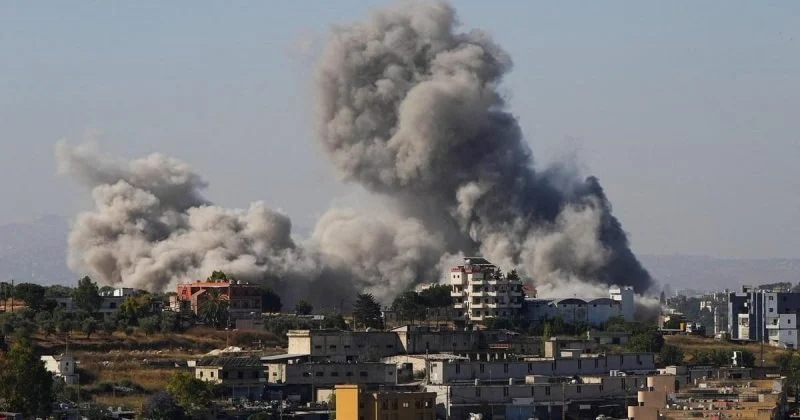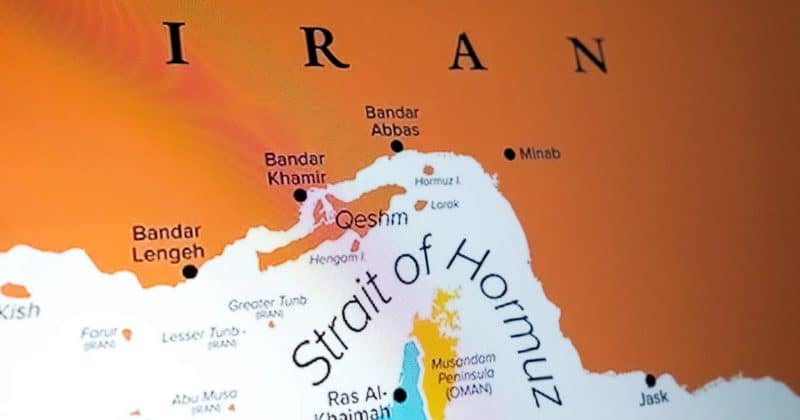
Iran announced the closure of the Strait of Hormuz on June 20, 2026, cutting off the world’s most critical oil chokepoint in direct retaliation for Israeli military strikes in southern Lebanon. The attacks killed at least 32 people, and Tehran wasted no time framing the closure as a defensive response to what it called violations of a US-Iran memorandum of understanding and ceasefire commitments.
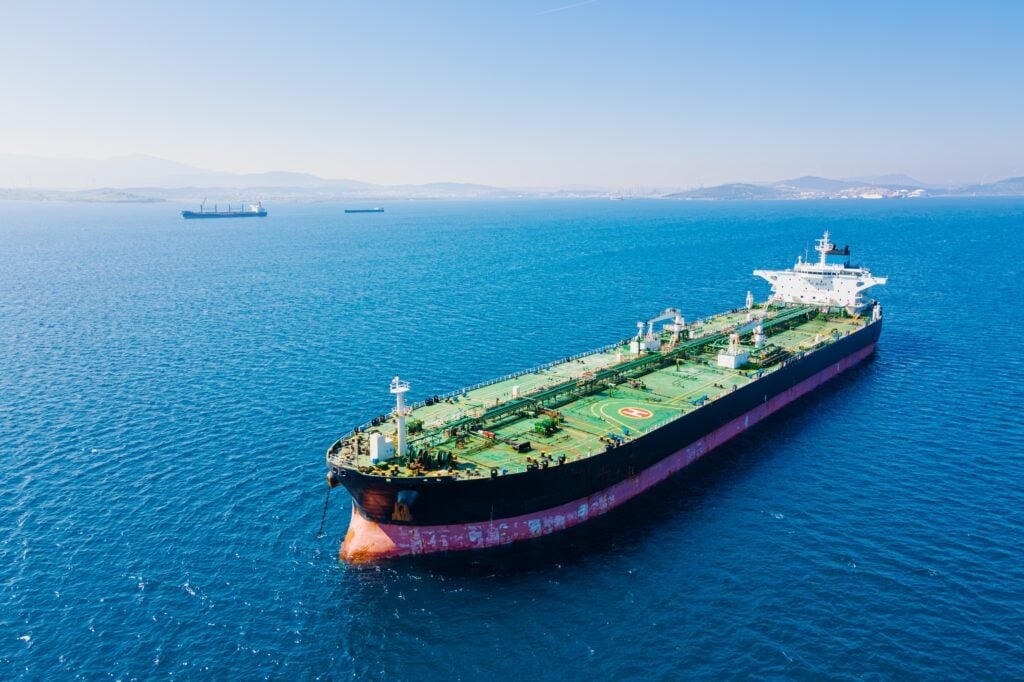
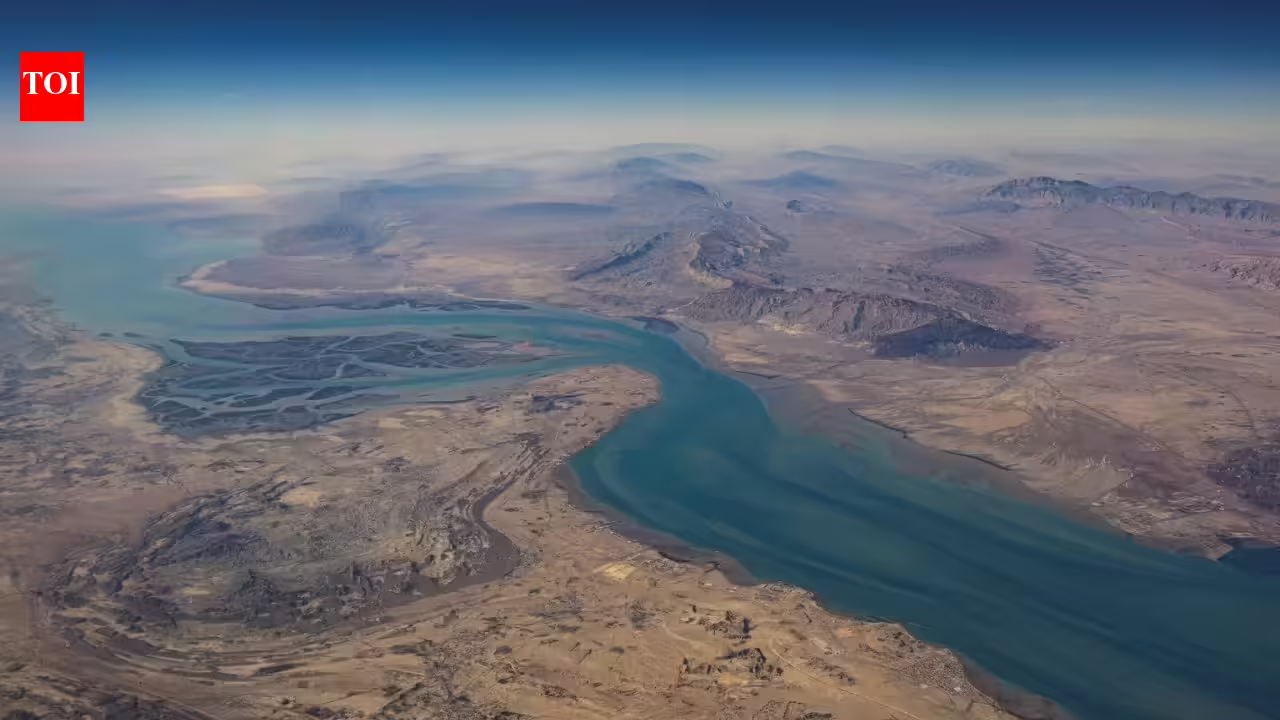
Oil prices spiked nearly 2% on the news. Roughly one-fifth of global oil and liquefied natural gas shipments pass through that narrow waterway between Iran and the Arabian Peninsula.
What happened and why it matters now
Iran’s military command, Khatam al-Anbiya Central Headquarters, issued the closure order. This is not the first time Iran has flexed control over the strait during the current conflict cycle, which traces back to late February 2026. But this move represents an escalation from previous episodes where Iran permitted limited vessel traffic under military monitoring.
US-Iran peace talks scheduled to take place in Switzerland were postponed as a direct result. US envoy Steve Witkoff, a key diplomatic figure in the negotiations, saw his carefully arranged technical discussions shelved indefinitely.