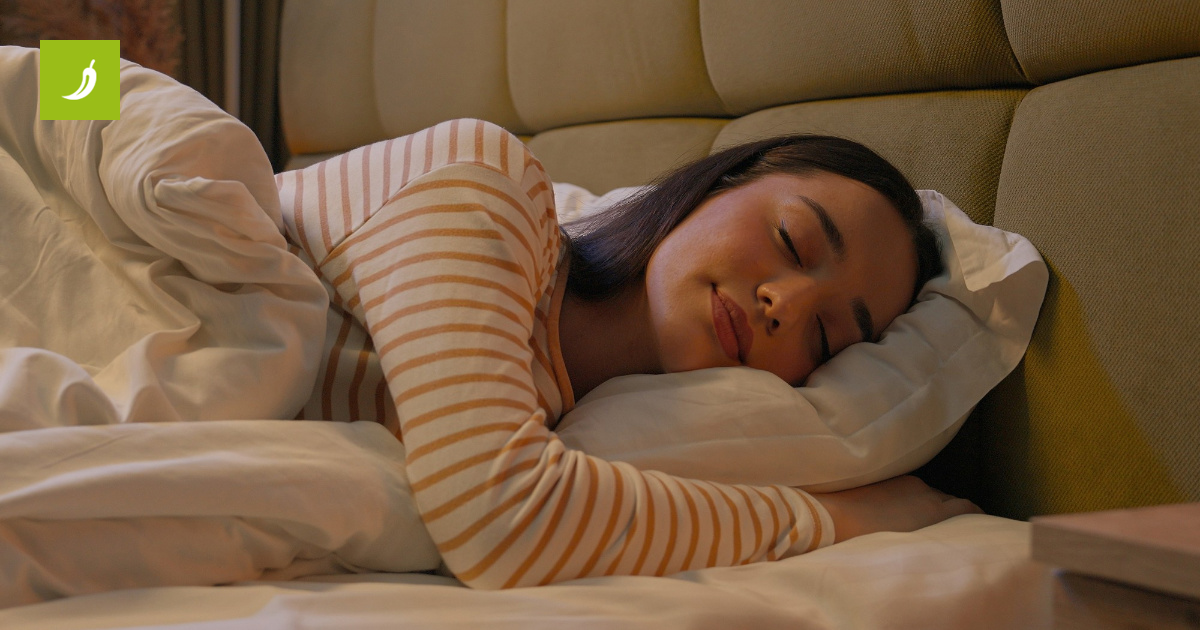
Almost everyone knows someone who does this. The room is warm. The fan is running at full speed. The air conditioner is already on. Yet they still cannot sleep without a blanket. Sometimes they cover their entire body. Sometimes they keep only one foot under it. But completely removing the blanket feels impossible. At first glance, this may seem irrational. Why would someone need extra covering when they are already hot? Psychology suggests this habit is rarely about temperature alone. For many adults, blankets become emotional comfort objects that help the brain transition into a state of safety and relaxation. The body may be warm, but the brain is often searching for security. In many ways, blankets become one of the earliest tools humans associate with rest.Why The Brain Associates Blankets With SafetyOne explanation comes from Classical Conditioning, a concept introduced by psychologist Ivan Pavlov. Over many years, the brain creates strong associations between certain objects and specific experiences. Think about childhood. Most people slept under blankets every single night for years. Eventually, the brain learns a simple equation:Blanket = Sleep.This association becomes deeply embedded. The moment a person pulls a blanket over themselves, the brain recognizes a familiar sleep signal. Even if temperatures are high, the routine itself feels important.Why Deep Pressure Feels So ComfortingPsychologists also discuss something called Deep Pressure Stimulation. Research has shown that gentle, evenly distributed pressure can promote relaxation and lower physiological arousal. This is one reason weighted blankets have become increasingly popular.You Might Also Like:Blankets can create a mild version of this effect. The sensation gives the nervous system a sense of containment. For many people, this feeling can reduce restlessness before sleep. The experience is similar to why babies are often soothed through swaddling. Humans do not entirely outgrow the need for physical comfort signals.Why Bedtime Rituals Matter More Than People RealizeAnother explanation comes from Behavioral Conditioning. The brain loves routines because routines reduce uncertainty. Psychologists have repeatedly found that consistent pre-sleep rituals help the body prepare for rest.For example:Brushing teethTurning off lightsCharging the phonePulling the blanket over the bodyThese repetitive actions become sleep cues. The blanket is no longer fabric. It becomes part of a nightly sequence that tells the brain:You Might Also Like:"The day is over. It is time to rest."Why Anxiety Makes People Need Blankets MorePsychologists also connect this behavior to Emotional Regulation Theory. People experiencing higher stress levels often seek sensory comfort. Blankets provide predictability. The sensation remains consistent every night regardless of what happened during the day. For example, someone dealing with work deadlines, financial stress, or social exhaustion may unconsciously rely on comforting routines before bed.The blanket becomes a simple form of emotional grounding. This does not mean the person has an anxiety disorder. It simply means the brain is seeking calm.Why Modern Life Has Increased The Need For Comfort RitualsToday's world rarely slows down. Notifications continue late into the evening. Social media operates 24 hours a day. Work emails often extend beyond office hours. Psychologists call this hyperarousal, a state where the brain struggles to fully switch off. Many adults are physically tired but mentally alert. Modern examples are everywhere. Someone may spend an hour scrolling through short videos before bed and then immediately pull a blanket over themselves to relax. The brain uses familiar sensory cues to transition out of stimulation mode. Blankets become one of those cues.Why Some Adults Feel Exposed Without OnePsychologists also discuss Attachment Theory, originally developed by John Bowlby. Attachment is not only about relationships with people. Humans also develop attachments to routines, environments, and objects. For some adults, sleeping without a blanket creates a subtle sense of vulnerability.They may describe it as feeling "exposed" or "uncomfortable." This feeling is rarely logical. It is emotional. The blanket creates a psychological boundary between the outside world and personal space. It becomes a temporary cocoon.Why This Habit Is More Common Than People ThinkThe popularity of comfort-focused trends shows how universal this behavior has become. Social media platforms are filled with "cozy bedtime routines."People intentionally invest in:Soft blanketsWeighted blanketsPlush beddingSleep-friendly environmentsThis reflects a larger cultural shift. People are actively seeking small moments of comfort in increasingly demanding lives.The Bigger Psychological TruthPsychology suggests adults who cannot sleep without a blanket, even when it is hot, are rarely being irrational. More often, they are responding to years of learned associations. The blanket represents familiarity. It represents consistency. It represents safety. The most important insight is that people are not always using a blanket to stay warm. They are often using it to tell the brain that they are safe enough to let go of the day. Perhaps that is why this habit feels so powerful.The body may understand temperature. But the brain understands rituals. And sometimes, a simple piece of fabric becomes one of the strongest sleep signals humans carry throughout their lives.FAQsWhy do some people need a blanket even when it is hot?Psychology suggests the brain often associates blankets with safety, comfort, and established sleep routines.Is sleeping with a blanket a sign of anxiety?Not necessarily. However, stressed individuals may rely more heavily on comforting sensory rituals.
Psychology says people who can't sleep without a blanket even when it's hot are not strange: Why the brain associates it with safety, comfort and emotional regulation
Psychology suggests that adults who cannot sleep without a blanket, even in warm weather, are rarely being irrational. More often, they are responding to years of learned associations that connect blankets with comfort and security. For many people, a blanket is more than a physical object. It symbolizes familiarity, consistency, and a sense of safety that helps the brain relax before sleep.
851 words~4 min read