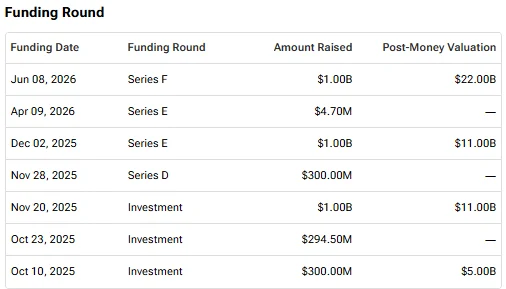
The IPO discussions also show how Kalshi wants to grow by attracting more institutional users. The company reportedly wants banks that hope to advise on a future listing to integrate with its platform, which would allow those banks’ institutional clients to trade Kalshi contracts. This would be similar to Coinbase’s (COIN) early growth path, where institutional adoption became an important part of the business. However, Kalshi is already attracting Wall Street trading firms and hedge funds with event contracts tied to outcomes such as Federal Reserve rate decisions and geopolitical deals.
Still, Kalshi faces both competition and regulatory risk as it grows. The company recorded $10 billion in trading volume during the first two weeks of June, compared with $435 million in the same period last year, while rival Polymarket recorded $5.5 billion. However, sports contracts make up about 70% of Kalshi’s volume, and several states have sued the company by arguing that it is operating an unregistered sports gambling platform. Kalshi says those claims are meritless and that it is regulated by the CFTC. Meanwhile, the company has also launched crypto perpetual futures, but that business is now facing pushback after CME Group (CME) sued the CFTC over the approval process.