Serving tech enthusiasts for over 25 years.
TechSpot means tech analysis and advice you can trust.
In brief: Prediction markets such as Polymarket and Kalshi are primarily known as places where ordinary people bet on sports, elections, and other real-world events. However, as Kalshi markets itself to small businesses and big Wall Street players as a financial hedge vehicle, many suspect it's just trying to control its reputation to sidestep sports gambling laws.
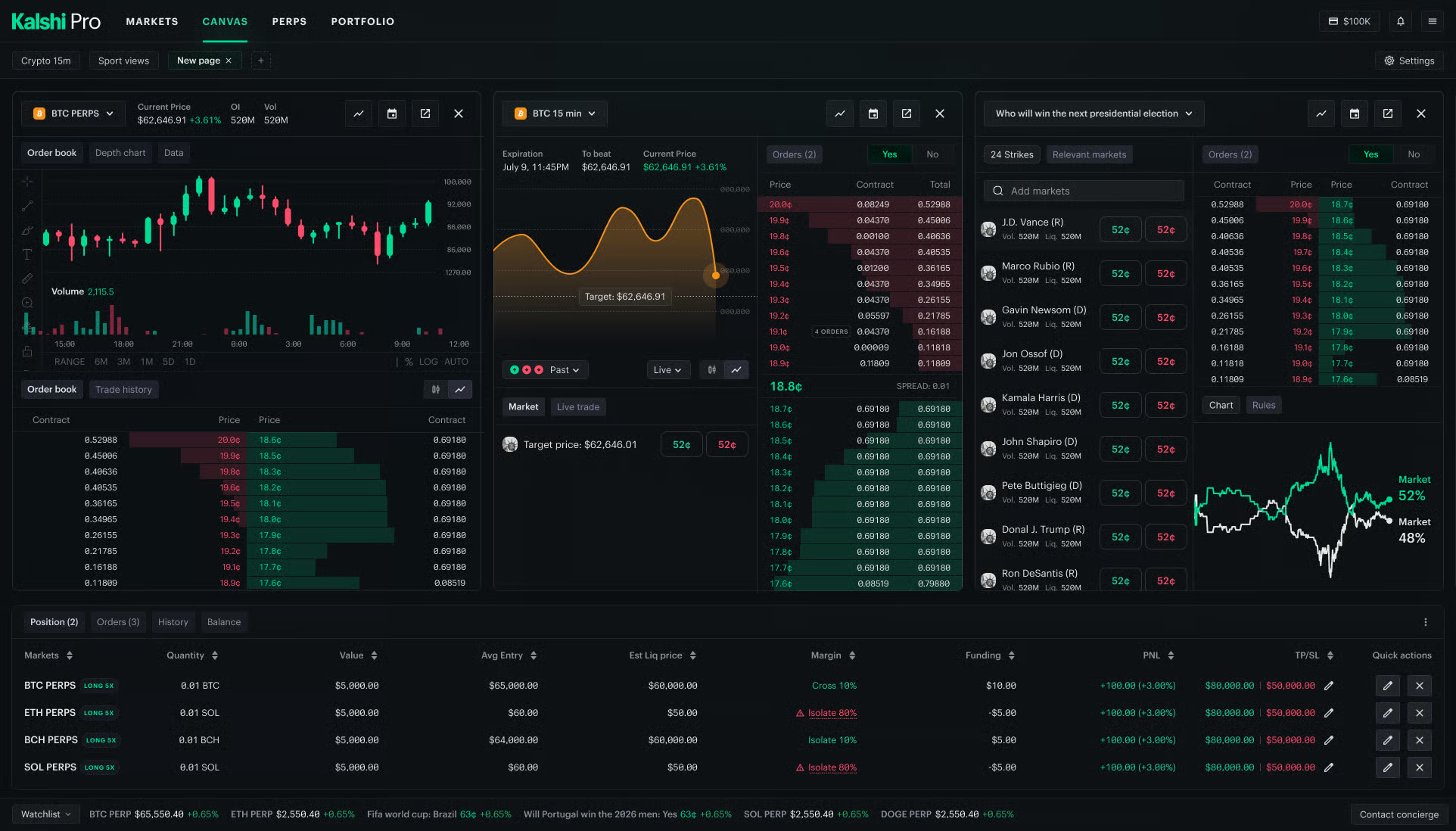
The New York Times reports that Kalshi has spent the past several months preparing to transform itself into a platform for hedge trading by hiring trading specialists and collaborating with financial companies. Small businesses have already proven that, in at least some instances, betting on prediction markets can act as insurance for significant financial decisions, and the company aims to turn this strategy into a workable business model.
Kalshi and its main rival, Polymarket, allow users to bet on whether events on just about any topic will happen by purchasing "yes" or "no" prediction contracts. Kalshi sells them for between $0 and $1, with prices shifting by cents as probabilities fluctuate, and pays out $1 for every correct contract.