(Image credit: Tom's Hardware)
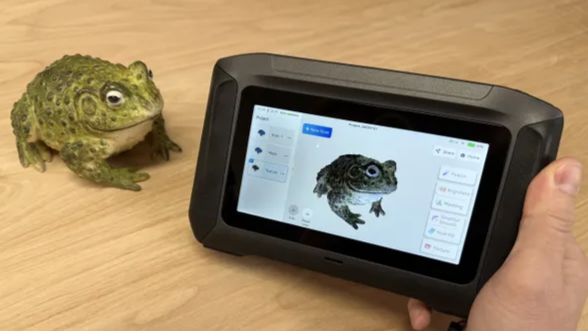
While 3D printing has been rapidly advancing and the list of the best 3D printers changes on an almost weekly basis, 3D scanning technology has been making slower but steady progress toward becoming a consumer-friendly technology. With many 3D scanners dropping in price to around the cost of an entry-level 3D printer or laser engraver, it’s a great time to get started and learn about the technology. While some of these scanners launched several years ago, they remain competitive due to continued software updates and strong performance when capturing geometry.To explain it simply: most 3D scanners work by capturing a point cloud and stitching it together to make a 3D model. This can easily add up to hundreds of thousands or millions of points, so there is a lot of data to process, align, and stitch together to create a 3D model. Some 3D scanners include an onboard computer to simplify the workflow, typically at the expense of a slightly longer processing time than a fast computer. If you’re proficient in mesh editing and 3D modeling, a 3D scanner that uses a computer for mesh clean-up offers more flexibility but may require more hands-on effort.There’s a 3D scanner for almost every application, from CT scanners that can accurately capture the inside of a model to cell phone apps that can make a 3D model from pictures in minutes. Before buying a 3D scanner, it’s worth doing some research to understand what aspects are most important for your project. Consider what you want to accomplish, and read through some of these tips to get you started on your journey into the world of 3D scanning.The Best Consumer 3D Scanners You Can Buy Today