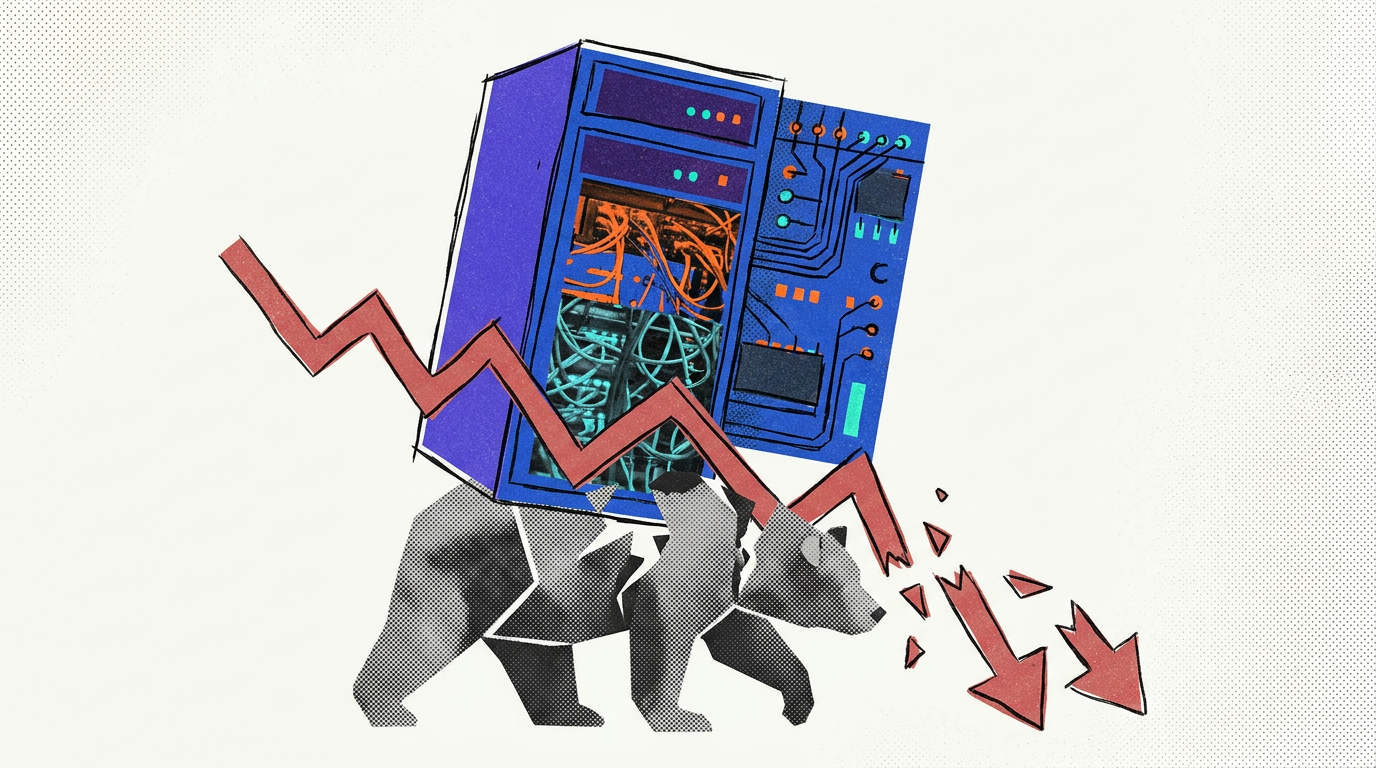
Aswath Damodaran, a finance professor at New York University, warns that a potential crash in the AI sector could be more painful than the bursting of the dot-com bubble around 2000.
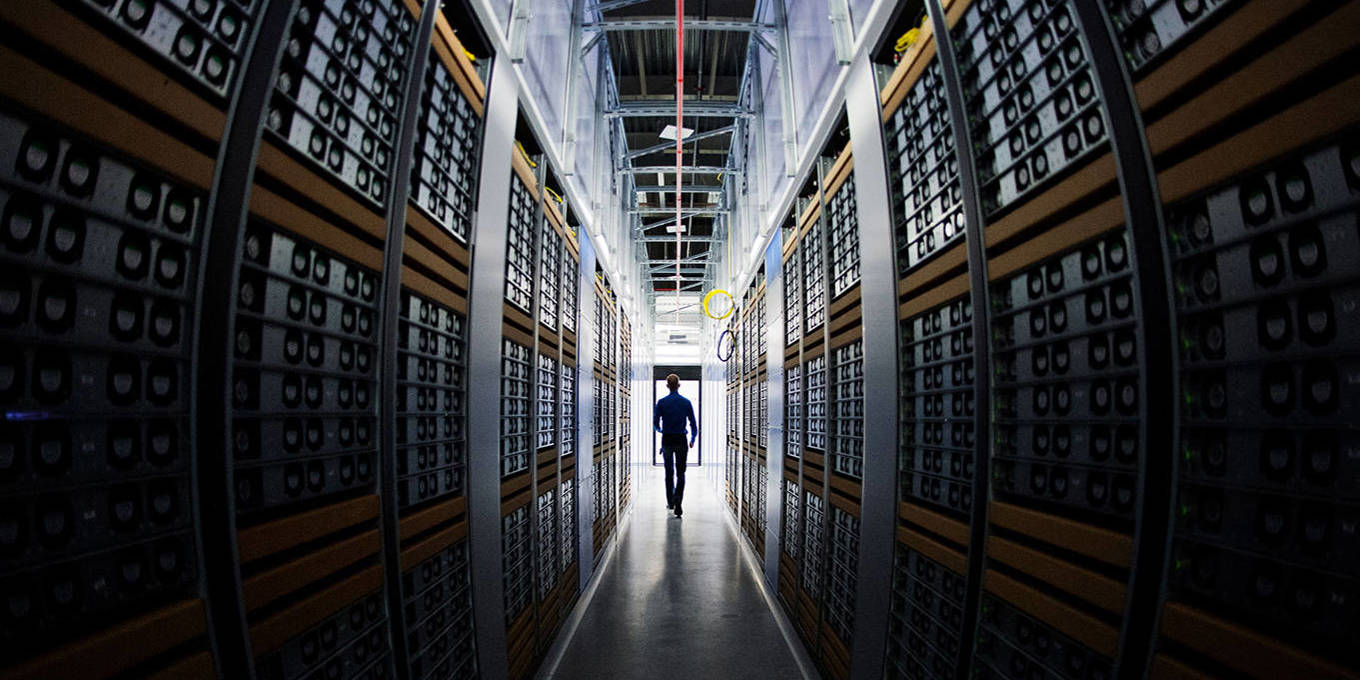
In the podcast "Intangible Economy," he explains that unlike the dot-com era, the AI industry needs massive investments in physical infrastructure and much of it is financed with debt. If a correction hits, the damage wouldn't just fall on shareholders but could ripple out across society.
Damodaran also questions whether the AI business model can scale the way people expect. In his view, AI isn't a traditional software business. Costs don't automatically drop toward zero as more users come on board. Every additional use burns compute, similar to how Spotify pays for each stream.
That makes economies of scale far weaker than in Netflix's case, which Damodaran contrasts with Spotify: Netflix's high content costs get spread across a growing subscriber base, while Spotify pays per stream. Growth paired with thin margins could actually destroy value. Moreover, there's the risk of price erosion from Chinese competitors like Deepseek. Margins are already low.
Damodaran also warns about the bull case, because the business model would then be about replacing entire jobs, not selling AI as a tool. If AI actually delivers on this promise, "half of white-collar workers" would lose their jobs.