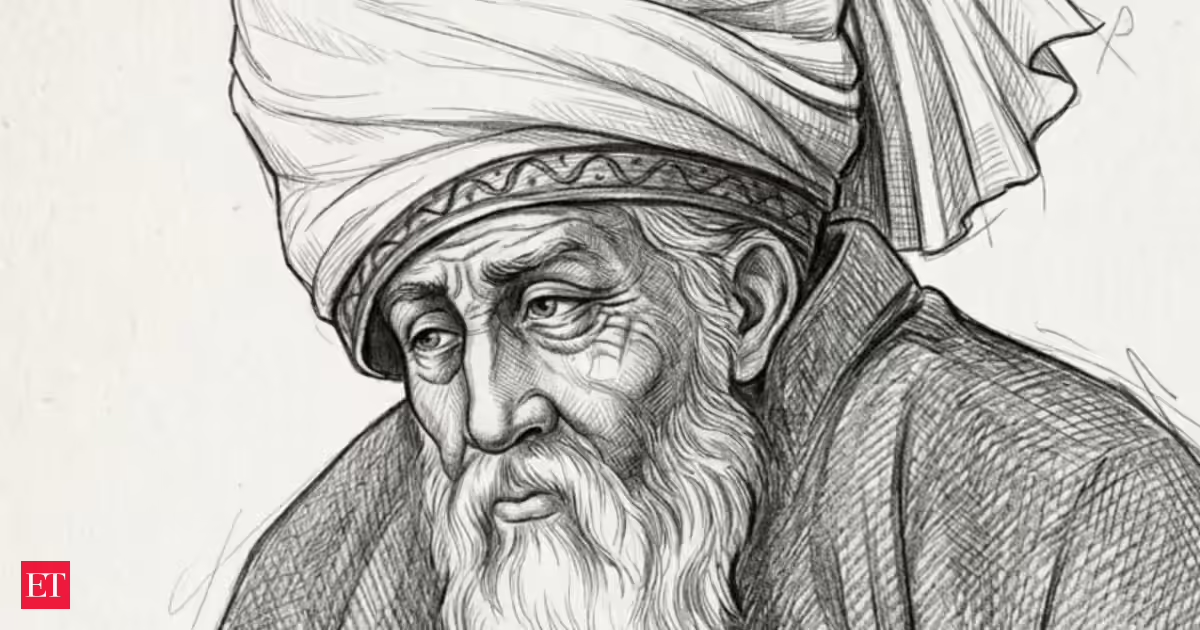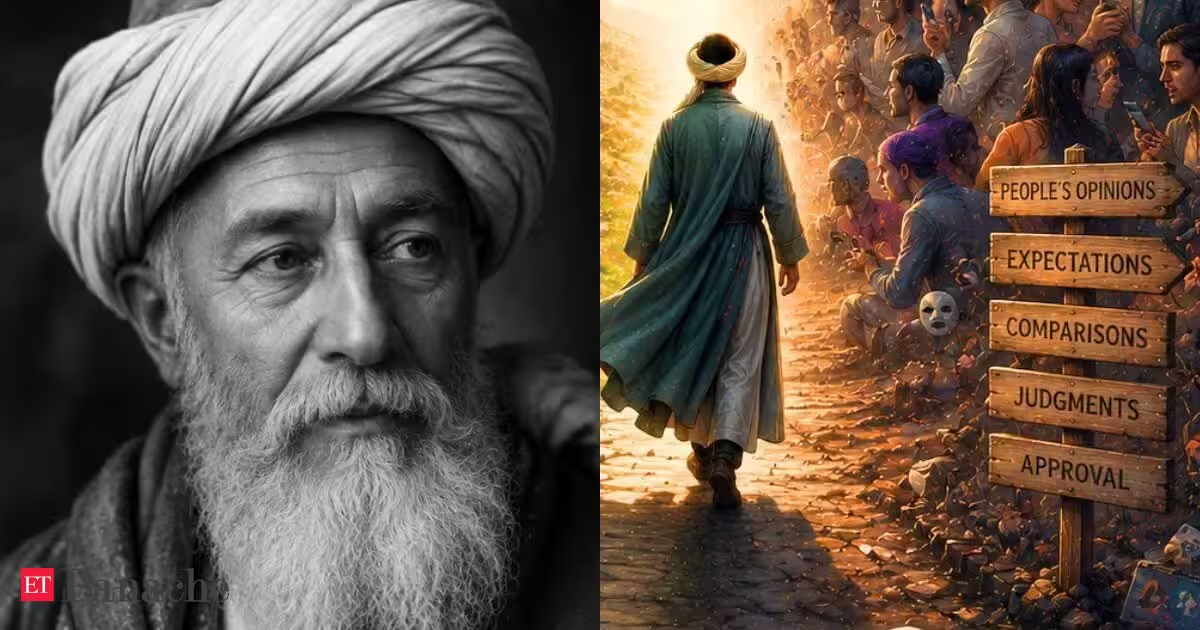
Letting go is one of the most important yet challenging parts of personal growth. People often hold on to past mistakes, disappointments, unhealthy relationships, fears, or habits that no longer serve a positive purpose. While these attachments may feel familiar, they can prevent emotional healing, personal development, and the ability to embrace new opportunities.Rumi’s powerful quote, “Be like a tree and let the dead leaves drop,” highlights the importance of releasing what no longer contributes to a meaningful and fulfilling life. In today’s world of constant change, emotional stress, and personal challenges, this message remains deeply relevant. It reminds us that growth often requires letting go of the past, just as a tree sheds old leaves to make room for new ones. Rumi’s words continue to inspire discussions about resilience, self-renewal, emotional freedom, and the courage needed to move forward with hope and confidence.Life lesson of the day today: Rumi on regrets, negativity, healing and personal growthLife lesson of the day by Rumi: “Be like a tree and let the dead leaves drop”Meaning of Rumi’s Quote About Letting GoRumi’s quote, “Be like a tree and let the dead leaves drop,” explores the importance of letting go, personal growth, and emotional renewal. The phrase “dead leaves” symbolizes anything that no longer contributes positively to a person’s life, such as past regrets, negative thoughts, unhealthy relationships, fears, grudges, or outdated habits. Rumi suggests that just as a tree naturally sheds old leaves to make way for new growth, people should learn to release emotional burdens that prevent them from moving forward.However, the deeper meaning of the quote emphasizes that growth often requires change and acceptance. Holding on to things that have lost their purpose can limit personal development and inner peace. By letting go of what no longer serves us, we create space for new opportunities, fresh perspectives, and emotional healing. The quote encourages resilience, self-awareness, and the courage to embrace life’s natural cycles of endings and new beginnings.Why You Should Let Go of What You Cannot ChangeOne of the most valuable life skills is learning to let go of things that are beyond your control. Holding on to past mistakes, disappointments, or situations that cannot be changed often leads to stress, frustration, and emotional exhaustion. Accepting reality does not mean giving up; it means directing your energy toward actions that can make a positive difference in your life. When you stop fighting against what has already happened, you create space for growth, healing, and new opportunities. Letting go also helps build resilience by teaching you to adapt to change rather than resist it. This mindset encourages inner peace, clearer thinking, and greater emotional balance. By focusing on the present instead of dwelling on the unchangeable past, you can move forward with confidence and purpose.Early Life of RumiRumi was born on September 30, 1207, in Balkh, a city that is now part of modern-day Afghanistan. His full name was Jalal al-Din Muhammad Rumi. He was born into a respected family known for its scholarship and religious learning. His father, Baha al-Din Walad, was a renowned theologian, teacher, and spiritual leader. Due to political instability and the threat of Mongol invasions, Rumi’s family left their homeland and traveled through several regions before eventually settling in Anatolia, in present-day Turkey. These early experiences exposed him to diverse cultures, ideas, and traditions that would later influence his spiritual outlook.Education and Spiritual DevelopmentRumi received a comprehensive education in theology, literature, philosophy, and Islamic law under the guidance of his father and other distinguished scholars. Following his father's death, he continued his studies and became a respected teacher and religious scholar. A turning point in his life came when he met the wandering mystic Shams of Tabriz. Their deep spiritual friendship profoundly transformed Rumi’s understanding of faith, love, and human connection. Inspired by this relationship, Rumi shifted his focus toward mystical spirituality and began expressing his insights through poetry.Rise as a Poet and Spiritual TeacherRumi gradually became one of the most influential poets and spiritual thinkers in history. His poetry explored themes such as divine love, inner transformation, compassion, wisdom, and the search for meaning. His most famous works include the Masnavi, often regarded as one of the greatest spiritual poems ever written, and the Divan-e Shams-e Tabrizi, a collection inspired by his friendship with Shams. Through his writings, Rumi combined profound spiritual teachings with simple imagery and universal truths, making his work accessible to people across cultures and generations.Influence and Enduring PopularityDuring his lifetime, Rumi attracted a large following of students and admirers who were inspired by his teachings. After his death, his followers established the Mevlevi Order, often known as the Whirling Dervishes, who used music, poetry, and dance as forms of spiritual devotion. Over the centuries, Rumi’s works have been translated into numerous languages and continue to be widely read around the world. His reflections on love, self-discovery, and personal growth remain relevant to modern audiences seeking wisdom and emotional balance.Legacy and Lasting InfluenceRumi passed away on December 17, 1273, in Konya, located in present-day Turkey. Despite living more than seven centuries ago, his influence remains remarkably strong. He is widely regarded as one of the greatest poets and spiritual teachers in history. His writings continue to inspire readers, scholars, and seekers from diverse backgrounds. Today, Rumi’s timeless messages about love, transformation, compassion, and inner peace continue to encourage people to live with greater awareness, purpose, and acceptance of life’s changes.Life Lessons from Rumi’s Famous QuoteRumi’s quote, “Be like a tree and let the dead leaves drop,” teaches that personal growth often begins with letting go of things that no longer contribute to a meaningful and healthy life. Just as a tree sheds old leaves to make room for new growth, people must sometimes release past disappointments, negative emotions, unhealthy attachments, and limiting beliefs. The quote highlights that change is a natural part of life and that emotional freedom comes from accepting what cannot be changed and moving forward with courage. Rumi’s wisdom encourages resilience, self-awareness, and the understanding that growth often requires leaving behind what has outlived its purpose.Why This Quote Still Matters TodayRumi’s quote remains highly relevant today because many people struggle with stress, emotional burdens, past regrets, and the pressure of constant change. In a fast-moving world, it can be difficult to let go of painful experiences, failed relationships, or negative thoughts. This quote reminds us that holding on to the past can prevent personal progress and emotional well-being. By releasing what no longer serves us, we create space for healing, self-improvement, and new opportunities. Rumi’s message continues to inspire people to embrace change, practice emotional resilience, and focus on growth rather than attachment.Wisdom on Personal Growth Rumi’s quote, “Be like a tree and let the dead leaves drop,” reflects a timeless truth about personal transformation and inner peace. Life is a continuous cycle of change, and growth often requires the courage to release what no longer belongs in our journey. Holding on to old fears, regrets, or unhealthy attachments can limit our potential, while letting go allows new possibilities to emerge. This wisdom remains powerful because it encourages acceptance, renewal, and emotional strength. Like a tree preparing for a new season, people can flourish when they learn to let go of the past and welcome new beginnings with confidence and hope.
Life lesson of the day by Rumi: “Be like a tree and let the dead leaves… – Inspiring lessons on personal growth, letting go of the past, transformation, healing and why every ending is a new beginning by the renowned Persian poet and mystic known for his deep insights on human nature and relationships
Life lesson of the day by Rumi: Rumis quote, “Be like a tree and let the dead leaves drop,” explores the importance of letting go of things that no longer contribute to personal growth and well-being. The quote suggests that, just as a tree naturally sheds old leaves to make room for new life, people should release past regrets, negative emotions, unhealthy relationships, and limiting beliefs. By embracing change and moving forward, individuals can create space for renewal, growth, and new opportunities in life.
1,221 words~6 min read