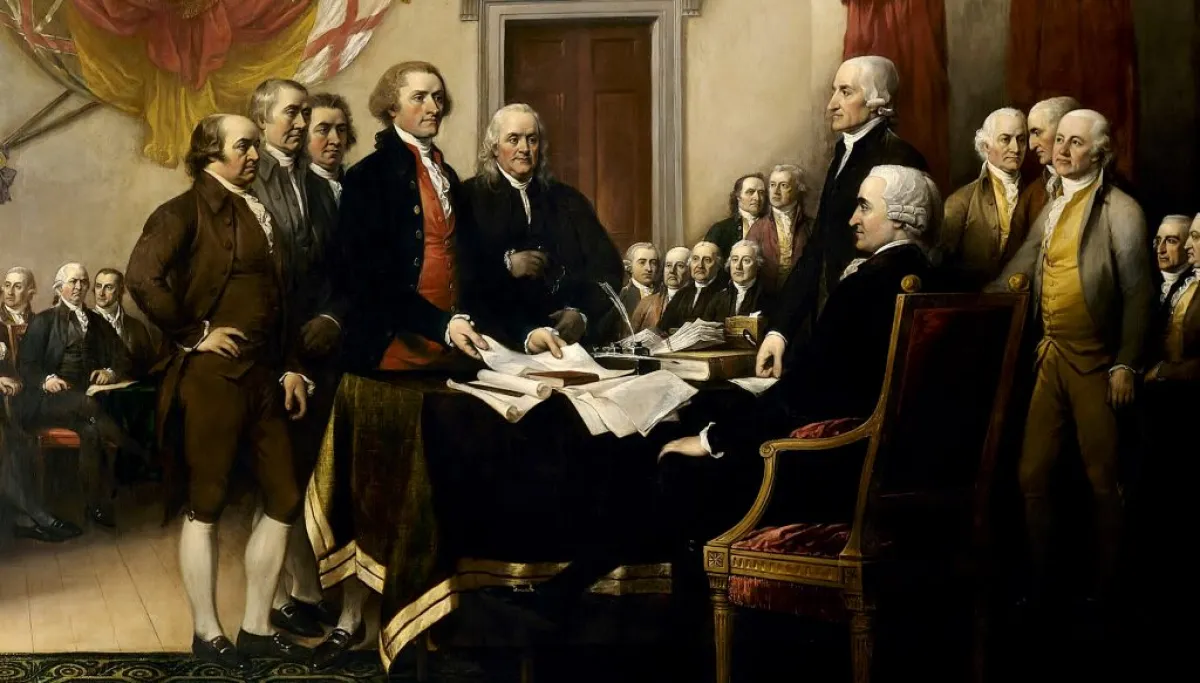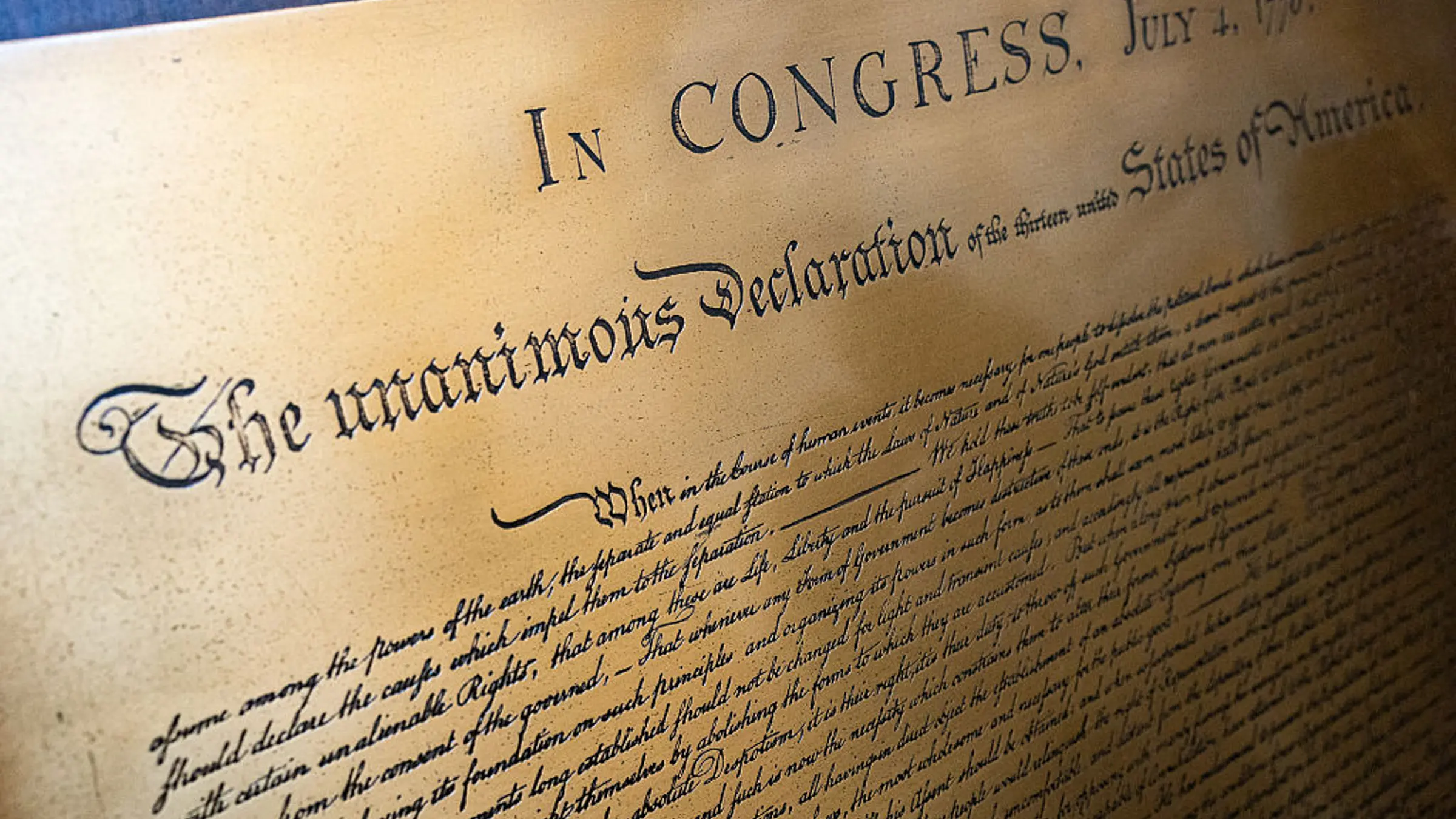
As America celebrates its 250th birthday, we will hear familiar tributes to democracy, freedom, and self-government.All deserve recognition.
It was the idea that birthplace should not determine destiny.That statement sounds ordinary today. For most of human history, it would have sounded insane. For thousands of years, societies around the world operated on a simple assumption:Your future was largely determined before you were born.If your father were a peasant, you would likely be a peasant. If your family belonged to the nobility, privilege would follow you throughout life. If you were born into the wrong religion, tribe, caste, ethnicity, or social class, opportunities were often limited, regardless of your talent.Birth determined status. Status determined opportunity. Opportunity determined destiny.This was not unusual. It was normal.In fact, it was humanity’s default setting.Then came America.The American Revolution challenged political authority, but the American dream challenged something even older: the belief that social position should be inherited.The radical promise of America was not that everyone would become wealthy. It was that nobody needed permission from their ancestors to try.That idea attracted people from every corner of the world.Not because America was perfect. It wasn’t. Not because success was guaranteed. It wasn’t.But because America offered something rare in human history: Upward mobility, a chance, and a reset button.The evidence is everywhere.Alexander Hamilton was born out of wedlock on a Caribbean island and became one of the architects of the American republic.Andrew Carnegie arrived from Scotland as a poor immigrant child and became one of the wealthiest industrialists in history.Albert Einstein fled Nazi Germany and helped reshape modern science.Sergey Brin arrived from the Soviet Union and helped build Google.Elon Musk came from South Africa and became the world’s richest entrepreneur.Notice something?These stories are not remarkable because the individuals were immigrants. They are remarkable because they would have been nearly impossible in much of human history.America’s greatest innovation was not a machine. It was a social technology.A system that allowed strangers to arrive with little status and compete based on talent, effort, creativity, and luck.That system has never worked perfectly. It never will.But compared with most societies throughout history, it remains extraordinary.Today Americans often argue about immigration, economics, inequality, and opportunity. Those debates are important.Yet they sometimes obscure a larger truth.The American experiment was never designed to preserve status. It was designed to challenge it.That is why generations of immigrants came here. Not because America guaranteed success.Because America allowed reinvention.And that may be the most radical idea any nation has ever attempted.As the United States enters its next 250 years, perhaps the most important question is not whether America can remain wealthy or powerful.WANT TO REIN IN THE PRESIDENT? EXPAND THE HOUSEIt is whether America can continue believing in the revolutionary idea that made it exceptional in the first place:That a person’s future should not be determined by where their story began.Richard T. Herman is the founder of Herman Legal Group, a nationally recognized immigration law firm that has represented immigrants, entrepreneurs, innovators, investors, researchers, physicians, executives, and their families for more than 30 years.