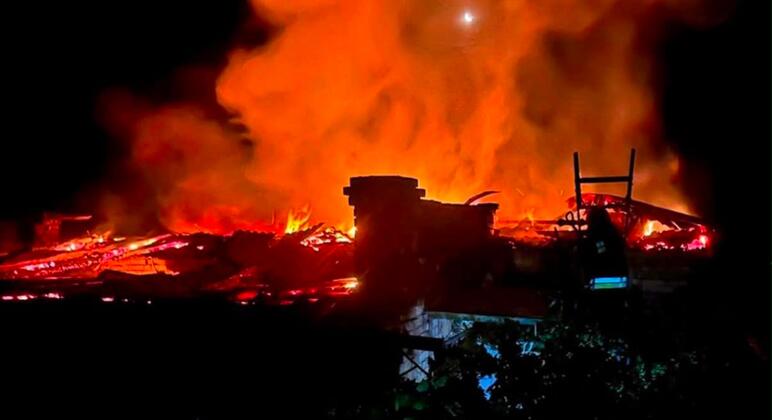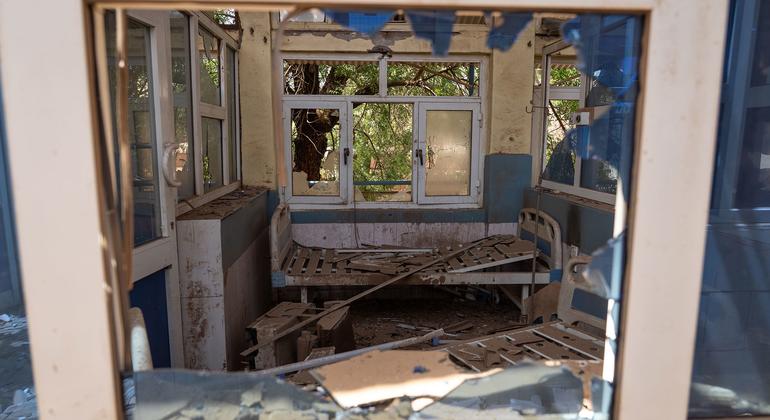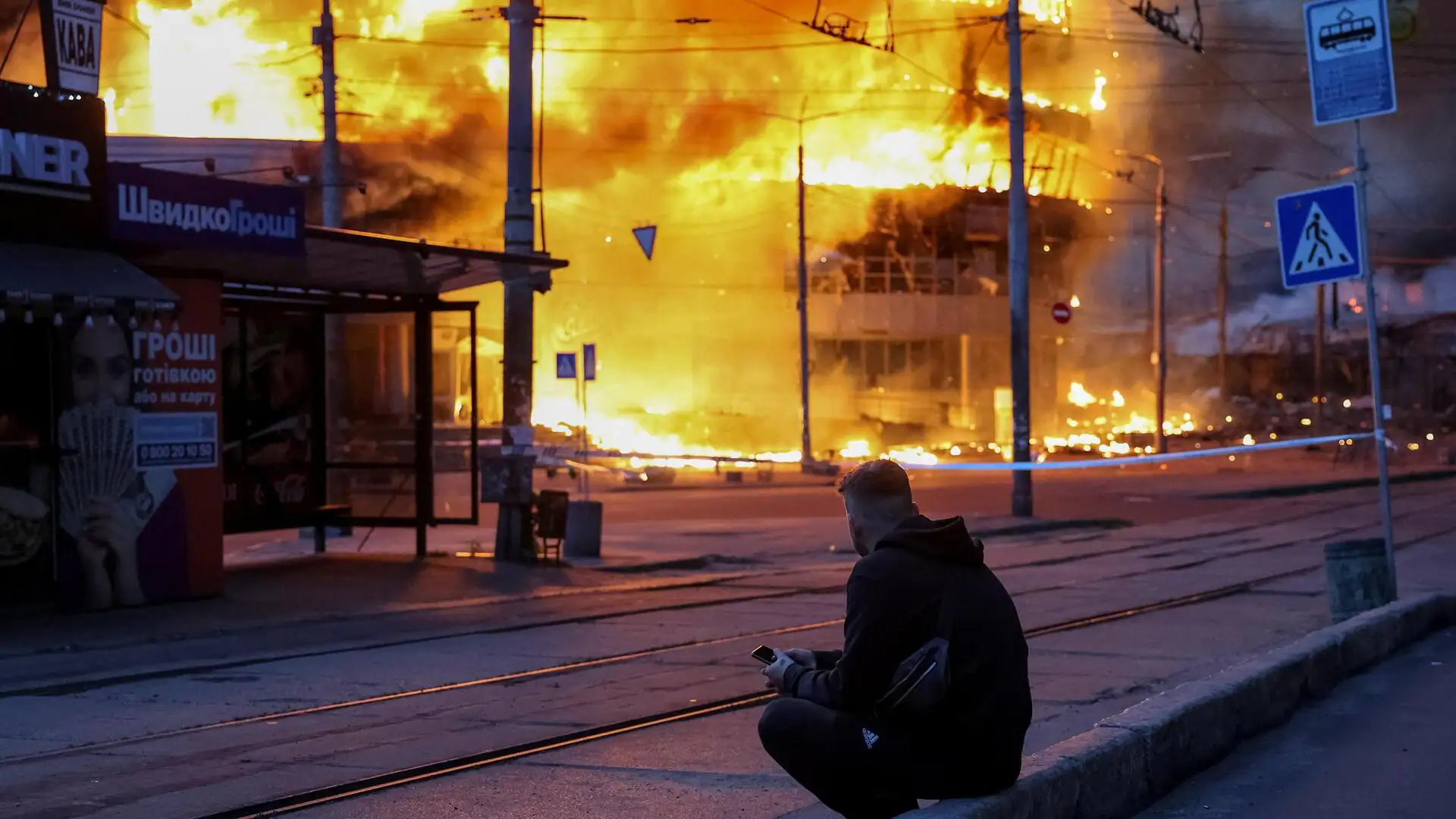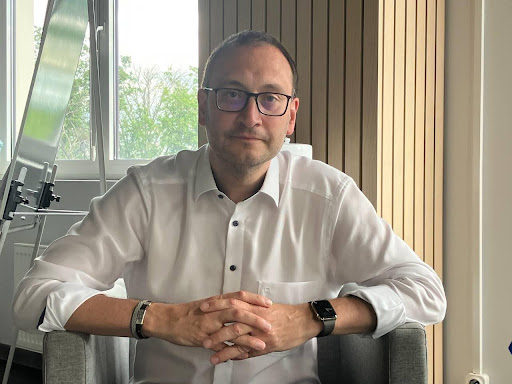
Ukraine’s healthcare system has changed dramatically in recent times. The war has taken a severe toll on its workforce. Some staff left the country, others relocated between regions, some were mobilized, and others have been killed. Russia continues to strike hospitals, clinics, and ambulances. Meanwhile, the deterioration of living conditions – power outages, shelling, stress, mass displacement – has complicated disease statistics and worsened health indicators that were already far from ideal.JOIN US ON TELEGRAMFollow our coverage of the war on the @Kyivpost_official. Despite this, the system continues to function. Ukrainian hospitals offer the full range of medical services, and emergency responders will reach patients in any situation – sometimes faster than in 2021. But the underlying problems have not gone away; if anything, they are deepening. Staff shortages persist, Ukrainians’ incomes are falling while drug prices rise, and the prospects for post-war reform remain highly uncertain. Dr. Jarno Habicht has served as the World Health Organization’s (WHO) representative and head of its Ukraine office since autumn 2018. Over those seven years, he has witnessed much of what has shaped the country’s healthcare trajectory: the reform drive under Health Minister Ulyana Suprun to move past the Soviet legacy, the COVID-19 pandemic, and the full-scale invasion, which brought mass casualties, population displacement, and far reaching structural strain.
Two Attacks a Day: WHO’s Ukraine Chief on the War’s Toll on Healthcare
An exclusive in-depth interview with the head of the WHO office in Ukraine, Dr. Jarno Habicht.
2,888 words~13 min read