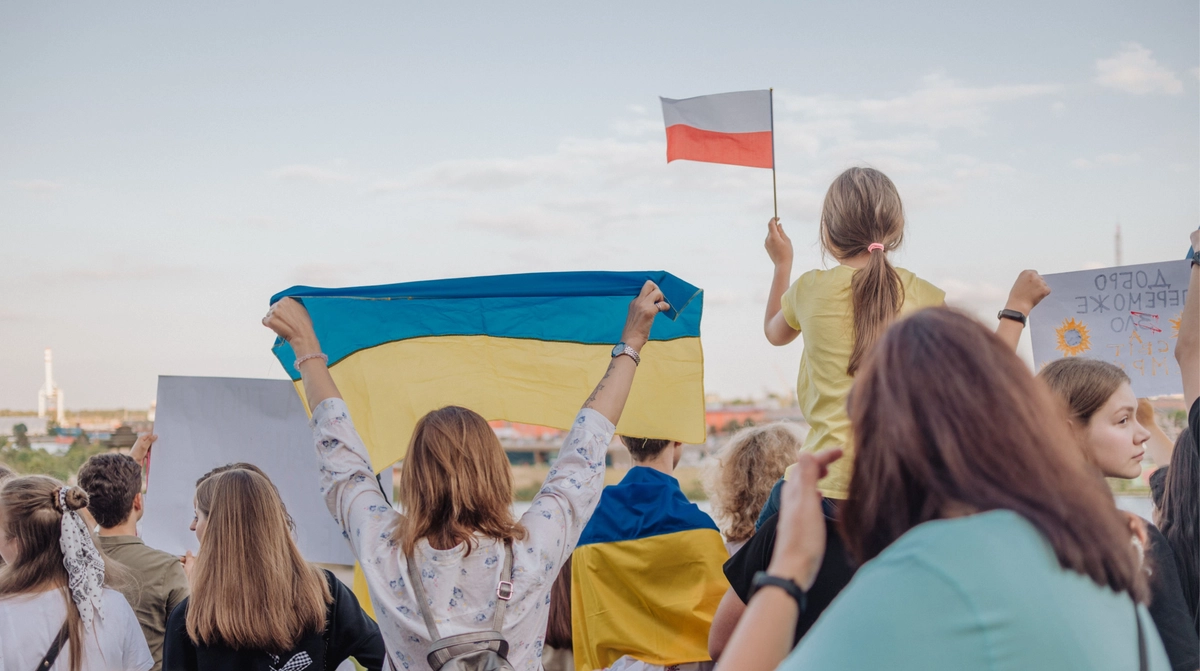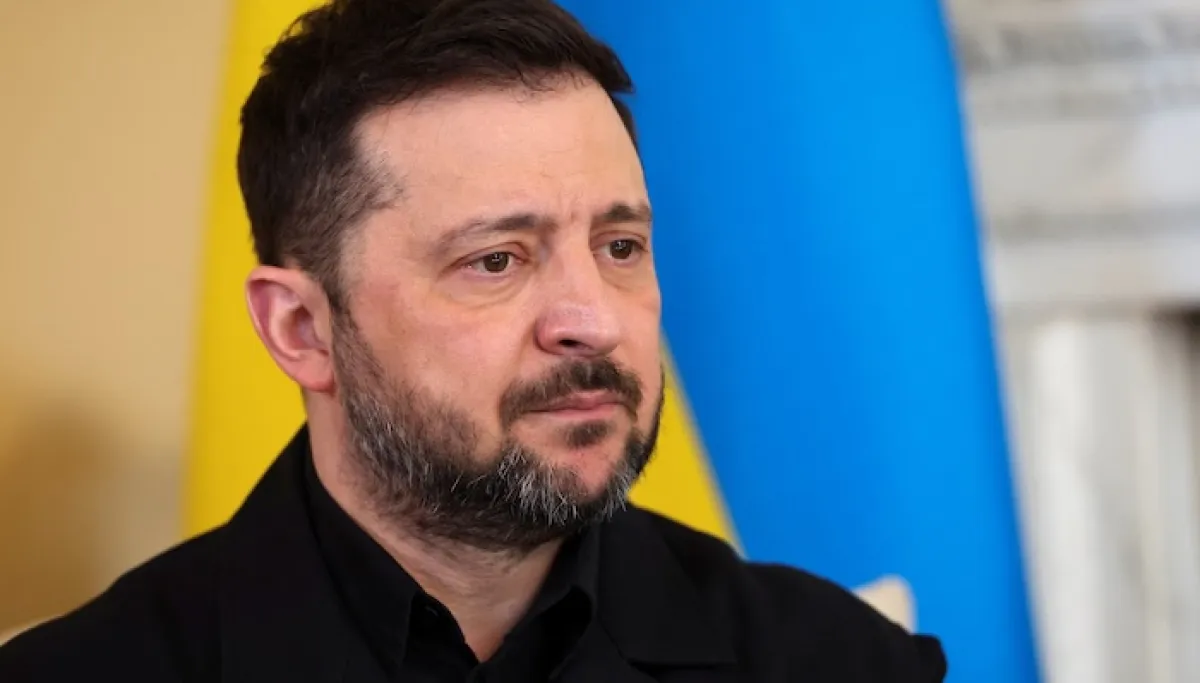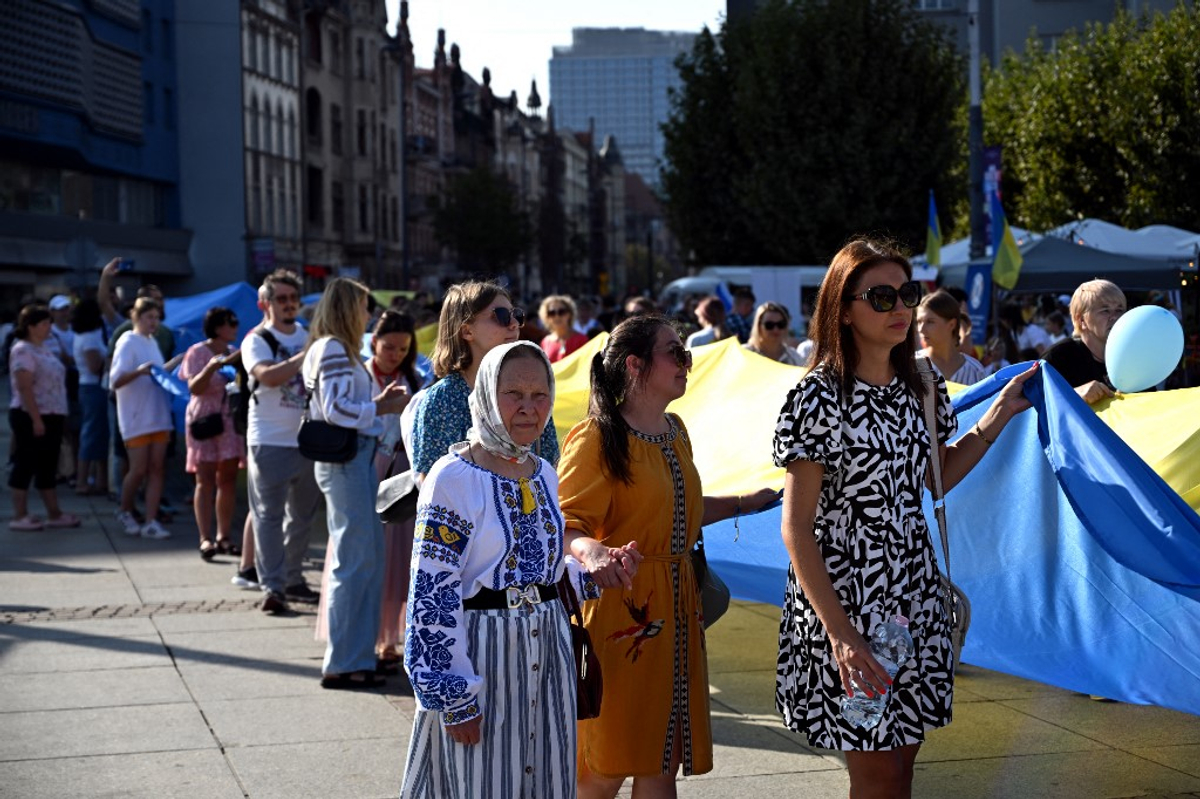
More than 5.7 million Ukrainian citizens have been forced to flee abroad due to Russia’s full-scale invasion, according to data from the United Nations High Commissioner for Refugees (UNHCR). Dmytro Lubinets, the Ukrainian parliament’s commissioner for human rights, shared the figures on World Refugee Day, noting that the total number of displaced citizens since the start of Russian aggression in 2014 has reached 8.5 million.JOIN US ON TELEGRAMFollow our coverage of the war on the @Kyivpost_official. “Behind this number is an experience that divided the lives of millions into ‘before’ and ‘after,’” Lubinets stated, thanking the countries and communities that have provided shelter to Ukrainians. Temporary protection and return conditions Lubinets emphasized that the international status of temporary protection remains the primary legal mechanism for safeguarding Ukrainian citizens abroad. He argued that this framework must remain active until combat operations within Ukraine conclude, prioritizing vulnerable categories of citizens. While the Ukrainian government anticipates the eventual return of its citizens, Lubinets outlined two necessary conditions for mass repatriation: ensuring safety from aerial and ground threats, and restoring functional infrastructure. The Ombudsman also raised concerns regarding the forced removal of Ukrainian children by foreign municipal authorities in European host countries. Citing a recent case in Italy, where local authorities placed a Ukrainian child under the custody of foreign nationals, Lubinets reminded international partners that international humanitarian law prohibits the adoption of children from countries engaged in ongoing war.
Ukraine Highlights Plight of 5.7 Million Refugees as EU Debates Protection Status
Ukrainian Ombudsman Dmytro Lubinets stated that 5.7 million citizens have fled the country since 2022, calling for the continuation of temporary protection amid ongoing EU policy debates.
TL;DRAI
UNHCR confirms 5.7 million Ukrainian refugees abroad; ombudsman stresses temporary protection must remain active until combat operations end. EU justice ministers debate March 2028 extension with member states divided on military-age men restrictions, impacting European workforce planning.
461 words~2 min read