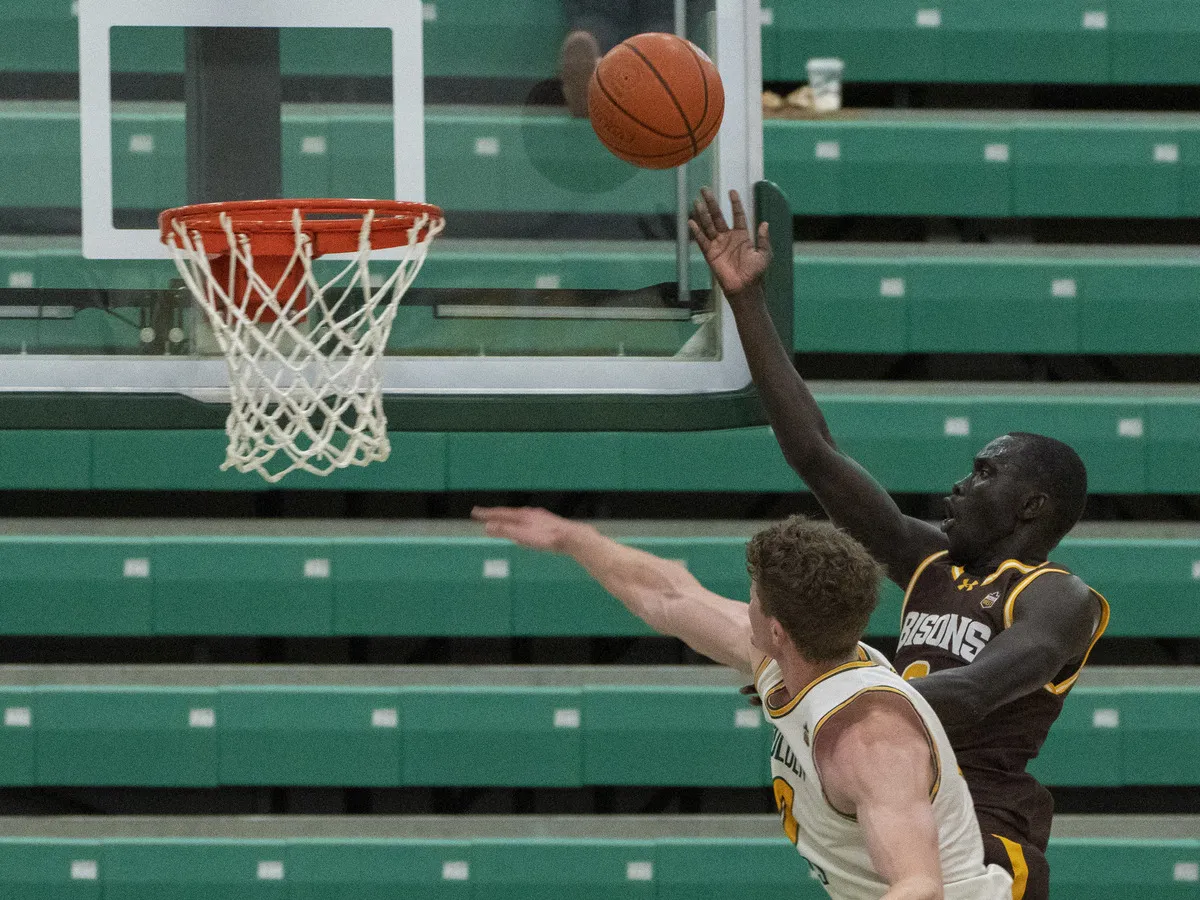
Skip to Content News Archives Economy Energy Oil & Gas Renewables Electric Vehicles Mining Commodities Agriculture Real Estate Mortgages Mortgage Rates Finance Banking Insurance Fintech Cryptocurrency Work Wealth Smart Money Wealth Management Investor Personal Finance Family Finance Retirement Taxes High Net Worth FP Comment Executive Women Puzzmo Newsletters Financial Times Business Essentials More Innovation Information Technology FP500 Podcasts Small Business Lives Told Tails Told Shopping Financial Post Store Obituaries Place a Notice Advertising Advertising With Us Advertising Solutions Postmedia Ad Manager Sponsorship Requests Classifieds Place a Classifieds ad Working Profile Settings My Subscriptions Saved Articles My Offers Newsletters Customer Service FAQ News Economy Energy Mining Real Estate Finance Work Wealth Investor FP Comment Executive Women Puzzmo Newsletters Financial Times Business Essentials HomeFP CommentWilliam Watson: Universities should not do pro sportsMore high-profile U.S. universities are paying their intercollegiate athletes. Canadian schools shouldn't copy that trendLast updated 1 hour ago You can save this article by registering for free here. Or sign-in if you have an account.University of Manitoba Bisons, Manyang Tong floats the ball off the glass and in for a basket over University of Alberta Golden Bears Nate Waldron in Edmonton. Photo by Greg Southam/Postmedia“I went to a fight the other day and a hockey game broke out” is an old joke from the 1970s, when there was almost a fight a game in the National Hockey League. Now there’s less than one every five games, so the joke has less currency.Subscribe now to read the latest news in your city and across Canada.Exclusive articles from Barbara Shecter, Joe O'Connor, Gabriel Friedman, and others.Daily content from Financial Times, the world's leading global business publication.Unlimited online access to read articles from Financial Post, National Post and 15 news sites across Canada with one account.National Post ePaper, an electronic replica of the print edition to view on any device, share and comment on.Daily puzzles, including the New York Times Crossword.Subscribe now to read the latest news in your city and across Canada.Exclusive articles from Barbara Shecter, Joe O'Connor, Gabriel Friedman and others.Daily content from Financial Times, the world's leading global business publication.Unlimited online access to read articles from Financial Post, National Post and 15 news sites across Canada with one account.National Post ePaper, an electronic replica of the print edition to view on any device, share and comment on.Daily puzzles, including the New York Times Crossword.Create an account or sign in to continue with your reading experience.Access articles from across Canada with one account.Share your thoughts and join the conversation in the comments.Enjoy additional articles per month.Get email updates from your favourite authors.Create an account or sign in to continue with your reading experience.Access articles from across Canada with one accountShare your thoughts and join the conversation in the commentsEnjoy additional articles per monthGet email updates from your favourite authorsSign In or Create an AccountorBut you might replace it with “I went to a professional football game the other day and a university appeared” — though dimly, off in the mist, as if through a beer glass, darkly.It’s a joke that to date applies only in the United States. Because of a series of court decisions in that country, star university athletes can now make big bucks. The bottom-ranked player on Sporting News’ list of the 30 highest-paid college footballers of 2025, a Notre Dame running back, made $1.5 million, more than Notre Dame’s president (who is a priest and in any case gives his money to his order). Get the latest headlines, breaking news and columns.By signing up you consent to receive the above newsletter from Postmedia Network Inc.A welcome email is on its way. If you don't see it, please check your junk folder.The next issue of Top Stories will soon be in your inbox.We encountered an issue signing you up. Please try againUniversity sports started with students playing games intramurally, for fun. Then schools started playing each other, with professors and others volunteering as coaches. McGill and Harvard played two rugby games in 1874 that are usually credited with bringing intercollegiate football to the U.S. Not until 1901 did the Harvard Athletics Association, independent and alumni-funded, first pay a coach. By then Harvard — Harvard! — had already won three national football championships.Over time, as alumni accumulated, incomes grew and radio and then TV increased coverage and money flowed into the mass-appeal college sports. Leading programs have long compensated players with “full rides” in terms of scholarships and board and, beyond that, as occasional scandals have revealed, cash, cars and other delights — these last always under the table, since college athletes were supposed to be amateurs. The hypocrisy of major programs making major money off their amateur athletes has been a main motivation for reform, a.k.a., turning athletes into pros. In fact, as noted by two heavyweight Harvard economists, David Cutler and Edward Glaeser, in a recent study of how universities have survived for nearly a millennium, on balance U.S. college sports lose money. To date, most new above-board payments have been for “NIL,” which stands for “name, image and likeness,” though in many cases they are far from nil. Quite reasonably, a California court ruled in 2019 that an athlete’s NIL should be theirs to profit from and many now do. Schools are also beginning to share the revenues sports bring in, paying athletes directly. And easier rules about transferring from one school to another mean there’s now effectively a free-agent market for players. The University of Michigan won this year’s men’s national basketball championship with a starting lineup of five transfer players. Cutler and Glaeser trace the evolution of universities as guilds of professors in the late Middle Ages all the way down to today. Their theory is that there’s a fluctuating tension between the professoriate and the people put in charge of the money so as to keep the professors from dissipating it. (The theory works better in the U.S. context: here the education minister runs everything.) In this view, tenure came along — relatively recently — as a way to attract the quirky intellects who make for good researchers (these two good researchers say) without having to pay market salaries for them. Through the years, professors’ control over universities ebbs and flows as the money people are more or less adept at raising funds. “As Gilded Age philanthropy massively increased the scale of college building,” Cutler and Glaeser write, profs were content to cede power to boards.But what theory is consistent with universities becoming homes or sponsors or owners of professional sports teams, with highly-paid players and coaches, big-time TV contracts and stadiums packed with students, alumni and others? Are millionaire players truly students — or do their drivers or personal assistants attend class and write exams in their place? Or if players are simply university employees, how do they fit in? Are they there to enhance the student experience by giving real students live entertainment to watch in their non-study hours? Or is their role simply to earn money for the university so the scholars can be better supported? But what if they don’t actually raise that much money? Sports programs can bring in lots of revenue but they can also have high costs, especially if players and not just coaches and administrators can now claim their share of the revenue, with not very much left over for the school. And if the idea is just to raise money for the community of scholars, is there a limiting principle to what can be invested in? Why not casinos? Or (from the ag school) liquors, wines or weed? Or help with gambling — not therapy for making bets but expertise from the math department in making bets.I love pro sports. But I love specialization even more. Universities should not be running pro teams — though we don’t need a law or an edict from the minister. A community of scholars can figure that out on its own. Join the Conversation This website uses cookies to personalize your content (including ads), and allows us to analyze our traffic. Read more about cookies here. By continuing to use our site, you agree to our Terms of Use and Privacy Policy.
William Watson: Universities should not do pro sports
More and more high-profile U.S. universities are paying their intercollegiate athletes. Canadian schools shouldn't copy that trend. Read on
1,364 words~6 min read