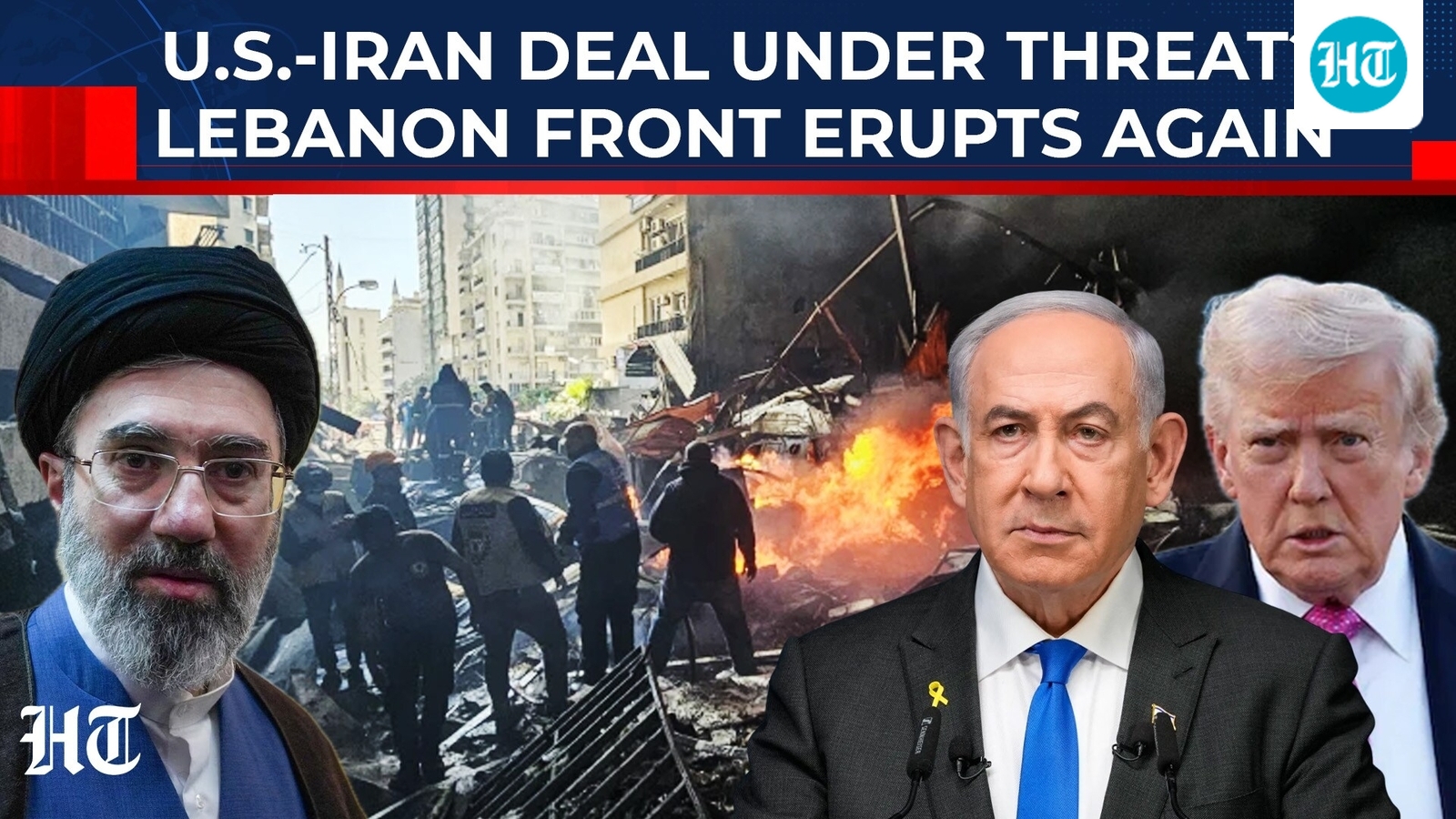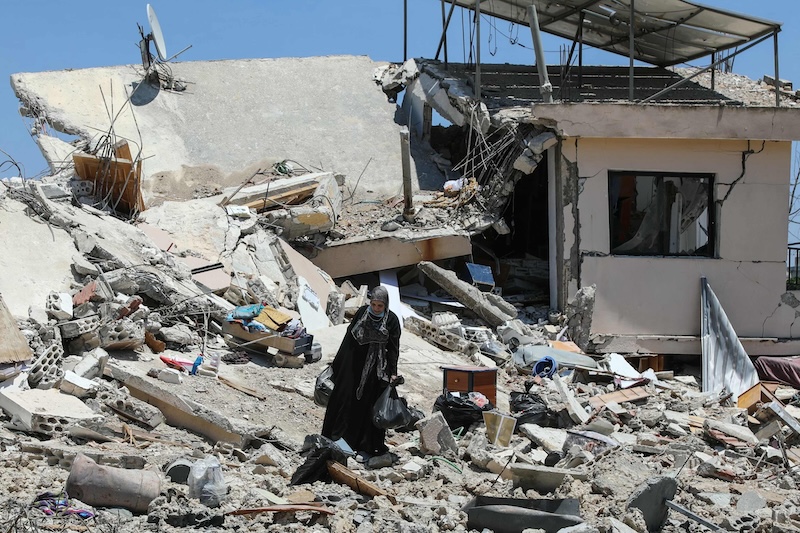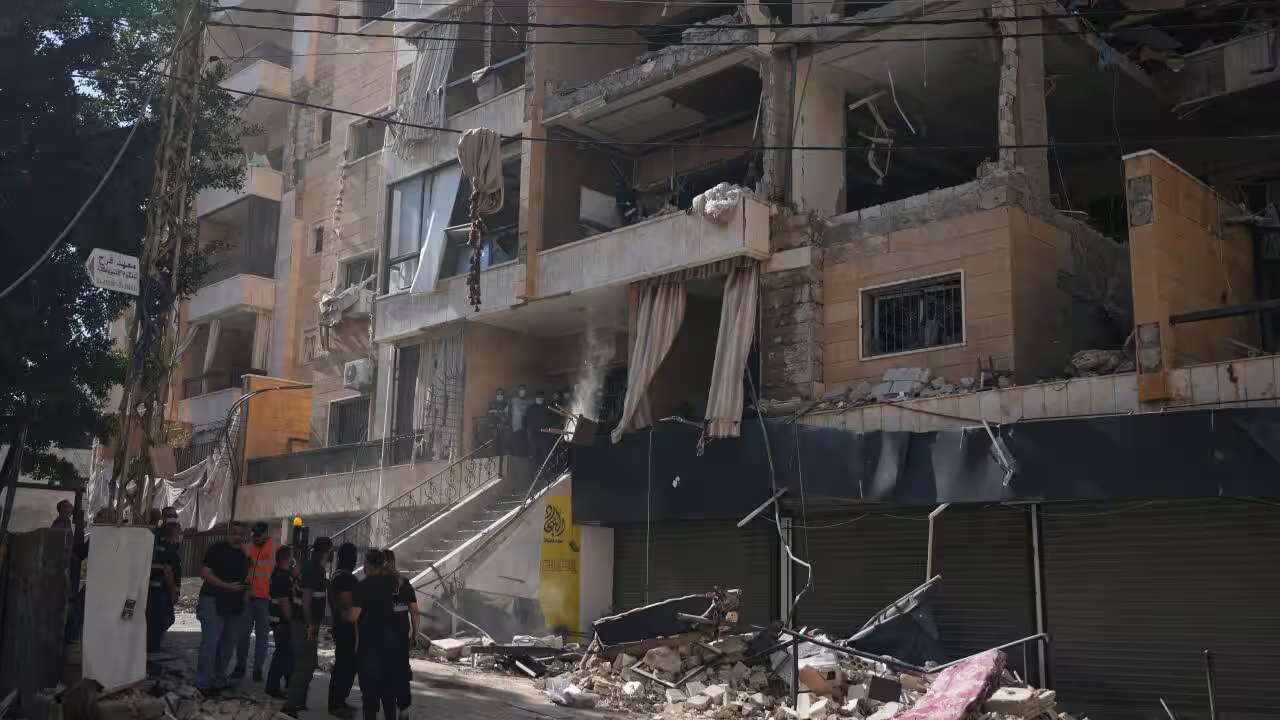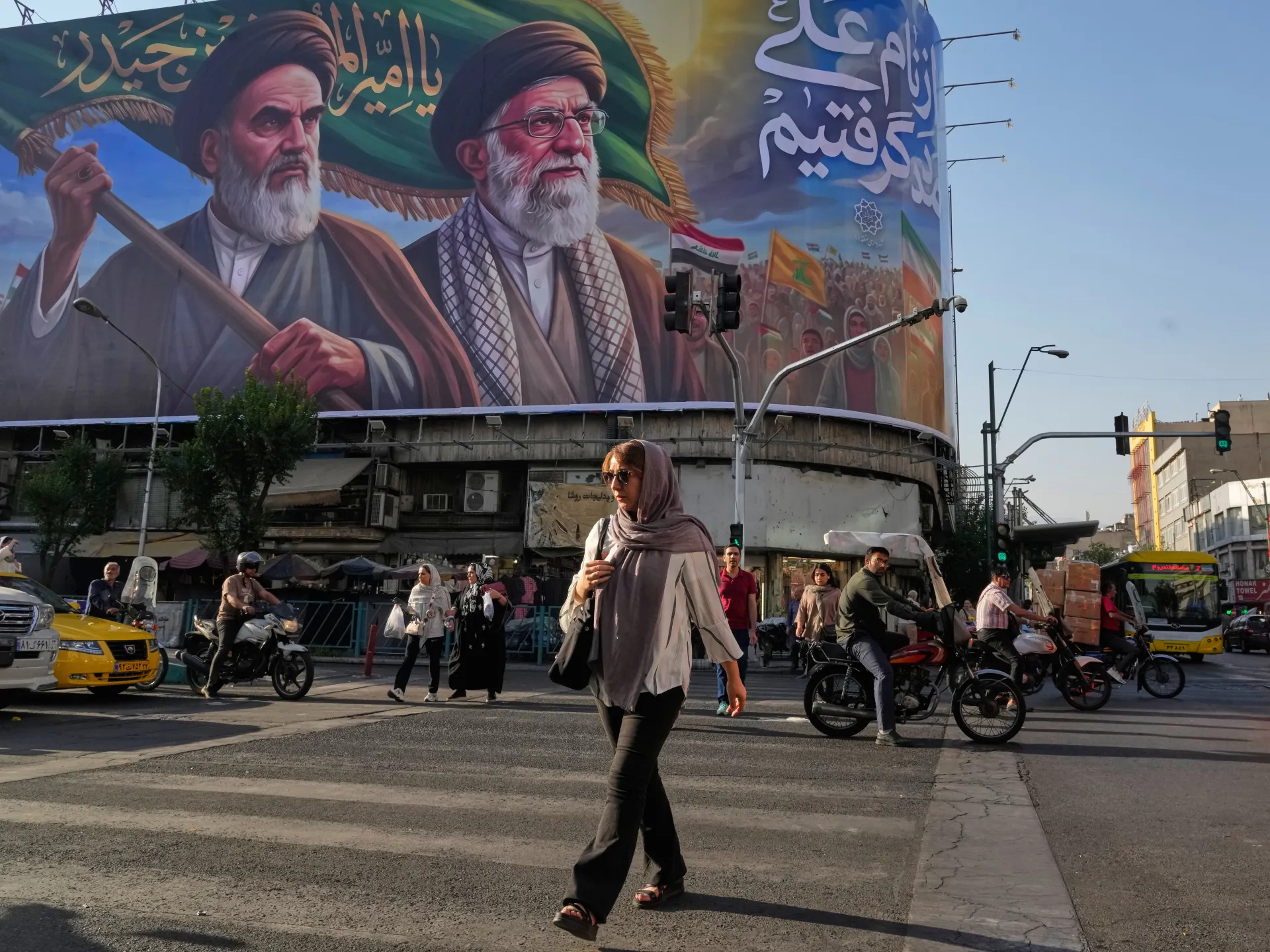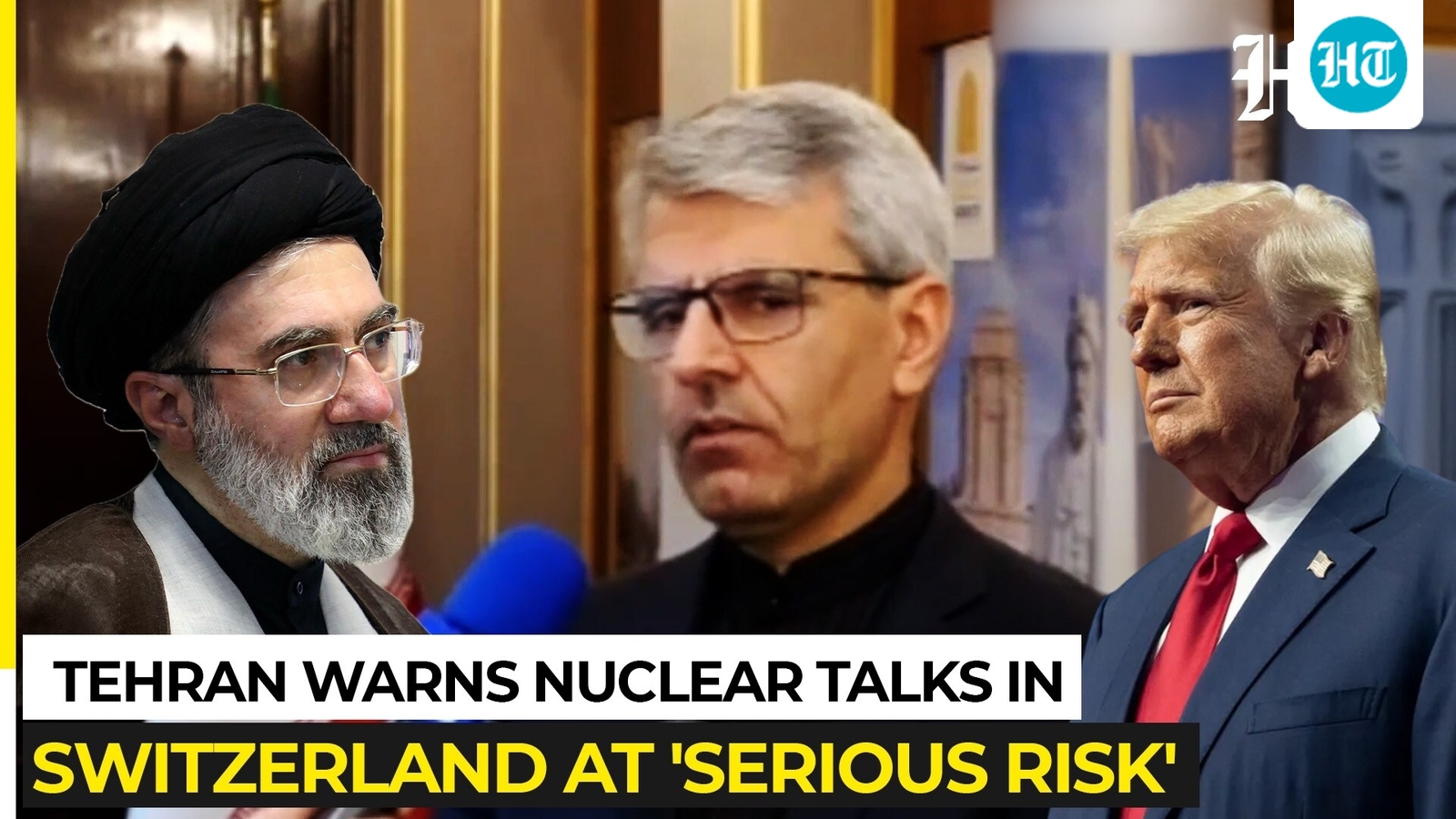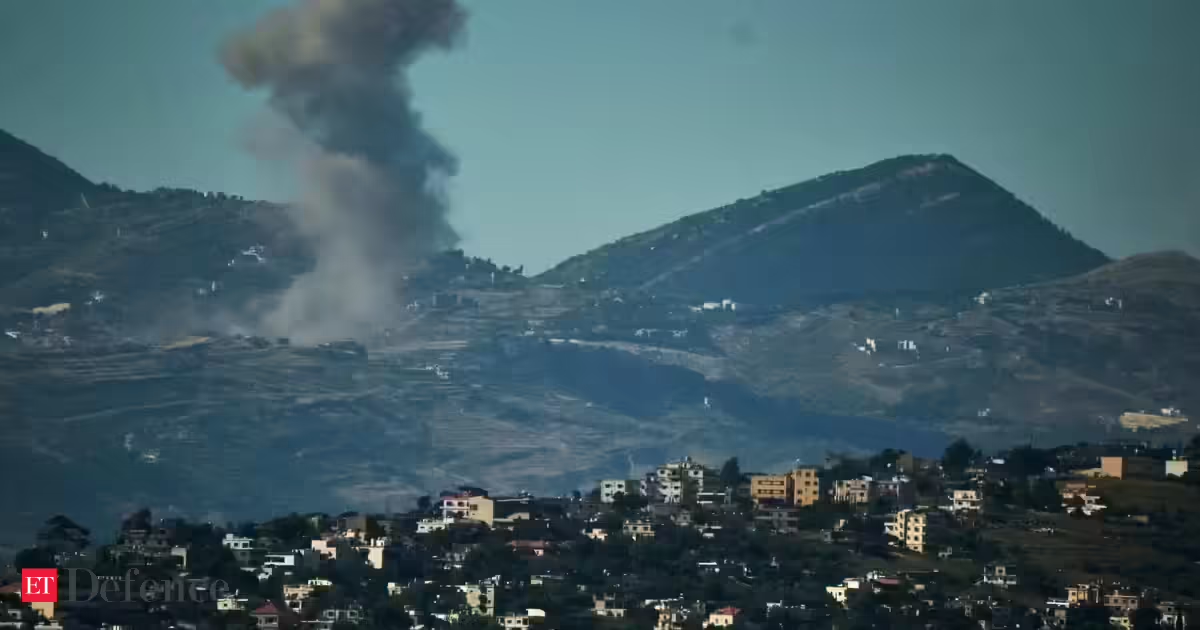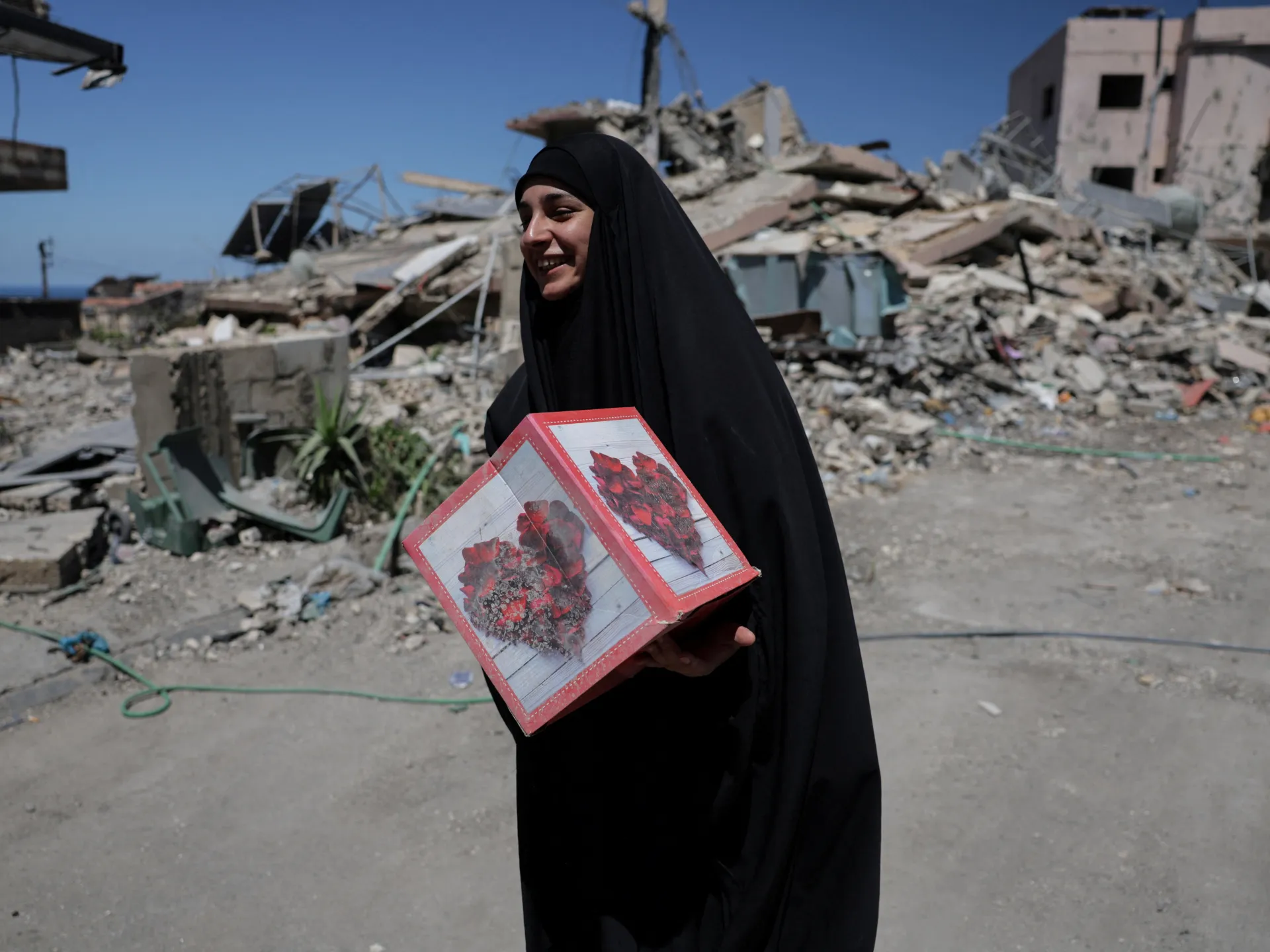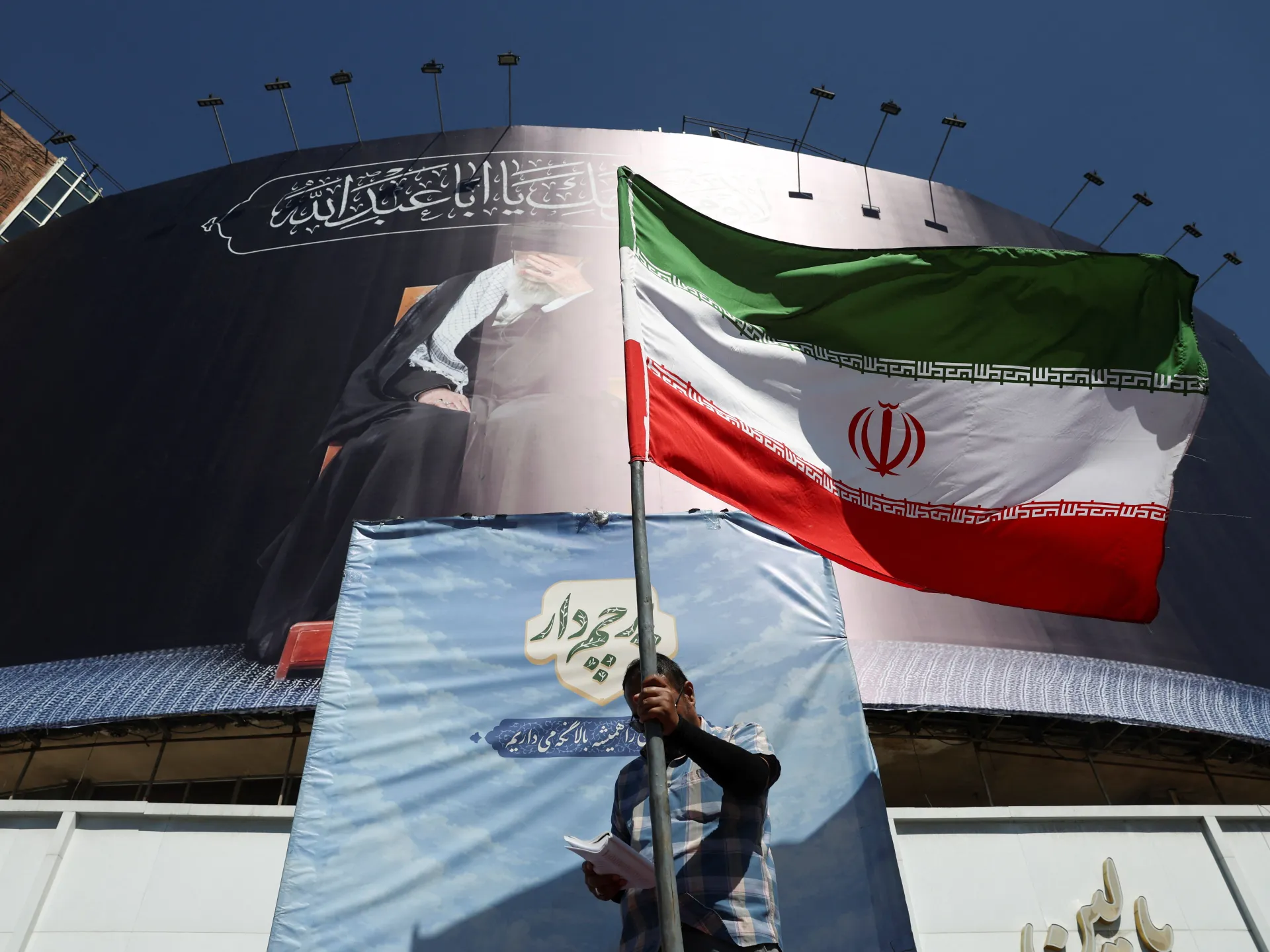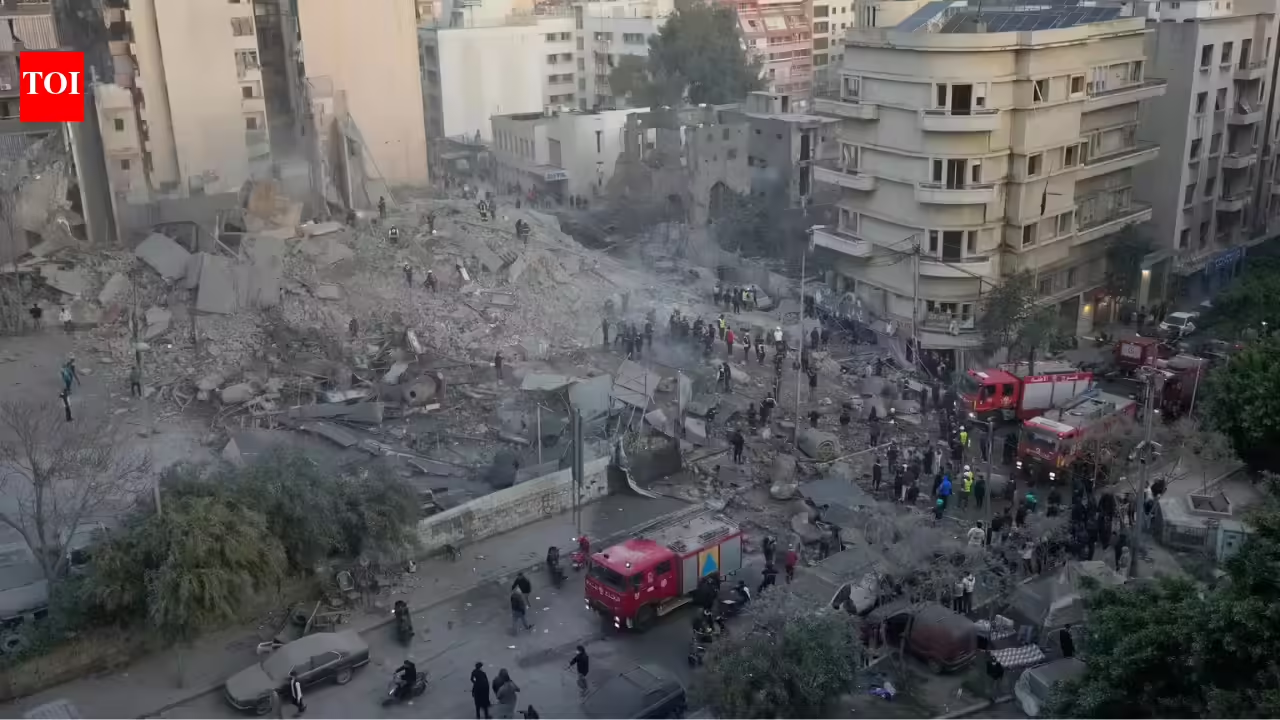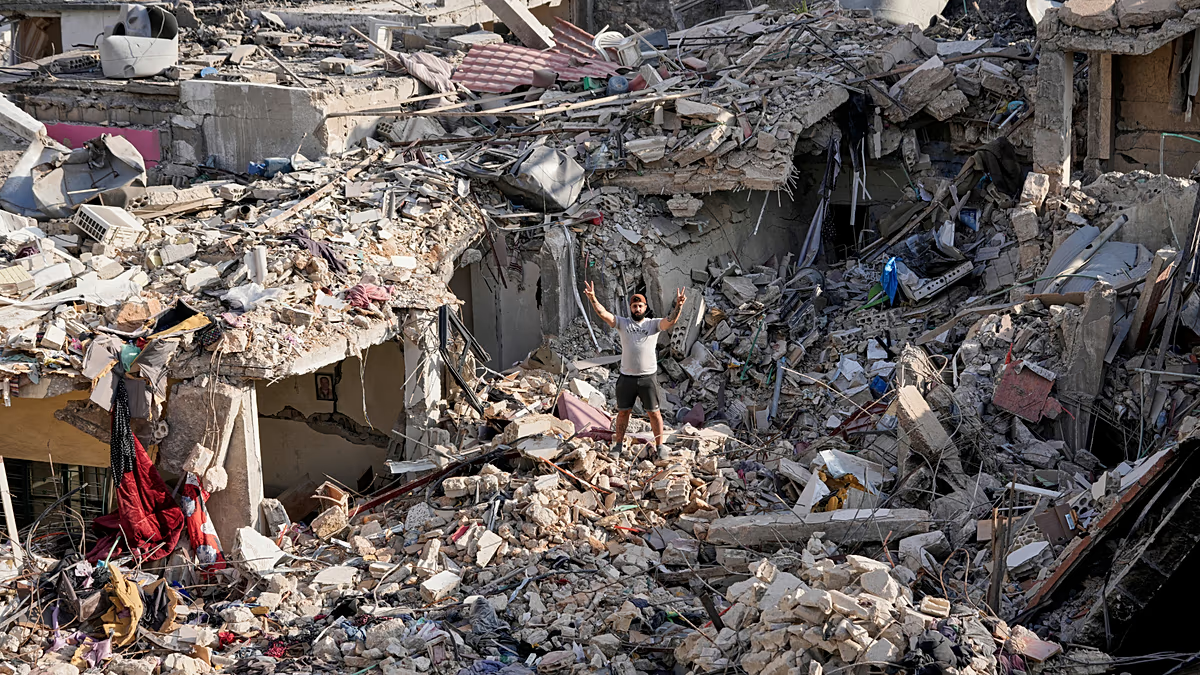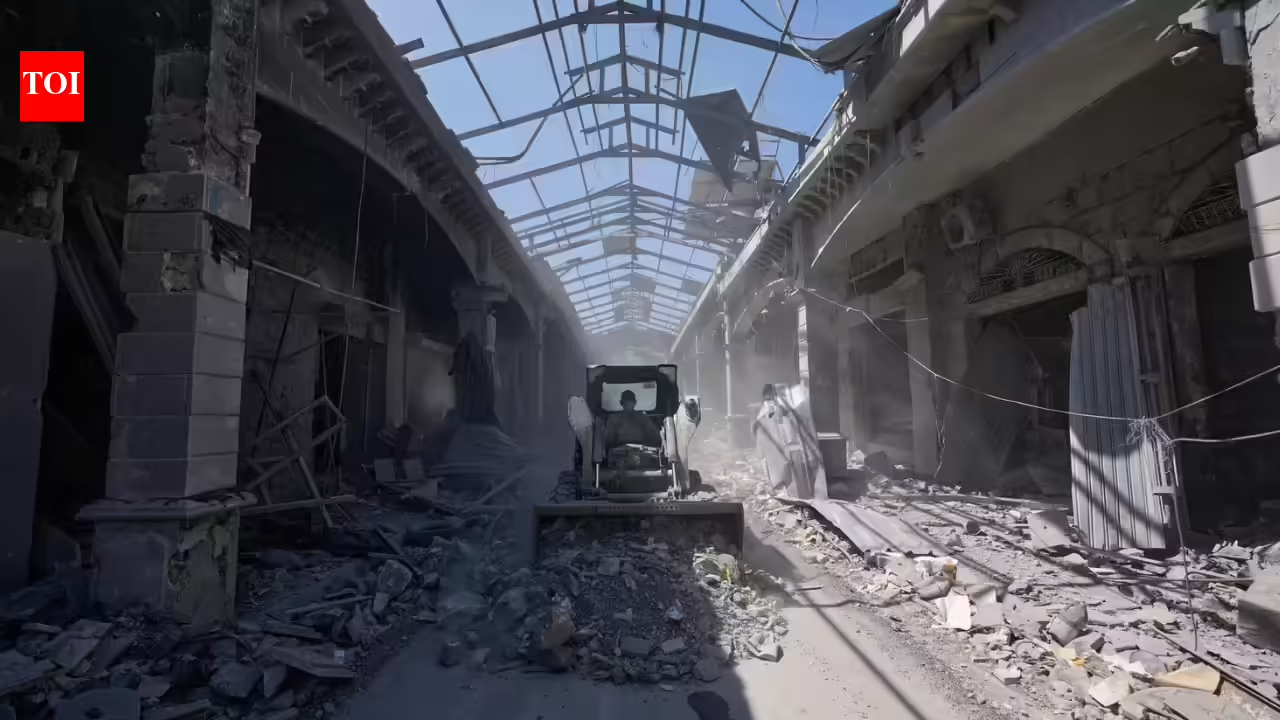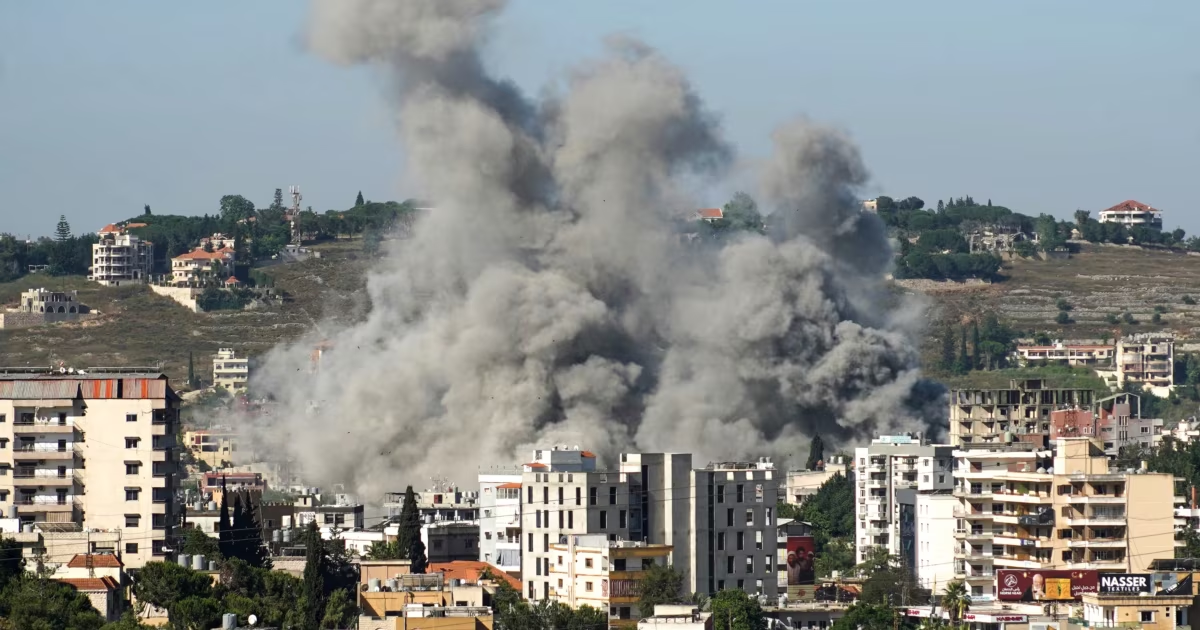
A wave of Israeli strikes that killed dozens of people in southern Lebanon this week has exposed a deepening rift inside Iran's political establishment, with hard-liners demanding that Tehran respond to what they call a blatant violation of the US-Iran memorandum of understanding (MOU).The interim agreement was announced on June 15 after it was signed electronically following talks mediated by Pakistan. It was then signed, remotely, by US President Donald Trump and his Iranian counterpart, Masud Pezeshkian, on June 17.The agreement's first clause calls for an end to the fighting "on all fronts, including Lebanon." Instead, Israeli air strikes killed at least 47 people, including a soldier, according to Lebanese health authorities, while Hezbollah said its fighters killed four Israeli soldiers in clashes near the Ali Taher hill, claiming to have destroyed three tanks.Iran-backed Hezbollah, a militant group and political party that controls much of southern Lebanon, is considered a terrorist organization by the United States, while the European Union has blacklisted its armed wing but not its political branch.Israel retaliated with strikes on the Bekaa Valley, with far-right National Security Minister Itamar Ben Gvir declaring that "all of Lebanon must burn."The violence forced the postponement of a high-level Iran-US meeting in Switzerland on June 19 to begin talks on a permanent deal, and prompted France to publicly urge Washington to "exert all necessary pressure" on Israel to respect the agreement.
Iran Under Pressure To Act As Fighting In Lebanon Continues
Israeli strikes have killed dozens in south Lebanon despite the US-Iran memorandum's first clause calling for an end to the war there. Tehran is facing a rising chorus from hard-liners demanding a response.
TL;DRAI
Iran-USA sign June 17 MOU with Lebanon ceasefire; Israel violates immediately with raids killing 47+ people. Violation escalates Strait of Hormuz closure scenario: semiconductor sourcing concentration on this chokepoint forces IT operations to reassess geographic redundancy and resilience.
753 words~3 min read