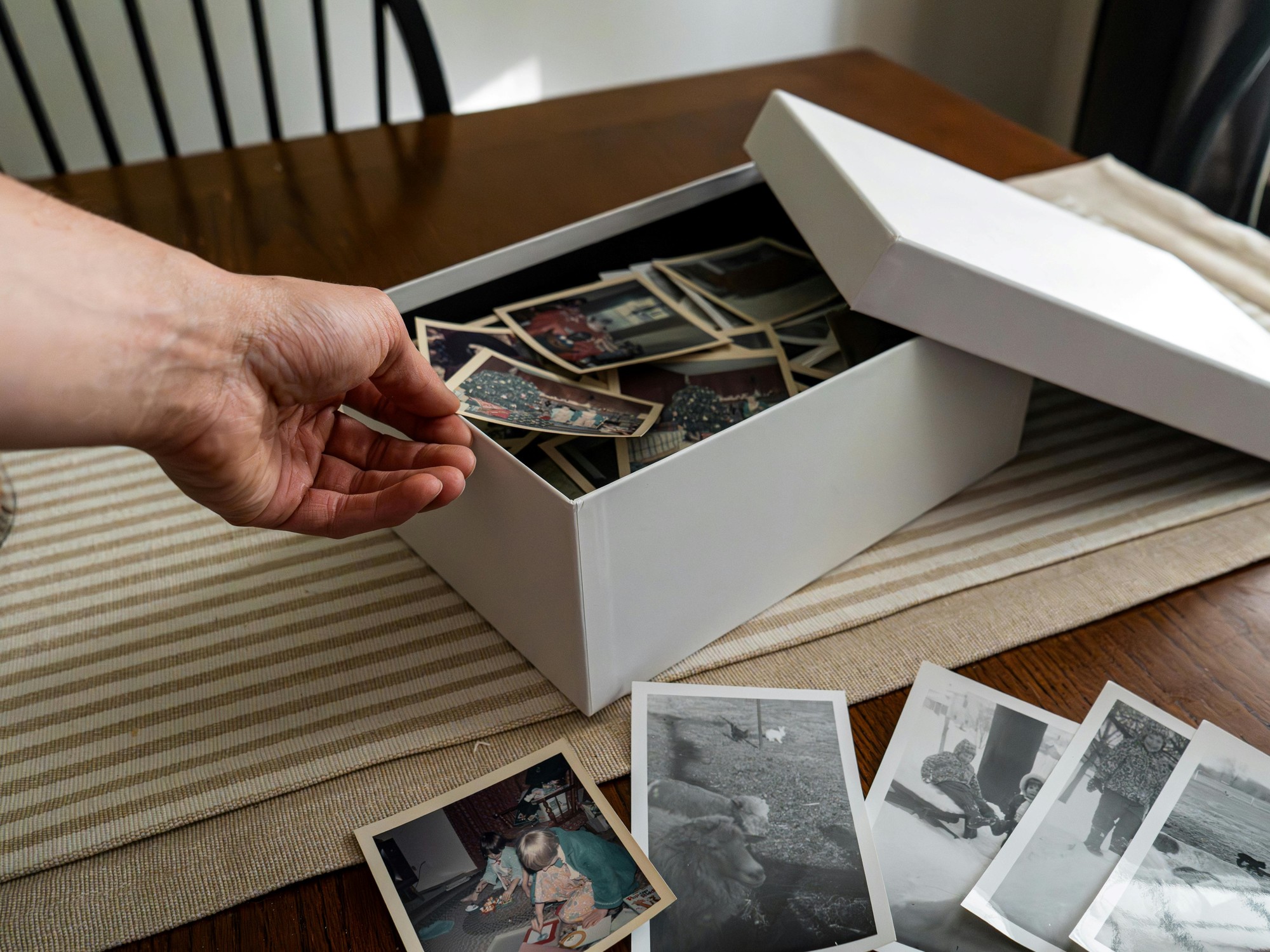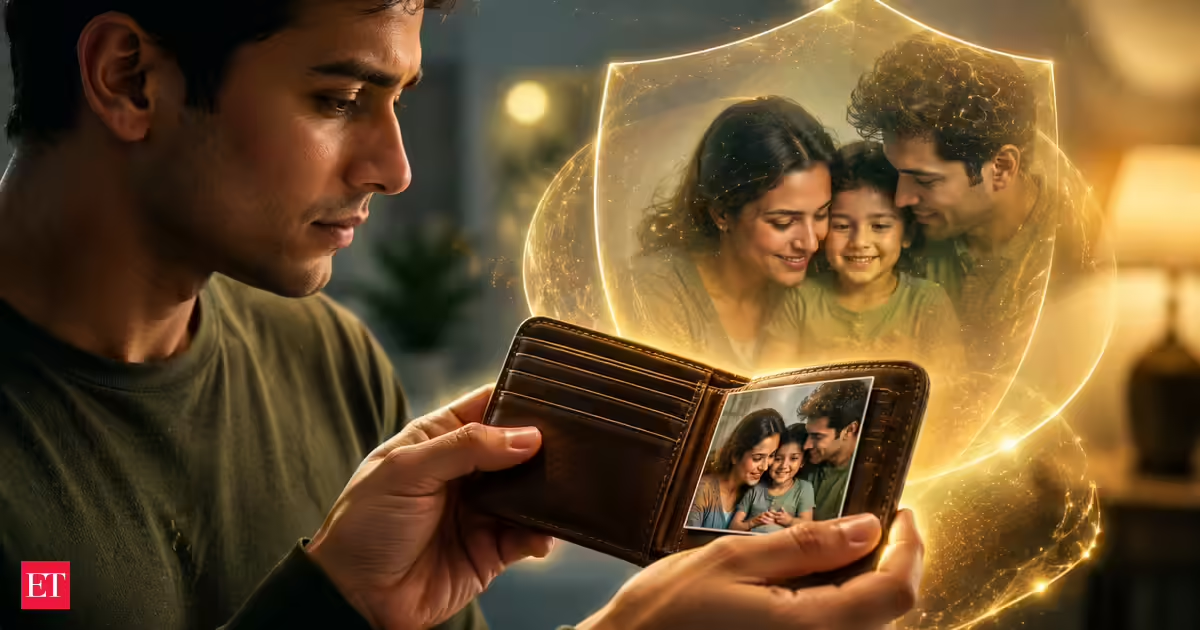
Despite smartphones storing thousands of pictures, millions of adults still do something surprisingly old-fashioned. They keep a physical photo of their wife, husband, partner or children inside their wallet. Some photos are faded. Others have folded corners from years of use. Yet people continue carrying them everywhere. At first glance, it may seem like a simple sentimental habit. But psychology suggests something much deeper is happening. People are rarely carrying a piece of paper. They are carrying an emotional anchor. Several psychological theories help explain why this tiny habit remains so powerful in a digital world.Attachment Theory Explains Why Loved Ones Become Emotional AnchorsOne of the biggest explanations comes from Attachment Theory, developed by John Bowlby and later expanded by Mary Ainsworth. Attachment theory explains that humans naturally form deep emotional bonds with important people in their lives. These relationships become sources of safety and comfort.When people carry a photo of their spouse or children, the brain often interprets that image as a reminder that support exists. The person may not be physically present, but psychologically, the connection remains active. This is one reason why simply seeing a loved one's face can instantly improve mood.Psychology says people who keep a photo of their wife or kids in their wallet aren’t nostalgic, they are creating an emotional safety net The Brain Uses Objects As Emotional ExtensionsAnother explanation comes from a concept called extended cognition. Psychologists and cognitive scientists have explored how humans use external objects to support internal emotions and memories. A wallet photo becomes more than an object. It transforms into an extension of emotional identity.The brain finds comfort in visible reminders of purpose. Modern example: Even in the smartphone era, many people still place family pictures on office desks, laptop wallpapers and lock screens. The need itself has not changed. Only the medium has.You Might Also Like:Symbolic Security Helps People Manage StressHumans naturally seek security. Psychologists call this symbolic security, where certain objects provide emotional reassurance. Research from University of Oxford has explored how meaningful objects can influence emotional well-being and strengthen feelings of connectedness. The object itself is not magical. The meaning attached to it is what matters. For many adults, family photos become tiny portable safe spaces. This becomes especially important during stressful moments. People may unconsciously look at these pictures before:Important meetingsLong workdaysBusiness tripsDifficult decisionsChallenging life eventsThe image acts as a reminder of stability.The Brain Loves Purpose More Than People RealizePsychologists have repeatedly found that having a strong sense of purpose benefits emotional well-being. Loved ones often become that purpose. Keeping their photos nearby reinforces motivation.Modern example: Many athletes, entrepreneurs and public figures have spoken about keeping family photos close during demanding periods because it reminds them why they work so hard. The brain responds strongly to meaningful goals. Sometimes one glance at a child's photo can instantly shift someone's perspective after a stressful day.You Might Also Like:Nostalgia Is Actually Good For Mental HealthAnother explanation involves nostalgia. For years, nostalgia was misunderstood as simply dwelling on the past. Today, psychologists recognize it differently.Research from University of Southampton has shown that nostalgia can increase optimism, strengthen social bonds and improve emotional resilience. A wallet photo often triggers these feelings.The image may remind people of:Family vacationsImportant milestonesShared memoriesLife achievementsThese memories create emotional warmth. The brain interprets them as resources during stressful moments.Physical Objects Still Feel More Personal Than Digital OnesThis may explain why the habit continues despite technology. Digital photos are abundant. Physical photos are intentional. People rarely print thousands of images. The few they choose often hold enormous emotional value.Psychologists sometimes connect this to the Endowment Effect, a concept introduced by Richard Thaler. Humans assign greater value to things they physically own and carry. The wallet photo becomes unique. Replacing it would not feel the same. Its age, folds and imperfections become part of its emotional story.Why This Habit Is Really About Human ConnectionAt its core, this behavior is not about photographs. It is about belonging. Humans are social creatures. Our brains function better when we feel connected to the people who matter most. A physical image serves as a shortcut to those emotions.Of course, not everyone who loves their family carries photos in their wallet. And not everyone who carries a photo is highly sentimental. Psychology rarely works in absolutes. But for many adults, this tiny habit is a quiet daily reminder that they are not navigating life alone.Sometimes, the most powerful source of comfort is not an app or a device. It is a small photograph that says, "This is home."FAQsWhy do some people still keep family photos in their wallets?Psychology suggests these photos act as emotional anchors that provide comfort, connection and a sense of purpose.Is carrying a photo of loved ones a sign of emotional attachment?Yes. It can reflect healthy attachment and a desire to stay psychologically connected to important relationships.
Psychology says people who keep a photo of their wife or kids in their wallet aren’t nostalgic, they are creating an emotional safety net
Psychologists have consistently found that having a strong sense of purpose supports emotional well-being. For many people, loved ones become a central source of that purpose. Keeping their photos close by can serve as a meaningful reminder of connection, motivation, and what matters most in their lives.
808 words~4 min read