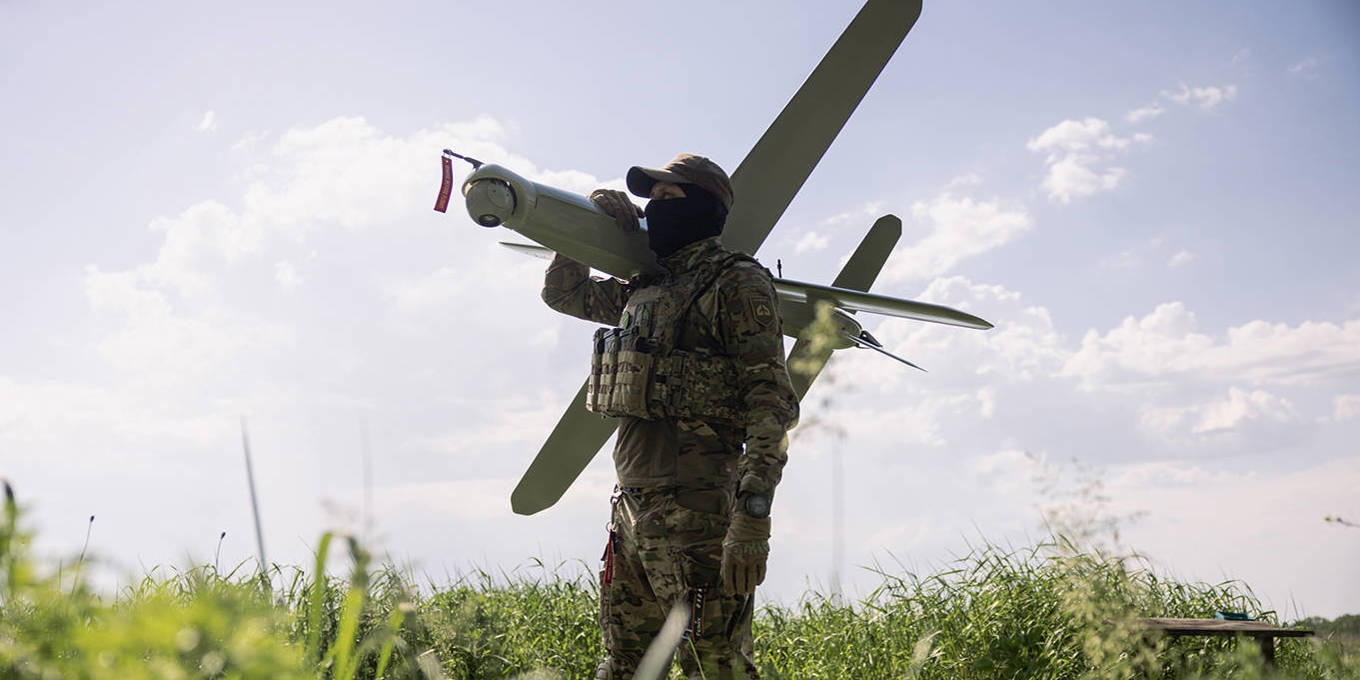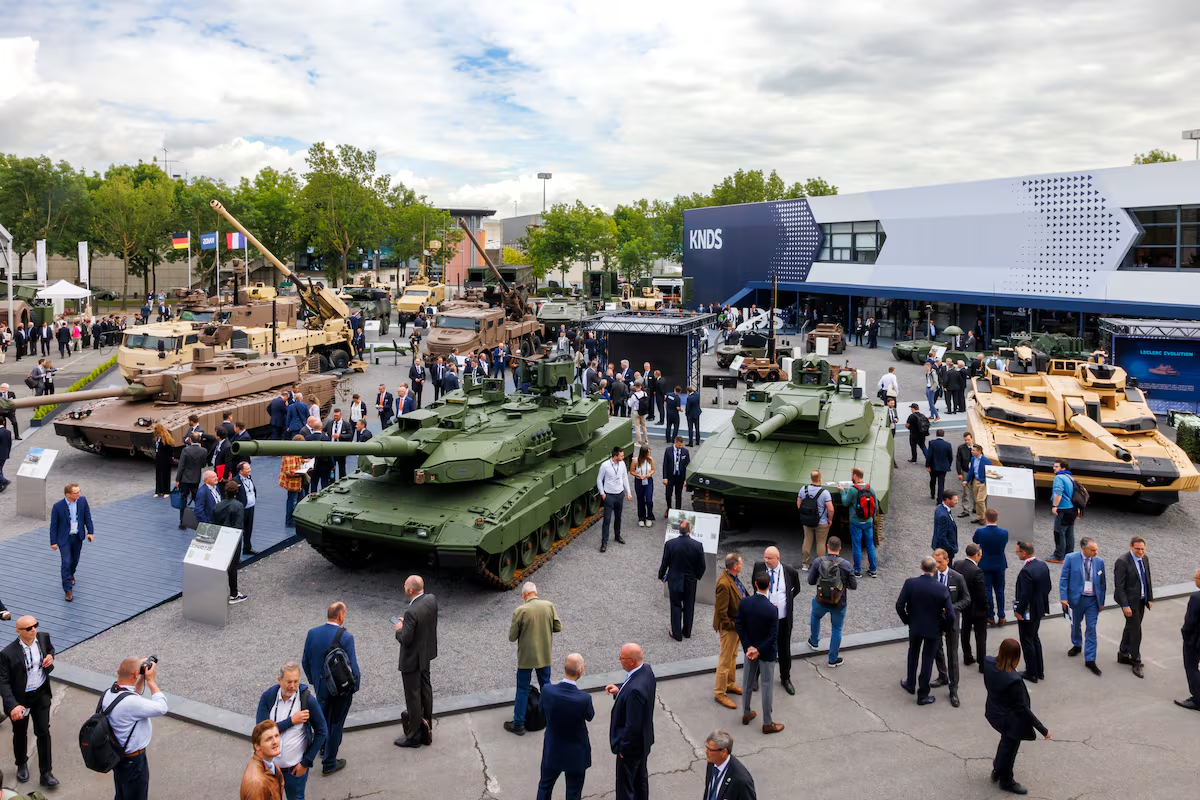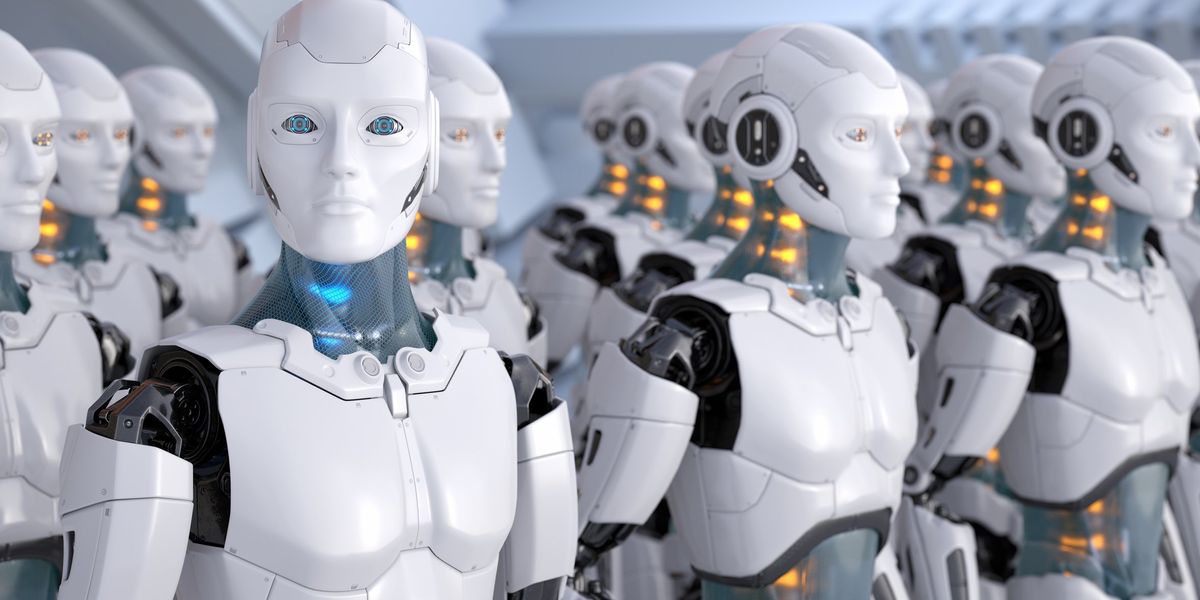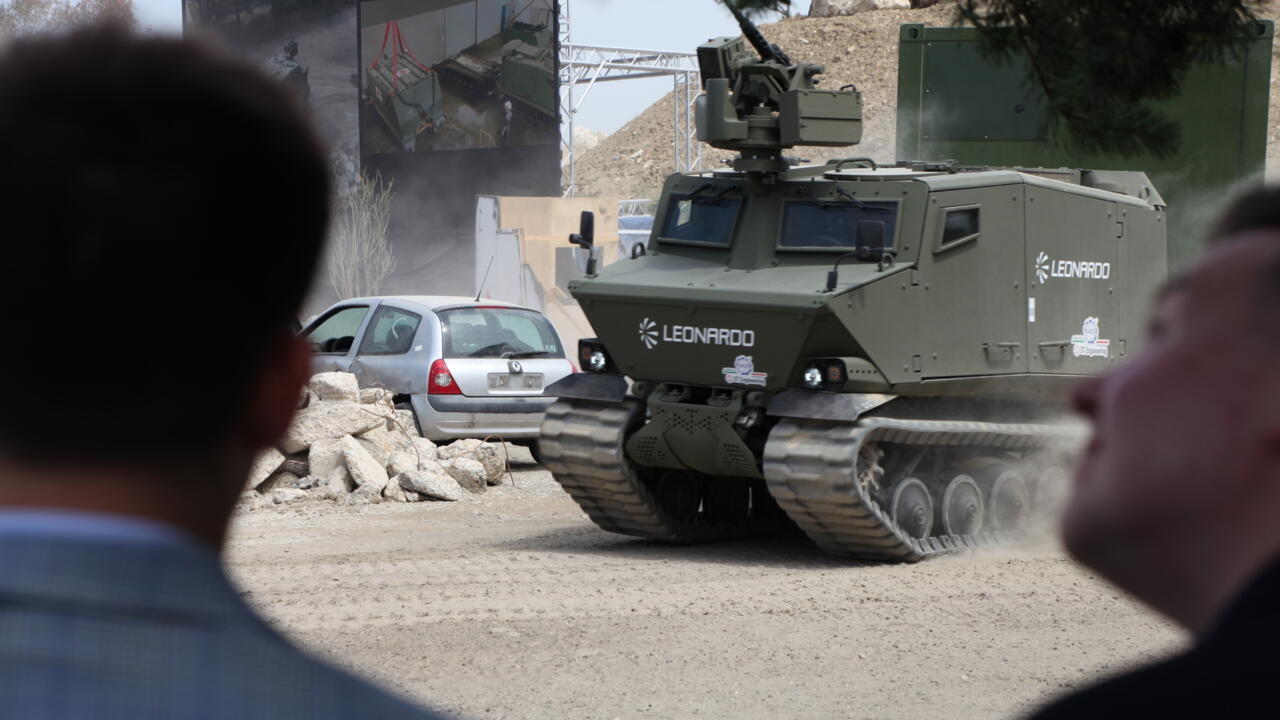
At the world's biggest arms fair in Paris this week, the future of warfare was laid out in the form of drones, robotics and artificial intelligence.
Issued on: 20/06/2026 - 10:55
4 min Reading time
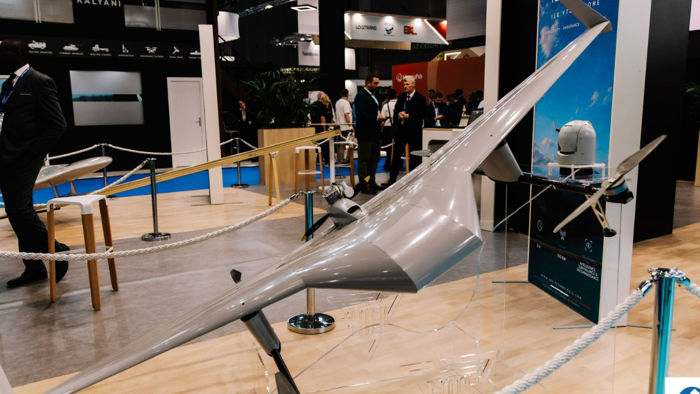
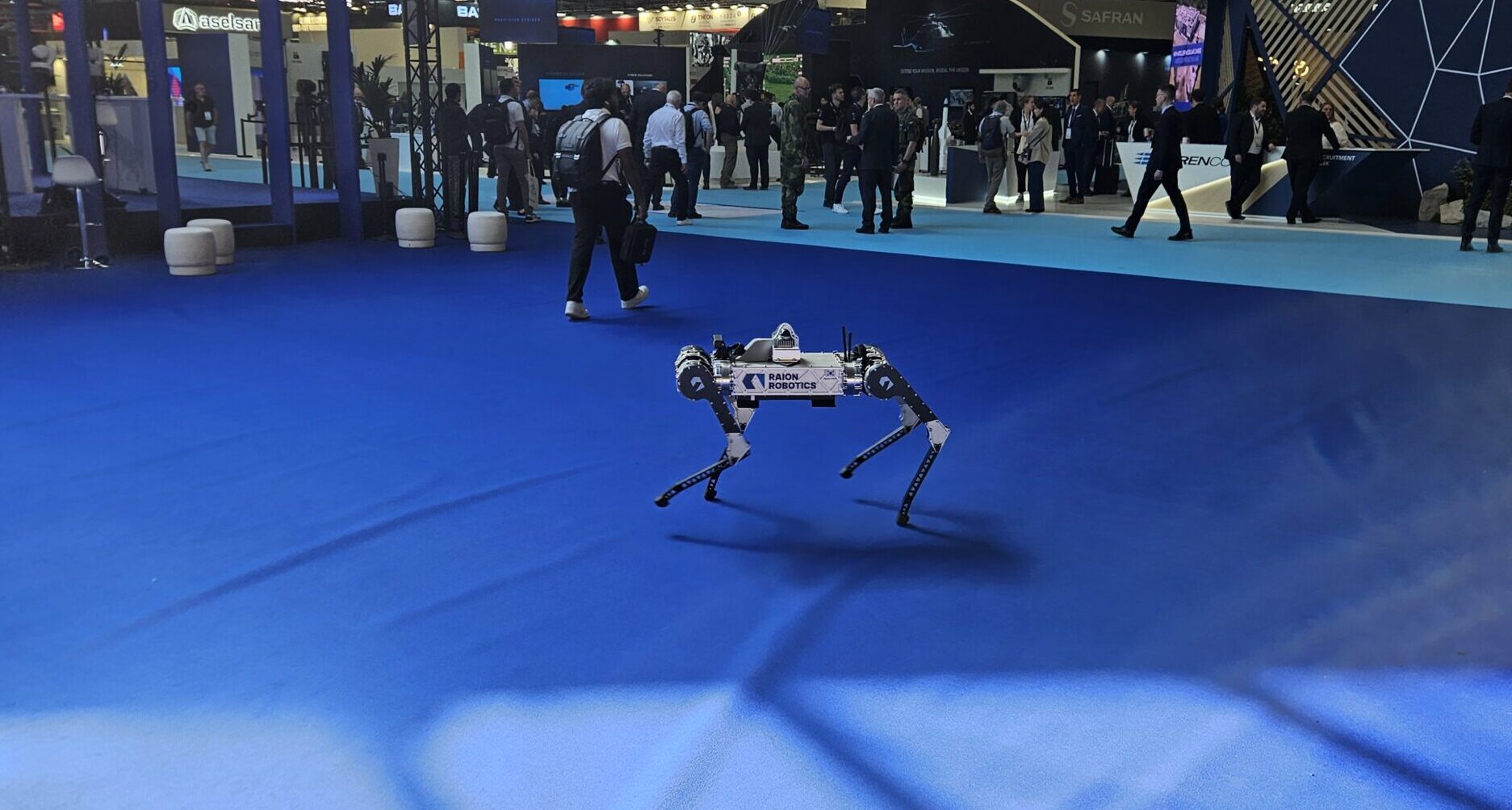
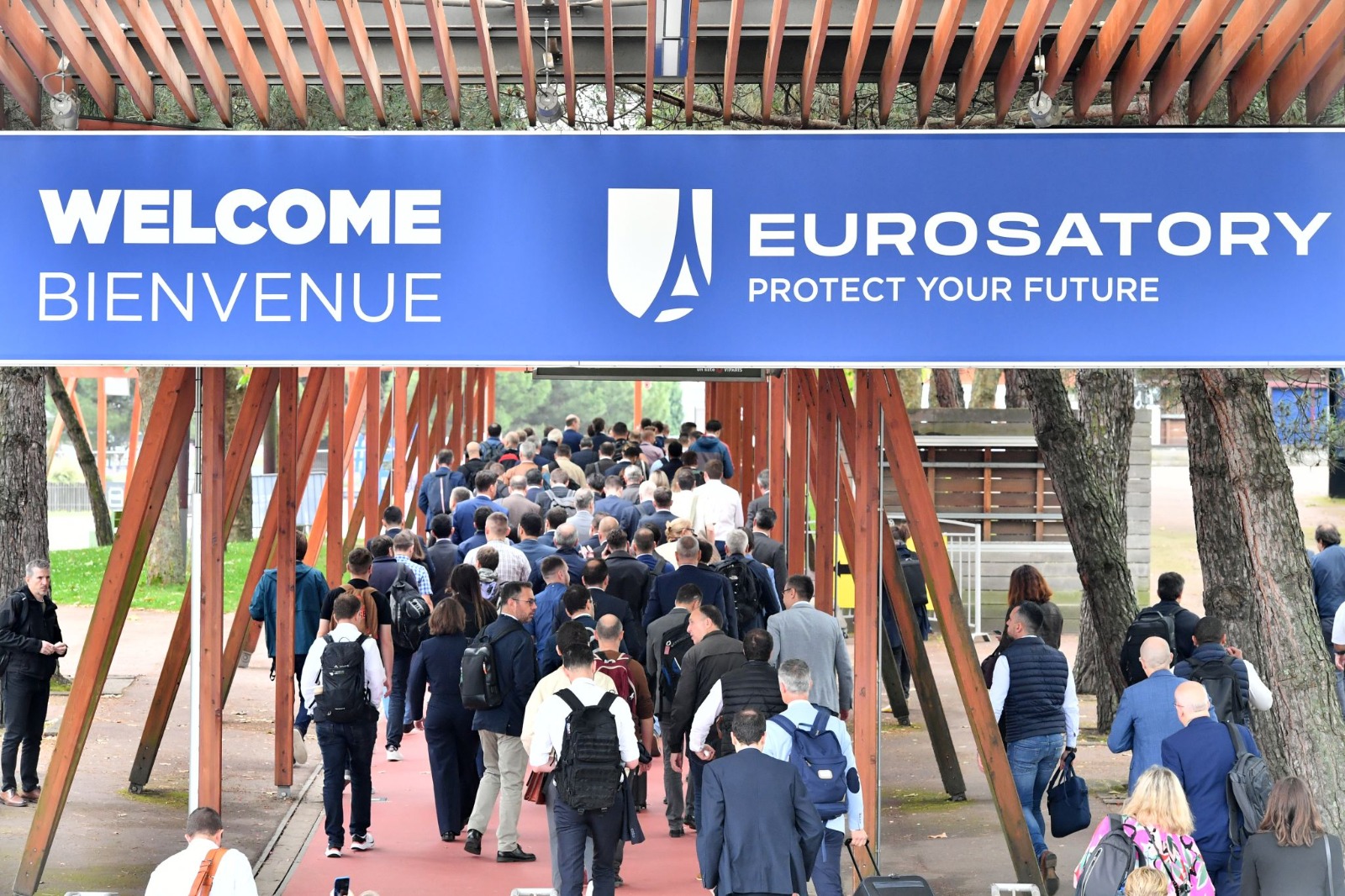
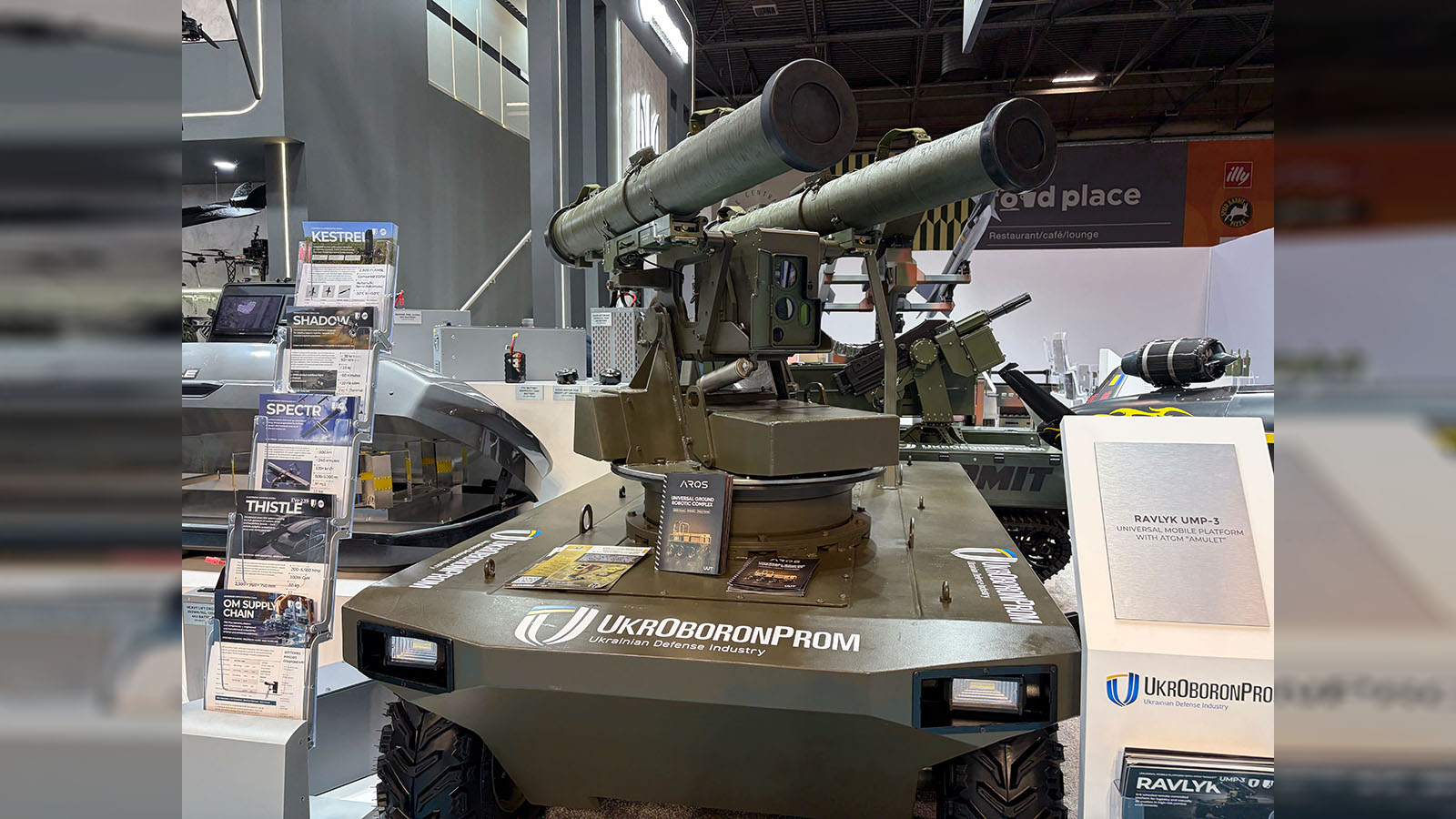
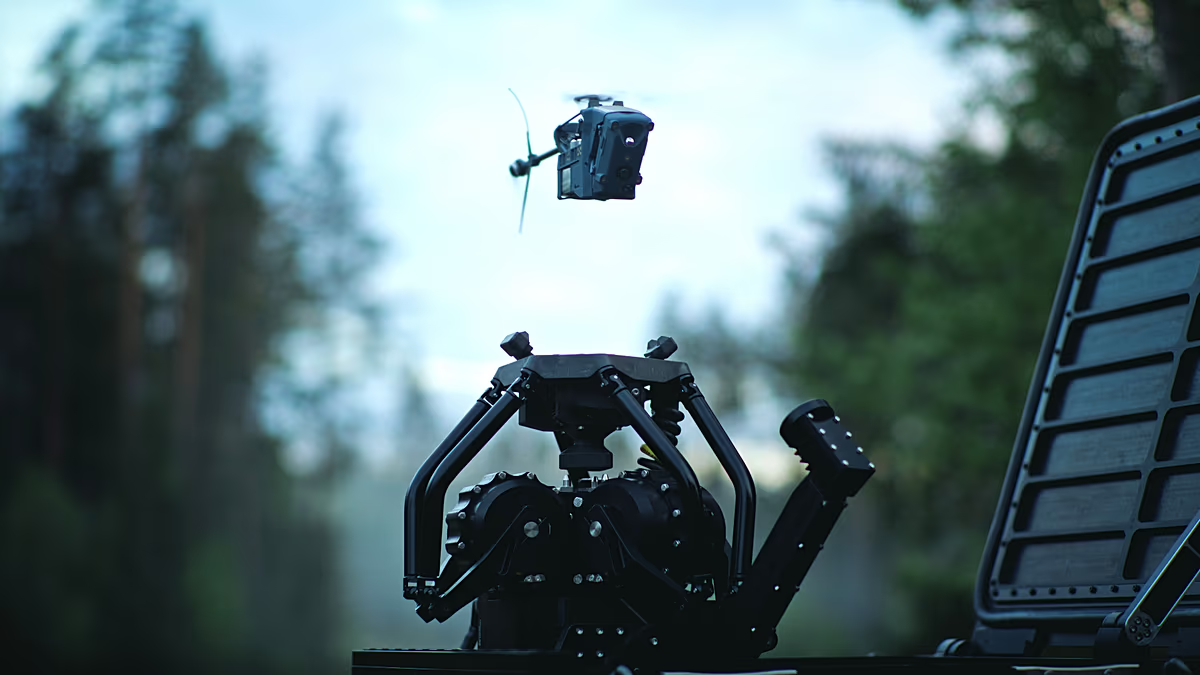
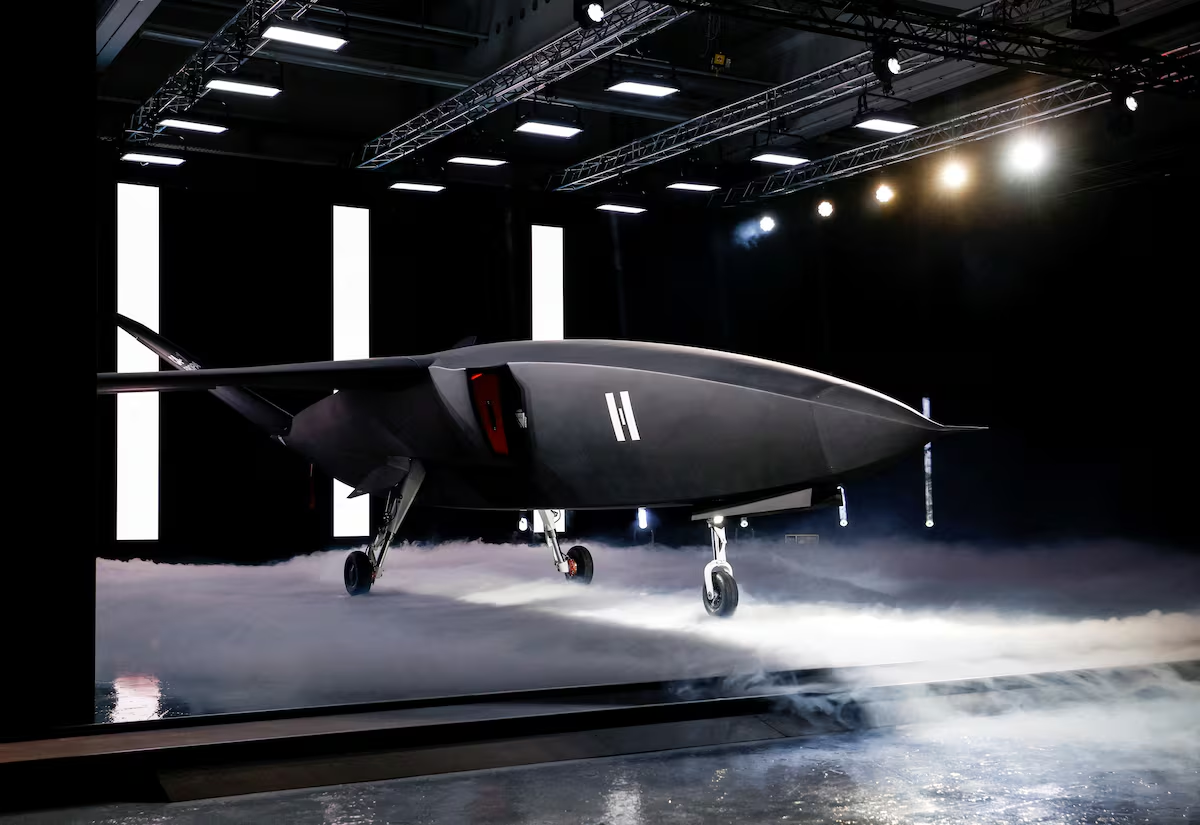
Organisers of the Eurosatory defence show said the 2026 edition, which took place from 15 to 19 June, showcased the rise of drones and the integration of artificial intelligence into military equipment. Exhibits included tethered surveillance drones, teams of AI-powered robots designed to carry out missions in dangerous terrain without the need for human operators, and unmanned ground vehicles already being used in the war in Ukraine.
The defence industry is poised to benefit from a European rearmament drive, after US President Donald Trump pushed Europe to up its spending and NATO members agreed to invest 5 percent of GDP in defence by 2035. Europe's arms imports in 2021-2025 increased by 210 percent compared to 2016-2020, according to the Stockholm International Peace Research Institute (Sipri), which tracks the global arms trade. Many have gone to Ukraine, which imports more major arms than any other country in the world. The United States is by far the world's largest arms supplier, providing 42 percent of all exports in 2025. France follows in second place with 9.8 percent, with its exports climbing by 21 percent between 2016-20 and 2021-25. France remains world's second largest arms exporter behind US Anti-war protests The push to rearm has drawn opposition from anti-war activists. French campaign group Guerre à la Guerre (War on War) organised several days of protests against the Eurosatory fair, which it described as a “global supermarket of war and control”. On opening day, pro-Palestinian demonstrators blocked access roads to the exhibition in Villepinte, north of Paris, calling for an end to arms shipments to Israel. France restricted Israeli participation in the fair, banning the display of Israeli-made offensive weapons and limiting exhibitors to air defences and anti-ballistic missile systems.