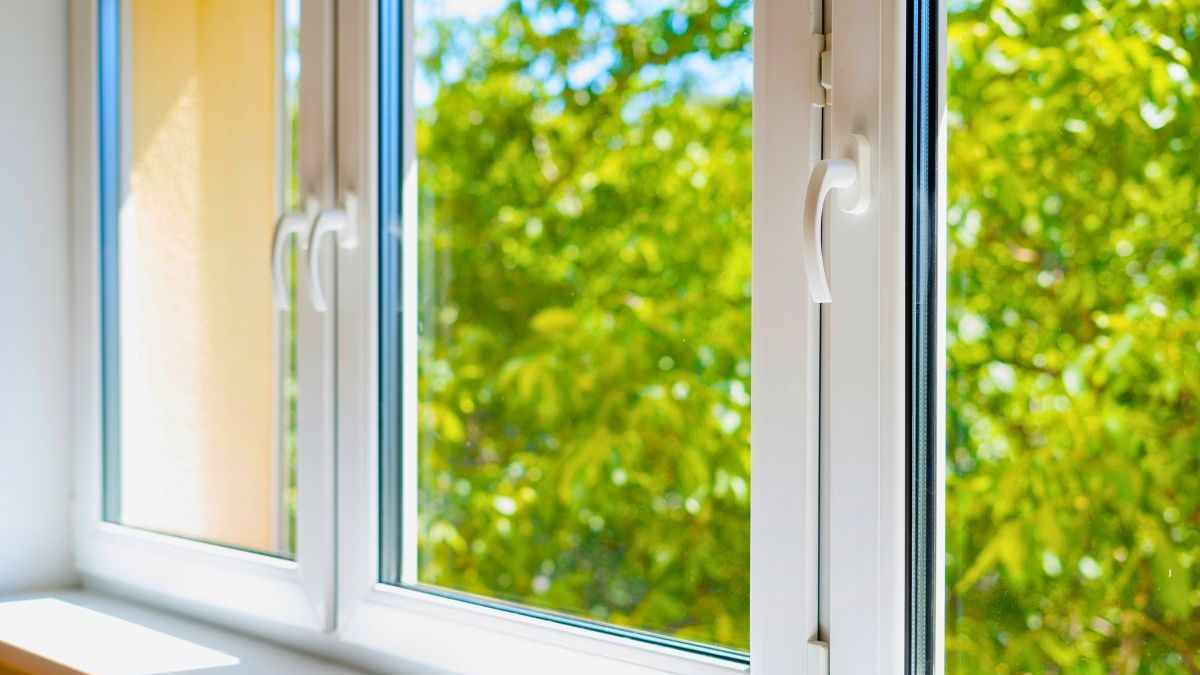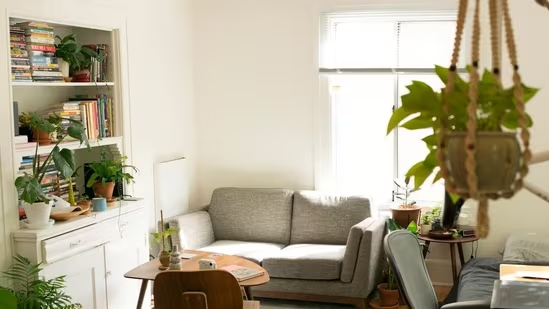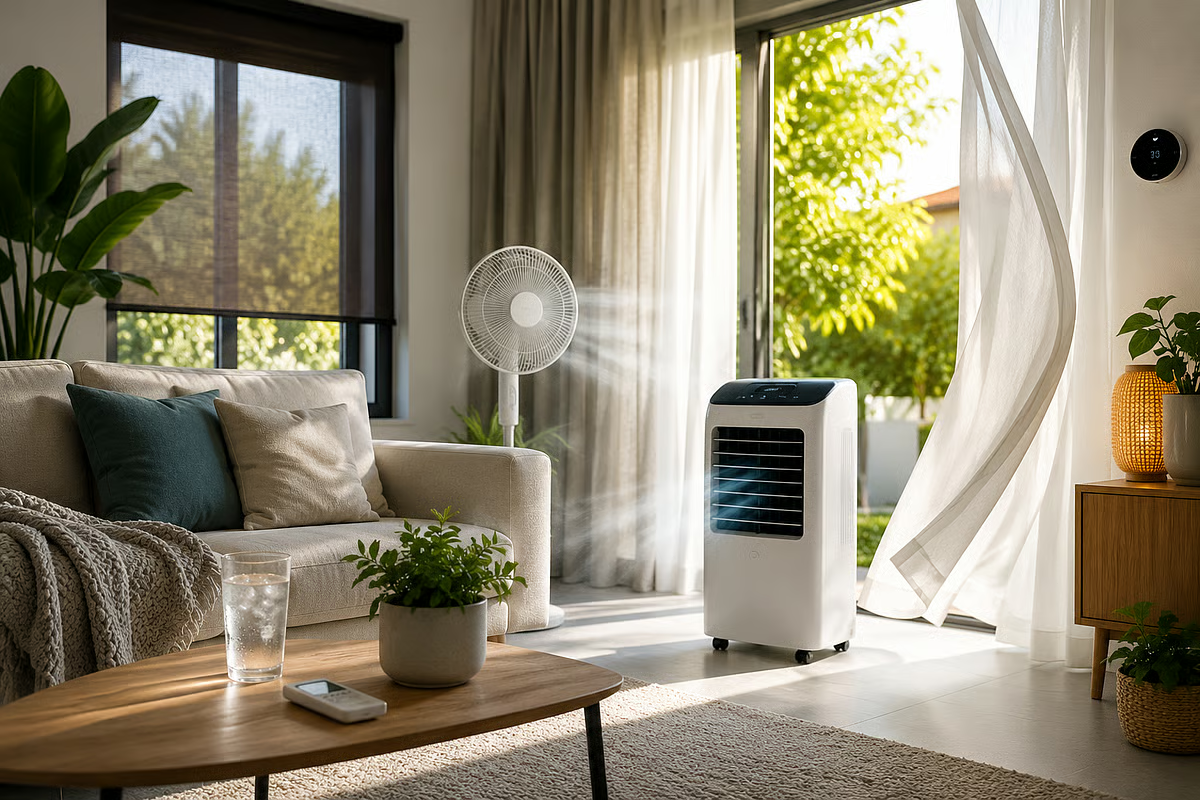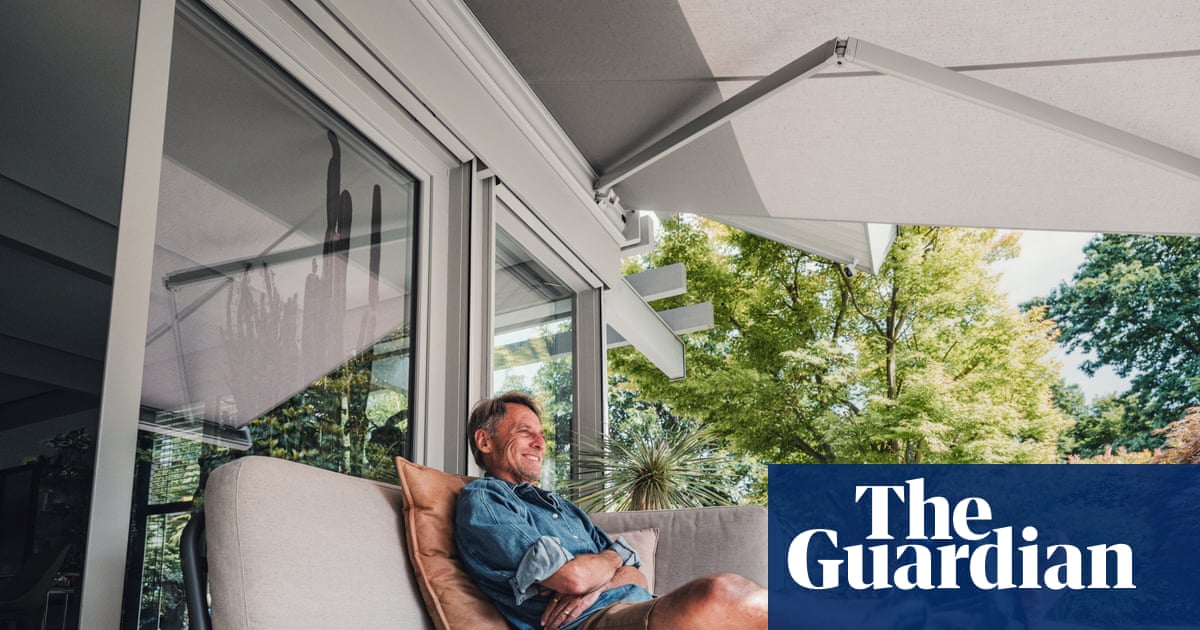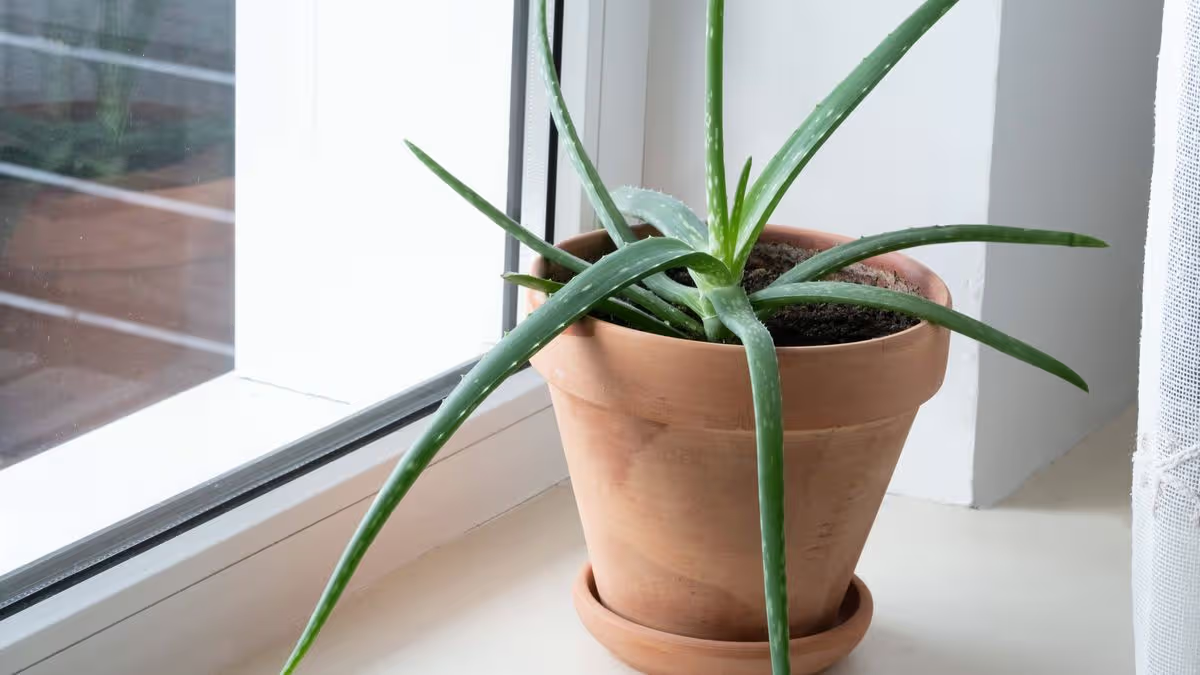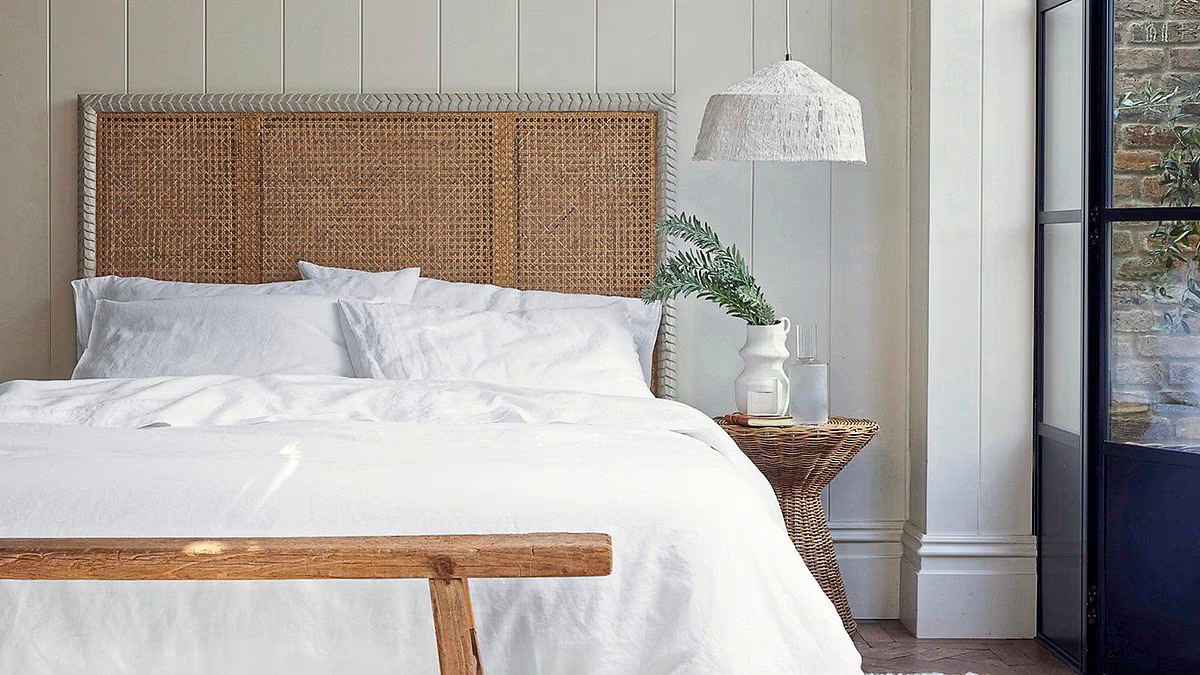
Paint your way to a cooler homeDaily Mail journalists select and curate the products that feature on our site. If you make a purchase via links on this page we will earn commission - learn moreNot only can certain colours trick the eye into making you feel cooler and more comfortable, they can actually lower the temperature in a room. ‘Light-reflective colours such as soft whites and putty pinks can make a room feel noticeably fresher,’ says Anna Hill, brand director and colour consultant at Fenwick & Tilbrook. ‘Darker shades such as navy, chocolate and charcoal absorb more heat and can make a space feel warmer and more enclosed.’The effect is particularly noticeable in south-facing rooms, where sunlight streams in for much of the day. Hill also recommends painting ceilings in a crisp white to make a room feel airier. Paint rooms in sun-reflecting shades, such as off-white and mineral blue, to help reduce the feeling and perception of heat within a room. Paint shades by sherwin-williams.co.uk.Not a fan of all-white interiors? Cool-toned colours offer a stylish middle ground. Opt for shades inspired by water and nature, such as muted blues, soft sages and gentle sea greens. ‘These colours create a visual sense of calm and can help reduce the perception of heat,’ says Hill.And here’s a surprise: yellow isn’t the enemy. While it’s often associated with sunshine and warmth, soft yellows and chalky lemon shades reflect significant amounts of light and infrared heat, creating a space that feels bright and uplifting without the visual heaviness of darker pigments. Try Mylands’ Butter shade.Window winsBlackout and thermal curtains or shutters are your first lines of defence against the sun. More than just a sleep aid, they create an insulating barrier that stops solar heat and keeps rooms noticeably cooler. ‘Blackout curtains make a big difference during the summer months by blocking direct sunlight and UV exposure, which keeps interiors temperatures low – especially in bedrooms and west-facing rooms that receive intense afternoon sun,’ says Ray Chen, founder and CEO of custom curtain company TwoPages. ‘I recommend installing curtains higher and wider than the window frame to minimise light gaps. Layer sheer curtains with blackout drapes if you want flexibility between natural light and heat protection during the day.’ Want a modern alternative to blackout blinds or thermal curtains? Opt for folding wooden shutters. Try hillarys.co.ukNot ready for a permanent curtain overhaul? Portable blackout blinds offer a fuss- free alternative. Easy to install, remove and trim to size, the version from Amicably (amazon.co.uk, £13.99 for 300cm x 145cm) can be packed away when not needed.If daytime darkness isn’t your thing, opt for light-filtering shutters or folding wooden shutters (pictured on previous page). They will reduce harsh sunlight while still allowing daylight in.Don’t forget the outside of your windows, either. External shading is one of the most effective ways to prevent overheating because it stops the sun’s rays from hitting the glass in the first place. A retractable awning, such as the Dakota Patio Awning (£213, wayfair.co.uk), will create instant shade and significantly reduce heat build-up indoors.And finally, ditch the all-day open-window habit. During a heatwave you are letting hot air in rather than cooling your home down. Instead, open windows early in the morning and again late in the evening when temperatures are lower. Simple switch, big difference.Sleep easy Piglet In Bed Linen Rich Duvet Cover Moisture-wicking bedding materials such as linen and bamboo will keep you sleeping soundly. Pair with natural materials that are cool to the touch such as wood, jute and marble. Summer is the time to upgrade your sleep setup. Cooling technology is one of the fastest-growing trends in the bedding world, with everything from temperature-regulating mattresses to clever materials designed to keep night-time overheating at bay.Unlike traditional bedding, which traps heat and moisture, these products are engineered to boost airflow and actively draw warmth away from the body.Start with your pillow. Because we release most of our body heat through our head and neck, a cooling pillow will make an immediate difference. Dreams.co.uk sells a memory foam Ice Pillow (£80) infused with ActiCool and ActiGel technology, which stays cool to the touch while encouraging airflow throughout the night.Next, consider a cooling mattress topper. Gel-infused foam helps dissipate heat and prevents the uncomfortable warmth that builds beneath you while you sleep. Marks & Spencer’s Body Temperature Control topper (£80 for a double) is designed to retain warmth when the room is cool and release excess heat when temperatures rise.For the ultimate sleep upgrade, try the Pod 5 by eightsleep.com. Dubbed ‘climate control for your bed’, the smart-tech cover fits over your existing mattress and uses a network of water channels to cool or heat each side independently – perfect for couples who can’t agree on the thermostat. It also tracks sleep patterns and automatically adjusts throughout the night, meaning there’s nothing to tweak once it’s set up.YOU’s deputy editor, Lindsay Frankel, tested it out: ‘It feels gently cool rather than a blast of freezing air all over your body. And I love that it will also warm the bed during winter. The only downside is that I found the sleep stats slightly addictive!’Prices start from £2,399 for a double, with a 30-night trial and full refund available for those who fail to fall in love with it.Don’t forget the bedsheets; fabrics such as bamboo and eucalyptus-derived lyocell and moisture-wicking performance fibres can make a big difference when temperatures climb. Bedsurehome.com offers a wide range of cooling options.Join the fan clubSpoiler alert: fans don’t actually cool a room, they simply move existing air around. That doesn’t mean they are useless – you just need to choose wisely.Look for models with integrated misting systems, such as the cordless Shark FlexBreeze Pro Mist (£249.99, sharkninja.co.uk), which releases ultra-fine water droplets that evaporate into the air and create a cooling effect. Or fans that can be directly inserted into ceiling light sockets. The Hoxfly LED reversible ceiling fan (£18.99, amazon.co.uk) twists into a standard E27 light socket to provide an overhead fan without the stress and cost of hardwiring. The compatible lightbulb base means it can also be used as a light.Already have a ceiling fan? Check which direction it’s spinning. During summer, running it counter-clockwise helps pull rising hot air away from the room and creates a cooling breeze below. Most models have a small switch that allows you to change direction.Another surprisingly effective trick is to position a fan facing out of an open window during the evening. Rather than drawing air in, it pushes the day’s trapped heat outside, helping your home cool down faster.5 chilled-out DIY tricks★ Switch off things like lamps, TVs and chargers, all of which give out heat. Unplug anything that is not in use.★ Place a damp bedsheet over the doorway to your room and position a fan directly behind it. The cool air generated from the damp sheet will be blown into the room.★ Position air-cooling plants such as aloe vera and ferns around the house. Large-leaf varieties are great for increasing humidity and improving air flow. And don’t forget they get hot too – so remember to mist them.★ Move furniture around – specifically away from the walls. Pulling pieces forward, even slightly, allows cooler air from lower in the room to circulate upward and around the space more naturally.★ Place a tray of ice and some water in front of an electric floor fan to blow cold air into the room.
Home hacks to beat the heat
With temperatures set to hit the highs more regularly, these affordable tips will keep your interiors feeling fresh - no air-con required, says Nicole Gray
1,250 words~6 min read