Image by Rafael Rendon via Pexels
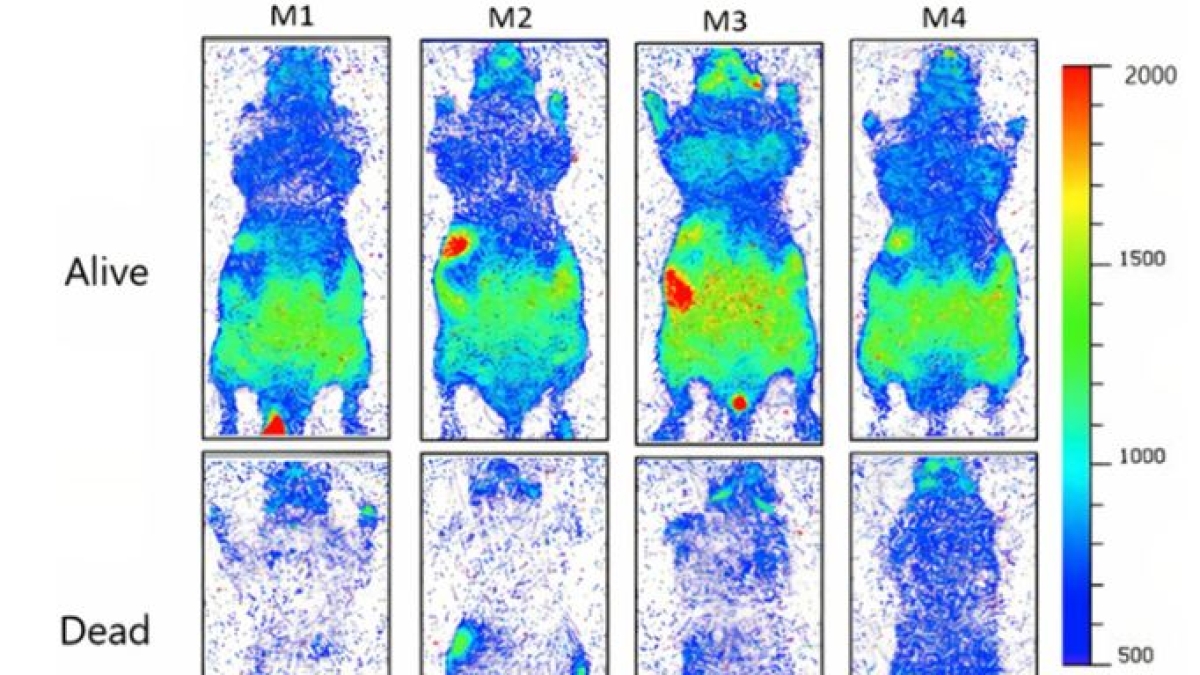
A study by researchers at the University of Calgary has found that living organisms produce an extremely faint light known as ultraweak photon emission, and that this glow appears to drop significantly after death. The research was published in the Journal of Physical Chemistry in April 2025 and quickly drew widespread attention, leading to more than 200 news stories about the findings.
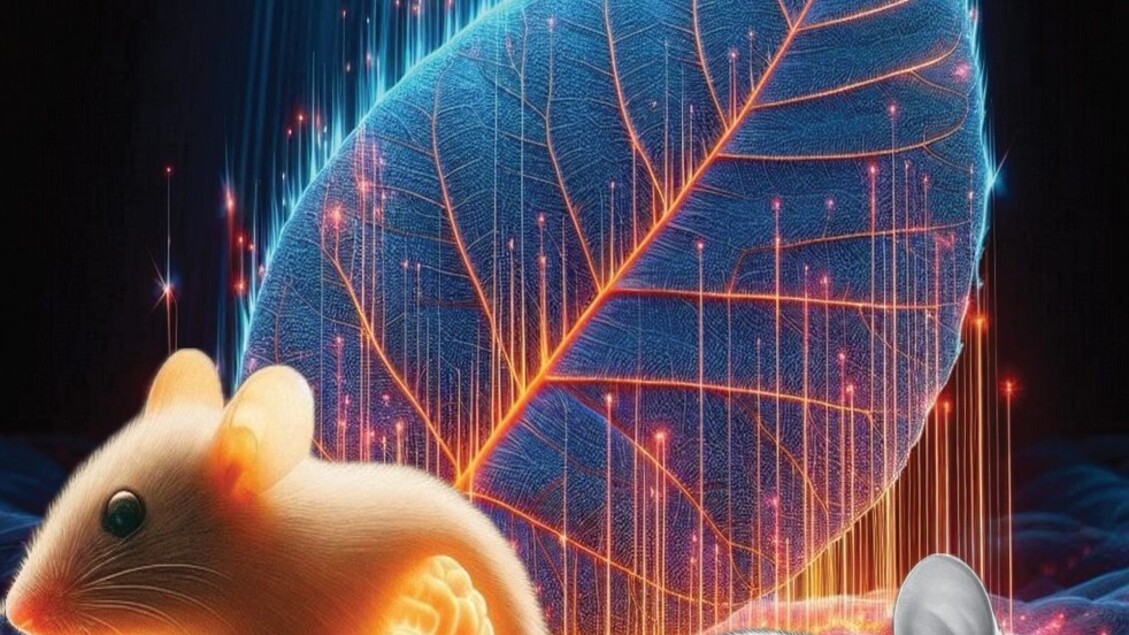
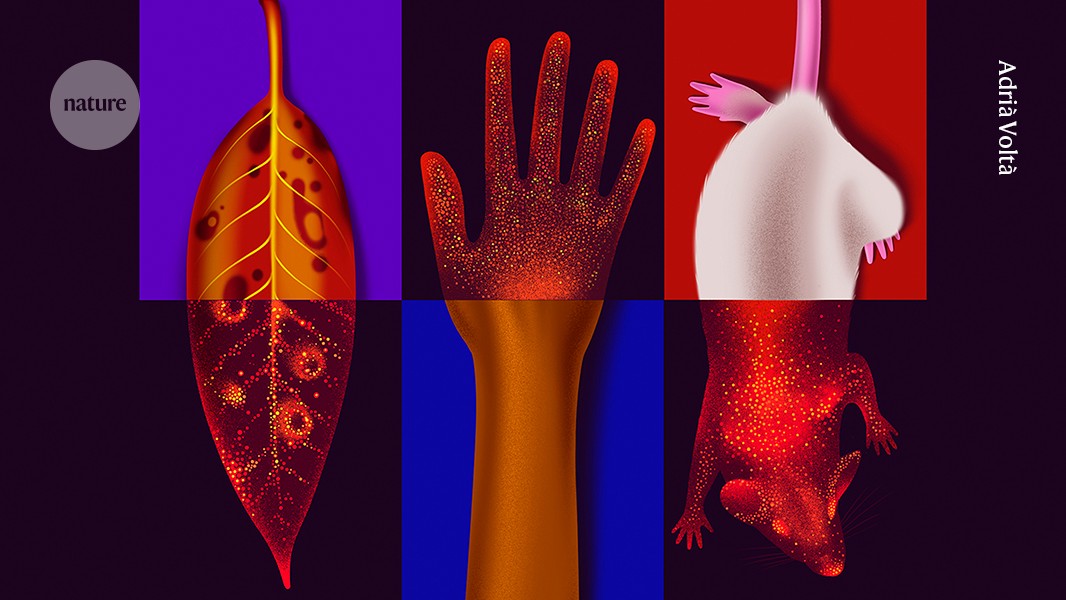
Ultraweak photon emission (or UPE), sometimes called biophoton emission, refers to tiny amounts of light released by living cells as a result of normal biological activity. A photon is the basic particle of light, and researchers say every living system examined so far, including plants and animals, has been found to emit these photons. The glow is far too faint to be seen by the human eye.
“I suppose it has a little to do with people being reminded of auras,” says Dr. Christoph Simon, PhD, one of the authors of the study and a professor in the Department of Physics and Astronomy in the Faculty of Science. “It is a fact that living beings glow. It’s a very weak glow, but it’s there and visible with very sensitive cameras.”
According to the study, the light involved is extremely weak, ranging from 10 to 1,000 photons per square centimetre per second across a spectral range of 200 to 1,000 nanometres. For comparison, a nanometre is one-billionth of a metre and is commonly used to measure wavelengths of light. Detecting emissions at such low levels requires highly specialized equipment.