How Evian Managed to Forge Unity Amid Differences and Bring Trump Back Into the Fold of Support for Ukraine
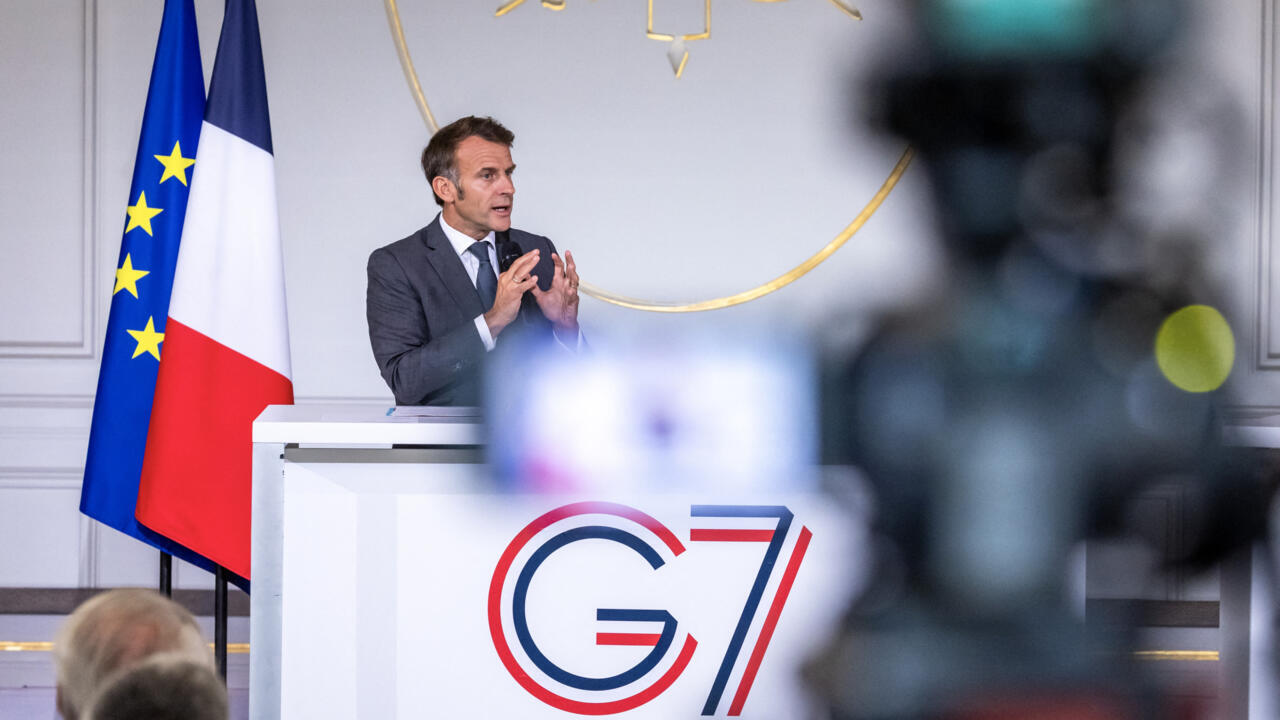
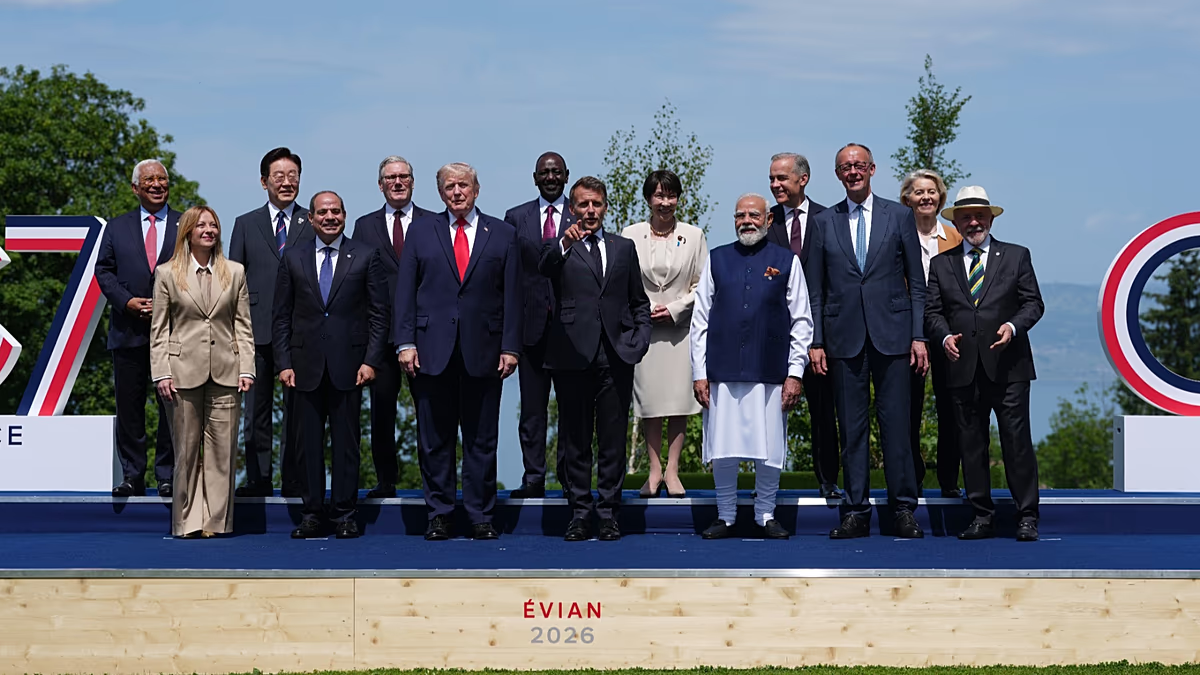
The G7 summit at Evian had all the makings of yet another gathering where world leaders would once again reaffirm their unwavering support for Ukraine while struggling to conceal a less encouraging reality: a fatigued and increasingly divided West, alongside a United States that appeared reluctant to stand in the way of Putin’s determination to continue the war.
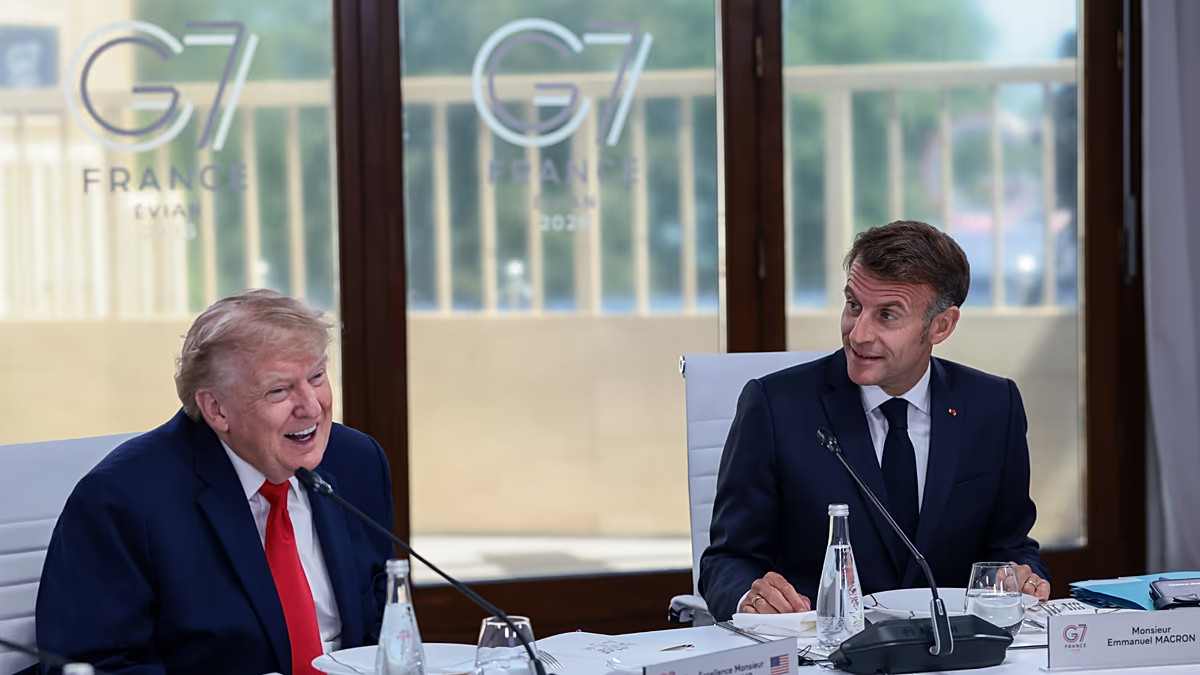
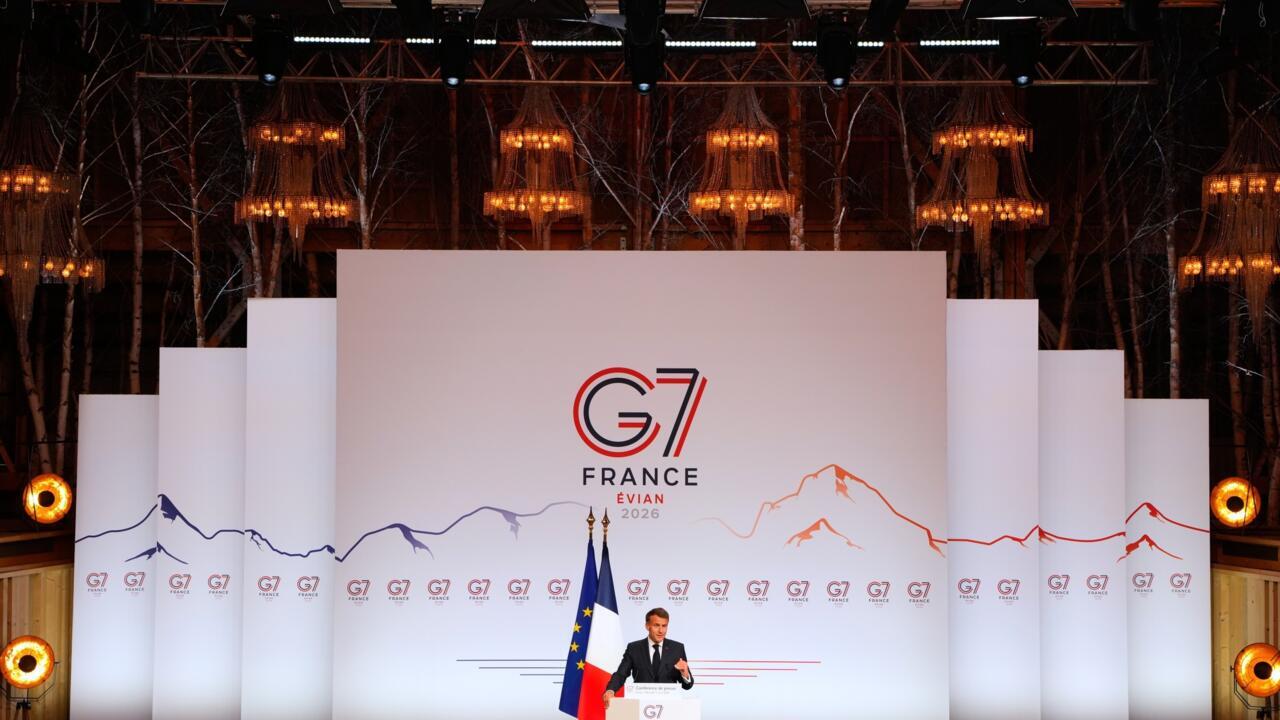
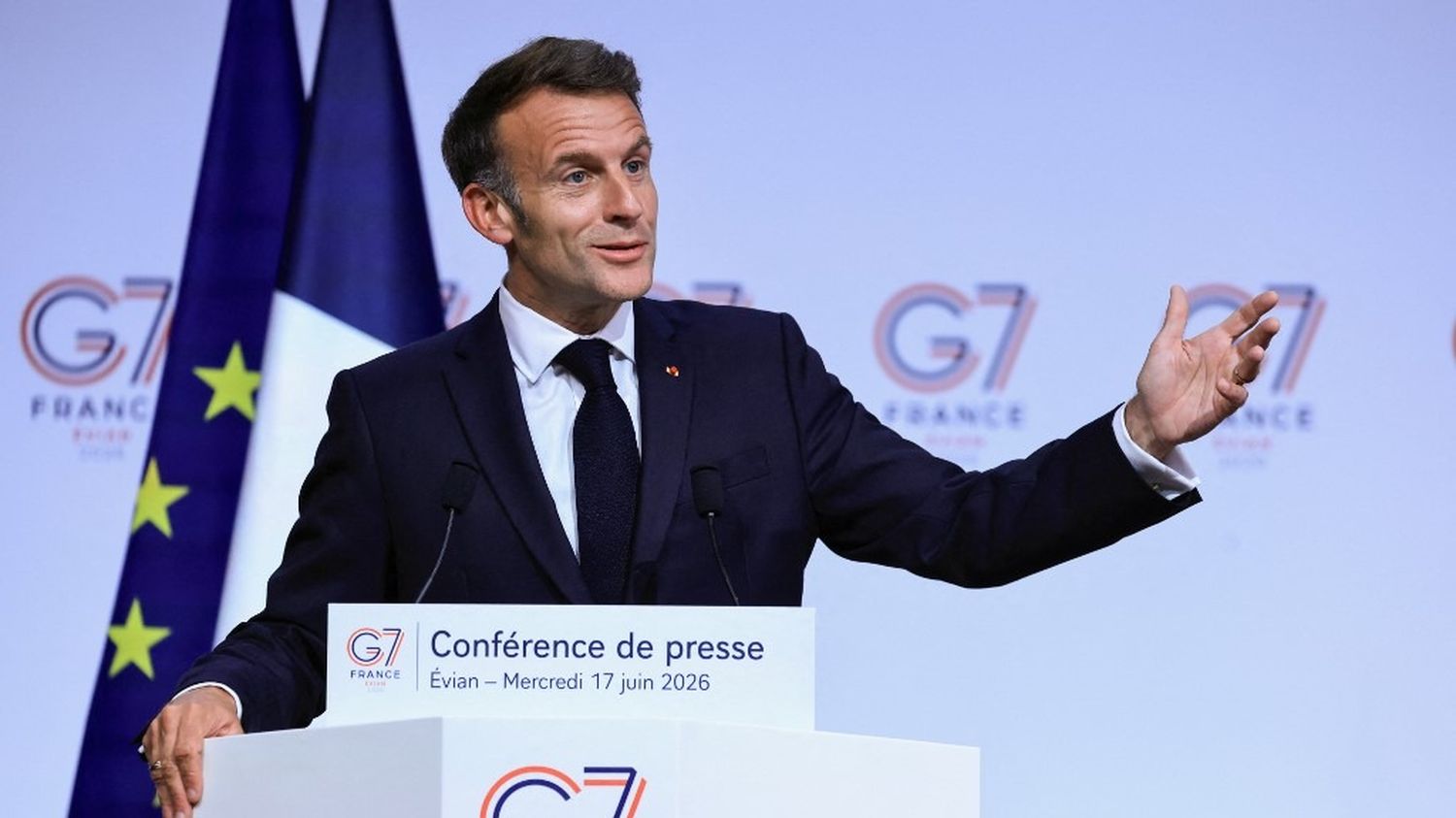
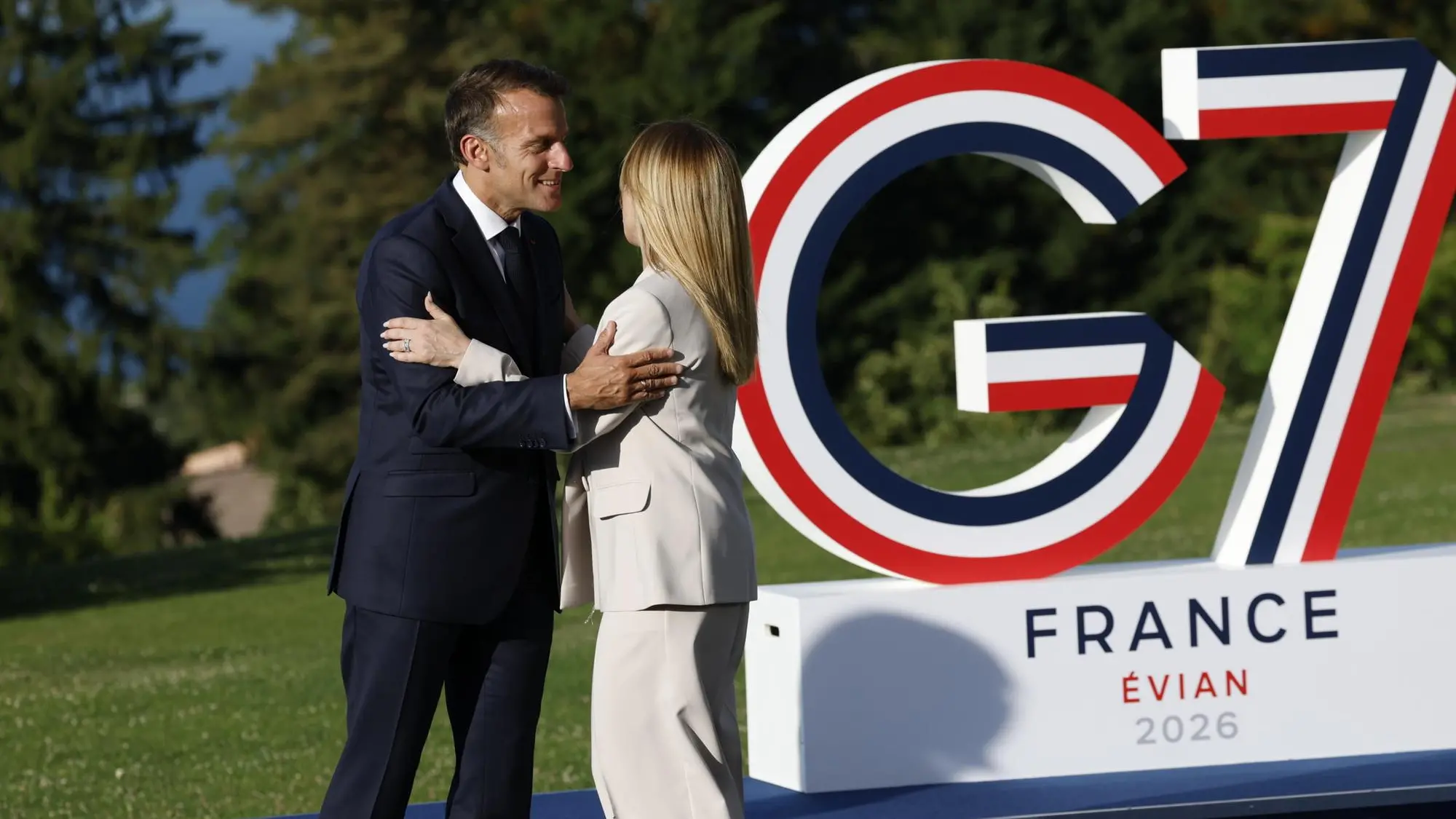
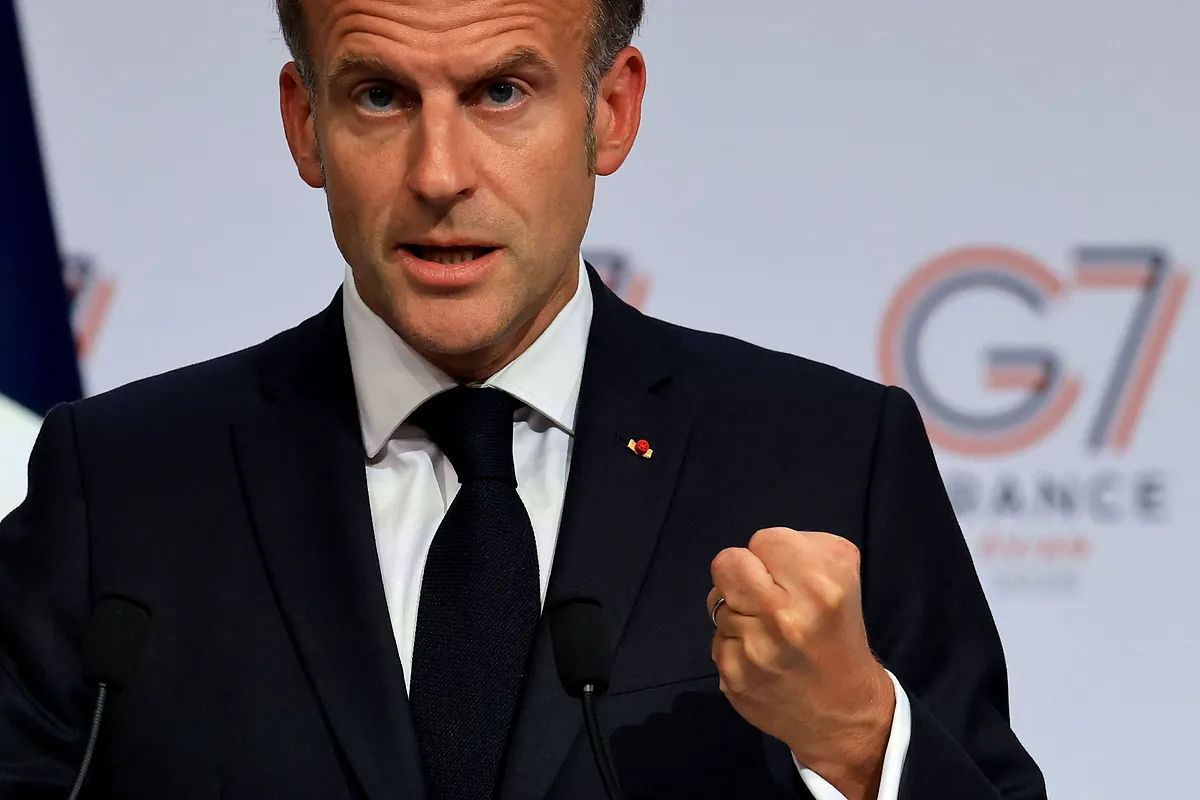
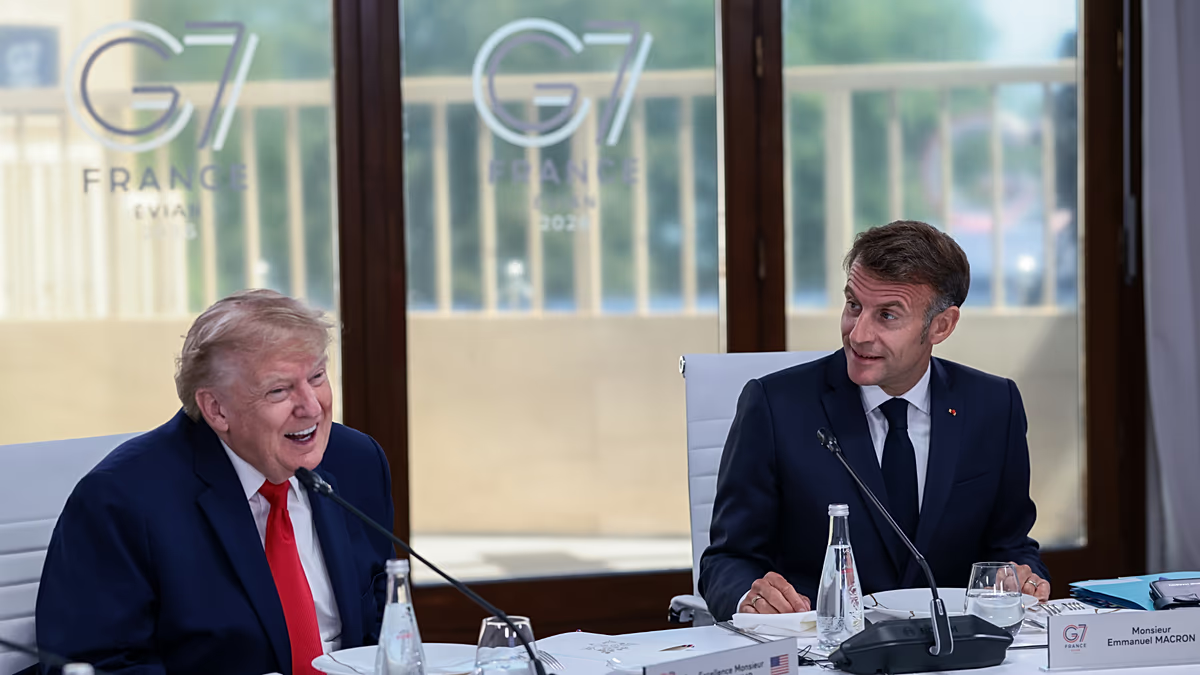
Instead, the summit, held under France’s presidency, concluded with an outcome that was widely—and not without justification—hailed in France as a diplomatic triumph for Emmanuel Macron.
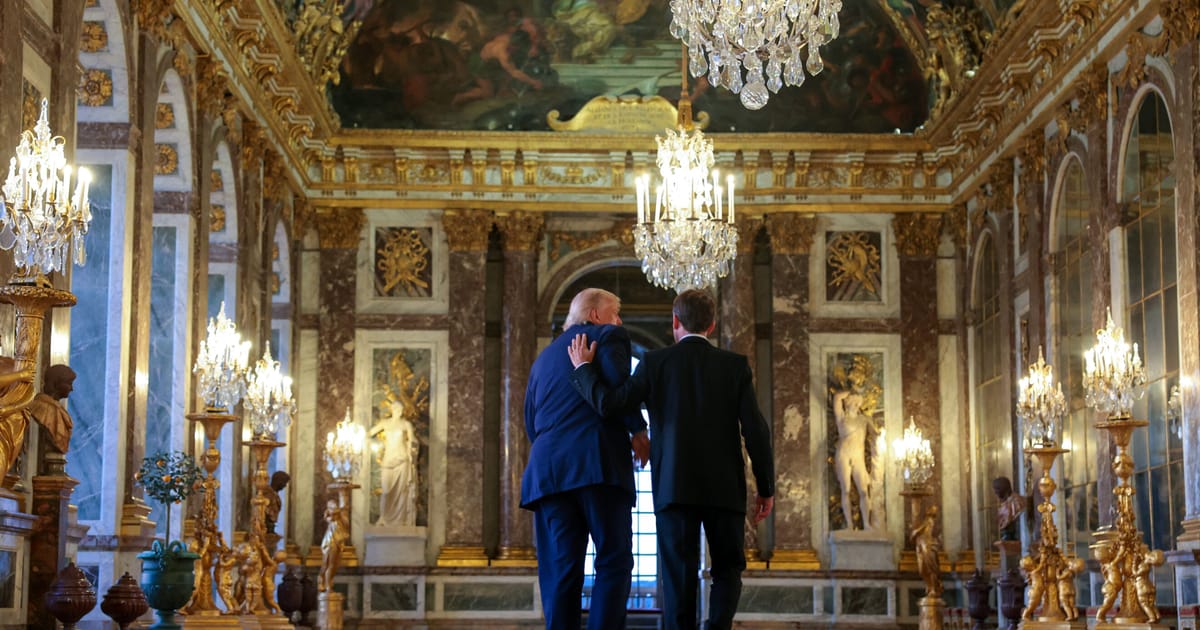
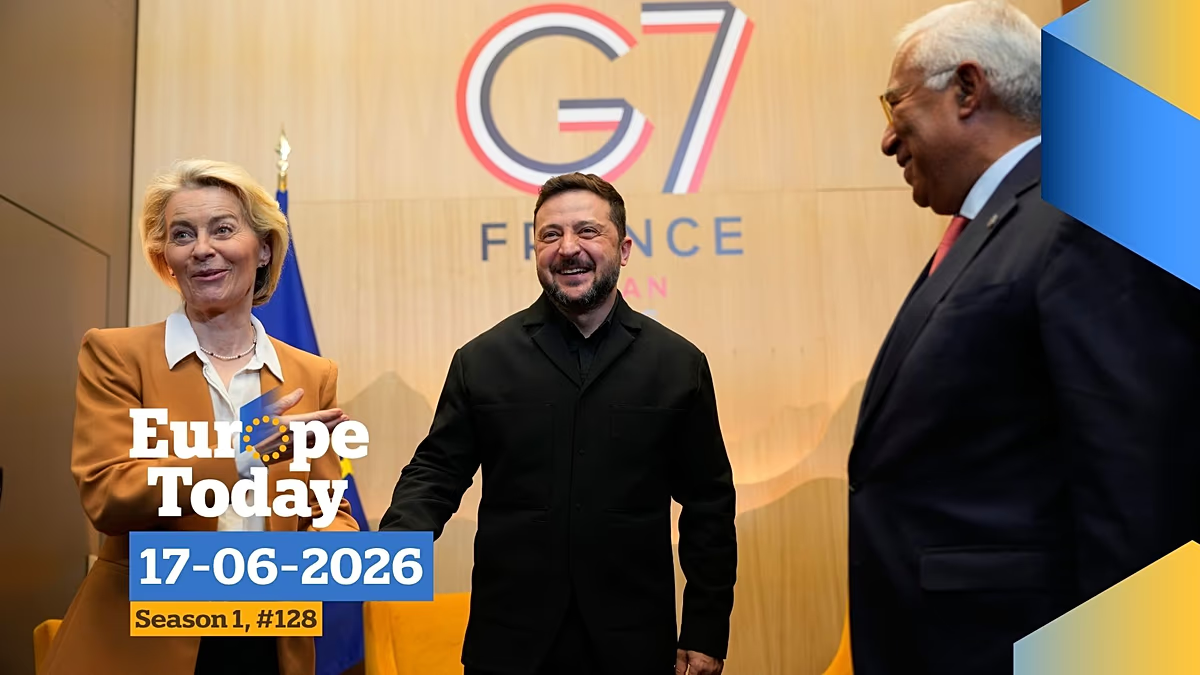
The central figure of the event was, inevitably, U.S. President Donald Trump. After months of unpredictable statements, he not only softened his rhetoric but also agreed to endorse a joint G7 declaration calling for increased military assistance to Ukraine and greater pressure on Russia’s wartime economy. That is why the “Evian moment,” as Macron described it, can be seen not only as a diplomatic success for the French president but also as a testament to the coordinated efforts of all participants, including Ukrainian President Volodymyr Zelensky. Together, they succeeded in bringing Trump, at least politically, back into the camp of support for Ukraine.