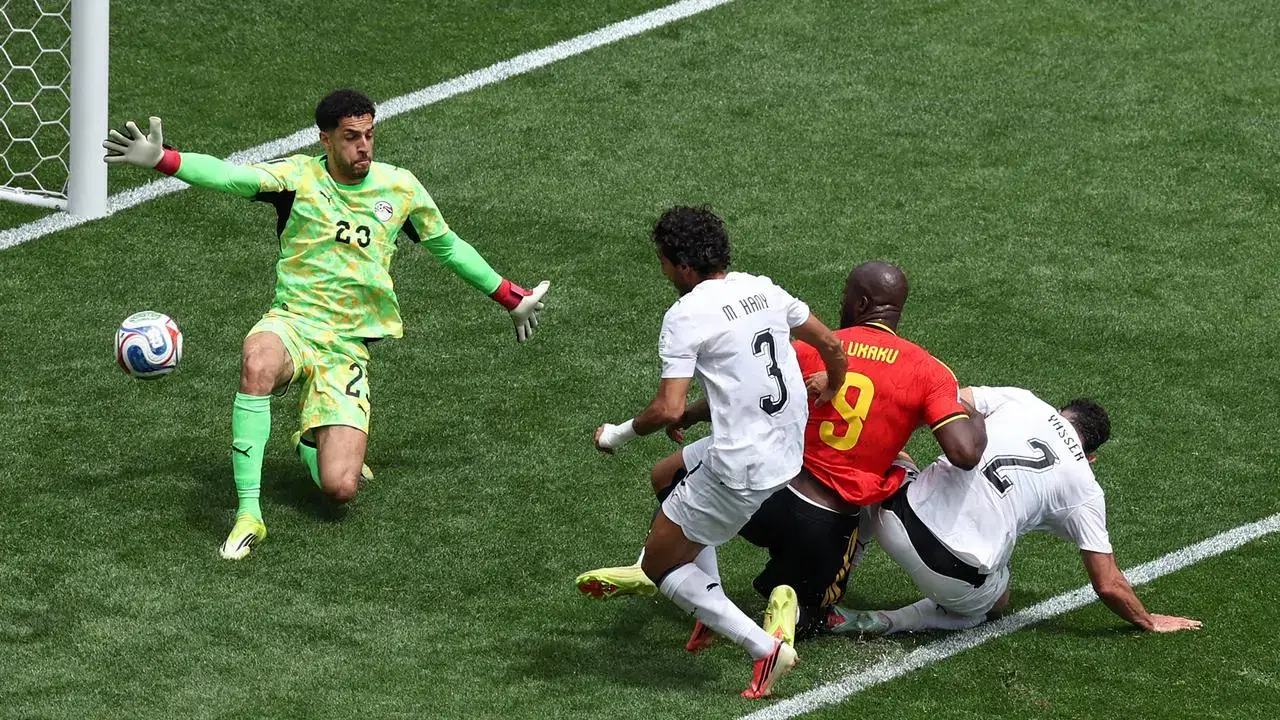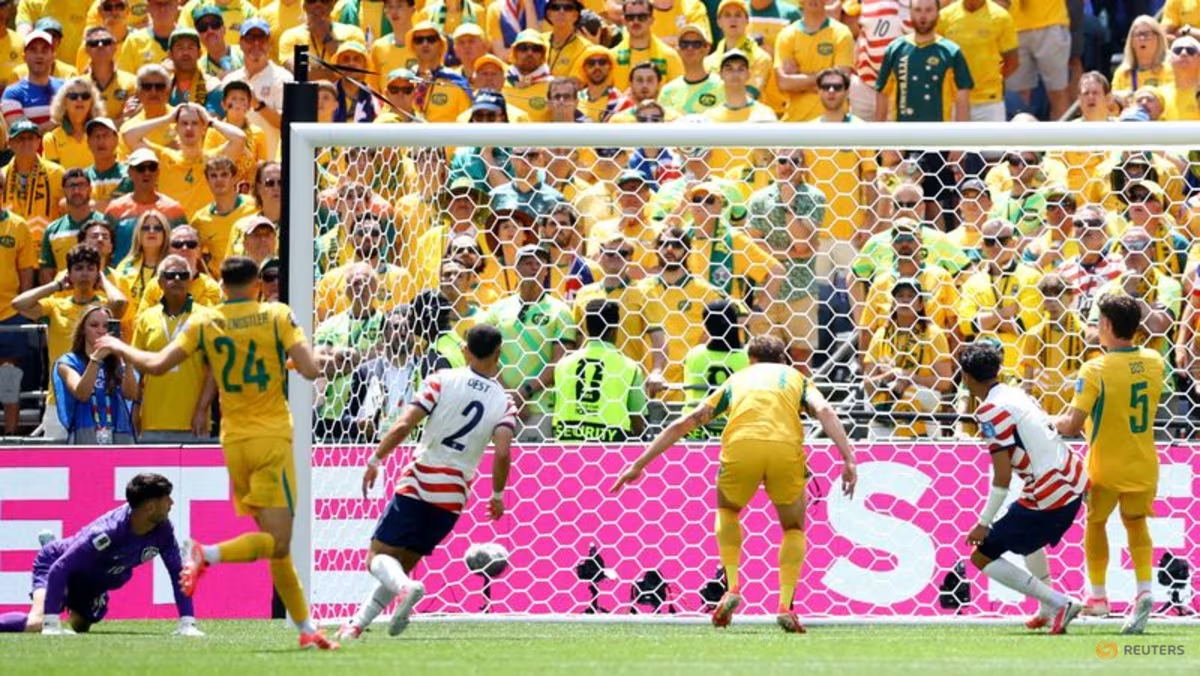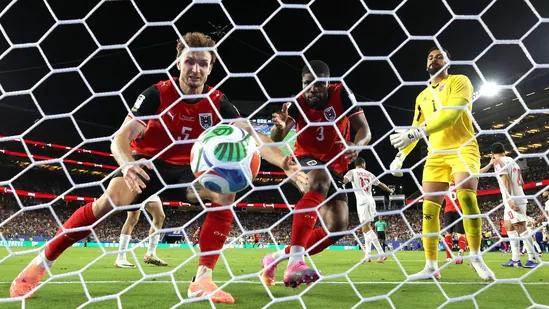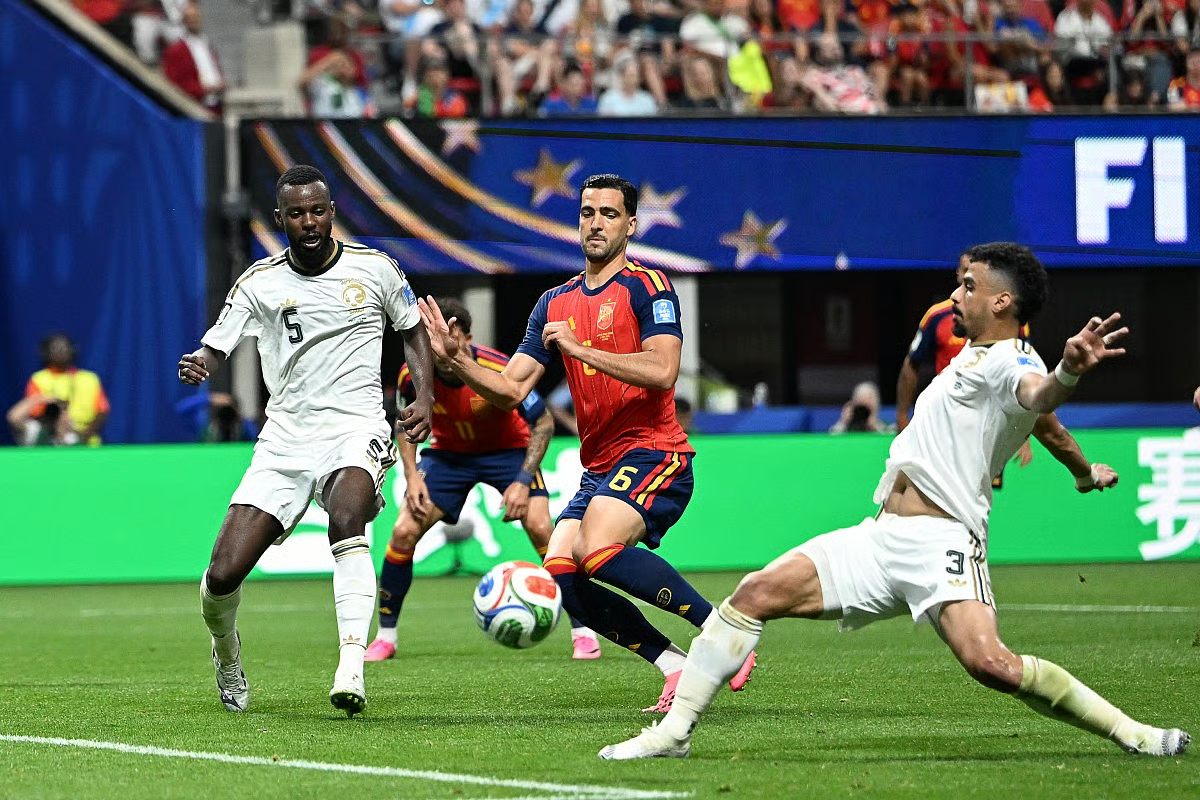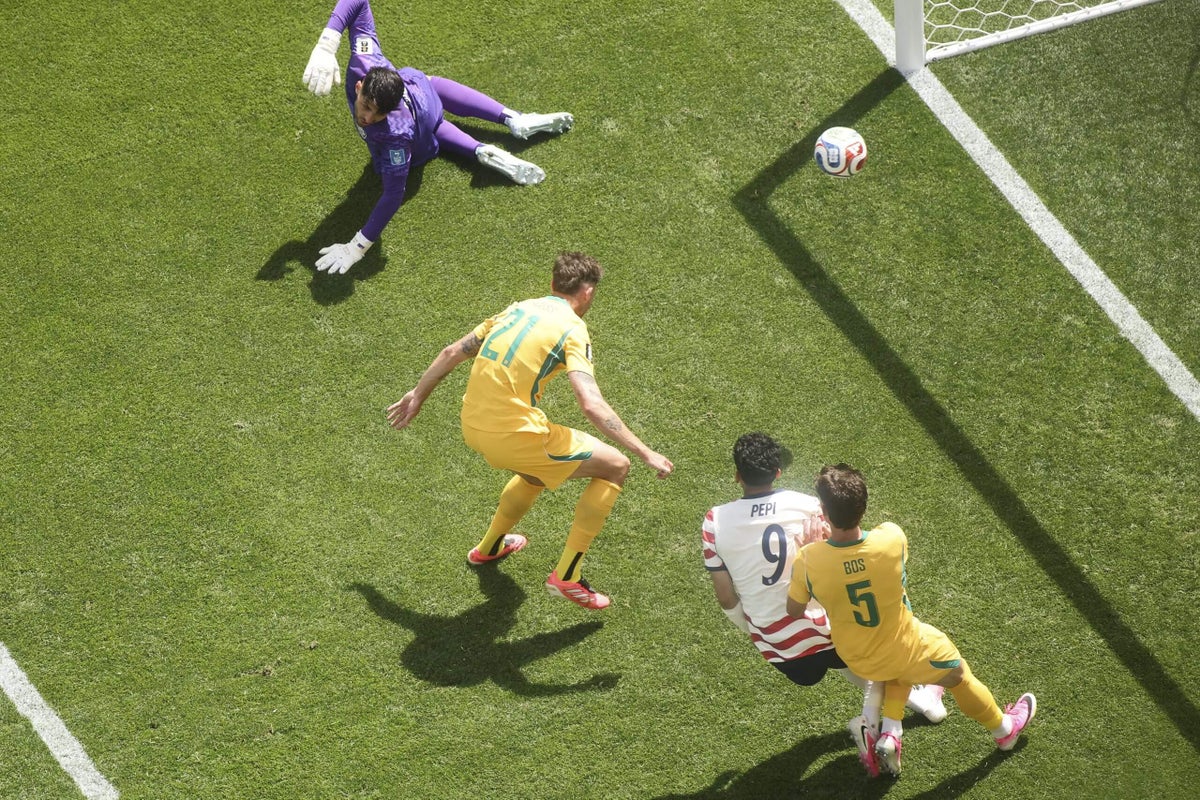
The United States’ two victories so far at the 2026 World Cup have had a similar feel: a blistering start to the game, lots of attacking down the flanks rather than through the middle, and an own goal to get going.Paraguay’s Damian Bobadilla turned the ball into his own net at the start of the U.S.’s 4-1 win, then Cameron Burgess repeated the trick in Australia’s 2-0 defeat by the co-hosts on Friday. It means the United States have become the first side in history to benefit from own goals in consecutive men’s World Cup games.Lucky? A little bit. But own goals, it seems, are a fairly major part of this World Cup.In total, seven own goals have been scored at the tournament so far, five more than were scored in the entire 2022 tournament. This is, to a certain extent, an outlier based on a small sample size, while there were only 32 teams in Qatar. But own goals have, over the years, become increasingly common in football.Get free access to the most comprehensive World Cup coverage in The Athletic app.Take data from the Premier League, for example. In the first 17 seasons of the division, there was fewer than one own goal scored every round in the English top flight. In 2009-10 there was a spectacular rise to 53 own goals from 38 rounds of fixtures and, while that remains the peak, the have been another seven seasons where there have been 38 or more own goals per season, according to data company Opta.While it’s possible that better television footage, with more angles available for replays, may have contributed to certain goals being given to an unfortunate defender rather than the attacker, Opta insists its definition has remained consistent throughout the Premier League era. The added peculiarity is that defenders are no longer clumsy lumps who can’t control the ball with their feet — they’re increasingly technically skilled passers. Yet they’re increasingly sticking the ball in their own goal.
Why World Cup own goals are on the rise
In the age of expected goals, perhaps the next step is calculating expected own goals — as cut-backs make them more increasingly likely
766 words~3 min read