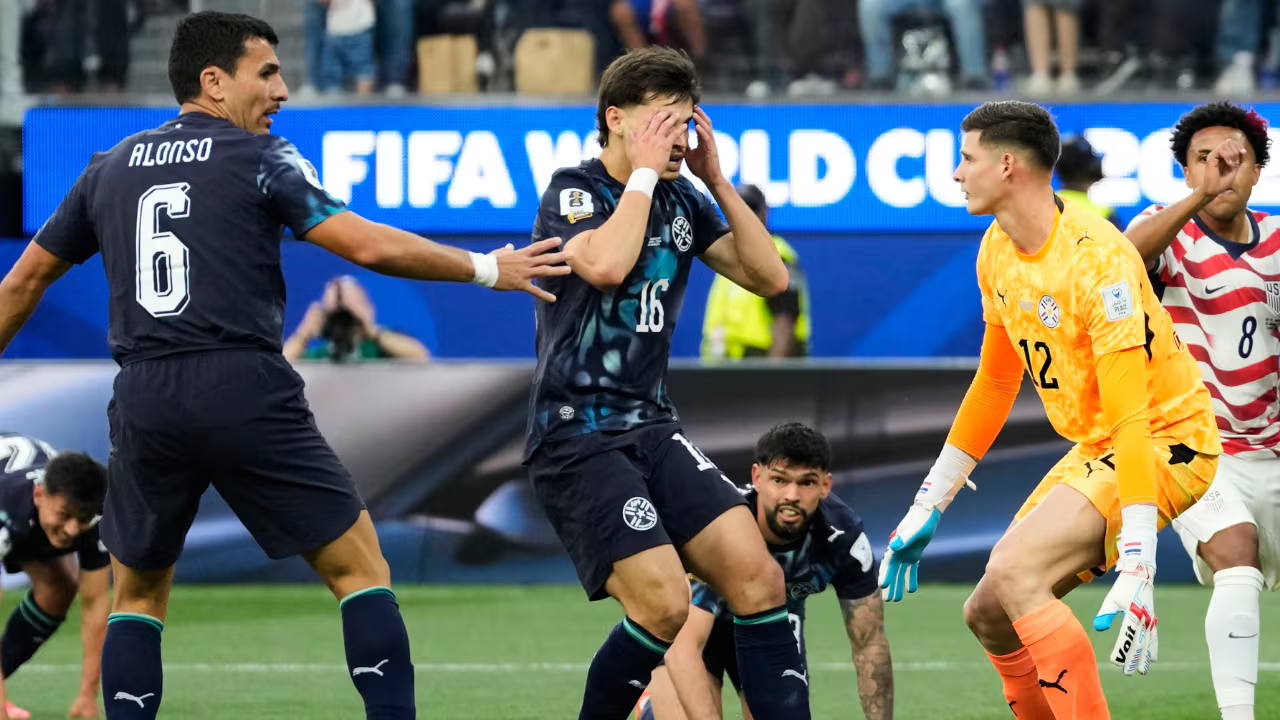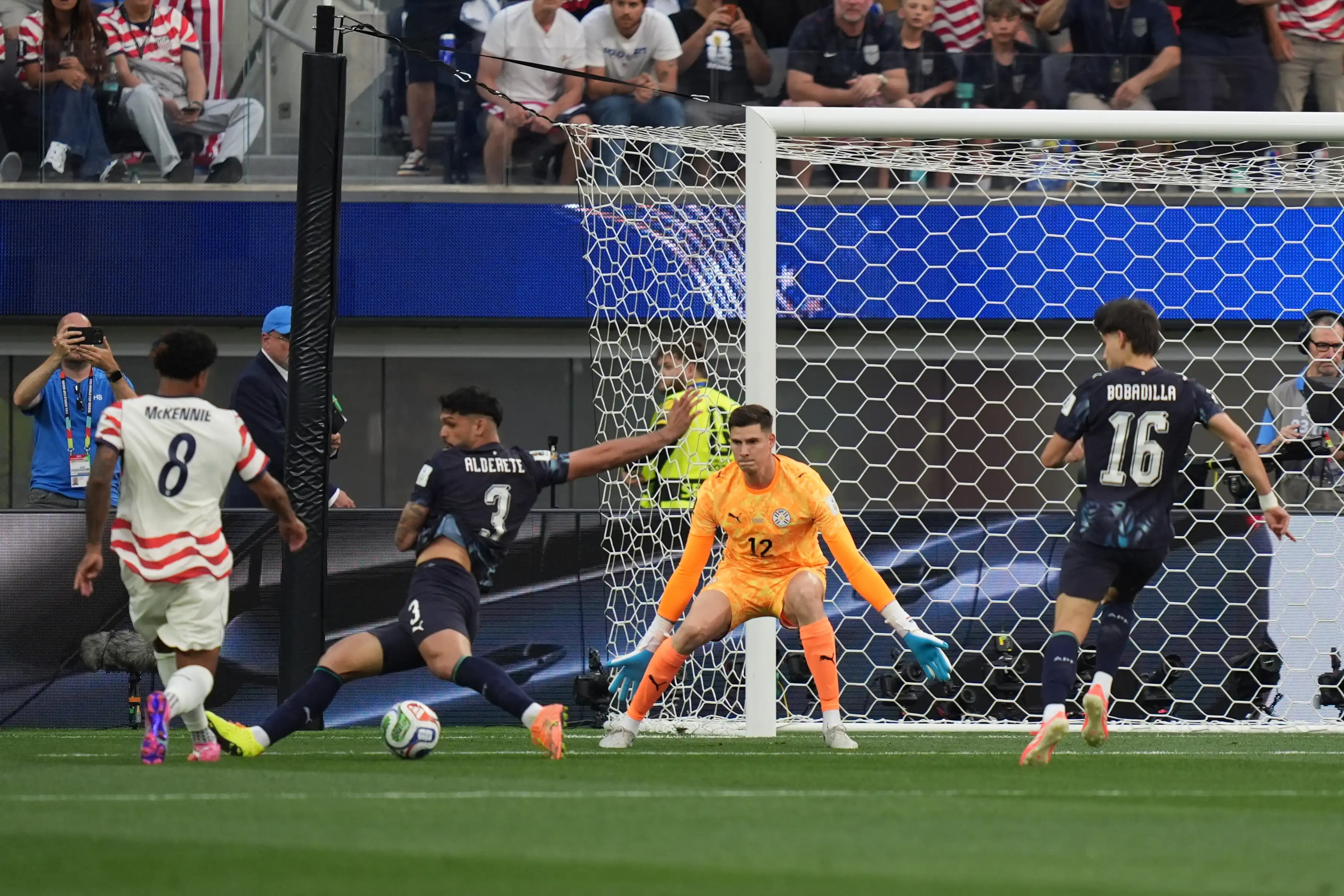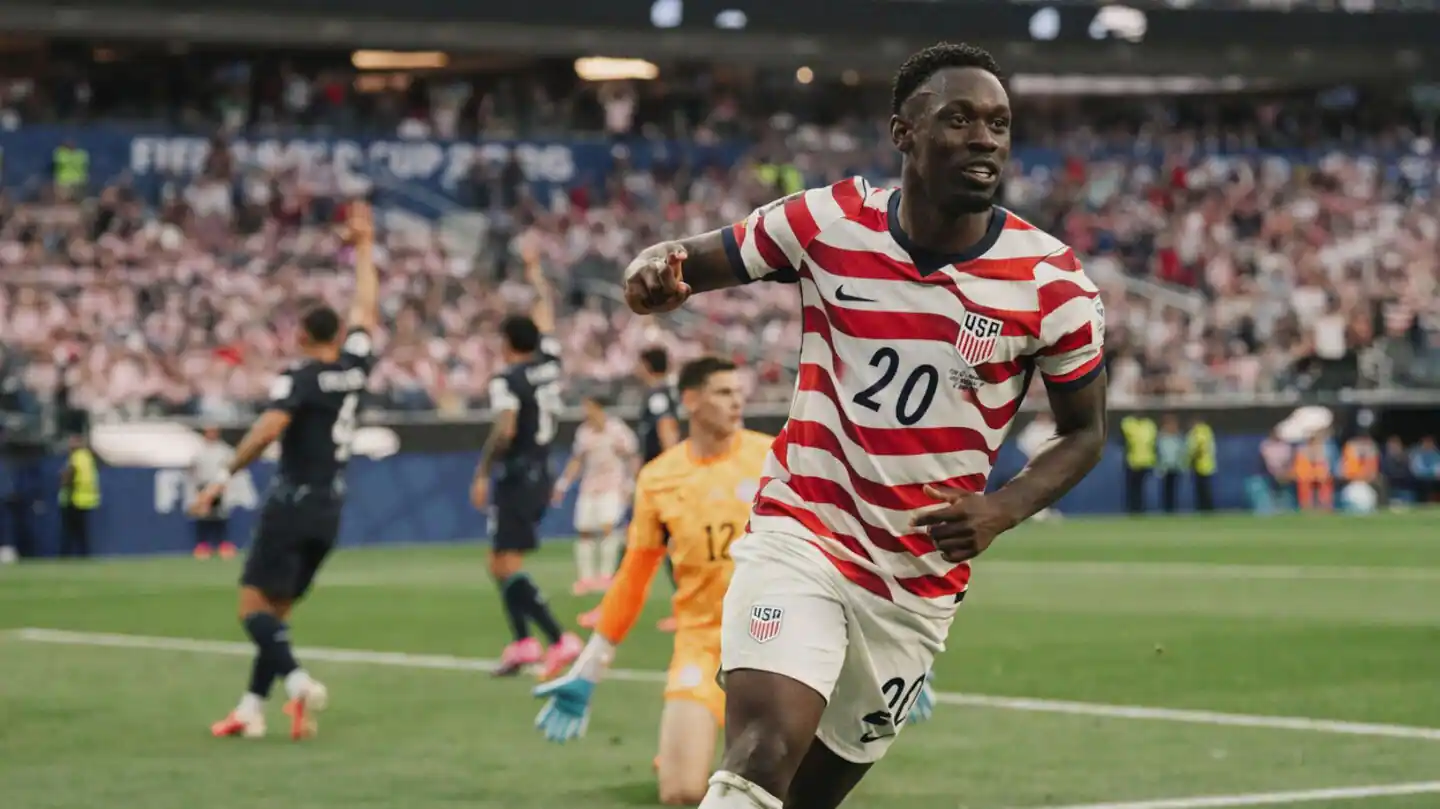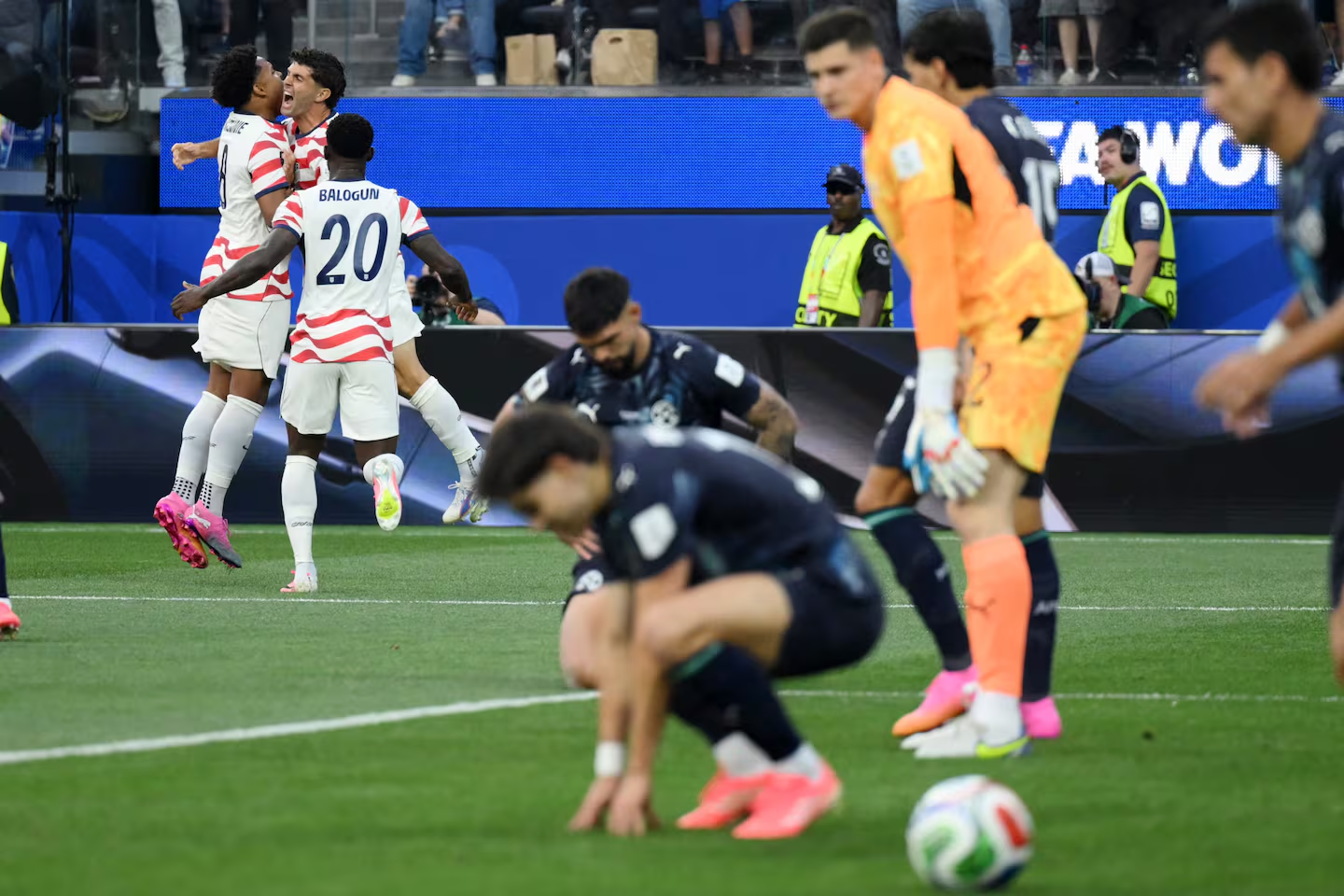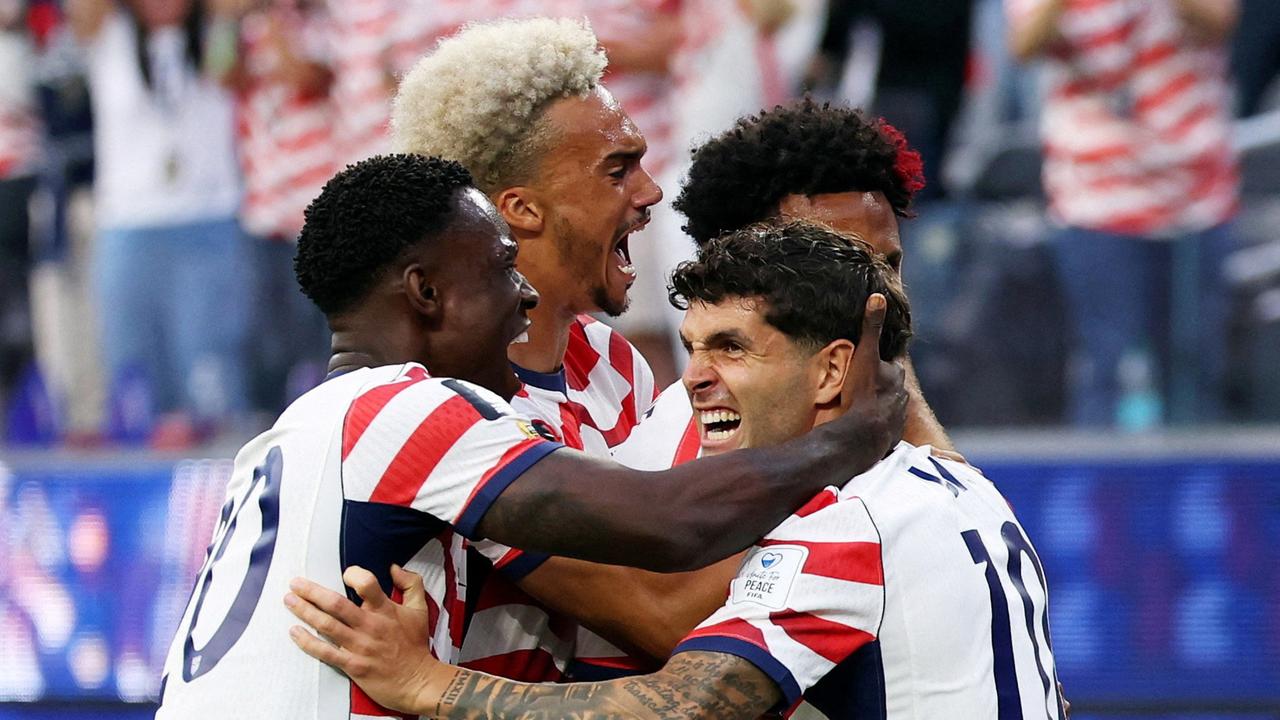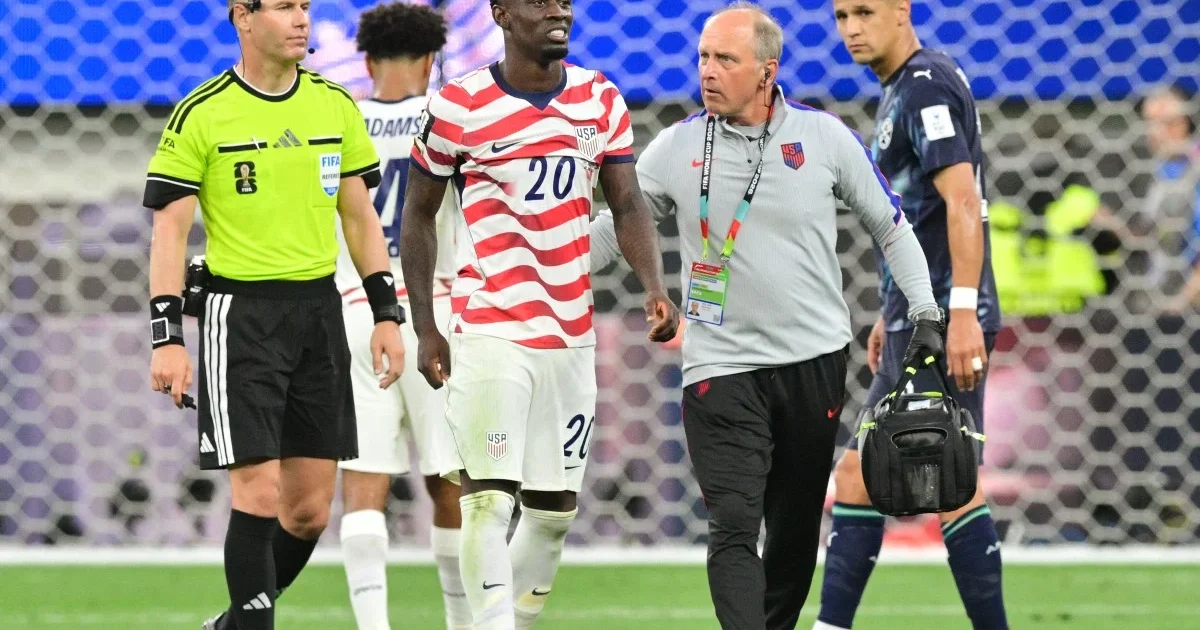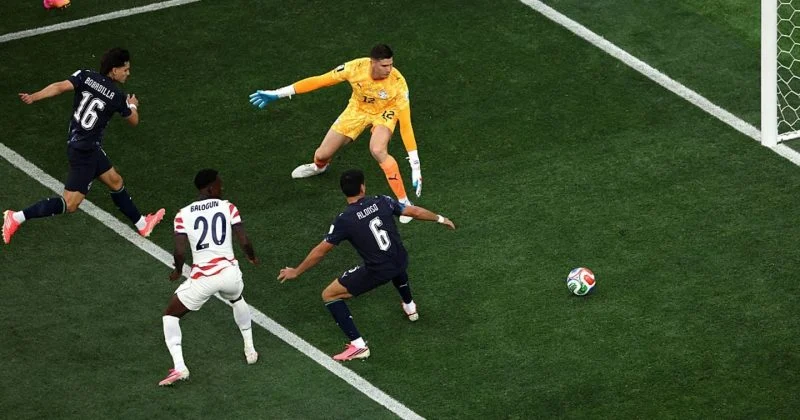
Seven minutes. That’s all it took for the 2026 FIFA World Cup to produce its first own goal, and it came at the worst possible time for Paraguay. Midfielder Damián Bobadilla redirected the ball into his own net during the tournament opener against the United States on June 12, handing the host nation a gift-wrapped lead that set the tone for a comprehensive 4-1 victory.
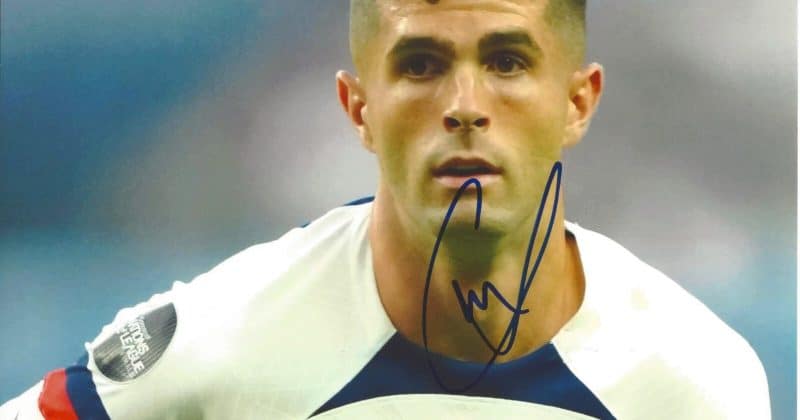
The play started with Christian Pulisic and Weston McKennie orchestrating an offensive sequence that forced Paraguay’s defense into an awkward position. Bobadilla, attempting to intervene, ended up doing the Americans’ job for them.
A rough night in the group stage
For Paraguay, the early setback proved insurmountable. The US rode that momentum to a 4-1 win. The host nation’s attack looked sharp from the opening whistle, with Pulisic and McKennie pulling strings in a midfield that Paraguay simply couldn’t contain.
Bobadilla now holds a distinction no player wants. Being the first own-goal scorer in any World Cup is the kind of trivia that follows a career around forever. For context, own goals have become increasingly common in modern tournaments. The 2018 World Cup in Russia produced a record 12 own goals across the competition, more than double any previous edition. The 2022 tournament in Qatar continued that trend, suggesting that higher defensive lines and faster attacking play have made these accidents a structural feature of the modern game rather than freak occurrences.