Commentary
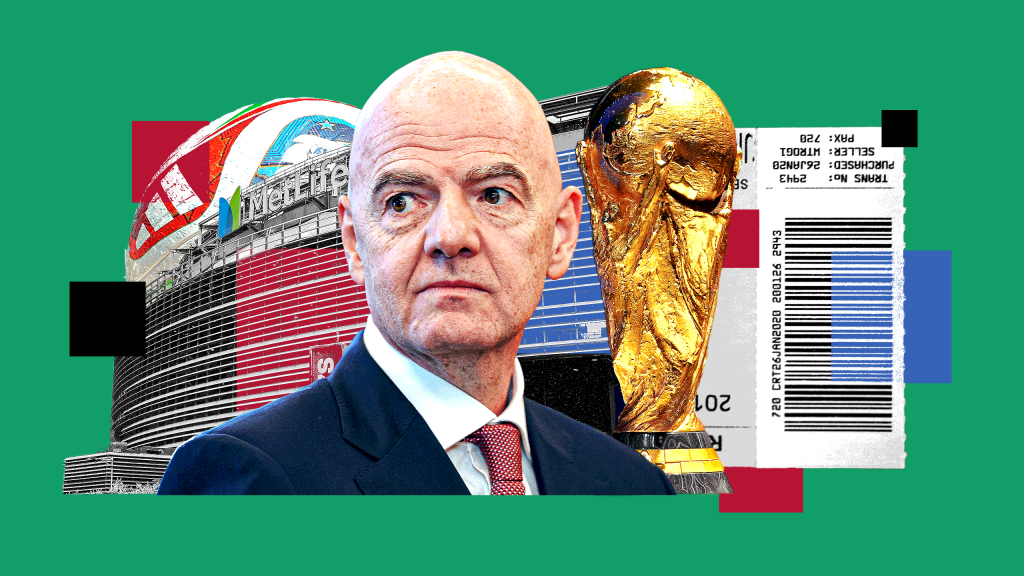
FIFA's dynamic pricing system may be neither fair nor transparent, but it is proving phenomenally effective at maximising profits from the World Cup, says Juan Pablo Spinetto for Bloomberg Opinion.
Iran's Mehdi Ghayedi (10) battles for the ball with New Zealand's Tim Payne (2) during the World Cup Group G soccer match between Iran and New Zealand in Inglewood, Calif., near Los Angeles, Monday, June 15, 2026. (AP Photo/Andre Penner)
20 Jun 2026 06:00AM
MEXICO CITY: If you had told me that more than 70,000 effervescent football fans would pack Los Angeles’ SoFi Stadium on a Monday night to watch, ahem, New Zealand take on Iran, I’d have replied: not in a hundred years.Yet that’s exactly what happened on Jun 15. Even more remarkably, ticket prices surged 23 per cent in the final three days before kickoff, pushing the get-in price on resale platforms to a whopping US$420. This, for a match between a country locked in military conflict with the US and another of just five million people on the other side of the planet. Neither team had ever advanced beyond the World Cup’s group stage, but what a thrilling 2-2 draw they gave us.The price spike is the product of the collective frenzy unleashed by the start of the world’s biggest sporting event. As soon as the ball began to roll, many of the pre-tournament anxieties, from the heat and transportation headaches to the inevitable fatalism of some commentators, faded into the background. One week in, supporters are hooked, stadiums are largely full, TV audiences are smashing records and resale ticket prices are soaring as fan enthusiasm gathers momentum. Nowhere is that more evident than with the US team. For months, organisers struggled to sell those matches. But after the Americans’ emphatic opening win over Paraguay, prices to see the home side have gone through the roof.