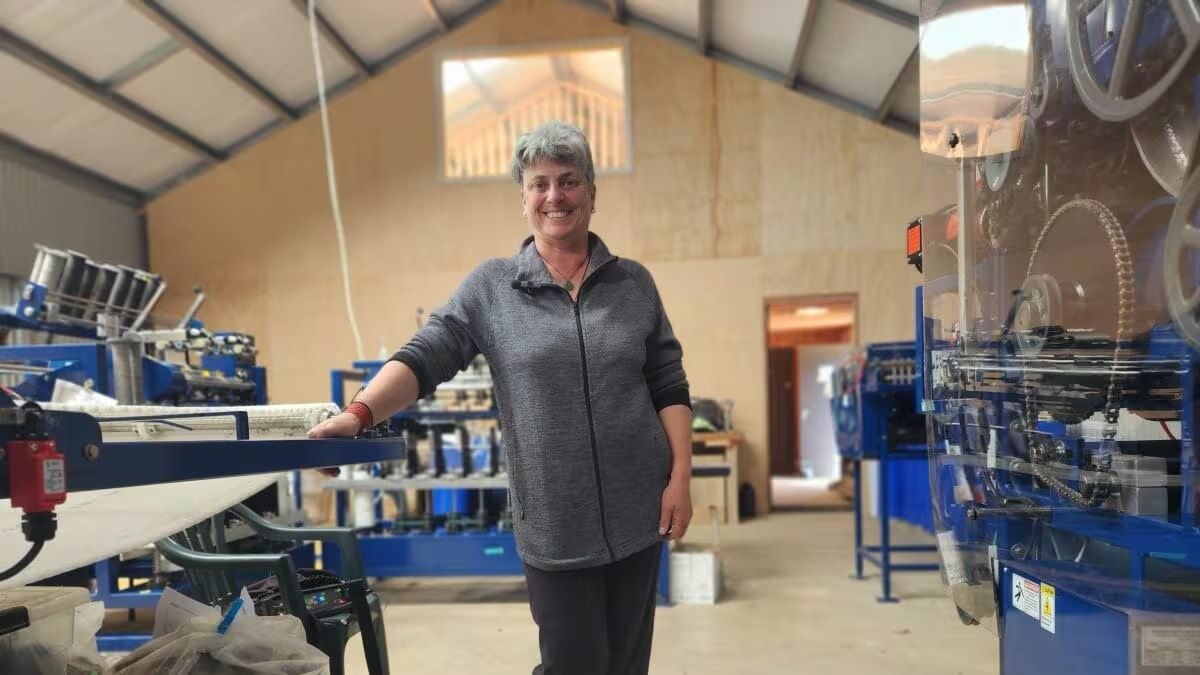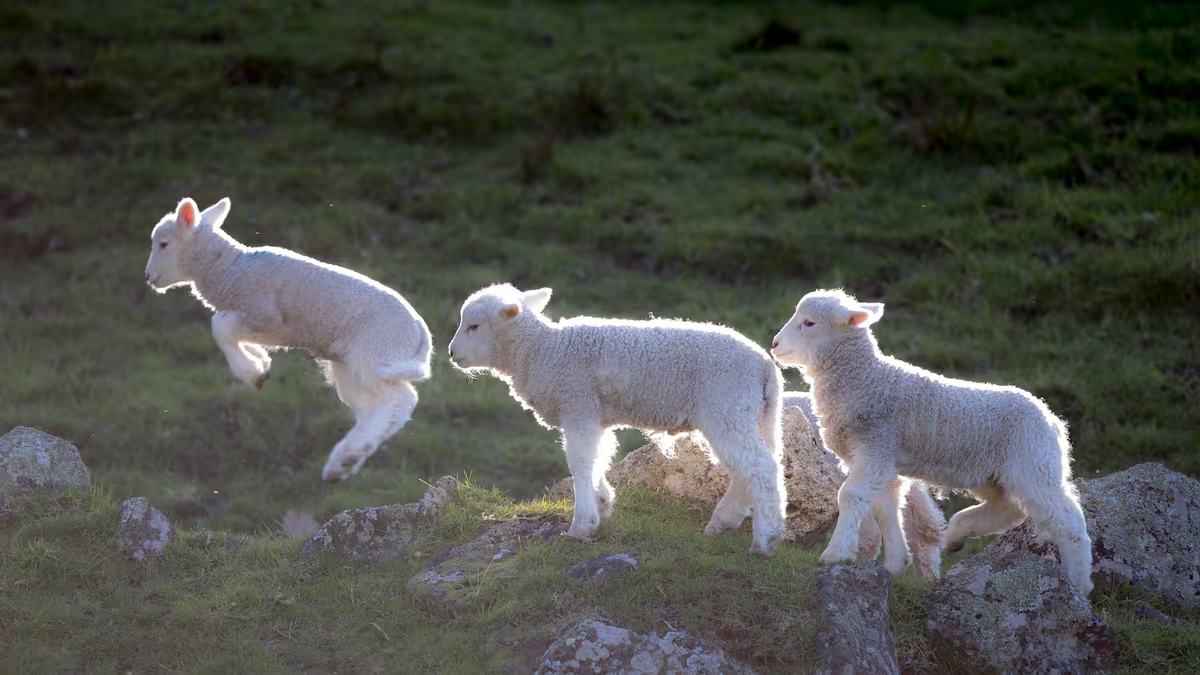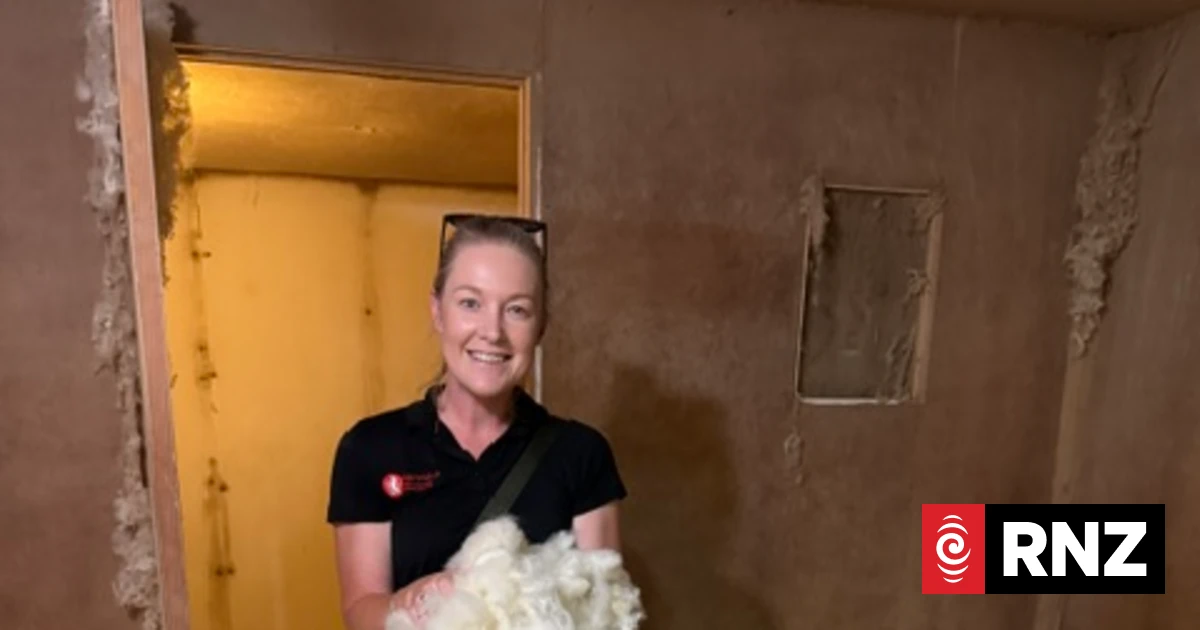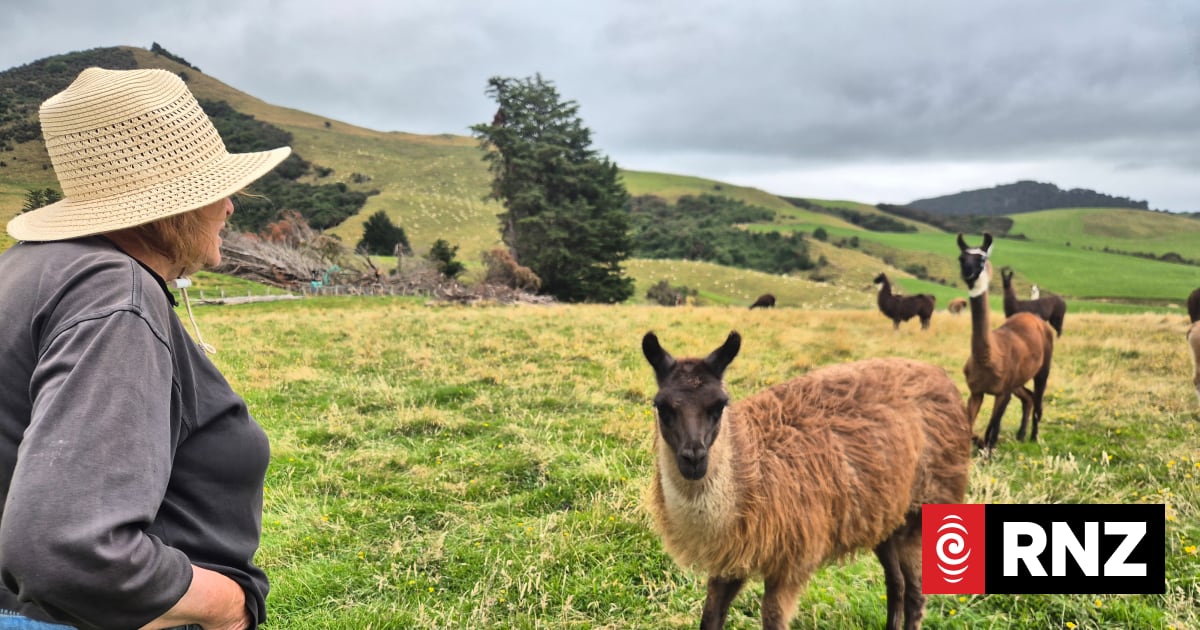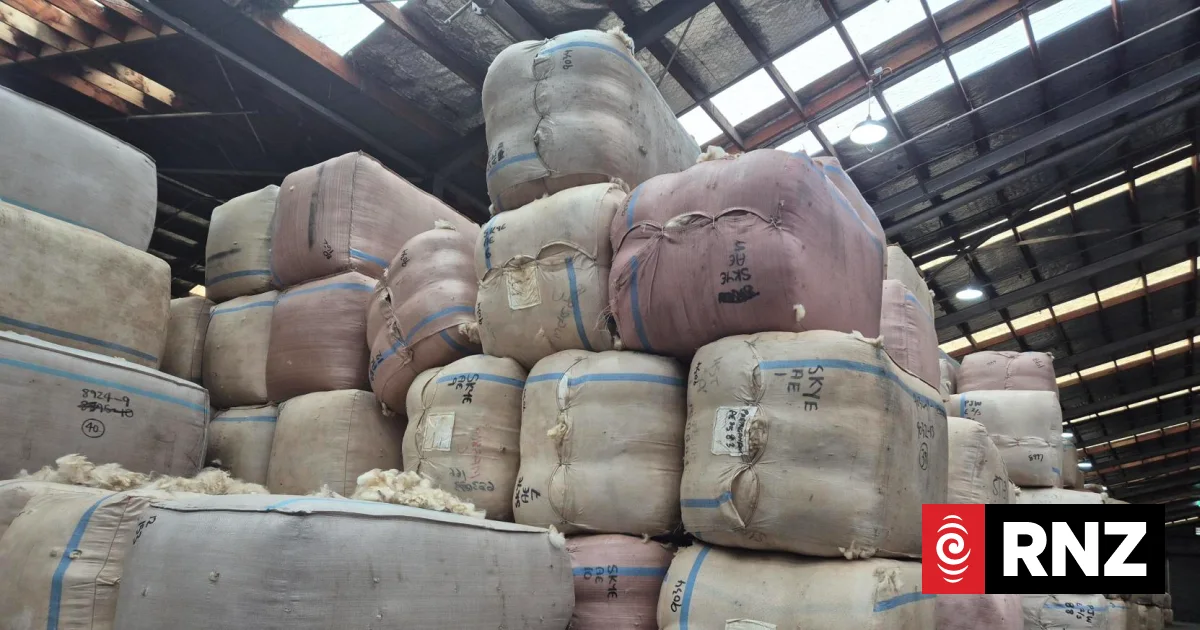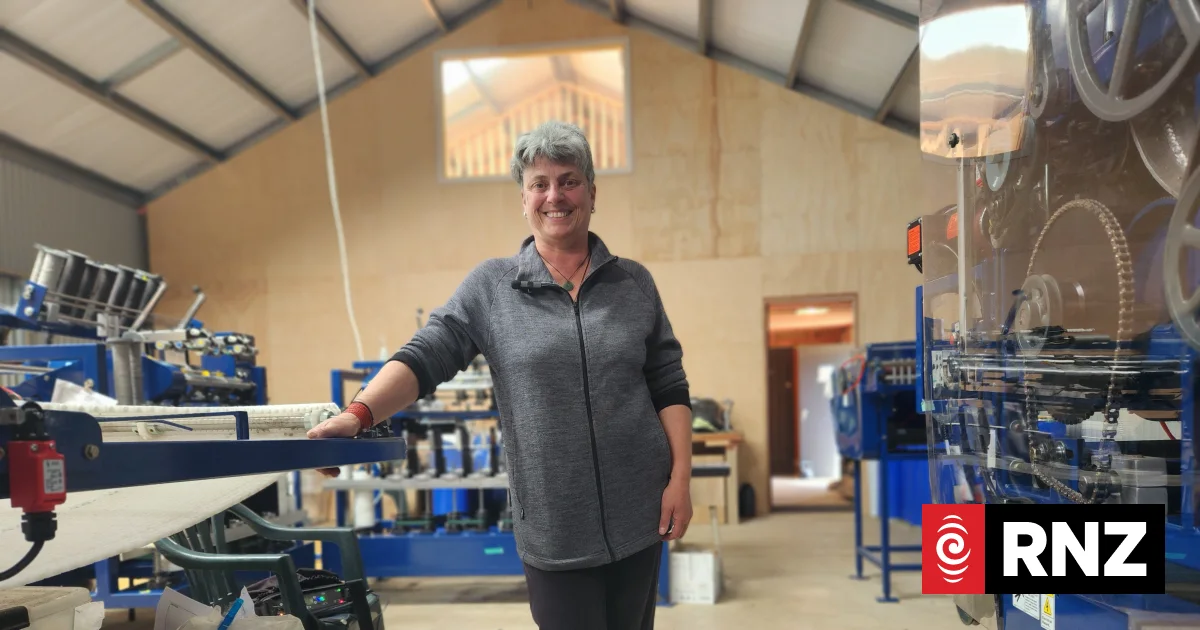
Her flock of sheep bred for their soft fleece may be small, but her plans for them are big.Patrizia Vieno, owner of Rewa Rewa Station, not far from Tinui in northern Wairarapa, hopes to have their wool woven on-farm into a branded tweed, the highly-prized and hard wearing fabric which originated in Scotland and Ireland.She has imported a pedal-driven vintage loom, once used by a crofter on Scotland's Outer Hebrides, to make the ever fashionable Harris Tweed, and it is being refurbished to form part of a loom room, which makes up a corner of Vieno's "mini mill".Patrizia imported a vintage loom used by a crofter in Scotland's Outer Hebrides for making Harris Tweed. She plans to weave a Rewa Rewa Station brand of tweed on the loom, housed in her on-farm woollen mill.RNZ/Sally RoundThe mill is the culmination of a plan, hatched with her late partner Rod Clutton, to have a "wool hub" on the 1000-hectare (650 effective) hill country station which runs Romney-Corriedale sheep and Angus bulls, as well as smaller flocks of Polwarth and the earthy-coloured Gotland breeds, and an Angora goat herd."We've got the sheep, we've got the shearers and, as you've seen, we can make wool," she told Country Life on a tour of the mill.Follow Country Life on Apple Podcasts, Spotify, iHeart or wherever you get your podcasts.The mill is a large, airy, new building, just steps away from the shearing shed, with a viewing window so tour groups can watch the machines in action.After much research, Vieno found a firm manufacturing modular systems for artisan fibre-makers, Belfast Mini Mills, based on Prince Edward Island in Canada.She said she could even run it by herself if need be, although two people were ideal."If I've had a good night's sleep, I can run three machines, so I can run the picker, the fibre separator, and the carder by myself," she said.Patrizia at one of the machines which separate, card and spin her wool. She operates the machines herself with the help of locals who live nearby.RNZ/Sally RoundThe $1 million investment has provided locals with employment, including Mel Kiernan."I leapt into the breach when Patrizia had a really outlandishly large idea and we've hit the ground running," Kiernan said."For me living rurally, it's amazing because it's very difficult to find non on-farm jobs locally."Wool drying in a corner of the mini millRNZ/Sally RoundVieno and Clutton bought Rewa Rewa Station in 2011, after falling in love with it on a trip around New Zealand.She is originally from Italy with a background in interior design, and back in 2023, despite Cyclone Gabrielle damaging parts of the farm, she had hopes of expanding her growing boutique wool business.Back then, she was already sorting, naturally dyeing and spinning the wool on the farm, and holding craft days to showcase the wool and bring together other wool lovers.Now, the garden for growing plants to create the dyes is developing, small batches of wool are washed, dried and machine-processed, creating fine and chunky knitting yarn heading as far afield as the US and the UK.Wool from Rewa Rewa Station's flock of sheep, including the Gotland breed, whose fleece comes in a range of earthy coloursRNZ/Sally Round"Each label on the skein of yarn that we produce will have a tag number for the individual sheep. So it's very much provenance and traceability."Vieno believes her model is something that others could take up around New Zealand, especially with strengthening wool prices, although she admits it has taken commitment."It is very intensive. You need to have the passion because it's a lot of work."Finished yarn produced at Rewa Rewa StationSuppliedThe death of her partner amid the planning for the mill was another challenge on top of the damage caused by the cyclone, not to mention running a large farm with her manager Les Eden."What kept me going was the fact that we already decided for me to go ahead with this when Rod was alive. So he saw the foundation of this being laid, literally."Just after the cyclone, the first thing I did was to come down here and see if the water had touched the foundation, which it didn't, so I know it was a pretty safe place to be, and then sadly Rod passed away a few months later, so he didn't see any of this, but he's with me."I'm sure he's behind me and pushing me on, telling me off when I don't do stuff quickly enough."Learn more:Find out about Rewa Rewa Station's coloured sheep and mini mill hereFind out more about the artisan tweed makers on the Outer Hebrides here
Country Life: Wool to yarn without leaving the farm
Her flock of sheep bred for their soft fleece may be small, but her plans for them are big.
769 words~3 min read