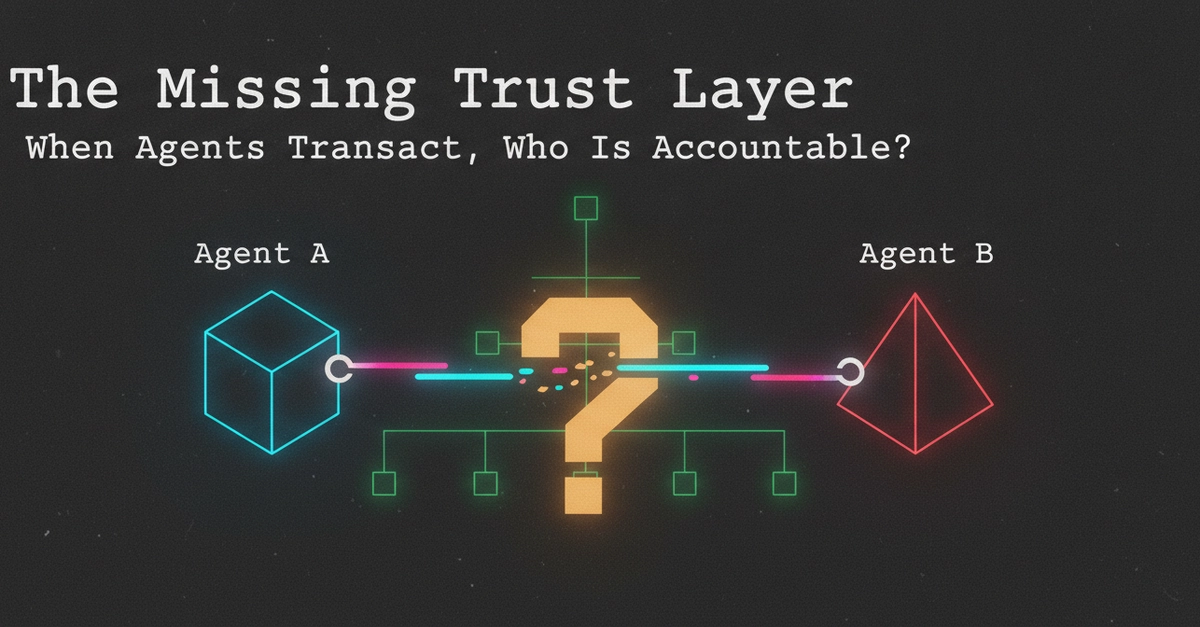
Letting an AI agent spend your money sounds like the setup to a cautionary tale. Sui’s new Seal MPC prototype is an attempt to write a different ending, one where autonomous agents can handle payments but never actually hold the keys to the vault.
The prototype, built by Mysten Labs, launched on the Sui testnet as a programmable wallet powered by multi-party computation. Instead of handing an AI agent your private key, the system splits cryptographic authority across multiple parties so no single entity, including the agent itself, can unilaterally move funds.
How Seal MPC actually works
AI agents can propose financial transactions, but those transactions are governed by on-chain access policies written in Move smart contracts. Seal uses what Mysten Labs calls “decentralized secrets management.” Rather than storing a single private key in one location, the system distributes cryptographic material across a decentralized key server network. The decentralized Seal Key Server itself went live on the testnet around March 12, 2026, laying the groundwork for this prototype.
The system supports natural language spending rules. Users can define policies for AI-driven payments in human-readable terms rather than raw code: daily spending caps, approval thresholds, restrictions to specific counterparties. The smart contracts enforce these rules automatically.