Every great power possesses strength, but every strength has its limits. During the Cold War, when discussing the power of the U.S. and the Soviet Union, the late former Prime Minister Necmettin Erbakan would often say, "The only possessor of unlimited power is Almighty Allah."
The fate of many great empires has ultimately been determined when they reached the limits of their power, often in the mountains of Afghanistan. Alexander the Great, Britain, today's Russia, and the U.S. have all encountered such tests. Yet when the U.S. withdrew from Afghanistan, it had not significantly diminished its overall power.
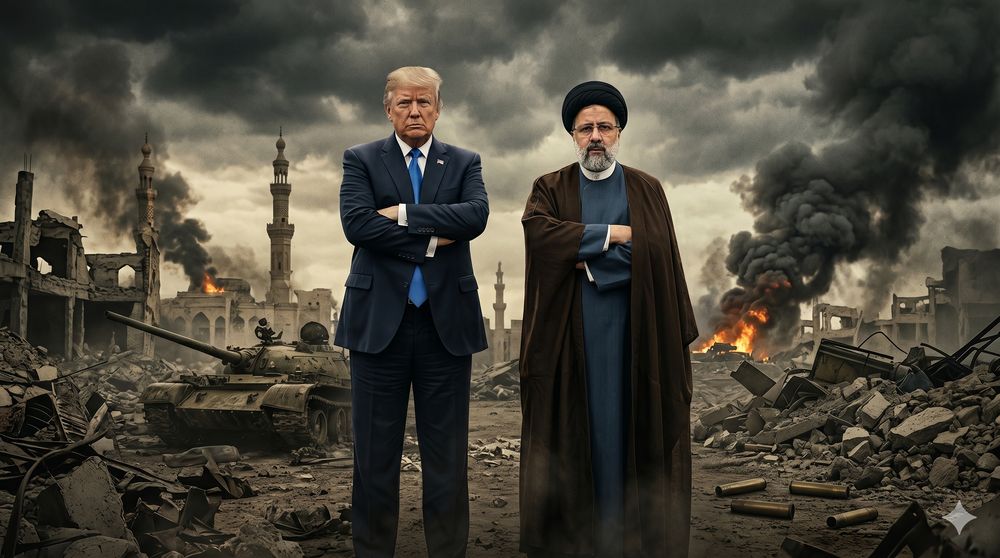
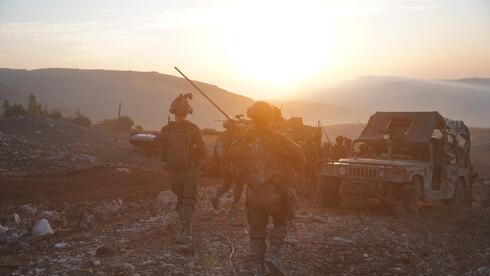
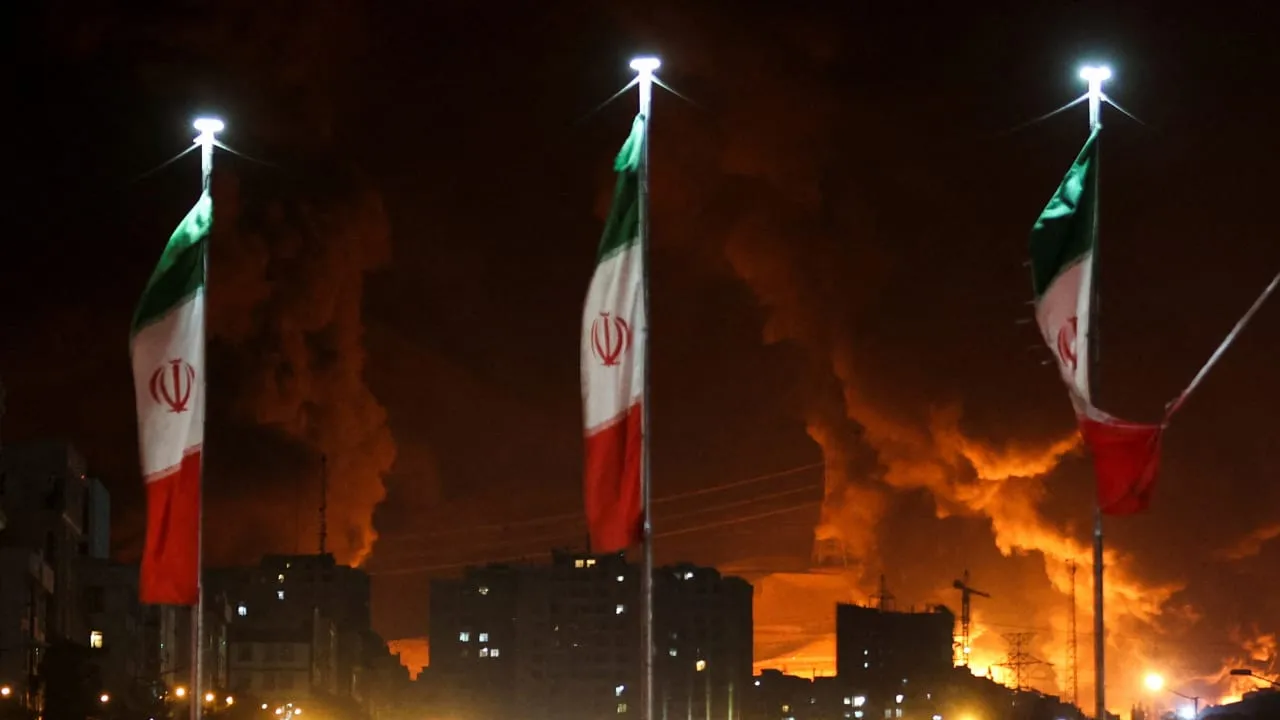
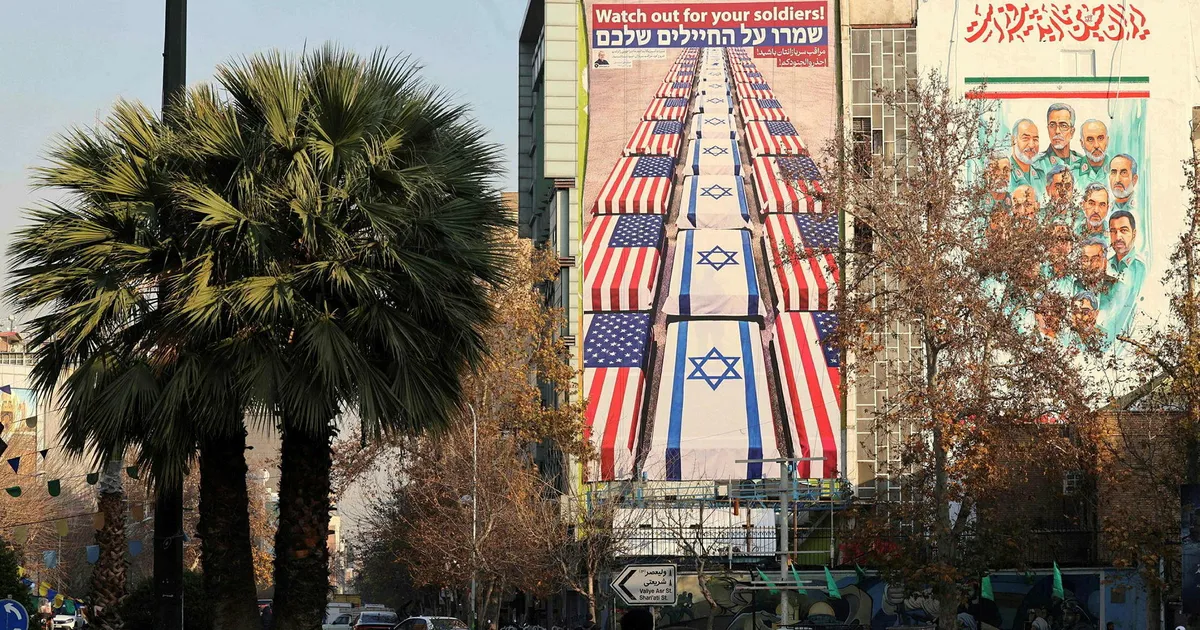
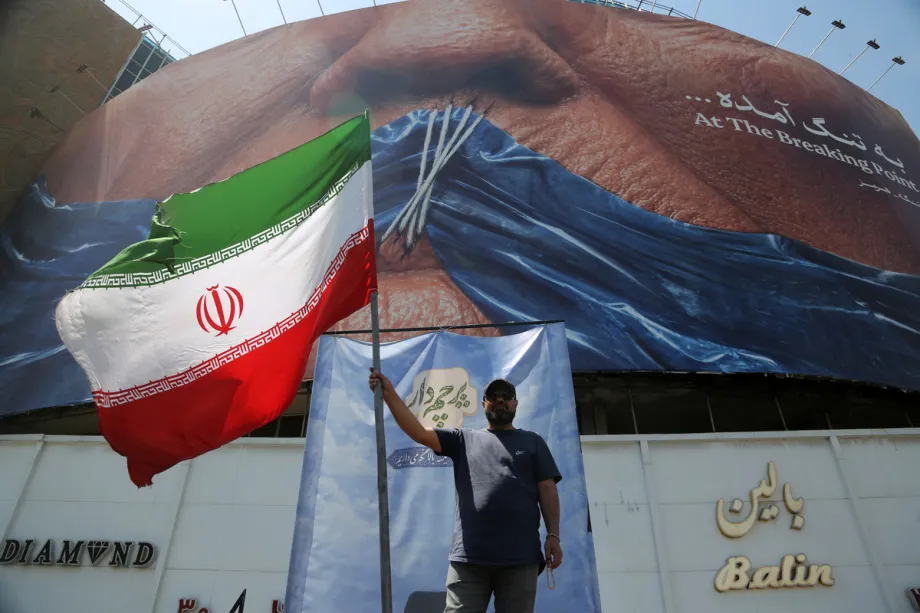
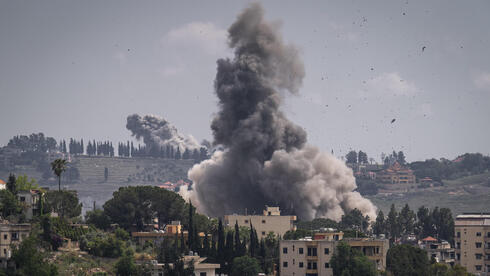
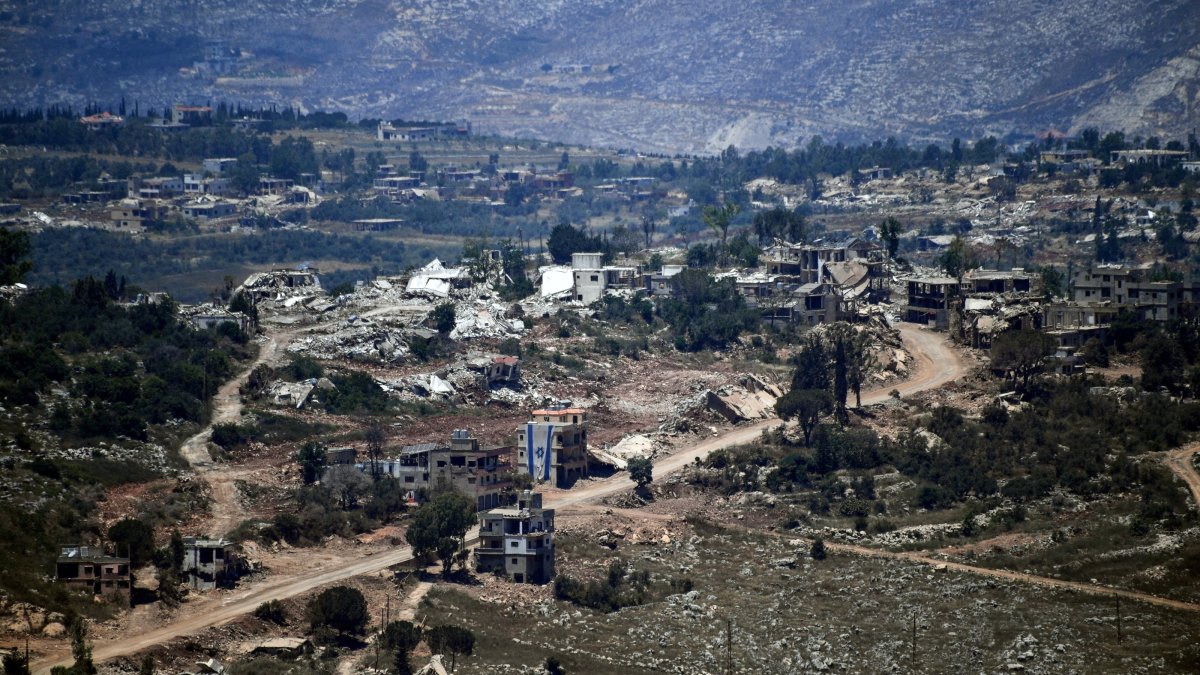
For the U.S., neither the war in Afghanistan nor the war against Iran represented rational conflicts. Much like Israel's actions in Gaza and its occupations in Lebanon and Syria, they were wars lacking clear political objectives.
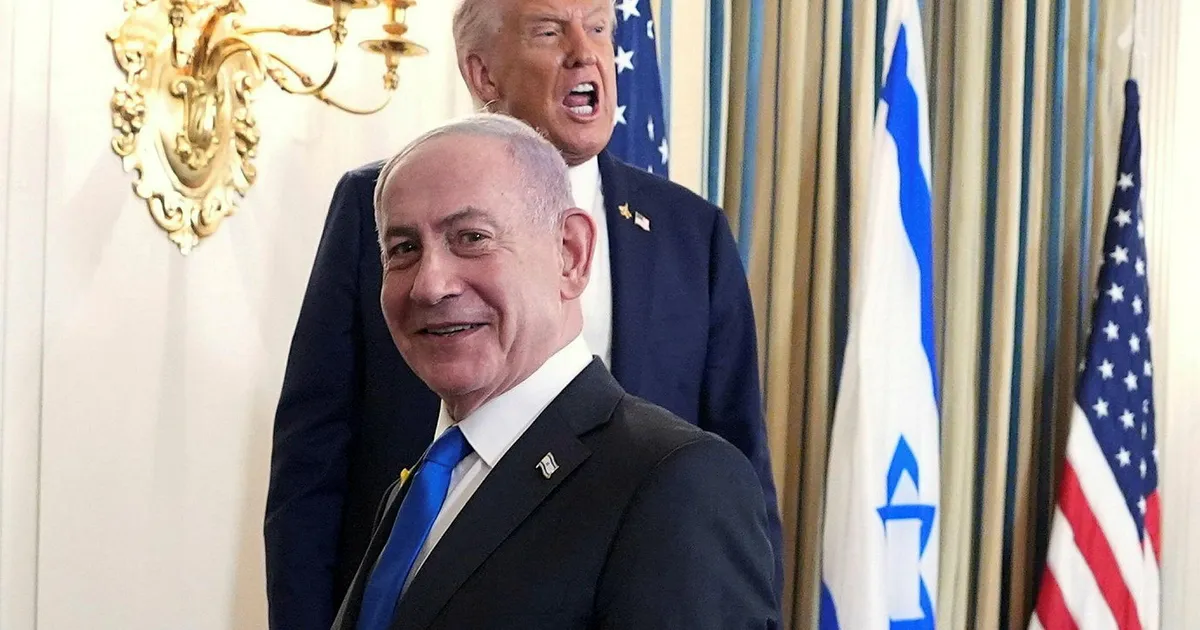
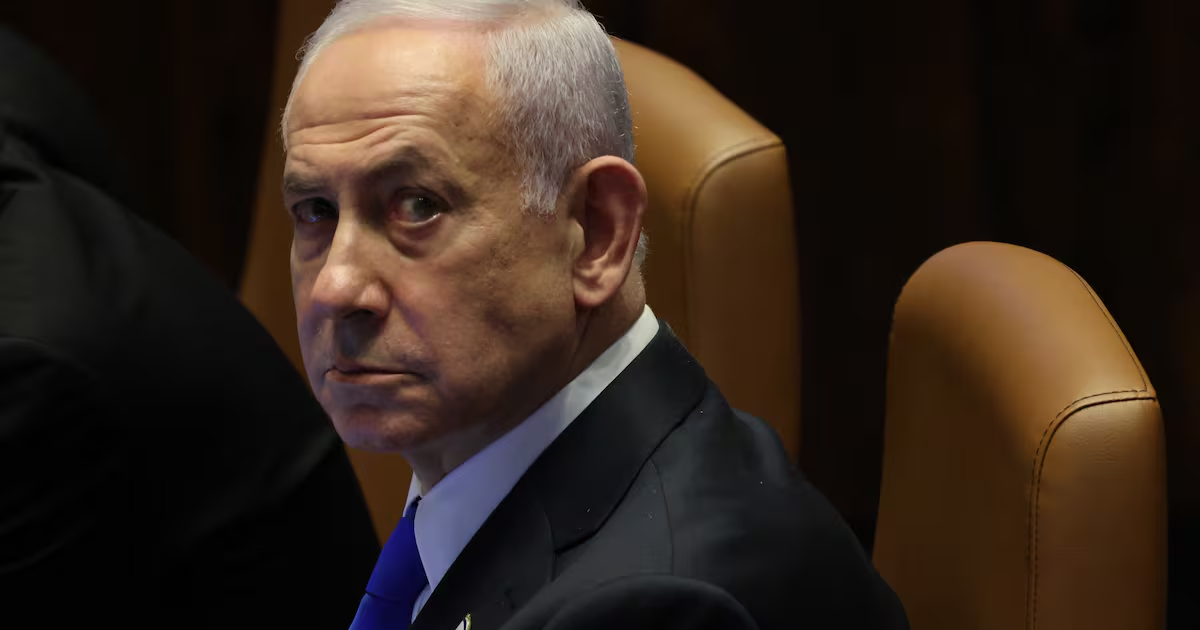
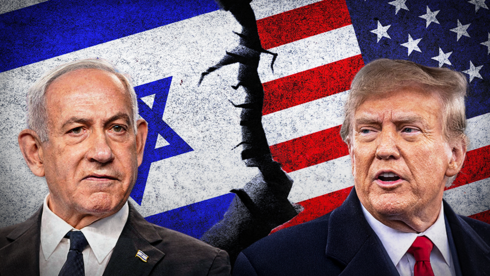
Indeed, Washington's unconditional support for Israel had encouraged Israel to such an extent that even the U.S. ambassador to Israel spoke of Israel's right to occupy all countries in the region. Egypt, Lebanon, Jordan and the Gulf states were mentioned, and even Saudi Arabia and Türkiye may also have been contemplated.
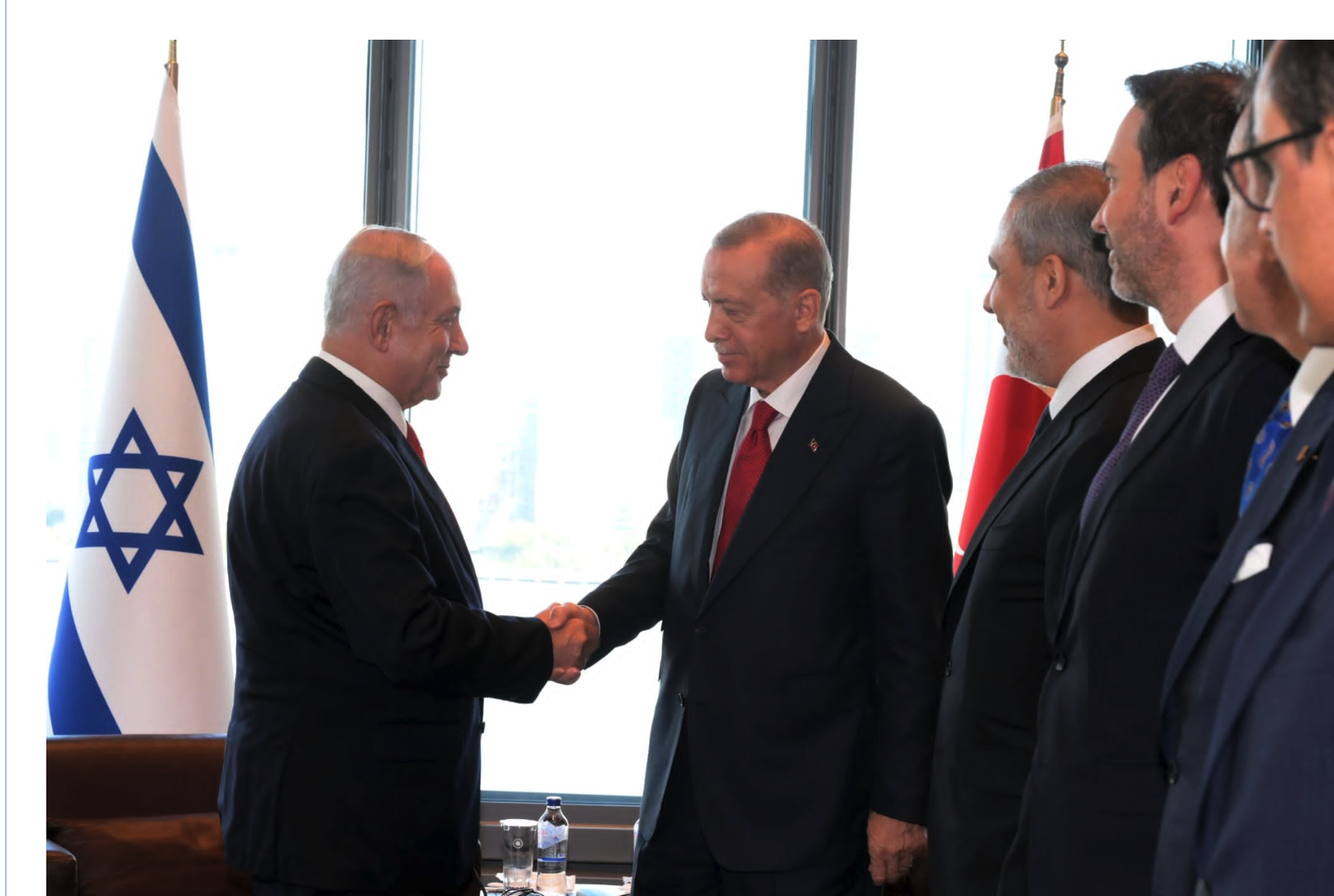
Israeli leaders, increasingly detached from reality, had begun using phrases such as "After Iran, it will be Türkiye's turn."