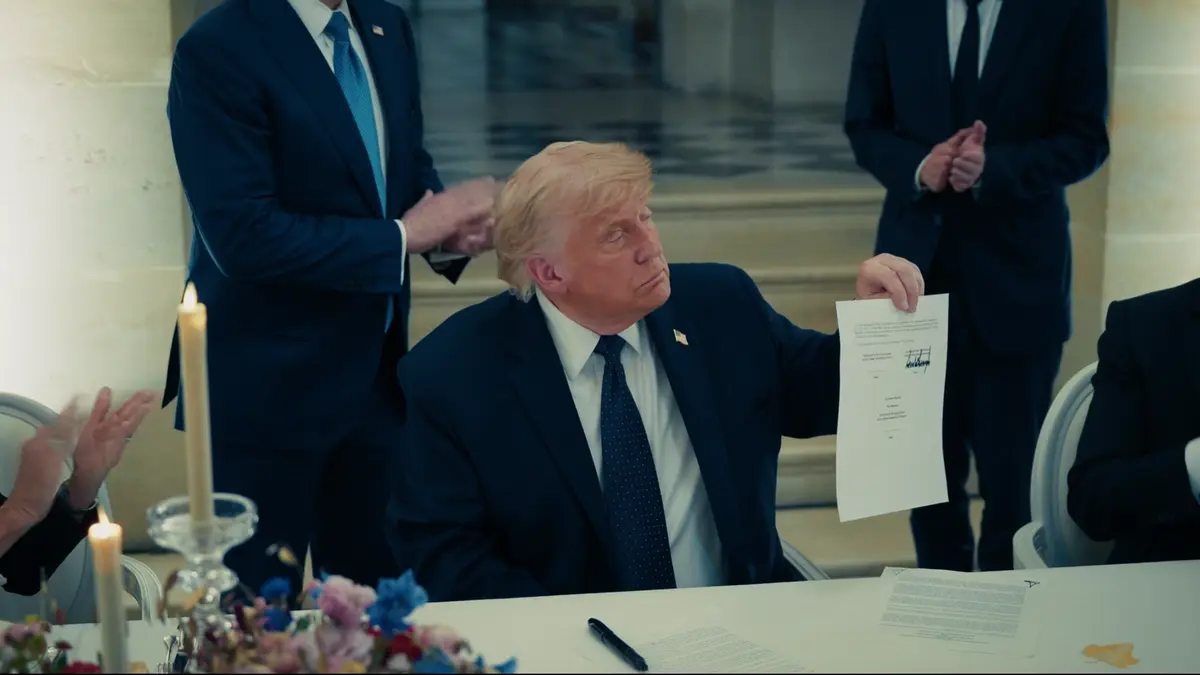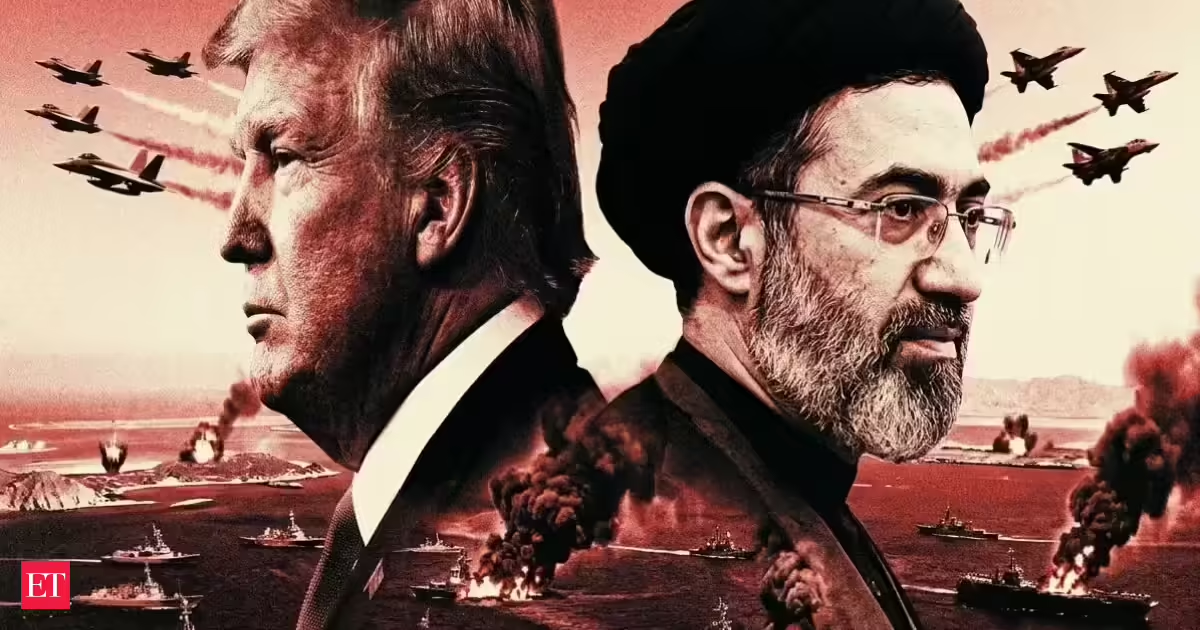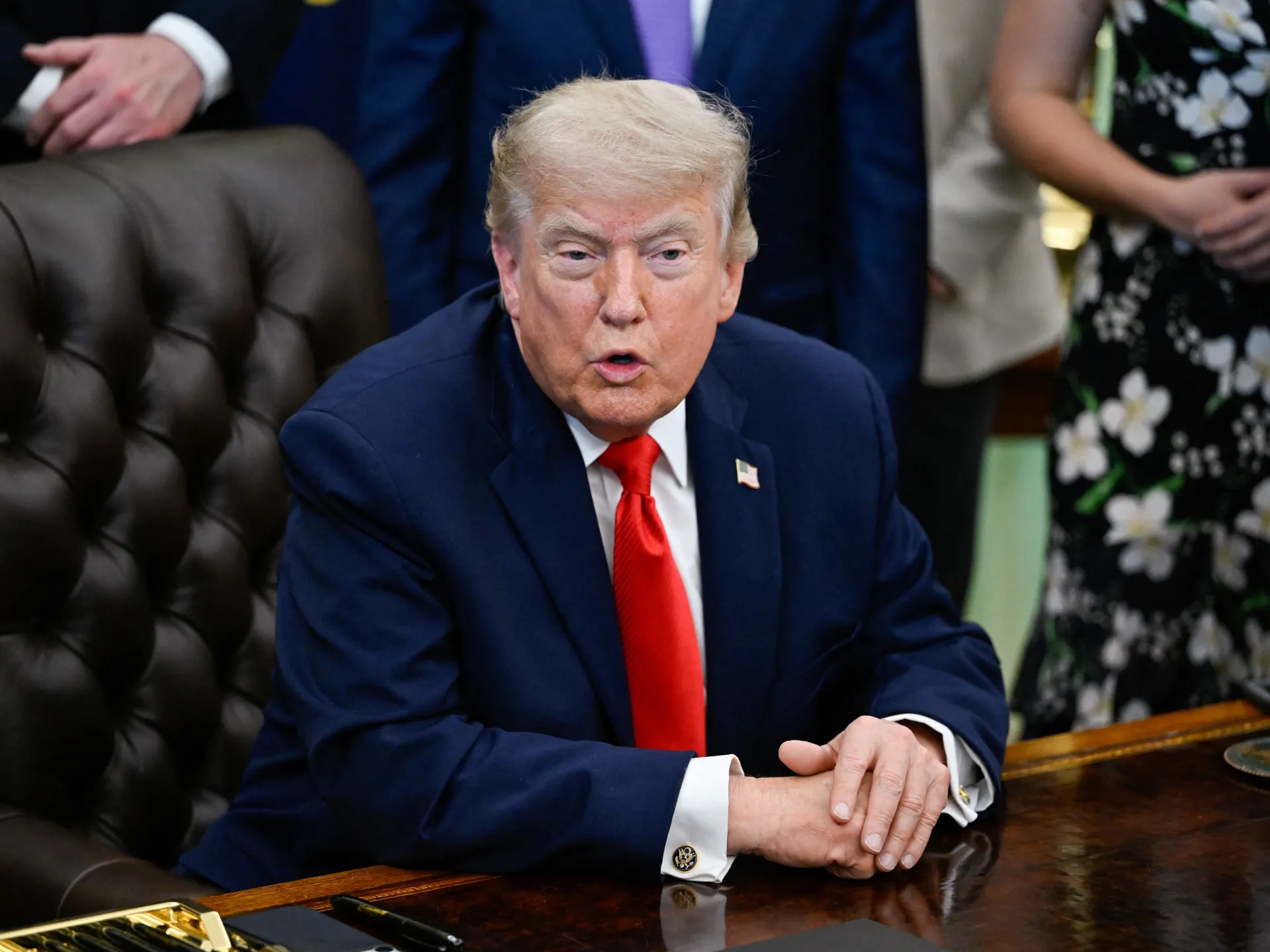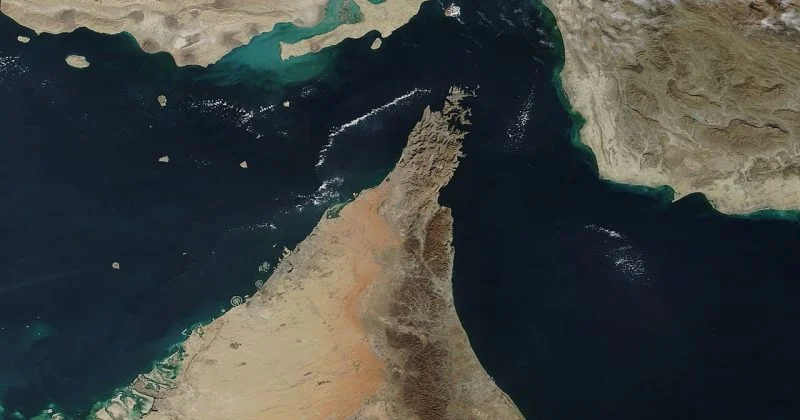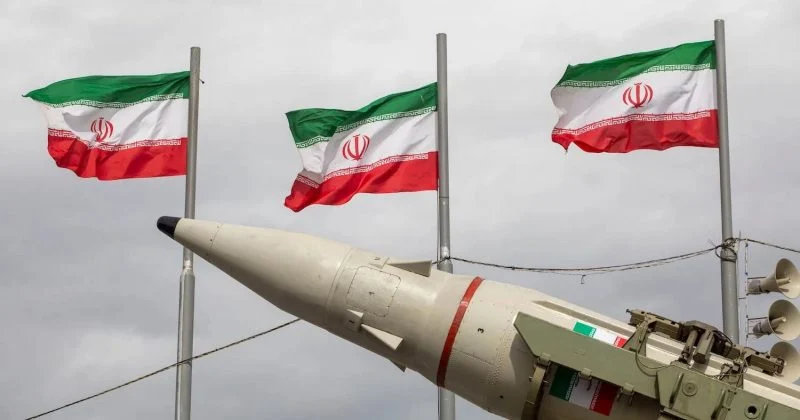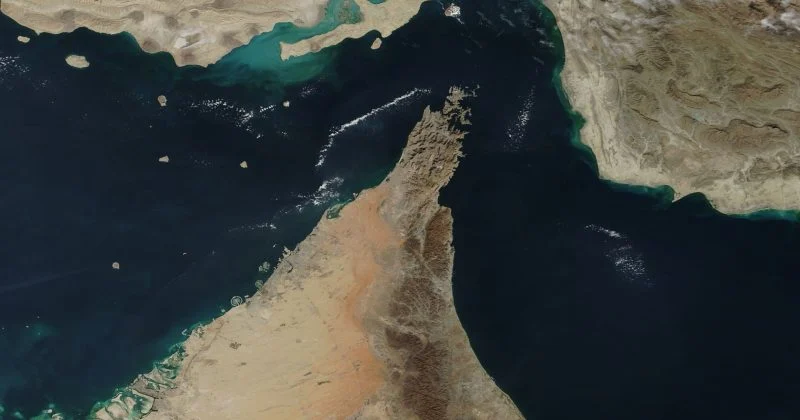
President Donald Trump has reportedly negotiated a deal to reopen the Strait of Hormuz and to commence discussions on Iran’s nuclear program, according to the Wall Street Journal. This development comes amid ongoing tensions in the region involving the U.S., Iran, and Israel. The agreement marks a potential de-escalation in the conflict, though several unresolved issues remain, including Iran’s uranium enrichment and sanctions relief. The status of the Strait of Hormuz as a major global energy chokepoint underscores the significance of this agreement, yet risks such as maritime blockades and insurance concerns persist. The diplomatic talks indicate a shift towards arms-control-style negotiations but face potential challenges in implementation.
Key Takeaways
The agreement to reopen the Strait of Hormuz appears to reflect a move towards reducing regional tensions, though maritime risks remain.
The initiation of talks on Iran’s nuclear program suggests a shift from military confrontation to diplomatic negotiations.
Market pricing suggests an increased likelihood of a US-Iran diplomatic meeting by June 30, 2026, following Trump’s reported deal.